DogBreedCompass

Best Dog for Hot Climates: How to Choose Thoughtfully

The best dog for hot climates is not simply the breed with the shortest coat; it is an individual dog whose needs you can support safely through warm weather.

This guide is for prospective owners and current owners comparing heat tolerant dog breeds or planning a move to a warm area. It is also useful for anyone wondering which dog breeds handle hot weather without wanting to rely on a simplistic ranking.

A dog can enjoy life in a warm region when its exercise, rest, home environment, and outdoor time are planned with the weather in mind. Choosing for your real routine helps you avoid expecting a dog to cope with midday heat, hot surfaces, or long outings that do not suit it. It also keeps the focus on responsible care instead of treating climate as a single-trait breed decision.

Best Dog For Hot Climates: Key Considerations

Dogs for warm weather are often described by their coat or size, but a good match depends on more than appearance. A shorter or lighter coat may be easier to manage in some conditions, while an individual dog's activity level, body shape, age, health history, and access to a cool indoor space also matter. Humidity can make cooling harder even when the air temperature does not seem extreme, and dark pavement can become much hotter than the air. The practical question is whether you can provide a safe, sustainable routine. That usually includes cooler-time walks, water, shade, a place to rest indoors, and the flexibility to shorten or skip an outing when conditions are uncomfortable. A dog that is a strong match for a temperate climate may still do well in a warm one with thoughtful care, while a dog often described as heat tolerant can struggle if pushed too hard.

Start With Your Actual Climate and Daily Routine

Before looking for the best dog for hot climates, map the conditions the dog will experience most often.
  • Heat pattern: Note whether your area has dry heat, high humidity, intense sun, hot nights, or long warm seasons.
  • Outdoor schedule: Decide whether walks and play can happen early or late rather than during the hottest part of the day.
  • Home environment: Plan for reliable shade outdoors and a comfortable indoor rest area with fresh water.
  • Surfaces and transport: Check pavement, sand, artificial turf, car interiors, and other places that can become dangerously hot.
  • Exercise expectations: Be ready to substitute calm indoor enrichment or shorter outings when the weather calls for it.
  • Support plan: Consider who can help if you are away, the air conditioning fails, or a heat wave disrupts your usual routine.

Why this helps

  • Connects breed research to the conditions the dog will actually live in.
  • Makes shade, timing, and indoor comfort part of the decision from the start.
  • Helps prevent an exercise plan that depends on unsafe midday outings.

Watch out for

  • ! A realistic plan may require changing favorite walking times.
  • ! Weather conditions can vary from day to day and still require flexibility.
  • ! Climate planning cannot predict every individual dog's comfort level.

Three Breeds to Research as Starting Points

The following breeds appear in this guide's research brief. They can be useful starting points, not guarantees that a particular dog will be comfortable in heat.
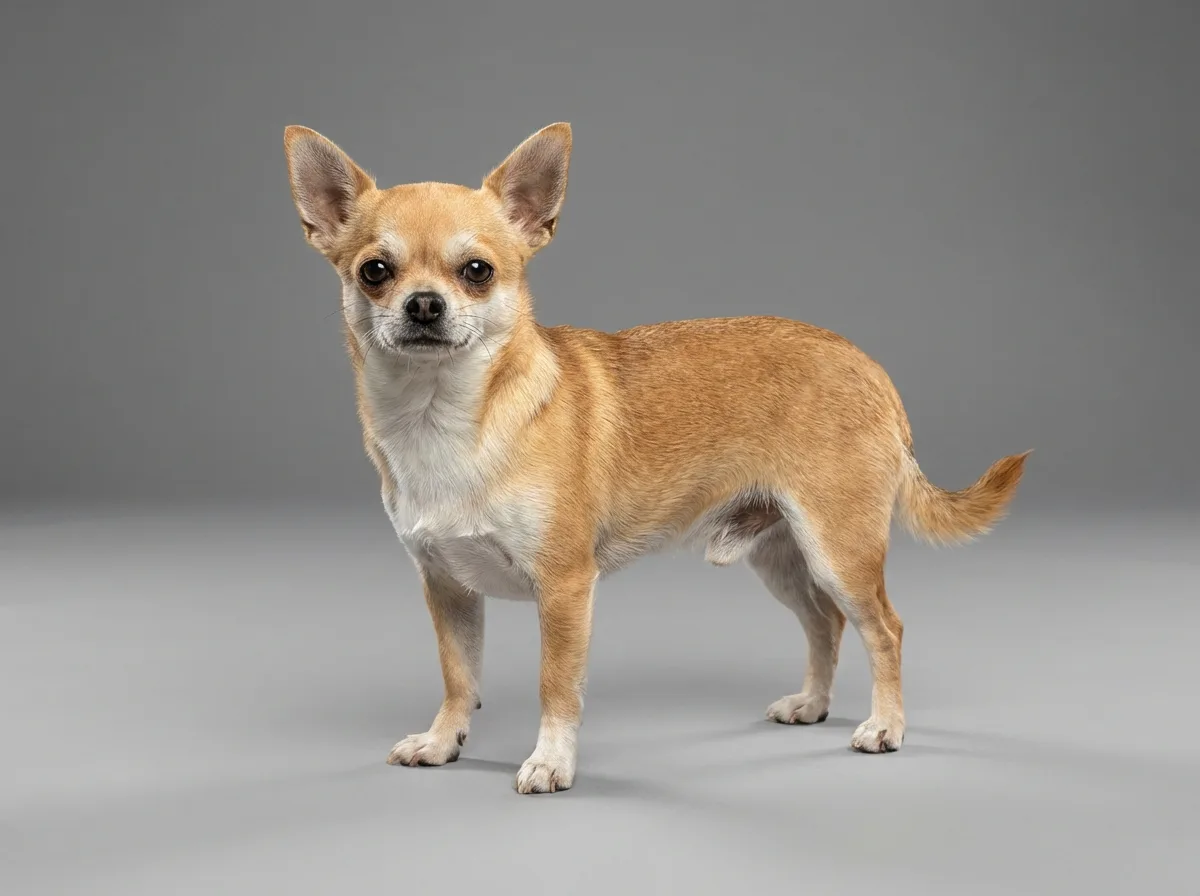
  • Chihuahua: A small companion breed that may appeal to people who want a compact dog. Small size does not remove the need to protect the dog from hot ground, direct sun, and overheating during activity.
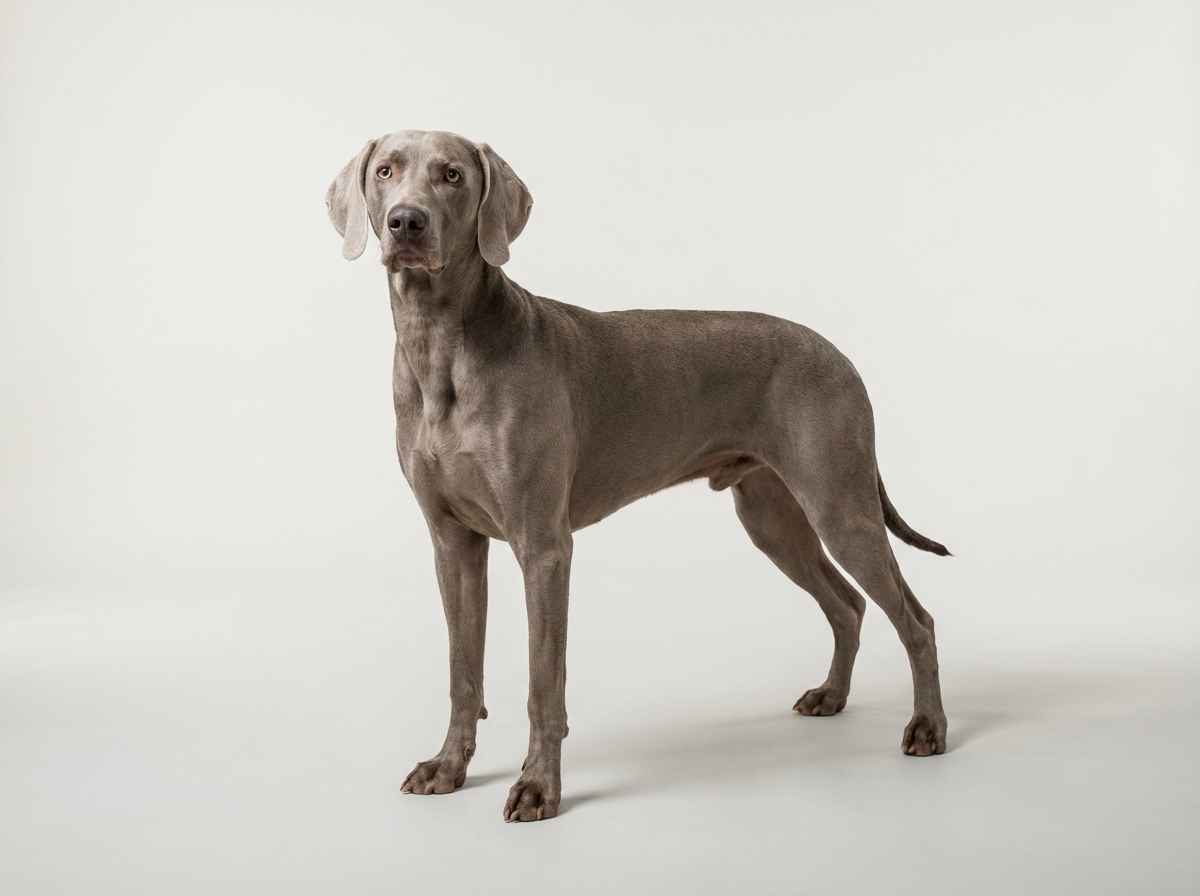
  • Vizsla: An athletic, short-coated breed that may attract active households. Its exercise needs still require a weather-aware schedule, training, and safe opportunities to move when temperatures are lower.
  • Whippet: A short-coated sighthound often considered by people who value a lean, athletic companion. As with any breed, individual temperament, exercise needs, and access to a cool resting space should guide the match.

Why this helps

  • Offers a focused place to begin learning about different sizes and activity styles.
  • Keeps individual temperament and care needs in the comparison.
  • Avoids treating one physical trait as a complete climate assessment.

Watch out for

  • ! Breed descriptions cannot predict how a specific dog will handle a particular day.
  • ! Active dogs still need exercise planning when the weather is hot.
  • ! A breed shortlist is only one part of choosing a dog responsibly.

Build a Heat-Aware Daily Care Plan

Even dogs that seem well suited to warm weather need protection from excessive heat. Schedule longer walks for the coolest practical times, offer fresh water and shade, and keep activity adjustable. Test surfaces with care before asking a dog to walk on them, and do not leave a dog in a parked vehicle. Watch the individual dog rather than trying to meet a fixed exercise target in every condition. If a dog seems distressed, weak, unusually tired, confused, or unable to settle after heat exposure, move it to a cooler area and contact a licensed veterinarian promptly for guidance. This is not a diagnosis; it is a reason to take a possible heat-related concern seriously.

Common Mistakes When Choosing a Dog for a Hot Climate

These assumptions can make a warm-weather routine harder for both dog and owner.
  • Choosing solely by coat length or color.
  • Assuming a dog described as heat tolerant needs no protection from heat.
  • Planning exercise around midday because that is the only convenient time.
  • Forgetting that humidity, pavement, and direct sun can change an outing dramatically.
  • Expecting a high-energy dog to keep the same outdoor routine during a heat wave.
  • Leaving water, shade, and a cool resting area as afterthoughts.
  • Ignoring a dog's change in comfort or behavior because its breed is on a warm-weather list.

Myths and Facts About Dogs in Hot Weather

A few simple distinctions can make climate-based breed selection more useful and more humane.
  • Myth: A short coat means a dog is safe in any heat. Fact: Coat is only one factor; activity, sun, humidity, surfaces, and individual needs still matter.
  • Myth: Dogs for warm weather can exercise normally at any time. Fact: Even a suitable dog may need shorter, cooler-time outings and indoor enrichment on hot days.
  • Myth: Small dogs do not need heat planning. Fact: Small dogs can still be affected by hot surfaces, direct sun, and an uncomfortable environment.
  • Myth: A dog will always show clear warning signs before conditions become unsafe. Fact: It is better to plan conservatively and avoid pushing through uncomfortable conditions.
  • Myth: A breed ranking is enough to choose a dog. Fact: Meet the individual dog and compare its needs with your home, schedule, and care resources.

Checklist Before Choosing a Dog for a Warm Region

Use this checklist alongside conversations with a rescue, breeder, veterinarian, or qualified trainer.
  • I can provide a cool indoor rest area and dependable access to fresh water.
  • I can shift walks, training, and play to cooler parts of the day.
  • I have considered humidity, sun exposure, hot surfaces, and transport, not just the average temperature.
  • I can adapt the day's activity instead of forcing a fixed routine in high heat.
  • I understand that the individual dog's needs matter more than a breed label alone.
  • I have a backup plan for heat waves, power problems, travel, and care emergencies.
  • I am prepared to seek veterinary advice promptly if heat exposure concerns me.

Why this helps

  • Turns a broad climate question into practical responsibilities.
  • Helps identify home and schedule changes before commitment.
  • Supports a safer routine for any dog living in warm conditions.

Watch out for

  • ! It may show that a different season or living arrangement is a better time to add a dog.
  • ! A checklist cannot replace learning about an individual dog.
  • ! Plans need updating when weather, home conditions, or the dog's needs change.

A Practical Next Step

For one week, track the coolest safe times you can reliably walk, train, and play with a dog. Check where shade is available, how you would keep a resting space comfortable, and what you would do during a severe heat day. Then use breed guides to form questions for the individual dog rather than as a final answer. If you are choosing between dogs, ask a foster, rescue, or responsible breeder about the dog's normal activity pattern, comfort with indoor rest, and any known care needs. A veterinarian can provide individualized advice when you have concerns about a dog's health or its ability to cope with local conditions.

Frequently asked questions

What is the best dog for hot climates?

There is no single best dog for hot climates. Look for an individual dog whose exercise, temperament, grooming, and daily care needs fit your home and your ability to provide shade, water, cooler-time activity, and a comfortable indoor space.

Which dog breeds handle hot weather?

People often research breeds with shorter coats or leaner builds, including the Chihuahua, Vizsla, and Whippet in this guide's brief. These are starting points only: every dog still needs protection from heat, and individual comfort can vary.

Are heat tolerant dog breeds safe outside all day?

No breed should be assumed safe outside all day in hot conditions. Dogs need shade, fresh water, supervision, and a way to rest in a comfortable environment. Adjust outdoor time for the actual weather, including humidity and hot surfaces.

Do short-haired dogs do better in hot climates?

A short coat can be one consideration, but it does not determine heat tolerance on its own. Exercise intensity, sunlight, humidity, age, individual condition, and access to a cool resting space all matter.

How should I exercise a dog in hot weather?

Plan activity for cooler parts of the day, keep water available, choose shaded routes when possible, and reduce or replace outdoor exercise when conditions are uncomfortable. Indoor training and enrichment can help on very hot days.

Can small dogs live in a hot climate?

Small dogs can live in warm regions when their needs are managed carefully. Their size does not protect them from hot ground, direct sun, dehydration, or an uncomfortable indoor environment.

Is a Vizsla a good dog for a warm climate?

A Vizsla may be considered by an active household in a warm region, but it still needs a weather-aware exercise plan and an individual assessment. Do not assume a short coat makes midday activity safe.

Is a Chihuahua good for hot weather?

A Chihuahua may appeal to people in warm climates because of its small size and companion-dog lifestyle, but it still needs protection from hot surfaces, direct sun, and excessive heat. Consider the individual dog and your care routine.

What should I do if my dog seems affected by heat?

Move the dog to a cooler area, stop activity, and contact a licensed veterinarian promptly for guidance if you are concerned. Signs such as distress, weakness, unusual tiredness, confusion, or difficulty settling after heat exposure deserve attention.

Should climate be the main factor when choosing a dog?

Climate matters, but it should be considered alongside the dog's individual temperament, activity needs, grooming, training, home setup, budget, and your ability to provide daily care.

Quick answers

View more answers
Living

Best dog for hot climates?

The best choice is an individual dog whose full care needs fit a heat-aware routine with shade, water, cooler-time activity, and indoor comfort.

Living

Which dog breeds handle hot weather?

Chihuahua, Vizsla, and Whippet are useful breeds to research, but no breed is immune to heat and each dog needs individual care.

Living

Are short-haired dogs better for hot weather?

A short coat is only one factor. Humidity, activity, sun, hot surfaces, and the individual dog also affect comfort.

Living

How do I keep my dog safe in hot weather?

Provide shade and water, schedule activity for cooler times, avoid hot surfaces, and adapt the plan when conditions are uncomfortable.

Related DogBreedCompass guides

Important reminder

This guide is not medical advice. If your dog shows distress, pain, sudden behavior change, or worsening symptoms, consult a licensed veterinarian.

Some links may be affiliate links. We may earn a commission at no extra cost to you. We only suggest products we believe are helpful for dog owners.

Want more tailored help?

Take the Lifestyle Match quiz to see which breeds and guides best fit your day-to-day life.

Take the quiz

More guides you might like

Find your match

Not sure which breed is right for you? Take our 2-minute quiz to find out.

Take the quiz