Best Dog Breeds for Runners: Your Perfect Jogging Companion
Looking for the best dog breeds for runners? This guide helps you find the ideal running partner, ensuring both you and your dog enjoy your fitness journey together!
This guide is perfect for active individuals or families who enjoy running and want a dog that can keep up. Whether you're a seasoned marathoner or a casual jogger, you'll find valuable insights here. It's especially useful for those considering adopting or buying a dog that fits seamlessly into a fitness-oriented lifestyle.
Choosing the right dog breed for running is crucial, yet many people overlook the specific needs of both the dog and the owner. Some breeds are natural athletes, while others may struggle with physical activity. Understanding these differences can lead to a happier partnership and a healthier lifestyle for both you and your furry friend.
Finding the Best Dog Breeds for Runners
A running companion should fit your actual pace, distance, climate, terrain, and schedule. Breed tendencies can narrow the search, but the individual dog's age, health, conditioning, and leash behavior matter. Increase distance gradually, avoid long-distance running with growing puppies, monitor weather and surface temperature, and ask your veterinarian about an appropriate plan for your dog.
Step-by-Step Plan for Choosing the Best Dog Breeds for Runners
If you're a runner looking for the perfect canine companion, follow these steps to find the best dog breeds for runners. This guide will help you choose a breed that matches your fitness lifestyle and running habits.
Best Dog Breeds for Runners: Your Perfect Jogging Companion - Step-by-Step Plan for Choosing the Best Dog Breeds for Runners
1. Assess Your Running Style: Determine how often and how far you run each week. Consider whether you prefer short sprints or long-distance runs.
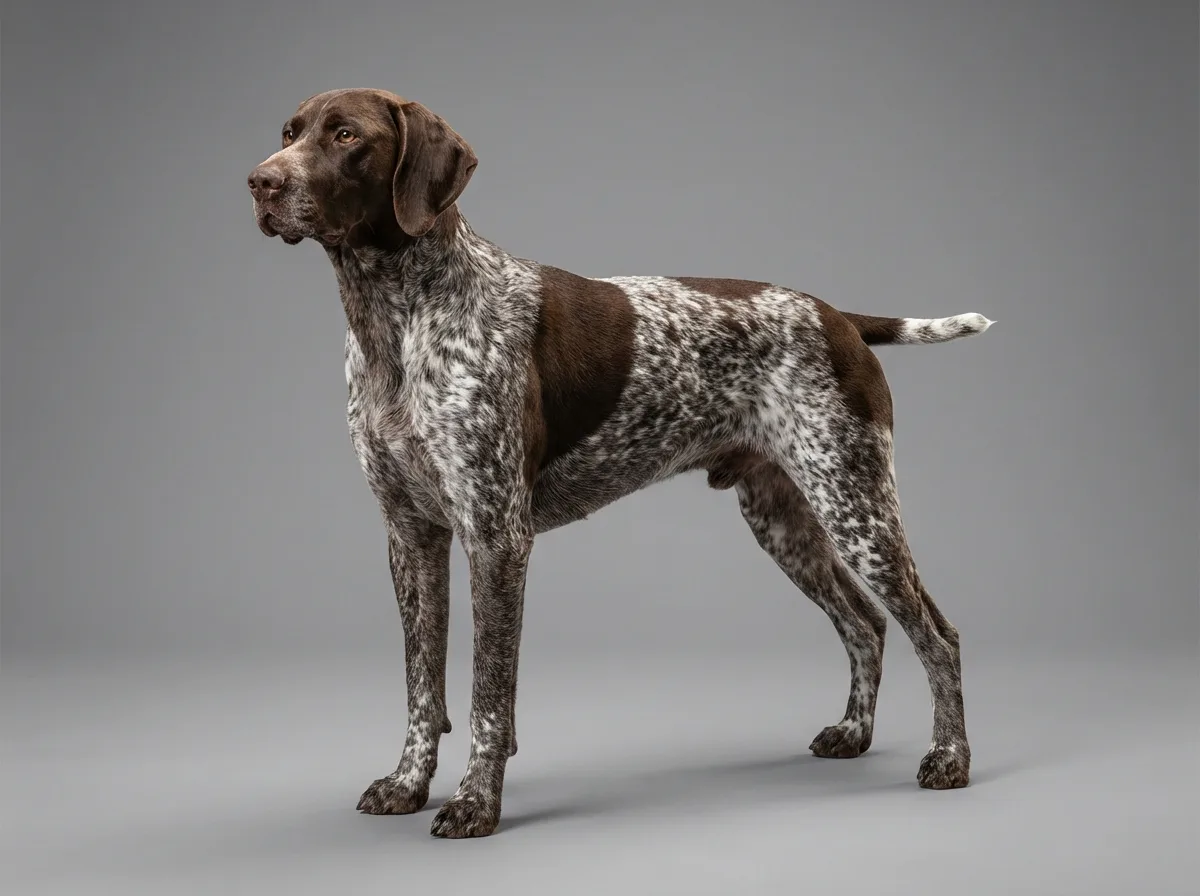
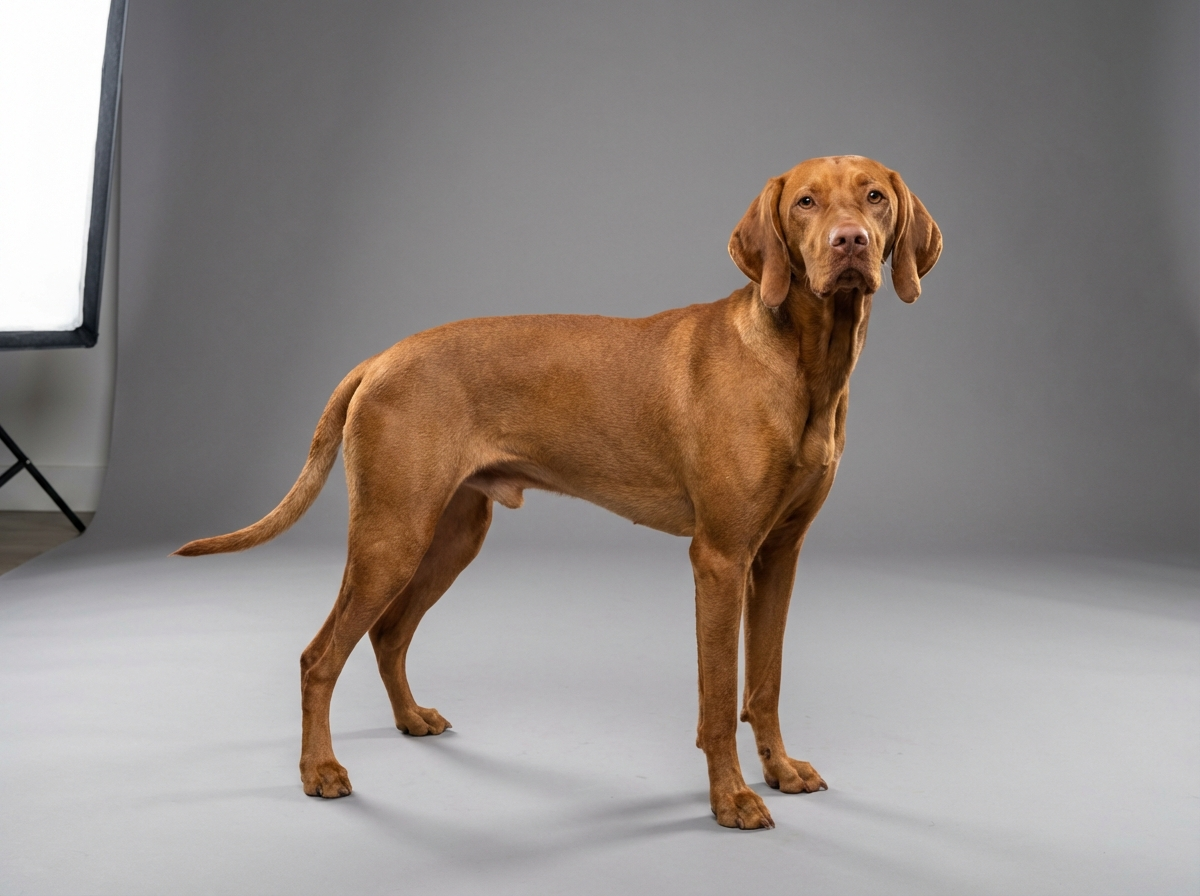
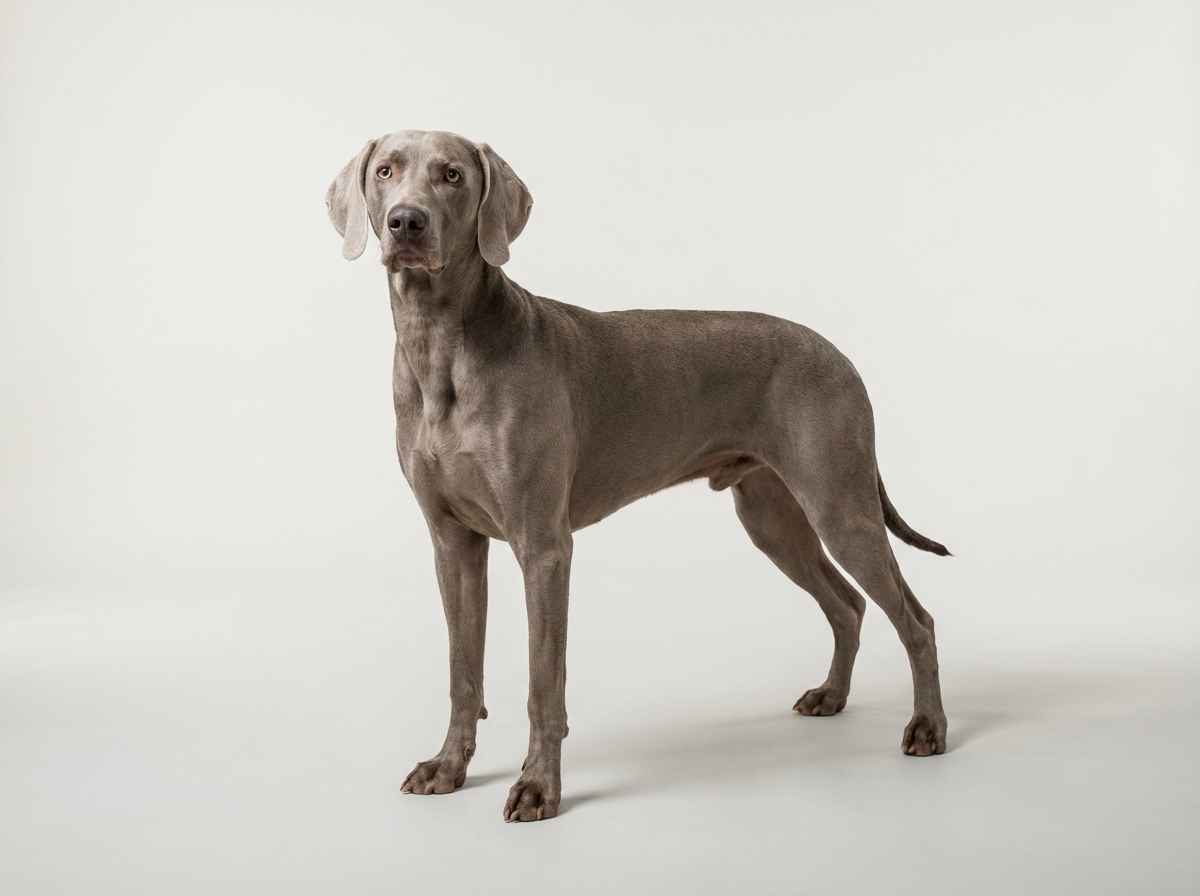
2. Research Breeds: Look into breeds known for their endurance and energy levels. Breeds like the Vizsla, Weimaraner, and German Shorthaired Pointer are great options.
3. Visit Local Shelters: Check your local animal shelters or breed-specific rescues. Many dogs are looking for homes, and you may find a perfect running buddy.
4. Evaluate Temperament: Spend time with potential dogs to assess their energy and temperament. A dog that matches your pace will make running more enjoyable.
5. Consider Training Needs: Think about the training requirements of the breed you choose. Some breeds may need more exercise than others to stay happy and healthy.
6. Plan for Gear: Invest in the right gear for running with your dog, such as a good leash and harness. This will help keep both you and your dog safe.
7. Start Slowly: If you're introducing your dog to running, start with short distances. Gradually increase as they build endurance.
8. Monitor Health: Keep an eye on your dog’s health and stamina. Regular vet visits and a proper diet are crucial for maintaining their fitness.
9. Build a Routine: Create a regular running schedule that includes your dog. Consistency will help both of you stay in shape.
10. Enjoy the Journey: Remember to enjoy your runs together. Building a bond with your dog while staying active is one of the best parts of being a runner.
Why this helps
✓ Helps you find a dog that matches your running lifestyle.
✓ Encourages a healthy routine for both you and your dog.
✓ Strengthens the bond between you and your canine companion.
Watch out for
! Some breeds may require more exercise than you can provide.
! Adopting a dog is a long-term commitment that requires time and effort.
! Not all dogs will enjoy running, even if they are athletic breeds.
Common Mistakes When Choosing the Best Dog Breeds for Runners
Choosing the right running partner is essential, but many owners make mistakes that can lead to frustration and disappointment. Here are some common pitfalls to avoid.
Best Dog Breeds for Runners: Your Perfect Jogging Companion - Common Mistakes When Choosing the Best Dog Breeds for Runners
1. Ignoring Breed Characteristics: Not all breeds are created equal when it comes to running. Some breeds, like bulldogs, may struggle with endurance due to their build.
Understanding the physical capabilities of a breed can save you from a mismatched jogging partner.
2. Overestimating a Puppy’s Ability: Puppies are adorable but not always ready for long runs. Their joints and muscles are still developing, and too much exercise can lead to injuries.
It's important to wait until they're older before expecting them to keep up on your runs.
3. Neglecting Training Needs: Even the best dog breeds for runners require training. Skipping basic obedience training can lead to distractions while running, making it difficult to enjoy your time together.
A well-trained dog is a joy to run with.
4. Not Considering Weather Conditions: Some running dogs can be sensitive to heat or cold. Breeds like the Siberian Husky thrive in colder climates, while others may struggle.
Always check the weather and adjust your running plans accordingly.
5. Forgetting About Nutrition: A dog’s diet plays a crucial role in their stamina. Poor nutrition can lead to fatigue during runs.
Ensure your dog gets a balanced diet that supports their energy needs.
6. Failing to Account for Your Fitness Level: Just because a dog is a great running breed doesn’t mean they can match your pace. Consider your fitness level and find a breed that complements it.
If you plan to run marathons, a high-endurance breed is essential.
7. Skipping Vet Check-Ups: Regular vet visits are vital to ensure your dog is healthy enough for running. Conditions like hip dysplasia can affect their running ability.
Always consult your vet before starting a running routine.
Common Myths About the Best Dog Breeds for Runners
There are several myths surrounding the best dog breeds for runners. Let's debunk those misconceptions and uncover the truths about running dogs.
Best Dog Breeds for Runners: Your Perfect Jogging Companion - Common Myths About the Best Dog Breeds for Runners
Myth: Any dog can be a running companion.
Fact: Not all dogs are built for endurance and long runs. Breeds like Vizslas and Weimaraners are specifically bred for high energy and stamina.
Myth: Puppies can run long distances.
Fact: Puppies need time to grow and develop. Running long distances with them can cause joint damage and other health issues.
Myth: Dogs don't need training to run with you.
Fact: Proper training is essential for both you and your dog. This helps them build stamina and ensures they can keep up safely.
Myth: Only large breeds can be good running partners.
Fact: Smaller breeds like the Jack Russell Terrier can also be great running companions due to their agility and energy levels.
Myth: Running dogs don't need much rest.
Fact: Just like humans, dogs need adequate rest days to recover from exercise and avoid injuries.
Advanced Tips for Finding the Best Dog Breeds for Runners
1. Consider Your Running Style: Different dogs have varying paces. If you’re a sprinter, breeds like the Vizsla can keep up.
If you prefer long, steady runs, consider a Weimaraner. Match your running style with your dog's natural abilities to create a fulfilling partnership.
2. Train for Endurance: Just like you, your dog needs to build endurance. Start slow, gradually increasing distance and intensity.
Incorporate interval training to help your dog adapt to the demands of running. This also helps prevent injuries.
3. Mind the Weather: Some breeds are sensitive to heat, while others may struggle in the cold. Plan your runs during cooler parts of the day in summer.
For winter, consider dog booties to protect paws from ice and snow.
4. Nutrition Matters: High-energy dogs need proper nutrition to fuel their runs. Consult your vet to find the best diet for your running dog.
Ensure they’re hydrated before and after your runs, especially on hot days. Proper nutrition supports muscle recovery and overall health.
5. Use the Right Gear: Invest in good quality gear, including a comfortable harness and a leash that allows freedom of movement but keeps your dog secure. A hands-free leash can be a game changer for runners, offering more mobility.
6. Watch for Signs of Fatigue: Pay close attention to your dog during runs. Signs of fatigue include lagging behind, excessive panting, or reluctance to continue.
If you notice these signs, take breaks and adjust your running schedule accordingly.
7. Socialize with Other Runners: Join local running groups that welcome dogs. This not only provides motivation but also exposes your dog to other people and animals.
Good socialization can enhance your dog's behavior and improve their running experience.
8. Consult a Trainer: If you’re unsure how to start running with your dog, a professional trainer can help. They can provide tailored advice for your specific breed and help you both adapt to running together effectively.
These advanced tips can help you find the best dog breeds for runners that suit your lifestyle. By focusing on training, nutrition, and the right gear, you can create a fulfilling running partnership with your furry friend.
Best Dog Breeds for Runners: Your Perfect Jogging Companion - Advanced Tips for Finding the Best Dog Breeds for Runners
How to Choose and Condition a Dog for Running
Finding the best dog breeds for runners involves more than just picking a breed known for running. Here are some unique insights to ensure you choose a perfect running partner.
Best Dog Breeds for Runners: Your Perfect Jogging Companion - How to Choose and Condition a Dog for Running
1. Evaluate Energy Levels: Not every high-energy breed is suitable for running. Look for dogs that have both endurance and a calm demeanor to help them pace themselves during longer runs.
2. Consider Size and Build: Larger breeds like the Weimaraner may be great for longer distances, but smaller breeds can excel too. Breeds like the Vizsla are agile and can keep up without tiring quickly.
3. Train Together: Start running with your dog gradually. This not only builds their endurance but also strengthens your bond.
It’s crucial to ensure they enjoy the experience.
4. Hydration is Key: Dogs can get dehydrated quickly. Always carry water for both you and your dog, especially on long runs.
Training them to drink on command can help ensure they stay hydrated.
5. Weather Awareness: Some breeds are more sensitive to heat or cold. Pay attention to your dog's comfort and adjust your running schedule according to the weather.
Why this helps
✓ Enhances fitness for both you and your dog.
✓ Strengthens the bond between you and your running partner.
✓ Helps in socializing your dog with other runners and pets.
Watch out for
! Not all dogs will enjoy running, leading to potential frustration.
! Injuries can occur if dogs are rushed into running too quickly.
! Weather conditions can limit running days, affecting routine.
Checklist for Choosing the Best Dog Breeds for Runners
Use this checklist to help you pick the right running companion. Consider their energy levels, size, and training needs to ensure a happy, active life together.
Best Dog Breeds for Runners: Your Perfect Jogging Companion - Checklist for Choosing the Best Dog Breeds for Runners
Evaluate your running style and distance.
Research breeds known for endurance like Vizslas and Weimaraners.
Consider your dog's age and health before starting a running routine.
Ensure your dog is physically fit for running long distances.
Choose a breed that enjoys outdoor activities and has a playful nature.
Plan for regular training to build your dog's stamina.
Invest in proper running gear for both you and your dog.
Why this helps
✓ Having a running partner can motivate you to stay active.
✓ Certain breeds thrive on exercise and companionship.
✓ Running dogs can help improve your mental health and fitness.
Watch out for
! Not all breeds are suitable for long-distance running.
! Puppies may not have the endurance needed for running.
! Some breeds may require more training and care than others.
Frequently asked questions
What are the best dog breeds for runners?
Some of the best dog breeds for runners include Vizslas, Weimaraners, and German Shorthaired Pointers. These breeds are known for their high energy levels and endurance, making them great companions for long runs. Their athletic build allows them to keep pace with an active lifestyle.
Best dog for long distance running?
Breeds like the Vizsla and Weimaraner are excellent choices for long distance running. They have high stamina and enjoy physical activity, which makes them perfect companions for marathon runners. Always ensure they are well-trained and conditioned for longer distances.
Can I run with a puppy?
While it’s tempting to run with a puppy, it's best to wait until they are fully grown, usually around 12-18 months. Puppies' bones and joints are still developing, and high-impact exercise can lead to injury. Instead, consider short walks or play sessions until they are older.
What are some good jogging companions?
Good jogging companions typically include breeds with high energy levels like Labrador Retrievers, Border Collies, and Australian Shepherds. These dogs thrive on exercise and will enjoy accompanying you on your runs. Make sure to provide them with plenty of water and breaks.
What dogs have high endurance?
Dogs known for their high endurance include the Vizsla, Weimaraner, and various hunting breeds like the German Shorthaired Pointer. These breeds are built for activity and can keep up with your running routine while enjoying the exercise as much as you do.
What are the top characteristics to look for in the best dog breeds for runners?
When choosing the best dog breeds for runners, look for traits like high energy, stamina, and a love for outdoor activities. Breeds that excel in running often have strong athletic builds and a friendly temperament, making them great companions during your jogs.
Are there specific breeds that are better for marathon running?
Yes, some breeds are particularly well-suited for marathon running. Breeds like the Vizsla, Weimaraner, and German Shorthaired Pointer are known for their endurance and speed. These dogs can keep up with long distances and enjoy the physical challenge.
What should I consider when running with my dog in hot weather?
Running in hot weather requires extra care for your dog. Ensure they stay hydrated, avoid the hottest parts of the day, and be watchful for signs of overheating. Breeds with shorter snouts may struggle more in heat, so adjust your running routine accordingly.
How can I train my dog to run with me effectively?
Start by introducing your dog to shorter runs and gradually increase the distance as they build endurance. Use positive reinforcement to encourage them and make running a fun experience. Consistency is key, so aim for regular runs to help them adapt.
What are the best dog breeds for jogging companions?
Some of the best dog breeds for jogging companions include breeds like Labradors, Australian Shepherds, and Border Collies. These breeds typically have high energy levels and require regular exercise, making them perfect partners for your jogging routine.
How do I know if my dog has high endurance for running?
To determine if your dog has high endurance, observe their energy levels during regular exercise. If they consistently want to play, run, or engage in activities without tiring easily, they likely have good stamina. However, every dog is different, so it's important to start slow and monitor their response.
This guide is not medical advice. If your dog shows pain, sudden behavior change, or worsening symptoms, consult a licensed veterinarian.
Some links may be affiliate links. We may earn a commission at no extra cost to you. We only suggest products we believe are helpful for dog owners.
We research and check what we publish, but we do not warrant that any figure, date, price, or statement is accurate, complete, or current, and we accept no liability for any loss, cost, injury, or other harm arising from the use of this site. Use it as one reference among several. You remain responsible for your own decisions and for your dog's care - confirm anything that matters with a licensed veterinarian or another qualified professional before you act on it. Full disclaimer.
Want more tailored help?
Take the Lifestyle Match quiz to see which breeds and guides best fit your day-to-day life.