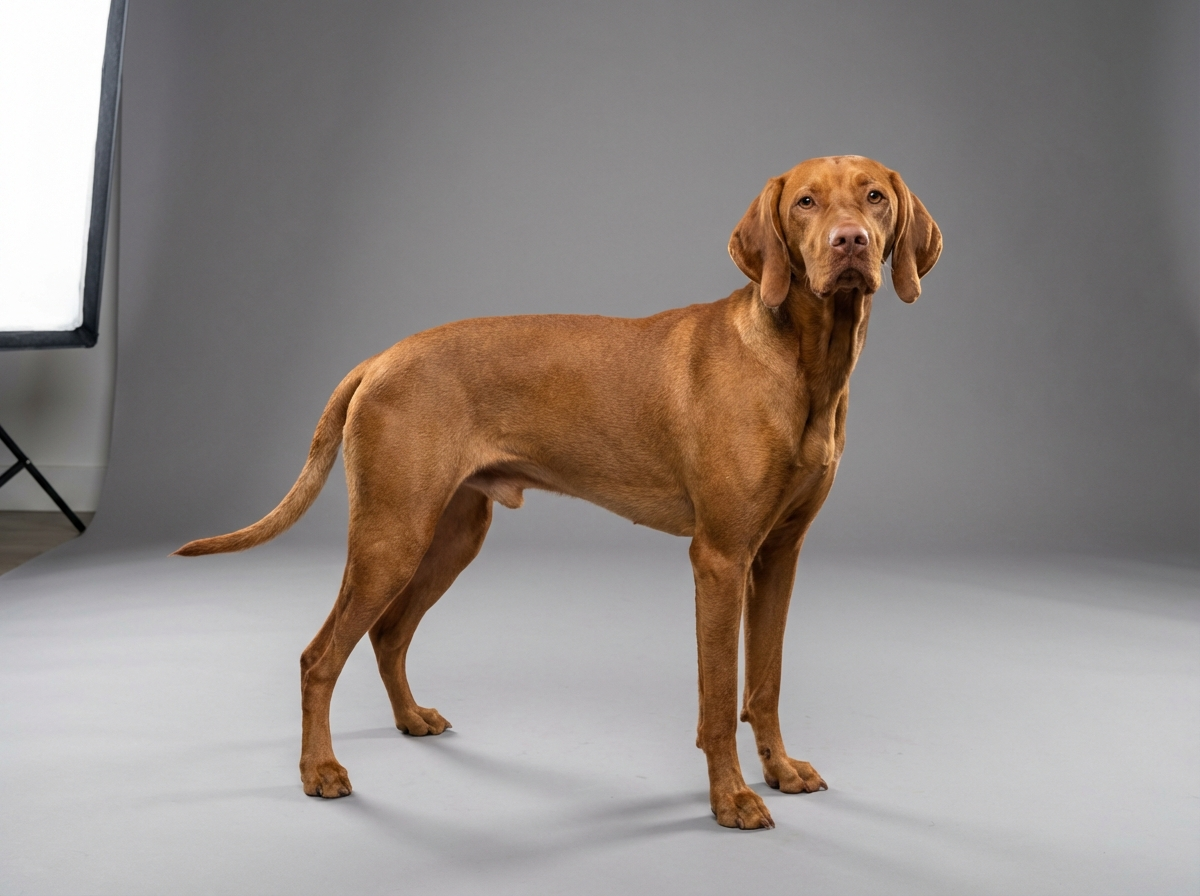
Best Dog Breeds for City Living
Finding the right dog breed for city living can be challenging. This guide will help you discover the best dog breeds that thrive in urban environments.
This guide is perfect for city dwellers who want to add a furry friend to their lives. Whether you're a busy professional in a high-rise apartment or a family living in a cozy neighborhood, you'll find valuable insights here. It's especially useful for first-time dog owners looking for breeds that are more adaptable to urban living.
Choosing the right dog breed for city living is crucial for both your happiness and your dog's well-being. Many people underestimate how different a dog's needs can be in urban environments compared to rural settings. Understanding the best dog breeds for city living can help avoid challenges like behavioral issues and stress, ensuring a harmonious life together.
Step-by-Step Plan for Choosing the Best Dog Breeds for City Living

- 1. Assess Your Living Space: Measure your apartment or home to understand how much space you can dedicate to a dog. Consider whether you have a yard or nearby parks.
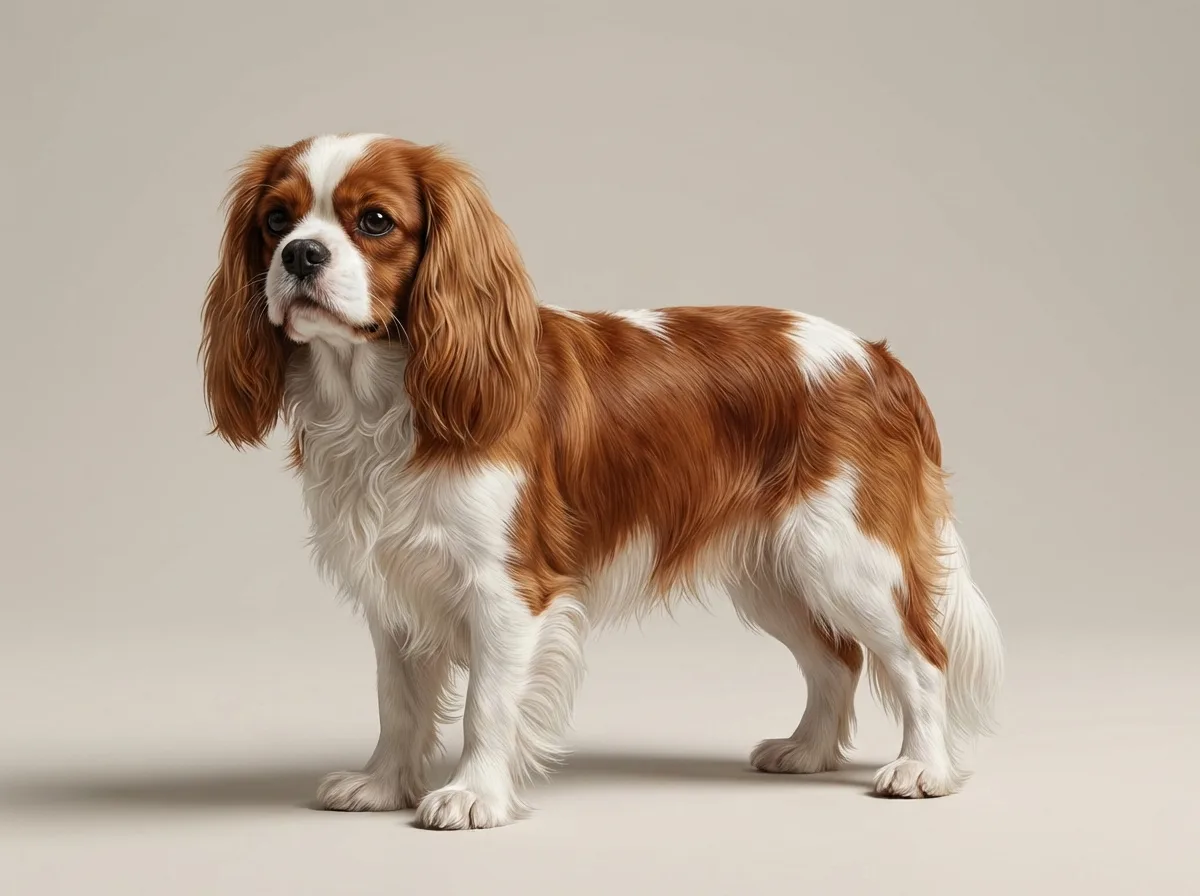
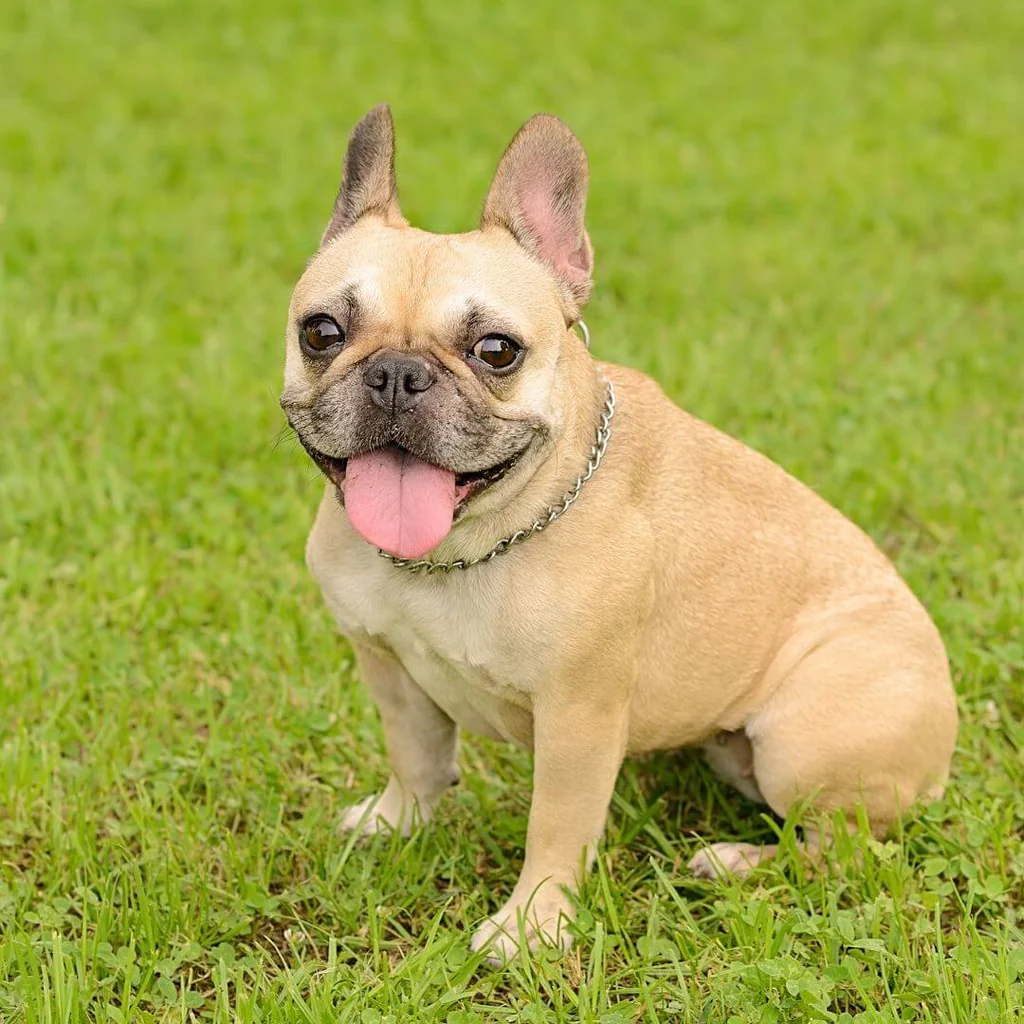
- 2. Research Suitable Breeds: Look into breeds that adapt well to urban environments. Breeds like French Bulldogs, Cavalier King Charles Spaniels, and Greyhounds are known to be great for city living.
- 3. Evaluate Activity Levels: Determine how active you are and how much exercise a dog will need. Consider breeds that match your energy level to avoid frustration.
- 4. Visit Local Shelters: Check out local animal shelters or rescue groups to meet dogs in person. This provides a chance to interact with different breeds and see their personalities.
- 5. Consider Noise Levels: Think about how much noise you can handle. Some breeds are more vocal than others and may not be ideal for apartment living.
- 6. Plan for Socialization: Identify places and activities where you can socialize your dog. Consider dog parks, pet-friendly cafes, or training classes in your area.
- 7. Prepare for Walks: Invest in a good leash and harness. Regular walks are essential for city dogs, so plan routes that are safe and enjoyable.
- 8. Stock Up on Supplies: Get the necessary supplies like food, water bowls, toys, and bedding. Choose items that suit the size and breed of your dog.
- 9. Budget for Costs: Calculate the costs of owning a dog in the city, including food, vet visits, and supplies. Be prepared for potential extra expenses.
- 10. Create a Routine: Establish a daily routine that includes feeding, exercise, and training. Consistency helps both you and your dog adjust to city life.
Why this helps
- ✓ Helps you find a breed that fits your lifestyle.
- ✓ Promotes a happy and healthy environment for your dog.
- ✓ Encourages proactive planning to avoid future issues.
Watch out for
- ! Requires time and effort to research and visit shelters.
- ! May involve initial costs for supplies and setup.
- ! Can be overwhelming if unsure about the best breed.
Common Mistakes When Choosing the Best Dog Breeds for City Living

- Ignoring exercise needs
- Neglecting training and socialization
- Choosing a breed without considering size
- Underestimating noise levels
- Not providing enough mental stimulation
- Failing to adapt to small living spaces
Myths and Facts About the Best Dog Breeds for City Living

- Myth: Small dogs are always better for city living.
- Fact: While small dogs can adapt well to apartment life, larger breeds like Greyhounds can also thrive in cities if given enough exercise.
- Myth: Dogs can't handle busy streets and noise.
- Fact: Many urban dogs are surprisingly resilient and can adapt to the hustle and bustle with proper training and socialization.
- Myth: All dogs need a large yard to be happy.
- Fact: Dogs can be perfectly content in smaller living spaces as long as they get regular walks and mental stimulation.
- Myth: You can't train a city dog to behave well in public.
- Fact: With the right training, any dog can learn to navigate city environments calmly and confidently.
- Myth: Dogs in the city are always stressed out.
- Fact: Many metro dogs, when properly cared for, enjoy city life and thrive on the excitement.
Why this helps
- ✓ Urban dogs can adapt well to city environments.
- ✓ Larger breeds can thrive with sufficient exercise and training.
- ✓ Dogs don't need large spaces if they receive regular outdoor time.
Watch out for
- ! City living can present challenges like noise and crowded spaces.
- ! Some breeds may struggle with high energy levels and need more exercise.
Advanced Tips for Choosing the Best Dog Breeds for City Living
Why this helps
- ✓ Tailor your dog's exercise routine to your lifestyle.
- ✓ Socialization can prevent behavioral problems in busy environments.
- ✓ Understanding noise sensitivity helps in choosing the right breed.
- ✓ Regular grooming keeps your dog healthy and happy.
- ✓ Knowledge of local regulations ensures a hassle-free ownership experience.
Watch out for
- ! Active breeds may require more outdoor time than you can provide.
- ! Sensitive breeds can struggle with urban noise and crowds.
- ! Grooming can be time-consuming and costly.
- ! Socialization requires consistent effort and commitment.
- ! Local regulations may limit certain breeds or ownership styles.
How to Compare Dog Breeds for City Living
- Smaller breeds often adapt better to smaller spaces. Consider adopting a breed like the French Bulldog or Cavalier King Charles Spaniel if your apartment is cozy.
- Look for dogs with lower energy levels. Breeds like Greyhounds are surprisingly calm indoors and only require moderate exercise, making them great for city dwellers.
- Socialization is key. Urban environments can be overwhelming; early and ongoing socialization helps dogs adjust to busy streets and public transportation.
- Consider the dog's noise tolerance. Some breeds are more prone to barking, which can be a hassle in close quarters. Opt for quieter breeds if you have thin walls or neighbors nearby.
- Adopt a dog that matches your lifestyle. If you're busy, choose breeds that are more independent, like the Basenji, which can handle being alone for longer periods.
Why this helps
- ✓ Helps narrow down your choices to breeds that thrive in city environments.
- ✓ Enhances the bond between you and your dog through tailored care.
- ✓ Reduces potential behavior issues caused by city stressors.
Watch out for
- ! Not all advice may apply to every individual dog, as personalities vary.
- ! You may need to invest time in training and socialization.
- ! Some breeds may have specific health issues that require attention.
Checklist for Choosing the Best Dog Breeds for City Living
- Evaluate your living space: Is it a small apartment or a larger condo?
- Consider the dog's size: Choose breeds that fit comfortably in your home.
- Assess energy levels: Look for breeds that match your activity level.
- Research breed temperament: Opt for friendly, adaptable dogs.
- Plan for exercise needs: Ensure you have access to parks or walking areas.
- Check local dog regulations: Some breeds may have restrictions in urban areas.
- Socialize your dog: Start early to help them adjust to city life.
- Establish a routine: Regular walks and playtime are essential.
- Find training resources: Look for classes or online courses for city dogs.
- Connect with local dog owners: Join community groups for support and tips.
Why this helps
- ✓ Helps you find a breed that suits your living conditions.
- ✓ Ensures your dog is happy and healthy in an urban environment.
- ✓ Promotes a better owner-dog relationship through understanding.
Watch out for
- ! May require additional research and commitment.
- ! Not all breeds may adapt well to city living.
- ! Limited space can lead to challenges in training and exercise.
Frequently asked questions
Can dogs live in the city?
Yes, many dogs can thrive in the city. However, it's important to choose breeds that are adaptable to urban living. Factors like size, energy level, and temperament are crucial in deciding if a dog can handle city life. This answer relates to best dog breeds for city living.
What are the best medium dogs for city apartments?
Some of the best medium dogs for city apartments include the French Bulldog, Cavalier King Charles Spaniel, and Greyhound. These breeds tend to be more adaptable to smaller living spaces and can handle busy environments well.
How to socialize a city dog?
Socializing a city dog involves exposing them to various environments, people, and other dogs. Regular trips to parks, dog-friendly events, and busy streets can help them become well-adjusted and confident in urban settings.
What characteristics should I look for in a city-friendly dog?
Look for breeds that are small to medium-sized, have a calm demeanor, and are adaptable to noise and crowds. Dogs that require less exercise or can get their energy out through playtime indoors are also ideal for city living.
Are there any breeds I should avoid for city living?
Yes, breeds that are overly energetic or large may not be suited for city life. Dogs like the Border Collie or Great Dane might struggle with limited space and high stimulation. Look for breeds known for being more relaxed and adaptable.
What are the challenges of owning a dog in the city?
City living can present challenges like noise, crowded spaces, and limited access to green areas. Owners may need to be more proactive in providing exercise and socialization opportunities. Training is essential to help your dog adjust to urban life.
Are there specific breeds that are better for busy streets?
Yes, breeds like the Greyhound or French Bulldog are often recommended for busy streets. They tend to be more relaxed and adaptable to loud noises and bustling environments. However, consistent training and supervision are key to keeping them safe.
How much exercise do city dogs need?
City dogs typically need about 30 to 60 minutes of exercise daily, depending on the breed. Short walks, play sessions, or trips to the dog park can help meet their needs. It's essential to provide both physical and mental stimulation.
Can a small dog be a good fit for city living?
Absolutely! Small dogs like the Cavalier King Charles Spaniel are often great city companions. They require less space and can adapt well to apartment living, as long as they receive enough exercise and socialization.
Quick answers
View more answersWhat are city friendly dogs?
City friendly dogs are breeds that adapt well to urban environments, often being smaller and calmer.
What are the best metro dogs?
Some of the best metro dogs include the French Bulldog and Cavalier King Charles Spaniel due to their size and temperament.
What are good apartment breeds?
Good apartment breeds include smaller dogs like the French Bulldog and dogs with lower exercise needs.
Can dogs live in the city?
Yes, many dogs can thrive in the city with proper training and socialization.
Best medium dogs for city apartments?
Breeds like the Cavalier King Charles Spaniel and French Bulldog make excellent choices for city living.
Related DogBreedCompass guides
- French Bulldog guide – Explore more about this popular breed's suitability for city life.
- Cavalier King Charles Spaniel overview – Learn how this breed adapts well to urban environments.
- Greyhound characteristics – Find out how this fast breed can thrive in city settings.
- Urban dog ownership costs – Discover the costs associated with owning a dog in the city.
- Training city dogs effectively – Get tips on how to train a dog for busy urban environments.
Important reminder
This guide is not medical advice. If your dog shows pain, sudden behavior change, or worsening symptoms, consult a licensed veterinarian.
Some links may be affiliate links. We may earn a commission at no extra cost to you. We only suggest products we believe are helpful for dog owners.
Want more tailored help?
Take the Lifestyle Match quiz to see which breeds and guides best fit your day-to-day life.
Take the quizMore guides you might like

Best Dogs for Retirees & Seniors: Low-Energy, Loyal & Easy to Handle

Shih Tzu vs Yorkshire Terrier: Which Small Dog is Right for You?

Best Dogs for Busy Professionals: Independent Breeds That Handle Alone Time

Rottweiler vs Yorkshire Terrier: Which Is Right for You?

Siberian Husky vs Vizsla: Which Breed is Right for You?

Best Dog Breeds for Multi-Dog Households: Social, Pack-Friendly Picks
Find your match
Not sure which breed is right for you? Take our 2-minute quiz to find out.
Take the quiz