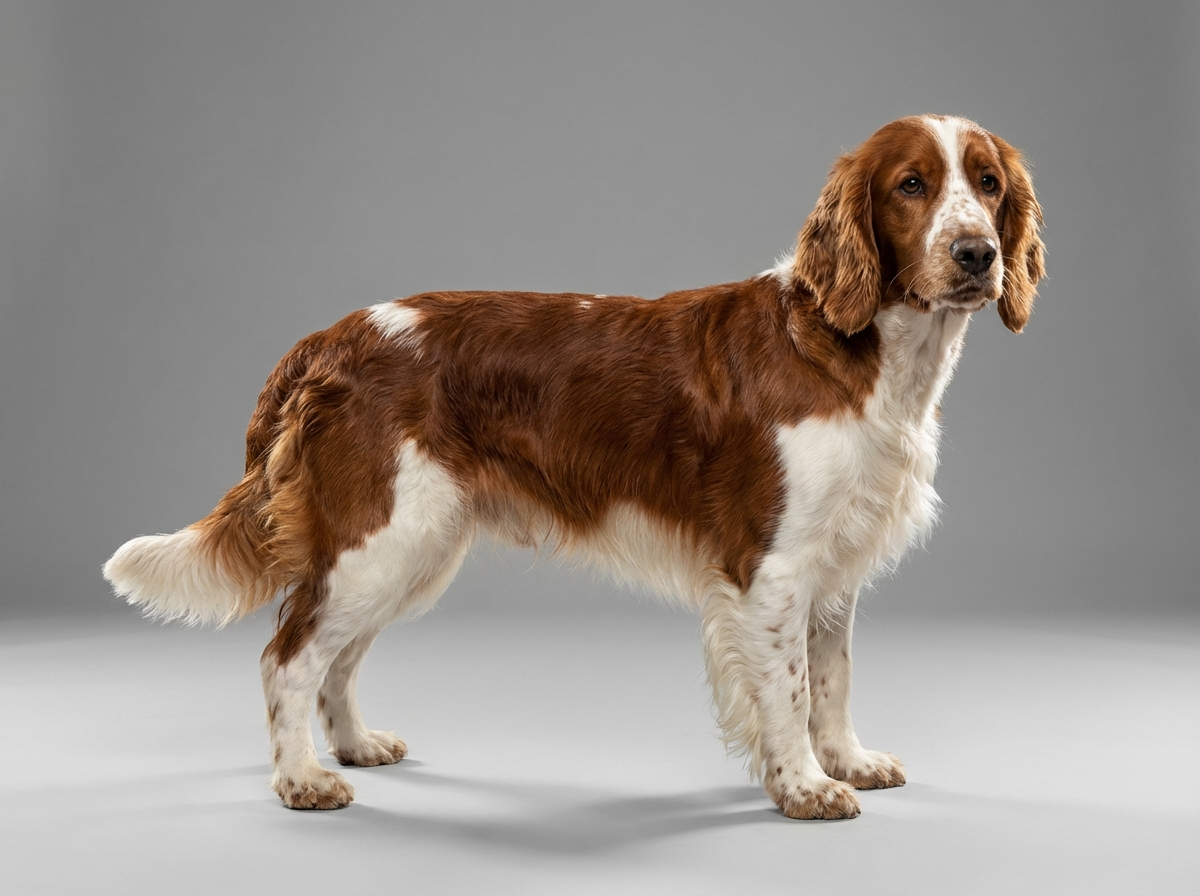
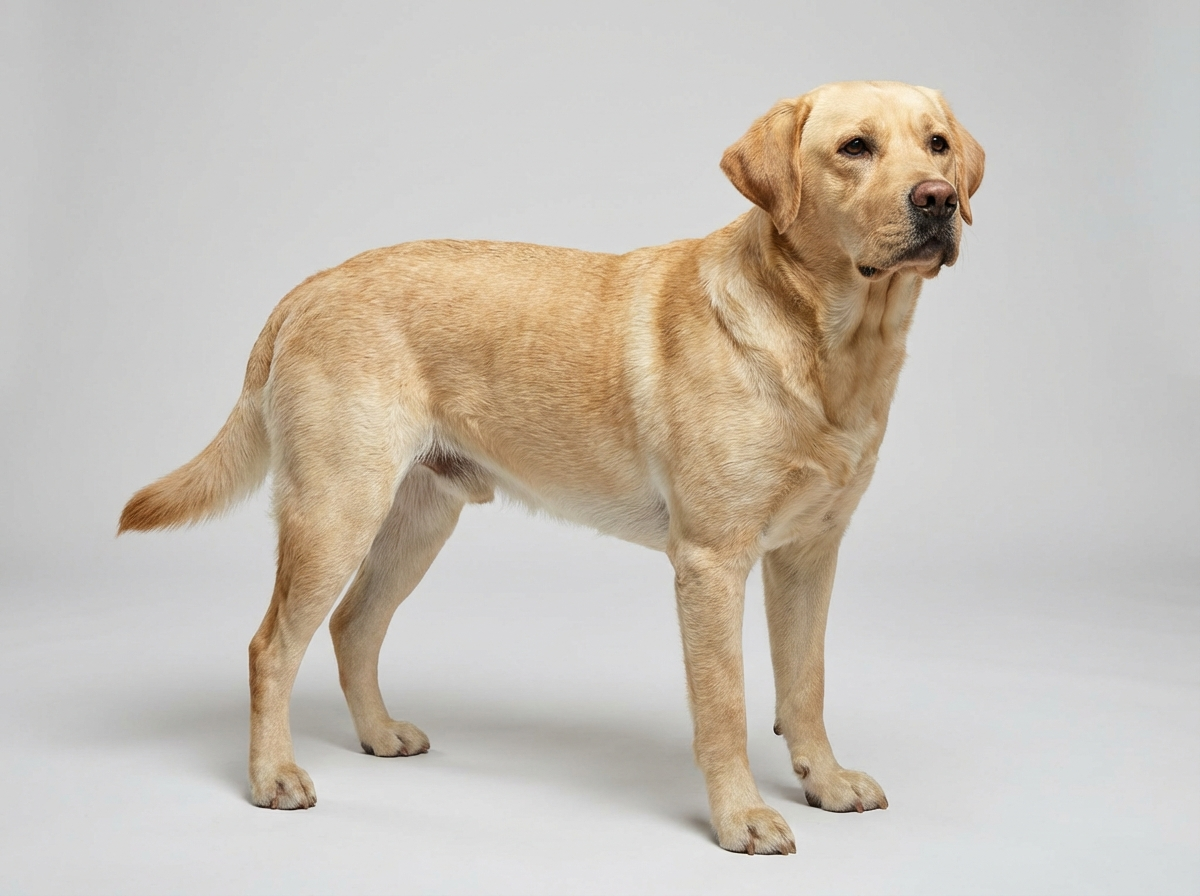
Best Dog Breed for Homes with Cats
Choosing the best dog breed for homes with cats can be a challenge. This guide helps you find cat-friendly dogs that can coexist peacefully with your feline friends.
Finding the Best Dog Breed for Homes with Cats
Choosing the best dog breed for homes with cats is an important decision for pet owners. It can determine the harmony of your household and the well-being of both your dog and cat. Not all dogs are naturally inclined to get along with cats, so understanding the traits of cat-friendly dogs is essential for a happy multi-pet household.
What Makes a Dog Cat-Friendly?
Dog breeds that are considered cat-friendly usually have a low prey drive. This means they're less likely to chase or harm your feline friend. Breeds like Golden Retrievers, Beagles, and Pugs are often known for their gentle and playful nature, making them a better fit for homes with cats. Understanding the personality traits and energy levels of different breeds will help you find the best match for your family.

How to Choose the Right Dog for Your Cat
When selecting a dog for your cat, consider several factors. First, assess your cat’s temperament. Is your cat shy or outgoing? A calm and relaxed dog might be best for a timid cat. Next, think about your living space. Larger dogs may need more room to roam, while smaller breeds might fit better in cozy homes. Finally, introduce the two pets gradually to ensure a smooth transition.

Common Questions About Dogs and Cats
Here are some frequently asked questions about dogs and cats in the same household.

- Do dogs and cats get along?
- Which dog breeds hate cats?
- How to introduce a dog to a cat?
Conclusion
Choosing the best dog breed for homes with cats requires careful thought. By considering breed traits and your pets' personalities, you can create a peaceful environment. Remember, patience is key during introductions, and always be prepared for some trial and error as they adjust to each other.
Step-by-Step Plan for Choosing the Best Dog Breed for Homes with Cats
Finding the best dog breed for homes with cats involves careful consideration and planning. Here’s a practical step-by-step guide to help you make the right choice.
- 1. Assess Your Cat's Personality: Observe how your cat reacts to other animals. Are they curious, fearful, or friendly? This will guide your dog selection.
- 2. Research Breeds: Look for dog breeds known for being cat-friendly. Breeds like Golden Retrievers, Beagles, and Pugs often have lower prey drives and can coexist well with cats.
- 3. Meet Potential Dogs: Visit shelters or breeders to meet dogs in person. Observe how they interact with your cat. Look for calm and gentle behavior.
- 4. Consider Size and Energy Level: Choose a dog that matches your cat's size and energy. Smaller or less energetic dogs may be better suited for homes with cats.
- 5. Prepare Your Home: Create safe spaces for both your cat and dog. Ensure your cat has high perches or hiding spots to escape if needed.
- 6. Introduce Gradually: When bringing your new dog home, introduce them to your cat slowly. Use a baby gate or separate rooms at first to allow them to acclimate.
- 7. Monitor Interactions: Keep an eye on their interactions for the first few weeks. Reward positive behavior with treats to reinforce good relationships.
- 8. Be Patient: Understand that it may take time for your dog and cat to get used to each other. Patience is key in building a harmonious multi-pet household.
Common Mistakes When Choosing the Best Dog Breed for Homes with Cats
Choosing the right dog breed for homes with cats can be tricky. Many owners make common mistakes that can lead to stress for both pets. Here are some of the most frequent errors to avoid.
- Not considering the dog's temperament
- Ignoring the dog's prey drive
- Failing to introduce pets properly
- Choosing a breed without proper research
- Underestimating the dog's energy level
- Neglecting to train the dog
- Overlooking the importance of socialization
Common Myths About Dogs and Cats Living Together
Myth: All dogs hate cats. This isn't true! Many dogs are perfectly fine around cats, especially breeds known for their calm demeanor. Some breeds, like Golden Retrievers and Beagles, are naturally more cat-friendly.
Myth: Dogs will always chase cats. While some dogs may have a high prey drive, many can learn to coexist peacefully with cats. Training and early socialization can make a huge difference in how dogs behave around cats.
Myth: You can't train a dog to get along with cats. In fact, you can train dogs to respect and get along with cats. Positive reinforcement techniques can help teach your dog not to chase or bother the cat.
Myth: All cat breeds are dog-friendly. Not all cats appreciate the company of dogs. Some breeds, like Ragdolls, tend to be more tolerant, while others may not be as accepting. Each cat is an individual, so it's essential to consider their personality.
Myth: You need a specific breed to live with cats. While some dogs are better suited for multi-pet households, many breeds can adapt well with the right introduction and training. It's more about the individual dog's temperament than their breed.

- Myth: All dogs hate cats.
- Myth: Dogs will always chase cats.
- Myth: You can't train a dog to get along with cats.
- Myth: All cat breeds are dog-friendly.
- Myth: You need a specific breed to live with cats.
Advanced Tips for Choosing the Best Dog Breed for Homes with Cats
If you're determined to find the best dog breed for homes with cats, consider these advanced tips that go beyond the basics. These strategies can help ensure a harmonious environment for both your dog and cat.
- Observe the dog's temperament before adopting. Spend time with potential pets to see how they react to cats.
- Consider adopting an older dog rather than a puppy. Older dogs are often more settled and may have a lower prey drive.
- Use scent introduction techniques. Before meeting, let your dog and cat get familiar with each other's scents using blankets or toys.
- Train basic obedience commands with your dog. A well-trained dog is easier to manage around cats and can respond better to cues.
- Create safe spaces for your cat. Make sure your cat has places to retreat to if they feel threatened by the dog.
Insider Secrets for Choosing the Best Dog Breed for Homes with Cats
Understanding the nuances of dog and cat relationships can guide you in selecting the best dog breed for homes with cats. Here are some lesser-known insights that can help you make an informed choice.
- Look for breeds with a low prey drive. Breeds like the Basset Hound or Cavalier King Charles Spaniel are less likely to chase cats, making them ideal companions.
- Consider the dog's energy level. A more laid-back breed, such as a Bulldog or Shih Tzu, can coexist peacefully with cats, while high-energy breeds may overwhelm them.
- Socialization is key. Early and positive introductions can help dogs and cats bond, especially if done in a controlled environment.
- Training plays a crucial role. Teaching basic commands like 'leave it' or 'stay' can prevent unwanted interactions between your dog and cat.
- Be aware of individual temperament. Not all dogs of the same breed will behave the same way. Spend time with the dog before making a decision.
Checklist for Choosing the Best Dog Breed for Homes with Cats
Follow this checklist to find the best dog breed that can live harmoniously with your cats.
- Research cat-friendly dog breeds.
- Consider dogs with a low prey drive.
- Look for breeds known for good temperaments with other pets.
- Assess your living environment for space and compatibility.
- Plan a gradual introduction between your dog and cats.
- Monitor their interactions closely during the first few weeks.
- Provide separate spaces for each pet to retreat to if needed.
- Incorporate positive reinforcement when they interact well.
- Consult with a trainer if necessary.
Frequently asked questions
What are the best dog breeds for homes with cats?
Some of the best dog breeds for homes with cats include Golden Retrievers, Beagles, and Pugs. These breeds are known for their friendly and adaptable nature, making them great companions for feline friends. Look for dogs with a low prey drive to ensure a peaceful coexistence. This answer relates to best dog breed for homes with cats.
Do dogs and cats get along?
Yes, many dogs and cats can get along quite well. The key is to introduce them slowly and carefully, allowing both pets to adjust to each other. Some breeds are naturally more compatible, especially those with a calm demeanor and low prey drive.
Which dog breeds hate cats?
Some breeds tend to have a higher prey drive, which can make them less suitable for homes with cats. Breeds like Greyhounds and Jack Russell Terriers may view cats as something to chase. It's essential to consider the individual dog's personality and training.
How to introduce a dog to a cat?
Start by allowing the dog and cat to smell each other through a closed door. Once they're used to each other's scents, you can introduce them in a controlled environment, ideally with the dog on a leash. Supervision is crucial during the initial meetings to ensure safety.
What are low prey drive dogs?
Low prey drive dogs are breeds that have a reduced instinct to chase smaller animals. Breeds like Cavalier King Charles Spaniels and Basset Hounds typically exhibit this trait. These dogs are often better suited for homes with cats and other small pets.
What are some characteristics of cat-friendly dogs?
Cat-friendly dogs typically have a lower prey drive and are more social. They tend to be calm in the presence of cats and often show a friendly demeanor. Breeds like Golden Retrievers and Beagles are known for their gentle nature, making them good companions for felines.
Can I train my dog to live with my cat?
Yes, you can train your dog to coexist with your cat. Start with basic commands and gradually introduce them to each other in controlled settings. Positive reinforcement for calm behavior can help both pets adjust to living together peacefully.
Which dog breeds are best for homes with cats?
Some of the best dog breeds for homes with cats include Beagles, Golden Retrievers, and Pugs. These breeds are generally friendly and have a lower prey drive, making them more likely to get along with cats. Always consider individual temperaments when selecting a dog.
What should I do if my dog chases my cat?
If your dog chases your cat, it's important to intervene immediately to prevent stress or injury. Use commands like 'leave it' or 'come' to redirect your dog's attention. Gradual introductions and supervised interactions can also help reduce chasing behavior over time.
Are there specific signs that my dog and cat are getting along?
Signs that your dog and cat are getting along include relaxed body language and playful interactions. If they can share the same space without signs of aggression, such as growling or hissing, that's a good indicator of a positive relationship. Monitor their interactions regularly to ensure harmony.
How can I help my cat feel safe with a new dog?
To help your cat feel safe with a new dog, create a space where your cat can retreat to if needed. Use baby gates or separate rooms to give them their own areas at first. Gradual introductions and ensuring your dog is calm during the process will make both pets feel more secure.