The Best Dog Breeds: Find Your Perfect Match
Looking for the best dog breeds to fit your lifestyle? This guide will help you choose the right breed, whether you're seeking a loyal companion or a playful lap dog.
This guide is perfect for first-time dog owners and families looking to add a furry friend to their home. Whether you’re a busy professional, a parent with young kids, or someone seeking a loyal companion, you’ll find valuable insights tailored to your situation.
Understanding the best dog breeds is crucial because not every breed is suitable for every home. Common misconceptions can lead to mismatched expectations, resulting in challenges for both you and your new pet. By learning about the best dog breeds, you can make a well-informed choice that enhances your life and creates a happy environment for your dog.
Step-by-Step Plan for Choosing the Best Dog Breed
- 1. Assess Your Lifestyle: Consider your daily routines, activity level, and living situation. Do you live in an apartment or a house with a yard? Are you active or more laid-back? This will help narrow down breed options.
- 2. Research Dog Breeds: Use a dog breed selector quiz to explore various breeds. Look into their energy levels, sizes, grooming needs, and temperaments.
- 3. Consider Family Dynamics: If you have children or other pets, choose breeds known to be good with them. Some breeds are more tolerant and friendly, while others may not be a good fit.
- 4. Determine Your Budget: Assess the costs associated with different breeds, including food, grooming, and medical expenses. This will help you find a breed that fits your financial situation.
- 5. Visit Local Shelters: You might find the perfect dog waiting for you at a shelter. Spend time with different breeds to see which personality suits you best.
- 6. Consult with Owners: Talk to other dog owners about their experiences. They can provide insights into the breeds you’re considering.
- 7. Make a Decision: After gathering all the information, decide on a breed that best matches your lifestyle and preferences. Don't rush; take your time to be sure.
- 8. Prepare Your Home: Once you’ve chosen a breed, get your home ready. Purchase necessary supplies, and create a comfortable space for your future dog.
- 9. Enroll in Training Classes: After bringing your dog home, consider enrolling in training classes. This can help with obedience and building a strong bond.
- 10. Establish a Routine: Dogs thrive on routine. Set a daily schedule for feeding, walks, and playtime to keep your dog happy and healthy.
Why this helps
- ✓ Helps ensure you choose a breed that fits your lifestyle.
- ✓ Encourages thorough research, reducing the chance of impulsive decisions.
- ✓ Provides a structured approach that can make the process less overwhelming.
Watch out for
- ! It can take time and effort to complete all steps thoroughly.
- ! Some breeds may not be available in local shelters or stores.
- ! Researching and comparing breeds can be overwhelming for new dog owners.
Common Mistakes When Choosing the Best Dog Breeds
- Not considering lifestyle compatibility
- Ignoring breed-specific traits
- Underestimating the time needed for training
- Failing to research health issues
- Choosing based on looks rather than temperament
- Neglecting the importance of socialization
- Not accounting for size and space requirements
Myths vs. Facts About the Best Dog Breeds
- Myth: All small dogs are yappy and aggressive.
- Fact: Many small dog breeds are calm and friendly. Breeds like the Cavalier King Charles Spaniel and Bichon Frise are known for their gentle nature.
- Myth: Purebred dogs are always healthier than mixed breeds.
- Fact: Mixed breeds can actually have fewer genetic health issues due to greater genetic diversity. It's important to research the health history of any dog, regardless of its breed.
- Myth: Dogs only need exercise when they're puppies.
- Fact: All dogs, regardless of age, need regular exercise to stay healthy and happy. Breeds like the Labrador Retriever thrive on daily activity throughout their lives.
- Myth: The best dog breeds are always the most popular.
- Fact: Popularity doesn’t guarantee a good fit for your lifestyle. Consider factors like temperament and energy levels when choosing a breed.
- Myth: Dogs only bond with one person.
- Fact: Most dogs can form strong bonds with multiple people. Their ability to connect with various family members can enhance their social skills.
Advanced Tips for Choosing the Best Dog Breeds
Why this helps
- ✓ Matching temperament to family dynamics ensures harmony.
- ✓ Understanding health issues helps with long-term care planning.
- ✓ Choosing based on living space leads to happier pets.
- ✓ Connecting with breeders/rescues provides valuable insights.
- ✓ Considering training needs helps prevent behavior problems.
Watch out for
- ! Requires extensive research and understanding of breeds.
- ! May limit options based on specific needs and lifestyle.
- ! Connecting with breeders can be time-consuming.
- ! Not all rescues provide complete behavior histories.
- ! Some breeds may be harder to find in certain areas.
Insider Secrets for Choosing the Best Dog Breeds
- Consider the breed's energy level and your lifestyle.
- Research common health issues specific to breeds.
- Look into the breed's grooming needs and costs.
- Think about how the breed interacts with children and other pets.
- Check for breed-specific rescue organizations.
Why this helps
- ✓ Tailoring your choice to your lifestyle can lead to a happier home.
- ✓ Understanding health issues can help you prepare for future vet costs.
- ✓ Knowing grooming needs prevents unexpected expenses and time commitments.
- ✓ Choosing a breed that fits well with your family dynamic enhances harmony.
- ✓ Supporting rescue organizations can lead to a fulfilling adoption experience.
Watch out for
- ! Some breeds may not thrive in certain living situations.
- ! Health issues can lead to increased vet visits and costs.
- ! High-maintenance grooming can be time-consuming.
- ! Not all breeds are suitable for homes with small children.
- ! Finding a specific breed through rescues may take time and patience.
Checklist for Choosing the Best Dog Breeds
- Assess your living situation (home size, yard space, etc.)
- Consider your activity level (active vs. more relaxed lifestyle)
- Evaluate family dynamics (kids, other pets, etc.)
- Research breed temperaments (friendly, protective, etc.)
- Look into grooming needs (low-maintenance vs. high-maintenance)
- Understand health concerns for specific breeds
- Estimate the budget for dog ownership (food, vet costs, etc.)
- Check local breed regulations or restrictions
- Visit shelters or breeders to meet potential dogs
- Prepare your home for a new dog (safety, comfort, etc.)
Why this helps
- ✓ Helps narrow down breed options to fit your lifestyle
- ✓ Increases the likelihood of a successful match with your dog
- ✓ Ensures you are prepared for the responsibilities of dog ownership
Watch out for
- ! Can take time to thoroughly research and decide
- ! May require compromise between desired traits and practical needs
- ! Potential emotional stress from visiting shelters or breeders
Frequently asked questions
What are the best dog breeds for families?
The best dog breeds for families usually include Golden Retrievers, Labradors, and Beagles. These breeds are known for their friendly nature, patience with children, and loyalty. They thrive in active households and enjoy being part of family activities.
What is the best dog for an apartment?
For apartment living, smaller breeds like French Bulldogs, Cavalier King Charles Spaniels, and Dachshunds are often recommended. These breeds typically require less space and exercise than larger dogs. Plus, their size makes them easier to manage in smaller environments.
What is the best dog to get for a first-time owner?
First-time dog owners might consider breeds like Pugs, Bichon Frises, or Shih Tzus. These breeds tend to be more adaptable and easier to train, making them great companions for beginners. They also generally have a friendly disposition.
What are the best dog breeds for emotional support?
Breeds like Golden Retrievers, Labradors, and Cocker Spaniels are often recognized as the best for emotional support. Their gentle nature and strong bonds with humans can provide comfort and companionship during tough times. Always consider personality and energy levels when choosing.
What is the best-looking dog breed?
While beauty is subjective, breeds like the Samoyed, Afghan Hound, and Shiba Inu are often praised for their striking looks. Each breed has unique features, so the best-looking breed can vary based on personal preference.
What are the best dog breeds for families?
The best dog breeds for families often include Labrador Retrievers, Golden Retrievers, and Beagles. These breeds are known for their friendly nature and adaptability to family life. Always consider your family's lifestyle and the dog's energy level to ensure a good match.
What is the best dog breed for apartment living?
For apartment living, smaller breeds like French Bulldogs, Pugs, and Cavalier King Charles Spaniels tend to do well. They usually require less space and exercise compared to larger breeds. However, regular walks and playtime remain essential for their well-being.
Are there any hypoallergenic dog breeds among the best dog breeds?
Yes, some of the best dog breeds for allergy sufferers include Poodles, Bichon Frises, and Shih Tzus. These breeds are less likely to trigger allergies due to their low-shedding coats. However, it’s important to spend time with a breed before bringing one home to see how your allergies react.
What is the best dog breed for first-time owners?
For first-time dog owners, breeds like the Labrador Retriever, Golden Retriever, and Beagle are often recommended. They are known for being friendly, trainable, and adaptable to various living situations. Picking a breed with a moderate energy level can also help ease the transition into dog ownership.
What are the best dog breeds for active individuals?
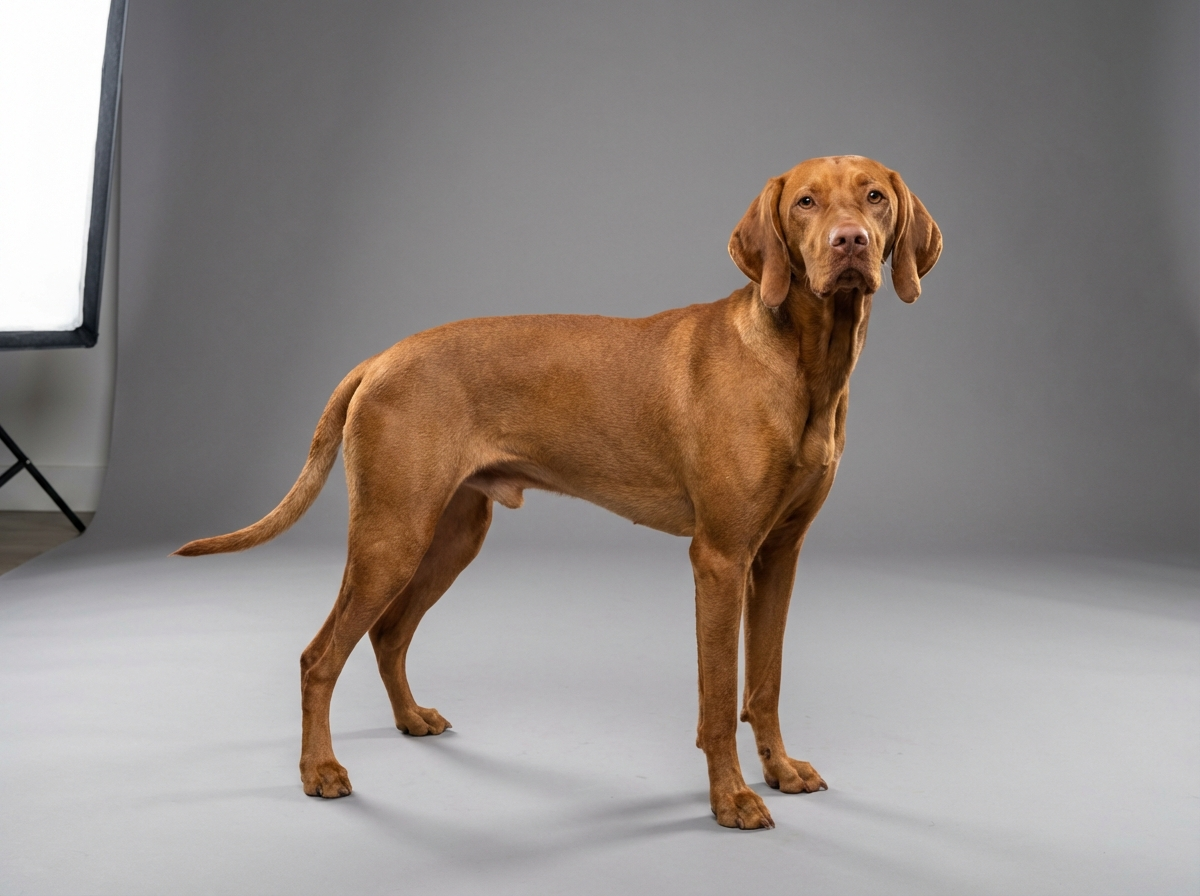
Active individuals often thrive with breeds like Border Collies, Australian Shepherds, or Vizslas. These dogs require regular exercise and mental stimulation, making them great companions for outdoor adventures. Ensure you can meet their exercise needs to keep them happy and healthy.
What is the best dog breed for elderly people?
For elderly people, breeds like the Cavalier King Charles Spaniel and Shih Tzu can be ideal. These breeds are generally gentle and have lower exercise needs, making them suitable for a calmer lifestyle. It's crucial to consider the dog's temperament and energy level when selecting a breed.
How do I choose the best dog breed for my lifestyle?
To choose the best dog breed for your lifestyle, first assess your living situation, activity level, and family dynamics. Research different breeds to find those that match your needs, considering factors like size, energy, and temperament. Using a dog breed selector quiz can also help narrow down your options.
Quick answers
View more answersWhat are the best loyal dog breeds?
Some of the best loyal dog breeds include German Shepherds, Golden Retrievers, and Rottweilers. These dogs are known for their strong attachments to their owners.
What are the best small dog mixed breeds?
Popular small mixed breeds include Poodle mixes like Cockapoos and Maltipoos. These dogs often combine the best traits of their parent breeds.
What are the top 10 best dog breeds?
The top 10 best dog breeds typically include Labrador Retrievers, German Shepherds, Golden Retrievers, and more. These breeds are favored for their temperament and adaptability.
What are the best dog breeds for families?
Some of the best dog breeds for families include Labradors, Golden Retrievers, and Beagles. These breeds are known for their friendly and gentle nature.
What is the best dog to get for a first-time owner?
The best dog for a first-time owner is often a breed like the Cavalier King Charles Spaniel or a Labrador Retriever. They are generally easy to train and have friendly temperaments.
Related DogBreedCompass guides
- dog breed guides – Explore various dog breeds to find your perfect match.
- best dog breeds – Learn about the characteristics of the top dog breeds.
- dog breed selector quiz – Find the right dog breed based on your living situation.
- dog care guides – Understand the care needs of different dog breeds.
- best dog breeds to have – Discover the pros and cons of popular dog breeds.
Important reminder
This guide is not medical advice. If your dog shows pain, sudden behavior change, or worsening symptoms, consult a licensed veterinarian.
Some links may be affiliate links. We may earn a commission at no extra cost to you. We only suggest products we believe are helpful for dog owners.
Want more tailored help?
Take the Lifestyle Match quiz to see which breeds and guides best fit your day-to-day life.
Take the quizMore guides you might like

Shih Tzu vs Yorkshire Terrier: Which Small Dog is Right for You?

Rottweiler vs Shih Tzu: Which Dog is Right for You?

Pomeranian Cost in Newark: What to Expect

Pomeranian Cost in New York City: What to Expect

Adopt a Pembroke Welsh Corgi Rescue: Your Guide

best friend dog quotes unconditional love | Best Friend Dog Quotes: Unconditional Love for Your Pup
Find your match
Not sure which breed is right for you? Take our 2-minute quiz to find out.
Take the quiz