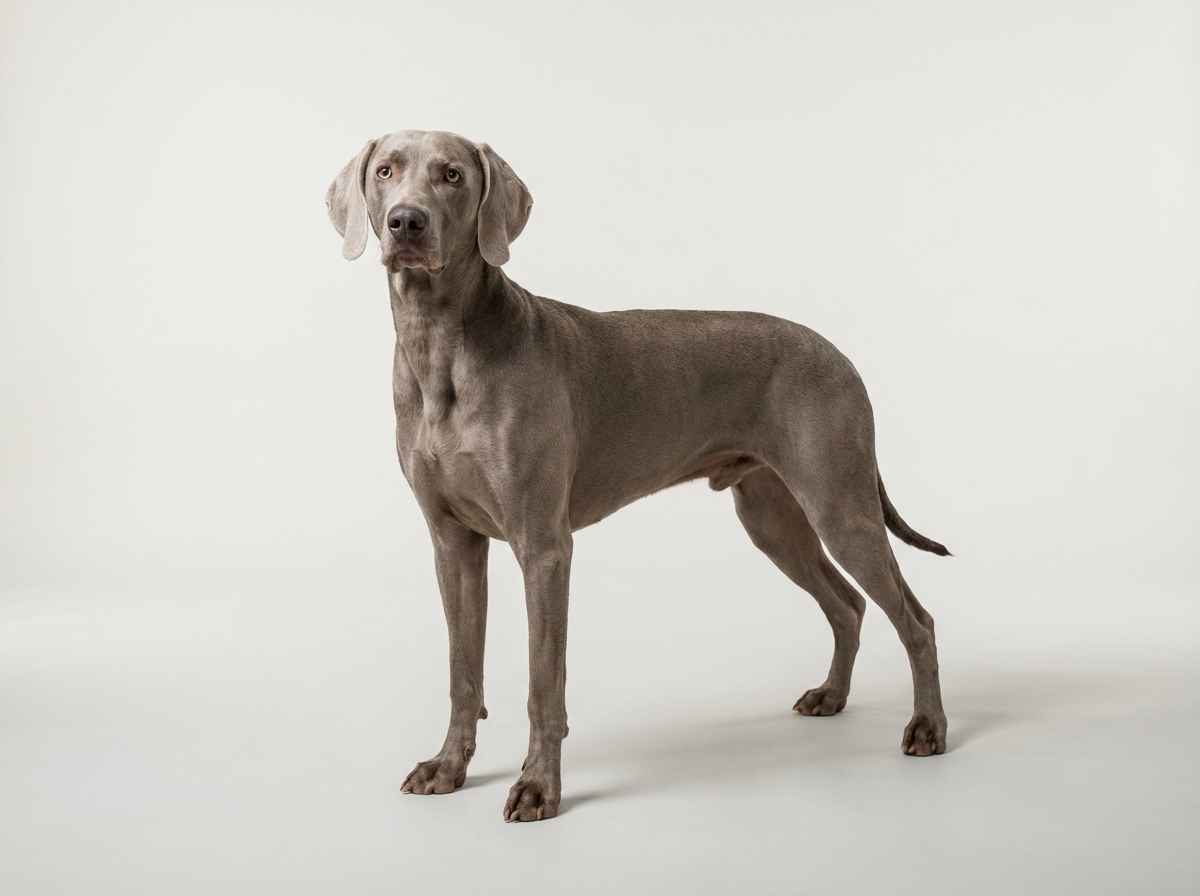
The Best Dog Breed for Home Security: Top Choices for Protection
Looking for the best dog breed for home security? This guide will help you find the perfect protector that suits your lifestyle and keeps your home safe.
Understanding the Best Dog Breed for Home Security
Choosing the best dog breed for home security is crucial for anyone looking to enhance their safety. A well-trained dog can not only deter potential intruders but also provide a sense of companionship and protection for your family. Understanding the traits that make a dog effective for security can help you make a more informed decision when selecting a breed that fits your lifestyle and home environment.
Why Home Protection Dogs Matter
Home protection dogs serve as a first line of defense against unwanted visitors. Their natural instincts, combined with training, can provide peace of mind to homeowners. Alert dogs can sense unusual activities and bark, potentially scaring off intruders before any harm occurs. This makes them valuable assets in any household, particularly for families or individuals living in areas with higher crime rates.

Traits of the Best Watchdogs for House Security
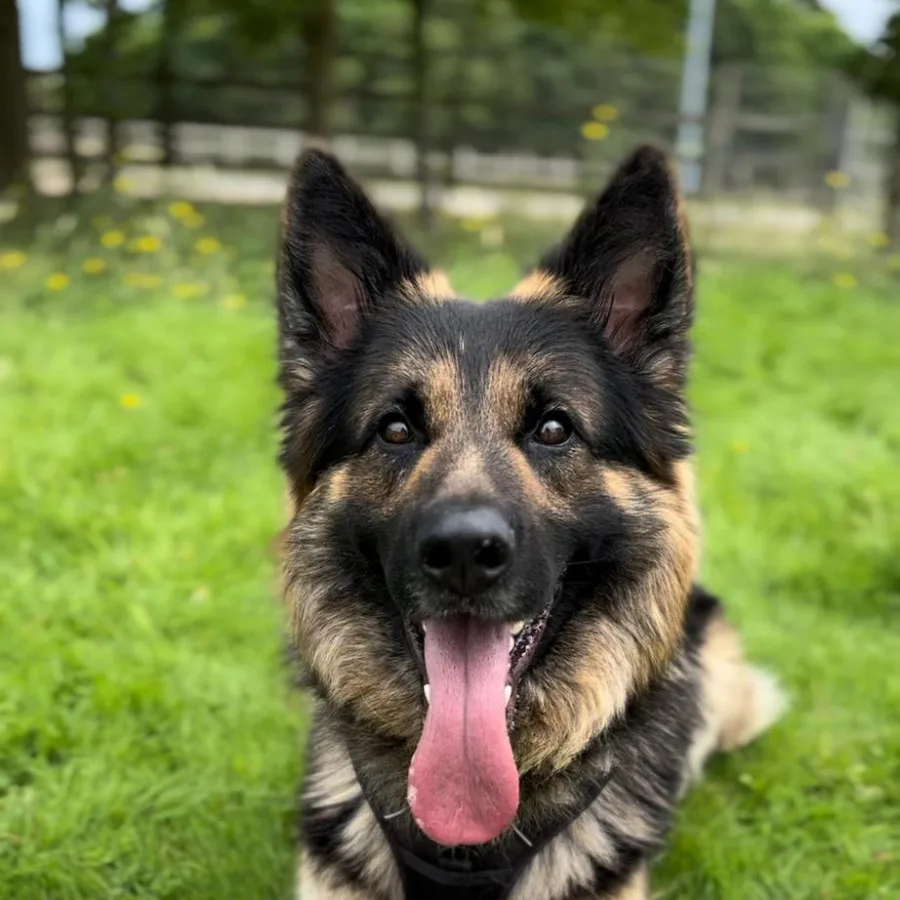
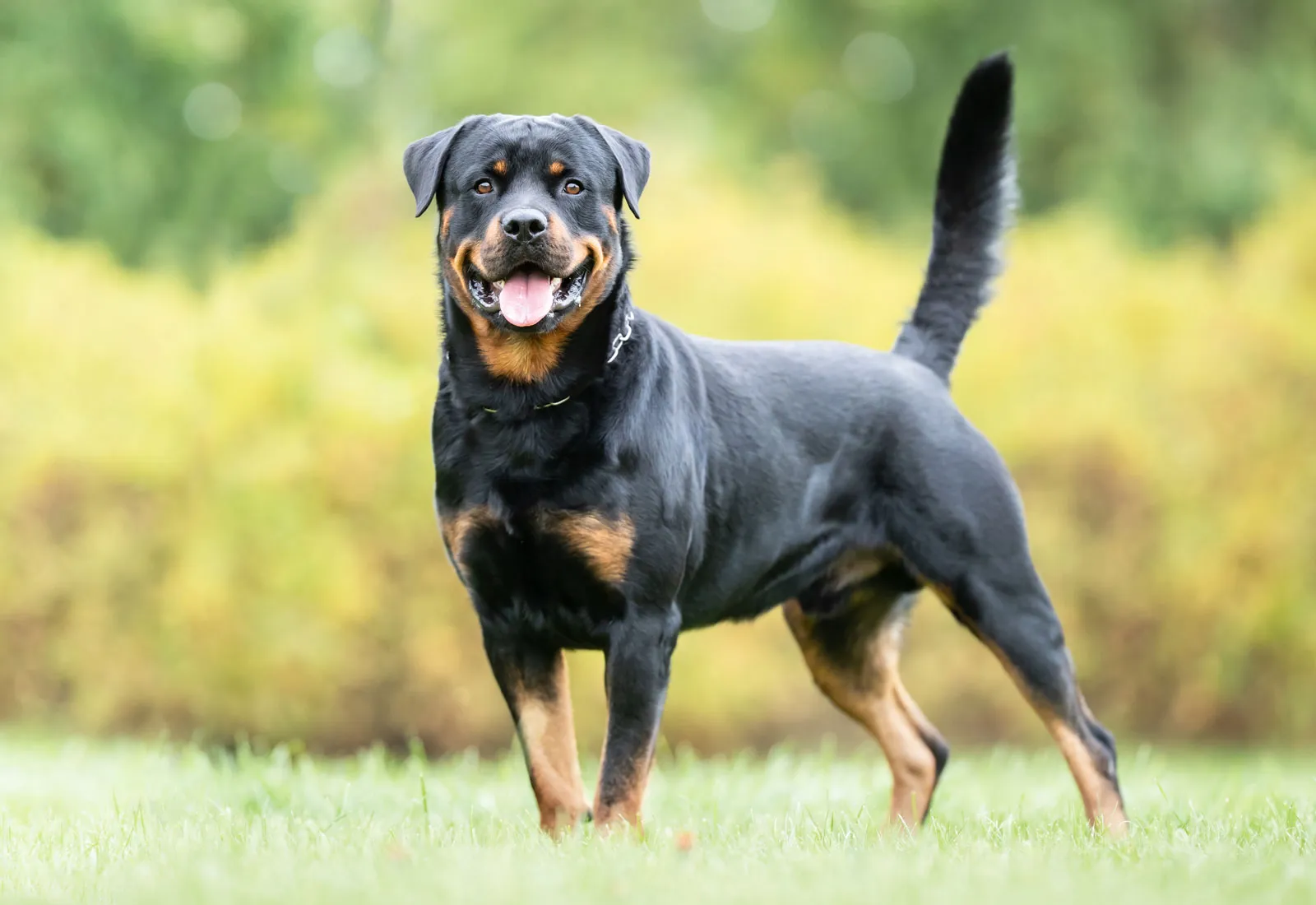
When considering the best dog breed for home security, look for breeds known for their protective instincts, loyalty, and alertness. Breeds like German Shepherds, Rottweilers, and Bullmastiffs are often highlighted as top choices. These breeds not only have the physical strength to deter threats but also the intelligence to follow commands. Additionally, they generally bond closely with their families, enhancing their protective instincts.

Factors to Consider in Choosing a Security Dog
While selecting a dog for home security, consider your living situation and lifestyle. Some breeds require more space and exercise than others. It's also essential to assess your ability to train and socialize your dog effectively. Not every breed is suitable for every owner or living environment. For example, some breeds may be too aggressive for families with small children or other pets.

Making the Right Choice for Your Family
Ultimately, the best dog breed for home security depends on your specific needs and circumstances. Take the time to research different breeds, consider their requirements, and evaluate how they will fit into your life. With the right dog, you can ensure a safer home environment while gaining a loyal companion. Remember, training is key to maximizing your dog's protective abilities.
Step-by-Step Plan to Choose the Best Dog Breed for Home Security
Finding the best dog breed for home security can enhance your safety and peace of mind. Follow these steps to choose a breed that fits your needs and lifestyle.
- Step 1: Assess Your Home Environment
- Step 2: Consider Your Lifestyle
- Step 3: Research Breeds
- Step 4: Visit Local Shelters or Breeders
- Step 5: Evaluate Temperament and Behavior
- Step 6: Prepare Your Home for a New Dog
- Step 7: Train Your Dog for Security
- Step 8: Monitor and Adjust Training as Needed
Common Mistakes When Choosing the Best Dog Breed for Home Security
Choosing the right dog for home security is critical. Yet, many owners make common mistakes that can backfire. Here are some of the most frequent pitfalls to avoid.
- Not Considering Temperament
- Ignoring Training Needs
- Underestimating Exercise Requirements
- Choosing Based on Looks Alone
- Neglecting Family Compatibility
- Overlooking Socialization
- Failing to Assess Living Environment
Common Myths About Home Security Dogs
Understanding the truth behind common myths about the best dog breed for home security can help you make an informed decision. Let's debunk some popular misconceptions.
- Myth: Any dog can be a good home security dog.
- Myth: Bigger dogs are always better for protection.
- Myth: A dog’s bark is enough to deter intruders.
- Myth: Guard dogs are aggressive by nature.
- Myth: Training a protection dog is too difficult for an average owner.
Advanced Tips for Choosing the Best Dog Breed for Home Security
When selecting the best dog breed for home security, it’s important to go beyond just breed reputation. Here are some advanced tips to enhance your choice and ensure you get a dog that not only looks the part but also effectively protects your home.
First, consider the dog's temperament alongside its size. While large breeds like Rottweilers and Bullmastiffs are known for their protective instincts, smaller breeds can also serve as effective alert dogs. A breed like the Miniature Schnauzer, for example, might be small but is known for its loud bark and alertness to strange noises, making it a good deterrent dog.
Second, train your dog for specific security tasks. Basic obedience training is crucial, but advanced training can elevate your dog's ability to safeguard your home. Techniques like scent detection can help your dog identify unfamiliar scents, which can be useful for detecting intruders. Furthermore, teaching your dog to bark on command can ensure they alert you when someone approaches your home.
Third, assess the dog's energy level and your lifestyle. High-energy breeds may require more exercise and stimulation. If you're busy, consider a breed that is known for being more laid-back but still protective, such as a Bullmastiff. This will help you maintain a balance between a protective companion and a manageable pet.
Finally, think about your home environment. If you live in an apartment, a smaller or less vocal breed may be more appropriate. For those with larger properties, breeds like German Shepherds can offer superior protection and presence. Understanding your living situation can greatly influence your choice of the best watchdog for your house.
In essence, the best dog breed for home security isn't solely based on breed traits. It's a combination of training, temperament, energy levels, and the specific needs of your home. By considering these factors, you can select a dog that not only guards your property but also fits seamlessly into your lifestyle.

Insider Secrets for Choosing the Best Dog Breed for Home Security
When selecting the best dog breed for home security, consider these insider secrets that can make a significant difference in your choice and the effectiveness of your home protection.
- Temperament Matters: Look for breeds that naturally exhibit protective instincts, such as the German Shepherd or Rottweiler. Their loyalty and alertness can provide both a deterrent and a sense of security.
- Early Socialization is Key: Start socializing your dog early to ensure they can differentiate between a friend and a foe. This helps prevent unnecessary aggression while still maintaining alertness.
- Training is Essential: Invest time in training your dog in obedience and protection commands. A well-trained dog is not only more effective as a watchdog but also easier to manage in various situations.
- Size Isn’t Everything: While larger breeds may seem like the best watchdogs, many smaller breeds like the Dachshund can also be effective deterrents due to their loud barking and alert nature.
- Health and Lifespan: Consider the long-term health and lifespan of a breed. Some breeds may require more veterinary care, which can affect ownership costs over time.
Checklist for Choosing the Best Dog Breed for Home Security
Use this practical checklist to find the best dog breed for home security. This will help you ensure that your new furry friend will effectively protect your home while being a good fit for your lifestyle.
- Evaluate your living situation: Consider your home size, yard space, and neighborhood.
- Research breeds known for protection: Look into German Shepherds, Rottweilers, and Bullmastiffs.
- Assess your activity level: Choose a breed that matches your lifestyle for training and exercise needs.
- Determine your experience level: Some breeds require more training and socialization.
- Consider the dog's temperament: Look for alertness, loyalty, and a protective nature.
- Check local regulations: Be aware of any breed restrictions in your area.
- Plan for training: Invest time in obedience training and socialization classes.
- Evaluate costs: Factor in food, vet bills, and training expenses.
- Consider family dynamics: Ensure the breed is good with children and other pets.
- Prepare for the dog's needs: Create a safe environment and provide necessary supplies.
Frequently asked questions
What dog is best for home defense?
The best dog breed for home security often includes German Shepherds, Rottweilers, and Bullmastiffs. These breeds are known for their protective instincts and can be great deterrents against intruders. Additionally, they are typically loyal and form strong bonds with their families.
Do barking dogs deter burglars?
Yes, barking dogs can deter burglars since loud noises draw attention. Many potential intruders may think twice before entering a home where a dog is present. However, not all barking is effective; the breed's size and temperament play a significant role.
Best guard dog for first time owners?
For first-time owners, breeds like Labrador Retrievers or Boxers can be excellent choices. They are friendly yet protective, making them great companions while still alert to potential threats. Training and socialization are essential to ensure they know how to respond to various situations.
What qualities should a dog have for home protection?
A good home protection dog should be alert, loyal, and trainable. They should also have a natural instinct to protect their family and territory. Socialization from a young age is vital to ensure they can differentiate between friends and potential threats.
Are small dogs effective for home security?
While small dogs might not physically intimidate intruders, they can be effective watchdogs. Breeds like Chihuahuas and Dachshunds are often very vocal and alert their owners to any unusual activity. Their size might limit their protection ability, but their alertness can still be a deterrent.
What characteristics should I look for in a home protection dog?
When looking for the best dog breed for home security, consider traits like loyalty, size, and temperament. Breeds that are naturally protective, alert, and trainable are ideal. Also, ensure they are good with your family and can differentiate between normal and threatening situations.
Can small dogs be effective as alert dogs?
Yes, small dogs can be effective alert dogs despite their size. Breeds like Chihuahuas or Dachshunds are known for their barking tendencies, which can alert you to intruders. However, they may not deter threats physically like larger breeds.
Are there any breeds that are particularly good for first-time dog owners?
Certain breeds like Labrador Retrievers and Golden Retrievers can be great for first-time owners looking for home security. They are generally friendly, easy to train, and have protective instincts. However, you still need to train and socialize them properly for security purposes.
How do I train my dog for home security?
Training your dog for home security involves teaching commands like 'stay,' 'guard,' and 'alert.' Positive reinforcement methods work best. Consistency in training and exposing them to various situations will help them respond appropriately to potential threats.
Do barking dogs really deter burglars?
Yes, barking dogs can deter burglars as they make noise that attracts attention. An alert dog barking can signal to potential intruders that the home is occupied and may discourage them from attempting a break-in. However, the effectiveness also depends on the dog's size and demeanor.
What are some of the best watchdogs for house security?
Some of the best watchdogs for house security include breeds like German Shepherds, Rottweilers, and Bullmastiffs. These breeds are known for their protective nature and loyalty. They can be trained to alert their owners to any unusual activity around the home.
How do I choose the right breed for my home's security needs?
Choosing the right breed for home security depends on your living situation, lifestyle, and family dynamics. Consider factors like your home's size, whether you have children, and how much time you can dedicate to training. Researching breed characteristics will help you make an informed decision.