Finding the Best Dog Breed for Apartments
Living in an apartment doesn't mean you can't have a great dog. This guide will help you find the best dog breed for apartments that fits your space and lifestyle.
Finding the Best Dog Breed for Apartments
Choosing the best dog breed for apartments is crucial for both your lifestyle and your pet's happiness. Not all dogs thrive in small spaces, so it's essential to pick a breed that suits your living situation. This guide will help you understand which breeds can flourish in an apartment setting, focusing on their energy levels, size, and temperament.
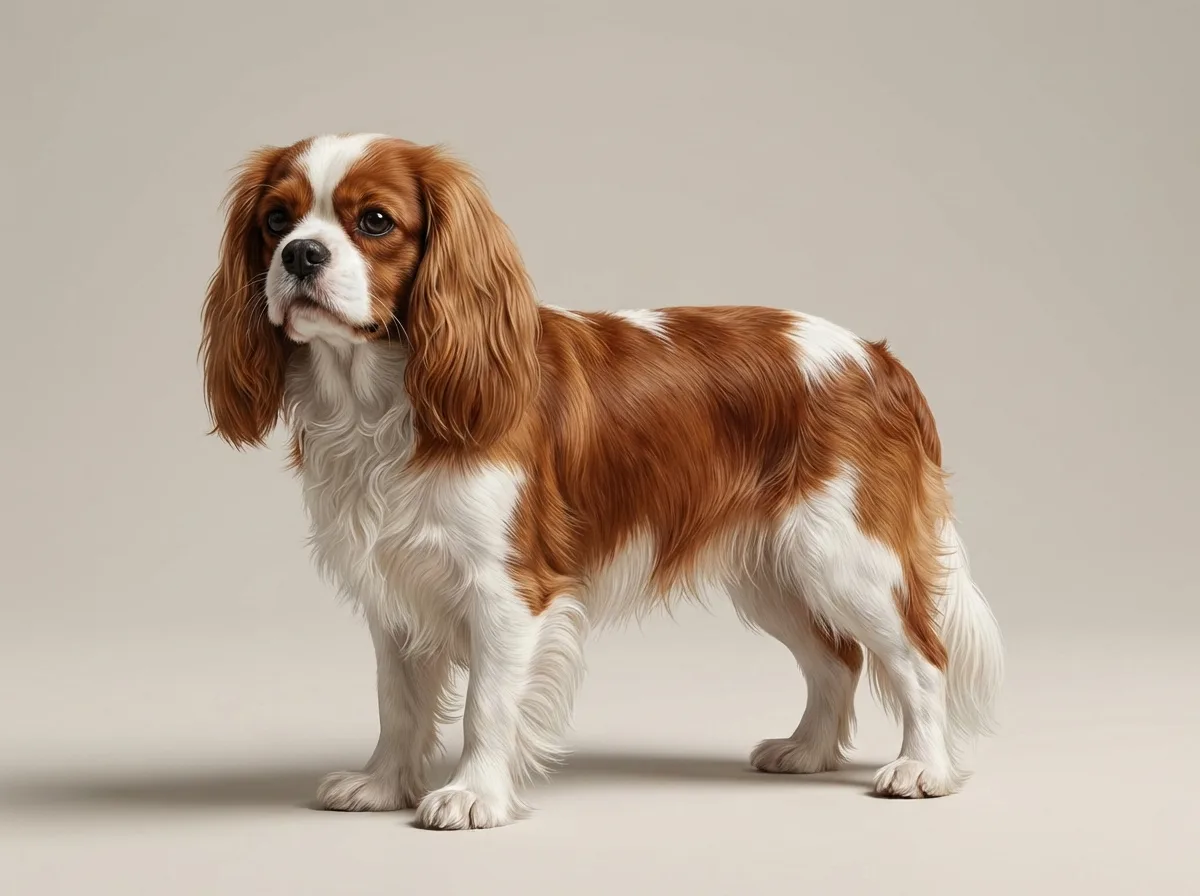
When selecting a dog for an apartment, consider factors like exercise needs, noise levels, and adaptability. Some breeds are naturally more suited to smaller living spaces due to their calm demeanor and lower exercise requirements. For example, breeds like the Cavalier King Charles Spaniel and Havanese are known for their friendly nature and moderate energy levels. These dogs can be great companions without overwhelming your living space.
It's also important to think about your own lifestyle. If you're away from home often or have a busy schedule, you might want to look for breeds that are more independent or less prone to separation anxiety. On the other hand, if you're home often and can dedicate time to walks and play, you can consider slightly more energetic breeds that still adapt well to apartment life.
Additionally, some dog breeds are quieter and less likely to disturb neighbors, making them ideal for apartment living. Breeds like the Boston Terrier are known for their friendly yet laid-back attitude, which can be a perfect match for a condo lifestyle. Understanding these dynamics will help you make an informed choice about which dog best fits your apartment living.
In this guide, you will learn about the top apartment dogs, their characteristics, and what makes them suitable for small spaces. We will also cover the importance of training and socialization, which can help your dog adjust to life in an apartment. By the end of this guide, you’ll be equipped with the knowledge to choose a breed that fits seamlessly into your apartment home.
Whether you are a first-time dog owner or looking to add a furry friend to your family, the right breed can make all the difference in your shared living experience. The joy of having a dog can be immense, but choosing the right one is key to ensuring a happy life for both you and your new companion. Let's dive into the specifics of the best dog breeds for apartments and how to make the best choice for your living situation.
Step-by-Step Plan for Choosing the Best Dog Breed for Apartments
Finding the best dog breed for apartments can be a rewarding journey. Follow these steps to help you choose the right furry friend for your living space.
- 1. Assess Your Apartment Size and Layout
- 2. Consider Your Lifestyle and Activity Level
- 3. Research Dog Breeds
- 4. Visit Local Shelters or Breeders
- 5. Meet Potential Dogs
- 6. Prepare Your Home
- 7. Plan for Training and Socialization
- 8. Bring Your New Dog Home
Common Mistakes When Choosing the Best Dog Breed for Apartments
Selecting the right dog breed for apartment living involves careful consideration. Here are some common mistakes to avoid that can lead to frustration for both you and your dog.
- Overlooking exercise needs: Many people think smaller dogs require less exercise. However, breeds like Boston Terriers or Havanese still need regular walks and playtime. Neglecting this can lead to pent-up energy and destructive behavior.
- Ignoring noise levels: Living in close quarters means noise can be a big issue. Some breeds are naturally more vocal, which can disturb neighbors. Cavalier King Charles Spaniels, for example, may bark if bored or anxious, causing stress for everyone.
- Neglecting size considerations: Just because a dog fits in your apartment doesn't mean they're a good fit for your lifestyle. Larger breeds may feel cramped and become anxious. Consider how much space you have for your dog to move around comfortably.
- Focusing only on looks: It's easy to be swayed by a dog's appearance, but personality matters too. A beautiful dog might not be the best fit if they're high-energy and need a lot of space to run.
- Underestimating grooming requirements: Some breeds require extensive grooming, which can be challenging in an apartment setting. Be prepared for the upkeep and ensure you have the time and resources to manage it.
- Not considering your schedule: If you work long hours, a breed that requires constant attention might not be suitable. Research breeds known for being independent and low-maintenance, especially if you’re away often.
- Failing to train properly: Training is essential, even for apartment-friendly breeds. A lack of training can lead to behavioral issues, making living conditions uncomfortable for both you and your dog.
Common Myths About the Best Dog Breeds for Apartments
Let’s debunk some common myths about the best dog breed for apartments. Understanding the truth can help you choose the right furry friend for your living space.
- Myth 1: All small dogs are great for apartments.
- Myth 2: Dogs need a yard to be happy.
- Myth 3: Apartment dogs don’t need exercise.
- Myth 4: Any breed can adapt to apartment living.
- Myth 5: Dogs are too noisy for apartment living.
Advanced Tips for Choosing the Best Dog Breed for Apartments
If you’re ready to dive deeper into choosing the best dog breed for apartments, here are some advanced tips to consider. These will help you refine your search and ensure you find the perfect companion for your living situation.
- Consider breed-specific traits: Research the unique characteristics of breeds that are known to thrive in apartments. Some breeds have lower energy levels and are more adaptable to smaller spaces.
- Look into temperament compatibility: Not all dogs are suited for close quarters. Focus on breeds that are naturally calm and friendly, as they tend to handle apartment living better.
- Evaluate noise levels: Some breeds are naturally quieter than others. If your building has thin walls, consider breeds known for being quieter to keep peace with neighbors.
- Assess exercise needs: Choose a breed with exercise requirements that match your lifestyle. Breeds that are content with short daily walks may be better suited for apartment life.
- Think about grooming needs: Smaller breeds often require less space and can be easier to groom in an apartment setting. Research their grooming requirements ahead of time.
Insider Secrets for Choosing the Best Dog Breed for Apartments
Finding the best dog breed for apartments involves more than just size. Here are some insider secrets that can help you make a wise decision.
- Consider the dog's noise level: Some breeds are known for being quieter than others, which is crucial in an apartment setting. Breeds like the Cavalier King Charles Spaniel are often more serene and less likely to disturb neighbors.
- Research energy levels: While it might seem like smaller dogs are less active, many small breeds are high-energy. Look for breeds like the Havanese that can adapt their energy to indoor play, making them ideal for small living spaces.
- Training is key: Breeds that are easier to train can help prevent behavioral issues in confined spaces. For instance, Boston Terriers are known for being responsive and eager to please, making them more manageable in an apartment.
- Socialization matters: Some dogs thrive in social environments, while others prefer solitude. If you're often out or live in a busy area, consider breeds that adapt well to these situations, like Shih Tzus or French Bulldogs.
- Grooming needs can affect your choice: Breeds with less shedding and lower grooming requirements, like the Havanese, are often better suited for apartments. This can save you time and hassle in maintaining a clean living space.
Checklist for Choosing the Best Dog Breed for Apartments
Use this checklist to find the best dog breed for your apartment. It covers essential factors to consider when selecting a pet that fits your lifestyle and living space.
- Consider your lifestyle: Are you active or more laid-back?
- Evaluate your space: How much room do you have for a dog?
- Research breeds: Look for low-energy or smaller breeds.
- Check noise levels: Are you in a quiet building or a busy area?
- Plan for exercise: How will you ensure your dog gets enough activity?
- Think about grooming needs: Will you have time and resources for grooming?
- Explore training options: Are you prepared for training sessions?
- Visit local shelters: Many apartment-friendly dogs need homes.
- Assess allergies: Are you or family members allergic to dog fur?
- Consider your schedule: Will you be home enough to care for a dog?
Frequently asked questions
Which dog is happiest in an apartment?
The best dog breed for apartments often includes smaller, more adaptable breeds. Dogs like the Cavalier King Charles Spaniel and Havanese thrive in smaller spaces due to their friendly and calm demeanor. These breeds are generally happy with moderate exercise and enjoy spending time indoors.
Best low energy apartment dogs?
If you're looking for low energy dogs for small flats, consider breeds like the French Bulldog or the Shih Tzu. These dogs are known for their laid-back personalities and can be satisfied with short walks and indoor playtime. They adapt well to apartment life and are often quite affectionate.
Are there quiet dogs for apartments?
Yes, many breeds are known for being quiet and well-suited for apartment living. The Boston Terrier and the Bichon Frise are examples of breeds that tend to be calm and less vocal. These dogs can thrive in smaller spaces without disturbing neighbors.
What are some top apartment dogs?
Top apartment dogs typically include breeds like the Cavalier King Charles Spaniel, Havanese, and Pug. These breeds are small, adaptable, and have a friendly disposition, making them great companions for city living. They usually need less space to roam and enjoy spending time with their owners.
What dog breeds are best for condo living?
The best dog breed for apartments also applies to condo living. Breeds like the French Bulldog and Dachshund are fantastic choices due to their size and temperament. They can thrive in compact spaces and usually require less exercise than larger breeds.
Which dog breeds are best for very small apartments?
For very small apartments, consider breeds like the French Bulldog, Pug, or Dachshund. These dogs are typically more adaptable to limited space and require less exercise than larger breeds. They can thrive in cozy environments as long as they receive affection and some playtime.
What is the best dog breed for someone who works long hours?
If you work long hours, look for independent breeds like the Shiba Inu or Basenji. These dogs can manage alone better than others and are often content with a good chew toy or a cozy spot to nap. However, it's important to ensure they have enough mental stimulation and exercise when you're home.
Are there hypoallergenic dogs that are good for apartments?
Yes, hypoallergenic breeds like the Poodle and Bichon Frise can be great for apartments. These dogs tend to shed less and produce fewer allergens, making them suitable for allergy sufferers. They also adapt well to indoor living, provided they get regular walks.
What are some tips for keeping a dog in an apartment?
To keep a dog happy in an apartment, ensure they get plenty of exercise and mental stimulation. Daily walks, playtime, and interactive toys can help. Additionally, consider setting up a designated space for them to relax and a routine that includes bathroom breaks outside.
How do I choose the right dog for my lifestyle in an apartment?
To choose the right dog for your apartment lifestyle, consider your activity level and how much time you can dedicate to exercise and companionship. Look for breeds that align with your daily routine, such as low-energy dogs if you prefer a quieter home. Also, think about the dog's size and grooming needs.
Are there any specific training tips for dogs in apartments?
Training is essential for dogs in apartments to minimize noise and ensure good behavior. Focus on commands like 'quiet' and 'stay', and use positive reinforcement to encourage calm behavior. Socializing your dog early can also help them adjust to living in close quarters with neighbors.
Can I crate train my dog in an apartment?
Yes, crate training can be very effective in an apartment setting. A crate provides a safe space for your dog and can help with house training. Just be sure to introduce the crate positively and avoid keeping your dog confined for too long, especially if they are young or not accustomed to it.