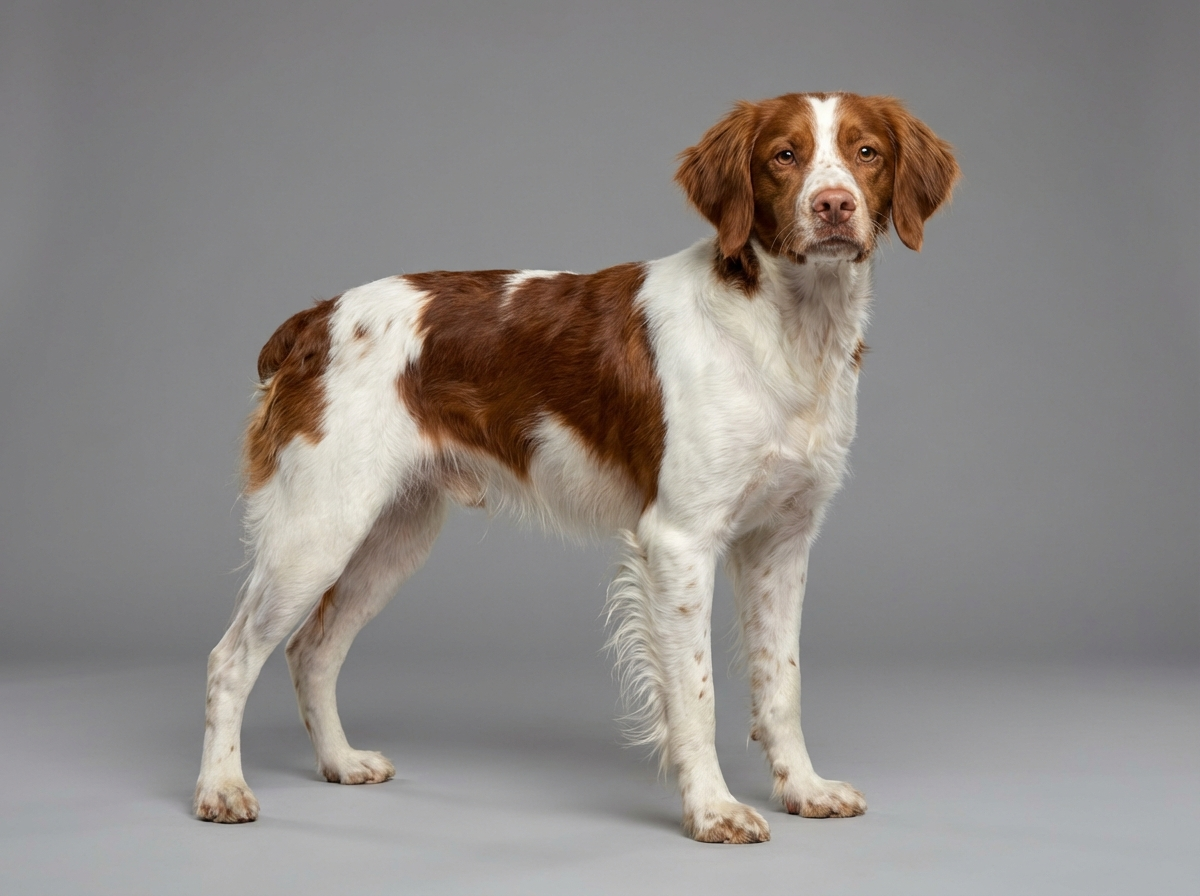
Costs
Brittany cost in Milwaukee
About $75–$142/month, $1,100–$1,970 for year one — below average, with genuine upland hunting access and a compressed spring shed to manage.

See Brittany price across all cities →
Quick answer
Brittany cost in Milwaukee
About $75–$142/month, $1,100–$1,970 for year one — below average, with genuine upland hunting access and a compressed spring shed to manage.
A Brittany Spaniel in Milwaukee costs about $75–$142 a month, with the first year around $1,100–$1,970 — below the national average, in a state with genuine upland hunting and one seasonal grooming quirk worth knowing.

Budget mentally for two different scenarios with this breed: the gradual kind (epilepsy or a heart murmur, both documented, needing years of management) and the sudden kind (bloat, a true surgical emergency with no warning signs).
These figures adjust the Brittany's typical national cost range down for Milwaukee's below-average market, with a shortened parasite season from the lake-effect climate and grooming priced slightly up for the concentrated spring shed.
Estimate · source: estimation · confidence: medium · updated 2026-09-05 · not a quote
| Item | Cost range |
|---|---|
One-time setup (initial vet visit, spay/neuter, gear) Covers the first exam, vaccinations, spay/neuter if needed, and basic gear — priced at Milwaukee's generally affordable rates. | $245 - $415 |
| Item | Cost range |
|---|---|
Food Below the national average, consistent with Wisconsin's generally lower price level. | $33 - $54 |
Grooming Averaged across the year, but spring sees a modest spike given the lake-effect climate's compressed shedding window. | $8 - $17 |
Flea & tick prevention One of the shorter active seasons this site covers — Milwaukee's lake-effect winters delay the season's start noticeably. | $7 - $14 |
Each range starts from a national baseline for this breed's size class and is then adjusted for local cost of living and veterinary pricing. The baselines, and the source each one came from, are listed on our sources page (dataset 2026.09). Two inputs, the purchase price and the emergency reserve, have no published national figure we could verify, so we leave them to you rather than invent them.
These are planning estimates, not quotes. Your own numbers will move with the individual dog, your vet and your insurer. Build a budget with your own figures.
For a Brittany in Milwaukee, insurance is especially worth taking seriously given the breed's documented epilepsy, heart murmur and bloat risk, even though the local vet market itself runs at a below-average, unremarkable level.
Given how commonly epilepsy and heart murmurs affect this breed, insurance purchased while the dog is young and healthy is one of the higher-value purchases an owner of this breed can make anywhere.
For owners who'd rather self-insure, the key is having the reserve actually set aside and untouched — not just a hypothetical willingness to cover a bill if one comes up.
Milwaukee already starts from a lower cost base than most cities on this site; the real seasonal lever here is stepping up brushing before the lake-effect thaw arrives.
Wisconsin supports genuine ruffed grouse and pheasant hunting seasons, and a Brittany's versatile pointing instincts find real purpose in both the state's northern forests and its more open farmland, a useful outlet for this breed's documented separation-anxiety tendency.
Lake Michigan's moderating effect on Milwaukee's weather delays spring's arrival compared with an inland city at the same latitude, and when winter finally releases its grip, the transition can happen abruptly. For this breed's moderate coat, that compressed seasonal shift means its lighter seasonal shed arrives in a shorter window than a milder-transitioning climate produces, worth stepping up brushing for during that specific stretch.
Wisconsin's below-national-average general cost of living helps offset routine costs, and the lake-effect winters that delay spring also shorten the flea-and-tick season versus a southern city.

A Milwaukee Brittany owner joined a local upland hunting club after struggling with the dog's anxiety-driven restlessness, and regular fall outings gave the dog a genuine seasonal outlet. The following spring, the owner was caught off guard by how quickly the lake-effect thaw brought on a concentrated shed, but doubling brushing frequency for a few weeks kept it manageable without a professional grooming visit.
Key takeaway: Milwaukee offers this breed real seasonal rhythms worth planning around — genuine fall hunting access for anxiety management, and a concentrated spring shed that rewards proactive brushing.
About $75–$142, below the national average, consistent with Wisconsin's generally lower cost of living.
Roughly $1,100–$1,970, including the initial vet exam, spay/neuter if needed, and gear on top of ongoing monthly costs.
Genuinely, yes — the state supports real ruffed grouse and pheasant hunting across both its northern forests and open farmland, giving this breed genuine access to its working purpose.
Modestly — the lake-effect pattern delays and compresses spring's arrival, meaning this breed's lighter seasonal shed happens in a shorter window, worth stepping up brushing for during that specific stretch.
Worth pricing out given the breed's documented epilepsy, heart murmur and bloat risk, bought while the dog is young and before anything is on record.
Around $460 covers a typical significant vet visit in this market, reflecting Milwaukee's below-national-average general pricing.
About $75–$142/month, $1,100–$1,970 for year one — below average, with genuine upland hunting access and a compressed spring shed to manage.
This guide is not medical advice. If your dog shows pain, sudden behavior change, or worsening symptoms, consult a licensed veterinarian.
Some links may be affiliate links. We may earn a commission at no extra cost to you. We only suggest products we believe are helpful for dog owners.
We research and check what we publish, but we do not warrant that any figure, date, price, or statement is accurate, complete, or current, and we accept no liability for any loss, cost, injury, or other harm arising from the use of this site. Use it as one reference among several. You remain responsible for your own decisions and for your dog's care - confirm anything that matters with a licensed veterinarian or another qualified professional before you act on it. Full disclaimer.
One sheet with every line item, the emergency fund and when insurance pays off - unlocks on this page.
You get: 12-month budget sheet
No spam. One-click unsubscribe. See our privacy policy.
Preview page 1 before you decide.