Shih Tzu Small Nostrils (Stenotic Nares): Causes and Solutions
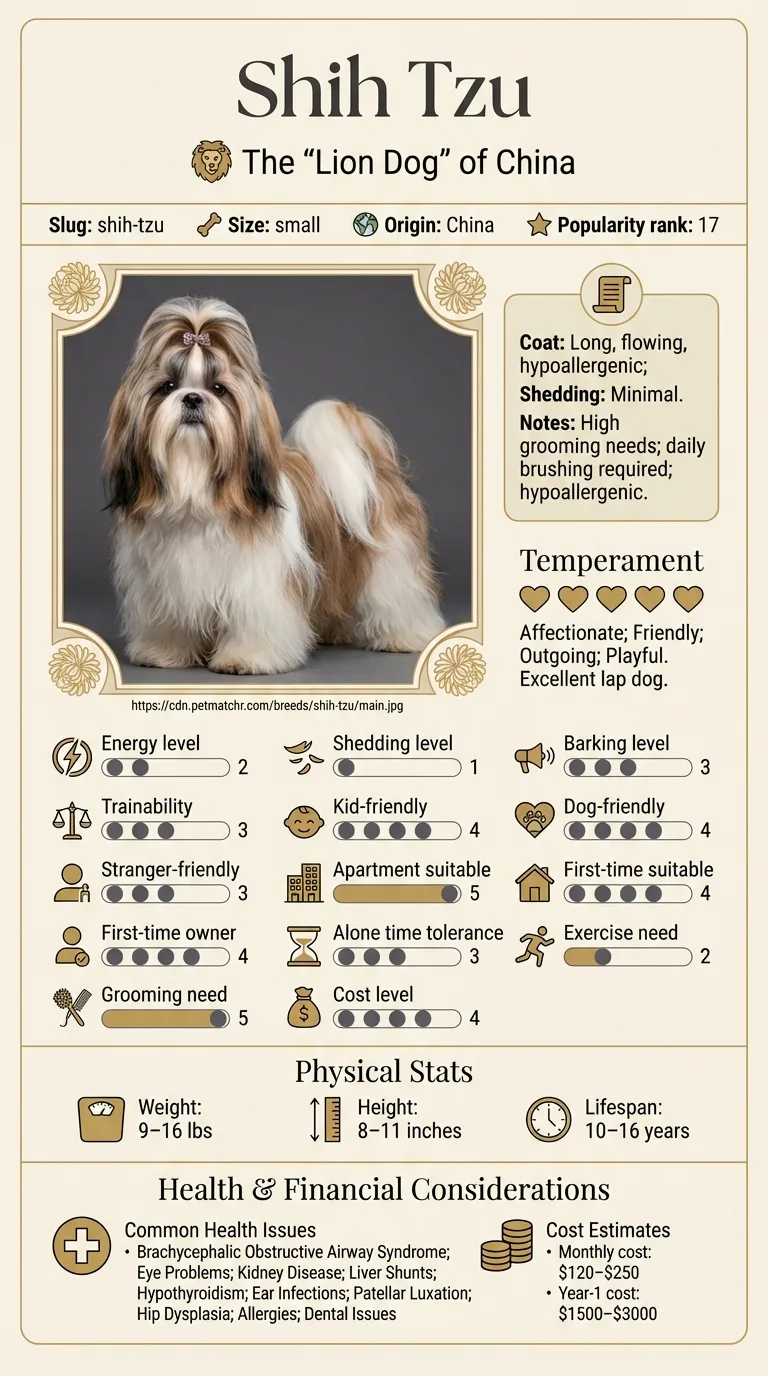
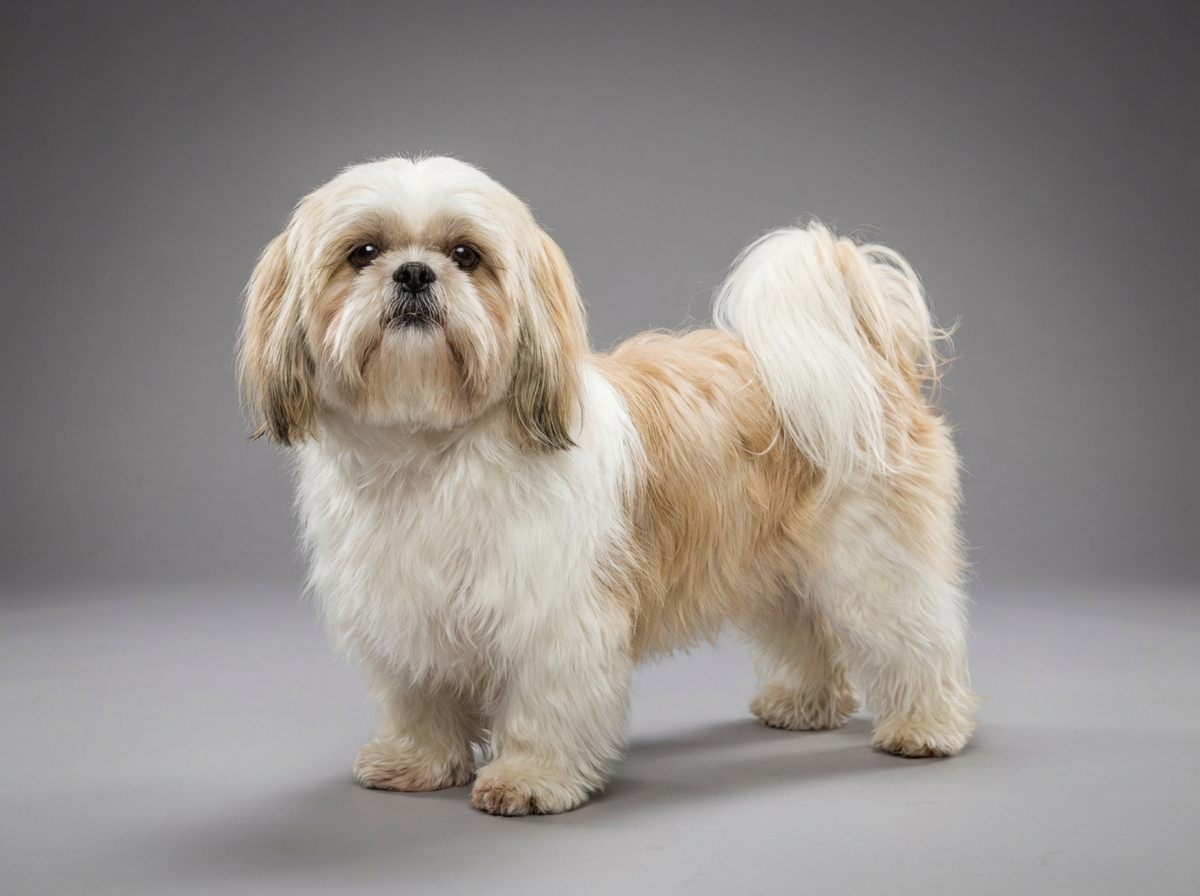
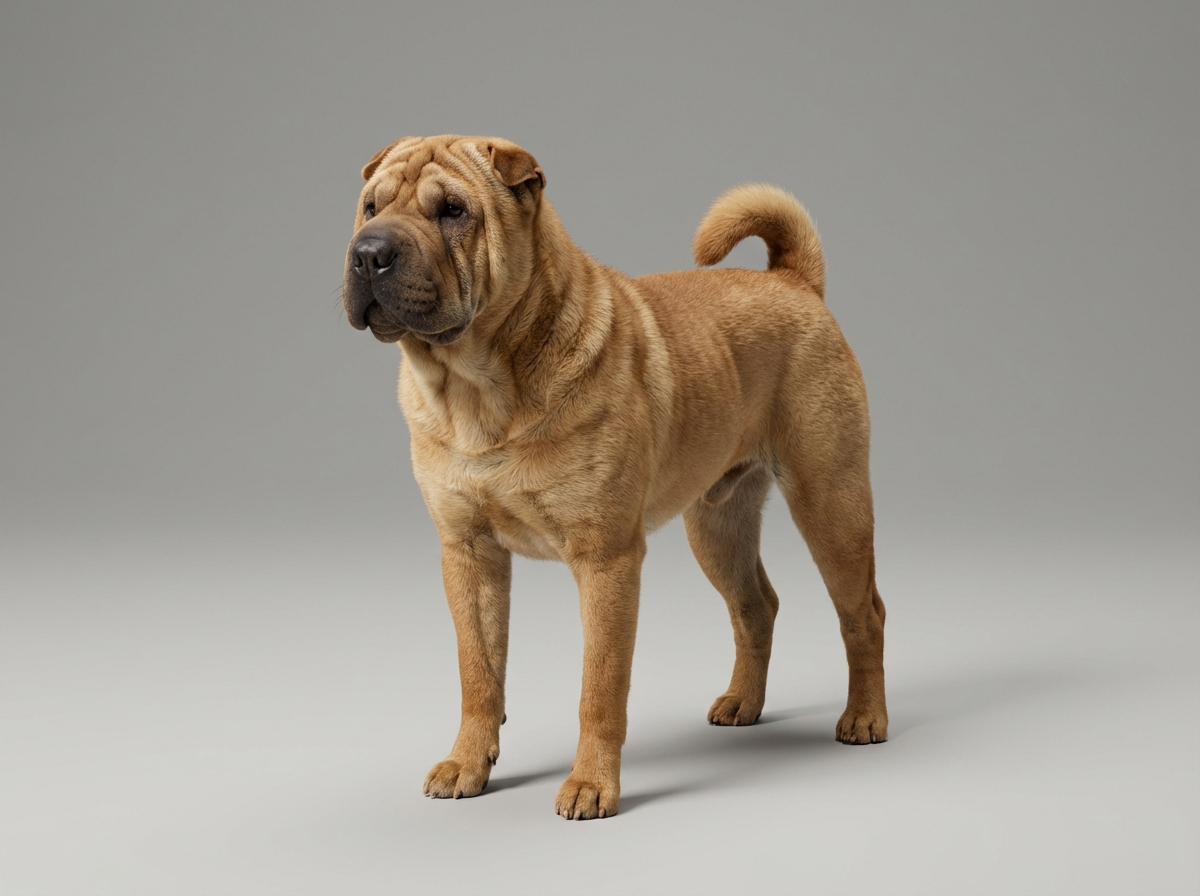
Shih Tzus often face the challenge of small nostrils, also known as stenotic nares, which can lead to breathing issues. (Shih Tzu small nostrils (stenotic nares))
Owners of Shih Tzus, especially first-time pet parents, often struggle with recognizing and managing this issue. Those living in warmer climates or with active lifestyles may notice these breathing difficulties more frequently.
Important reminder
This guide is not medical advice. If your dog shows pain, sudden behavior change, or worsening symptoms, consult a licensed veterinarian.
Some links may be affiliate links. We may earn a commission at no extra cost to you. We only suggest products we believe are helpful for dog owners.
What this problem looks like
Shih Tzus with small nostrils, known as stenotic nares, often struggle with breathing. This condition can lead to noisy breathing, snorting, or even coughing. Daily activities like playing or exercising can become challenging, and they might get tired more quickly than other dogs.
Common triggers
Hot weather, which can make breathing harder.
Excitement or stress, leading to increased panting.
Physical exertion, like running or playing fetch.
Stenotic nares are quite common in Shih Tzus due to their brachycephalic (short-nosed) structure. Many owners report that their dogs experience some level of breathing difficulty, especially in warmer climates or during vigorous activities.
Why this happens
Breed factors
Shih Tzus are brachycephalic, meaning they have short snouts. This breed characteristic can lead to smaller nostrils, known as stenotic nares. These small nostrils can restrict airflow, making breathing more difficult.
Environment factors
Environmental factors, such as heat and humidity, can exacerbate breathing issues in Shih Tzus. Stressful situations, like loud noises or crowded places, can also cause anxiety, leading to rapid breathing and discomfort.
What you can try
At-home strategies
Create a calm environment by minimizing loud noises and sudden movements. This can help reduce anxiety during stressful times.
Encourage your Shih Tzu to take slow, deep breaths. You can do this by calming them with gentle petting while speaking softly.
Ensure your dog stays cool, especially in summer. Avoid walks during the hottest parts of the day and provide plenty of fresh water.
When to consider a trainer
If your Shih Tzu shows persistent breathing difficulties or anxiety, consider seeking help from a professional trainer. A trainer can provide specialized strategies to ease anxiety and improve your dog's comfort.
When to talk to your vet
If you notice severe breathing issues, such as wheezing or excessive panting, contact your vet. They can assess your Shih Tzu's condition and recommend treatments, which may include surgical options for severe stenotic nares.
Realistic expectations
You can expect noticeable improvements in your Shih Tzu's breathing within a few weeks of consistent training and care.
Success means your Shih Tzu breathes more easily, shows increased energy during playtime, and exhibits less anxiety during activities.
Mistakes that make this worse
Avoiding certain behaviors is crucial when managing your Shih Tzu's small nostrils (stenotic nares). Here are some common mistakes that can unintentionally worsen the issue, along with safer alternatives.
Ignoring symptoms: Some owners may overlook signs of breathing difficulties. Instead, pay attention to any wheezing or excessive panting, and consult your vet promptly.
Over-exercising your dog: While exercise is important, too much can strain your Shih Tzu's breathing. Opt for shorter, more frequent walks instead of long, intense sessions.
Using harsh training methods: Training your dog with fear tactics can increase anxiety and worsen breathing issues. Use positive reinforcement techniques to encourage good behavior.
Not maintaining a healthy weight: Extra pounds can put pressure on the respiratory system. Keep your Shih Tzu at a healthy weight with a balanced diet and regular exercise.
Neglecting vet check-ups: Regular health checks are essential for monitoring your dog's breathing and overall health. Schedule visits to catch any potential issues early.
Forgetting to use a harness: Collars can put pressure on a dog's throat, worsening breathing problems. Use a harness instead to reduce strain during walks.
When Shih Tzu Small Nostrils (Stenotic Nares) is an Emergency
Knowing when your Shih Tzu's small nostrils (stenotic nares) require immediate veterinary attention is crucial. There are certain red flags that indicate a need for urgent care. If your Shih Tzu is struggling to breathe, has blue-tinged gums, or shows signs of extreme distress, you should call your vet right away.
Additionally, if your dog is excessively panting, coughing, or seems lethargic, these symptoms can indicate serious breathing problems. These situations can worsen quickly, so don’t hesitate to seek help. On the other hand, if your Shih Tzu exhibits minor signs of discomfort, such as occasional snorting or mild snoring, you may monitor their condition at home.
In these milder cases, create a plan to observe their behavior. Keep track of any changes in their breathing patterns or activity levels. Regular check-ups with your vet can help manage the condition and improve quality of life. This way, you can ensure that your furry friend stays comfortable and healthy without unnecessary stress.

Shih Tzu Small Nostrils (Stenotic Nares): Causes and Solutions - When Shih Tzu Small Nostrils (Stenotic Nares) is an Emergency
Maggie's Journey to Better Breathing
Maggie, a busy nurse in Chicago, adopted a Shih Tzu named Bella. Soon after bringing her home, Maggie noticed that Bella struggled to breathe, especially during walks. After researching Shih Tzu small nostrils (stenotic nares), she consulted a vet who suggested a combination of training techniques and lifestyle adjustments. With patience and dedication, Maggie gradually taught Bella to breathe more calmly and adjusted her exercise routine to include shorter, more frequent walks. Bella's breathing improved significantly, and she became more playful and relaxed at home.
Key takeaway: With the right training and care, you can help your Shih Tzu manage small nostrils (stenotic nares) effectively.
Frequently asked questions
Why does my Shih Tzu have small nostrils (stenotic nares)?
Shih Tzus have small nostrils because they are a brachycephalic breed. This means their flat faces can lead to breathing issues, including stenotic nares. Genetics is the primary cause, but environmental factors can also play a role in exacerbating these issues.
How can I help my Shih Tzu with small nostrils (stenotic nares)?
To help your Shih Tzu breathe easier, provide a calm environment and avoid extreme heat. Regular vet check-ups are essential to monitor their breathing and overall health. In some cases, surgery may be necessary to correct the problem.
What are the signs of breathing problems in a Shih Tzu?
Signs of breathing problems in a Shih Tzu include excessive panting, snoring, or difficulty breathing during exercise. If your dog seems lethargic or has trouble catching their breath, consult your vet. Early detection can prevent more serious health issues.
What training can help with Shih Tzu small nostrils (stenotic nares)?
Training is not a direct solution for stenotic nares, but positive reinforcement can help your Shih Tzu feel more comfortable during stressful situations. Focus on calming exercises and gentle commands. This can reduce anxiety, which may indirectly improve their breathing.
Are there lifestyle changes to consider for a Shih Tzu with small nostrils?
Yes, consider keeping your Shih Tzu indoors during hot weather and avoiding strenuous activities. Gentle walks in cooler temperatures can help maintain their health. Additionally, keeping their weight in check is vital to reduce strain on their breathing.
What can I do if my Shih Tzu has small nostrils (stenotic nares)?
If your Shih Tzu has small nostrils, consult a vet for advice. They may recommend surgical options to improve airflow or specific training to help your dog breathe better during exercise. Regular monitoring of their breathing can also help catch issues early.
Are there signs of distress I should watch for in my Shih Tzu?
Yes, watch for signs like excessive panting, coughing, or difficulty breathing. If your Shih Tzu seems lethargic or is not engaging in their usual play, it could indicate a problem. Always consult your vet if you notice these symptoms.
Can small nostrils (stenotic nares) affect my Shih Tzu's quality of life?
Small nostrils can lead to breathing difficulties, especially during hot weather or strenuous activity. This can affect their overall quality of life by limiting playtime and exercise. It's essential to address these issues with your vet.
Is it common for older Shih Tzus to develop breathing issues?
Yes, older Shih Tzus may experience worsening breathing problems due to age-related changes. Regular vet check-ups can help manage these issues and ensure your dog remains comfortable and healthy.
How can I train my Shih Tzu to handle breathing issues during walks?
Start with short, slow walks and gradually increase duration as your dog adjusts. Use positive reinforcement for calm behavior and consider carrying water to keep them hydrated. If breathing problems persist, consult your vet for tailored training strategies.
What are quick tips for Shih Tzu small nostrils (stenotic nares)?
Keep your Shih Tzu cool and avoid overexertion during walks. Regular vet visits are crucial for monitoring their health. Consider using a harness instead of a collar to prevent pressure on their throat.
Costs
How much does treatment for small nostrils (stenotic nares) cost?
The cost for treatment can vary widely, from around $800 to $2,000 depending on the severity and the type of procedure. Always consult your vet for an accurate estimate based on your dog's needs.
Health
Can small nostrils (stenotic nares) lead to other health issues?
Yes, stenotic nares can lead to breathing difficulties and may contribute to conditions like Brachycephalic Obstructive Airway Syndrome. Regular health checks are essential to catch any related issues early.