Behavior
How do I prevent Shih Tzu exercise intolerance?
Prevent exercise intolerance by limiting strenuous activity and providing plenty of breaks. Opt for early morning or late evening walks to avoid heat.

Quick answer
How do I prevent Shih Tzu exercise intolerance?
Prevent exercise intolerance by limiting strenuous activity and providing plenty of breaks. Opt for early morning or late evening walks to avoid heat.
Shih Tzus can experience exercise intolerance, making it tough for them to enjoy physical activities. This can lead to overheating and overexertion risks.
Owners of Shih Tzus, especially those in warmer climates or with less experience, often find themselves frustrated. They may worry about their dog's health and struggle to find the right balance of exercise and rest.
This guide is not medical advice. If your dog shows pain, sudden behavior change, or worsening symptoms, consult a licensed veterinarian.
Some links may be affiliate links. We may earn a commission at no extra cost to you. We only suggest products we believe are helpful for dog owners.
We research and check what we publish, but we do not warrant that any figure, date, price, or statement is accurate, complete, or current, and we accept no liability for any loss, cost, injury, or other harm arising from the use of this site. Use it as one reference among several. You remain responsible for your own decisions and for your dog's care - confirm anything that matters with a licensed veterinarian or another qualified professional before you act on it. Full disclaimer.
Check this first
Recognizing when your Shih Tzu's exercise intolerance becomes an emergency is crucial for their health. There are clear signs that indicate you should call your vet immediately. These include excessive panting, weakness, collapse, or if they are showing signs of distress, such as whining or being unresponsive. If your Shih Tzu is struggling to breathe or has a bluish tint to their gums, this is a serious situation that requires urgent medical attention.
On the other hand, there are mild cases of exercise intolerance that can be monitored at home. If your Shih Tzu seems tired after playtime but recovers quickly, or if they show reluctance to engage in exercise without severe symptoms, it's usually safe to watch and wait. You can create a plan to gradually increase their activity level and note any changes.
Keep a close eye on your pup's behavior and health. If you notice any worsening symptoms or if the mild cases start to become more frequent, it's time to consult with your veterinarian. A proactive approach can help prevent emergencies and ensure your Shih Tzu remains healthy and happy.
If any of these apply, call your vet or an emergency clinic now. The rest of this page is for the cases that are not an emergency.
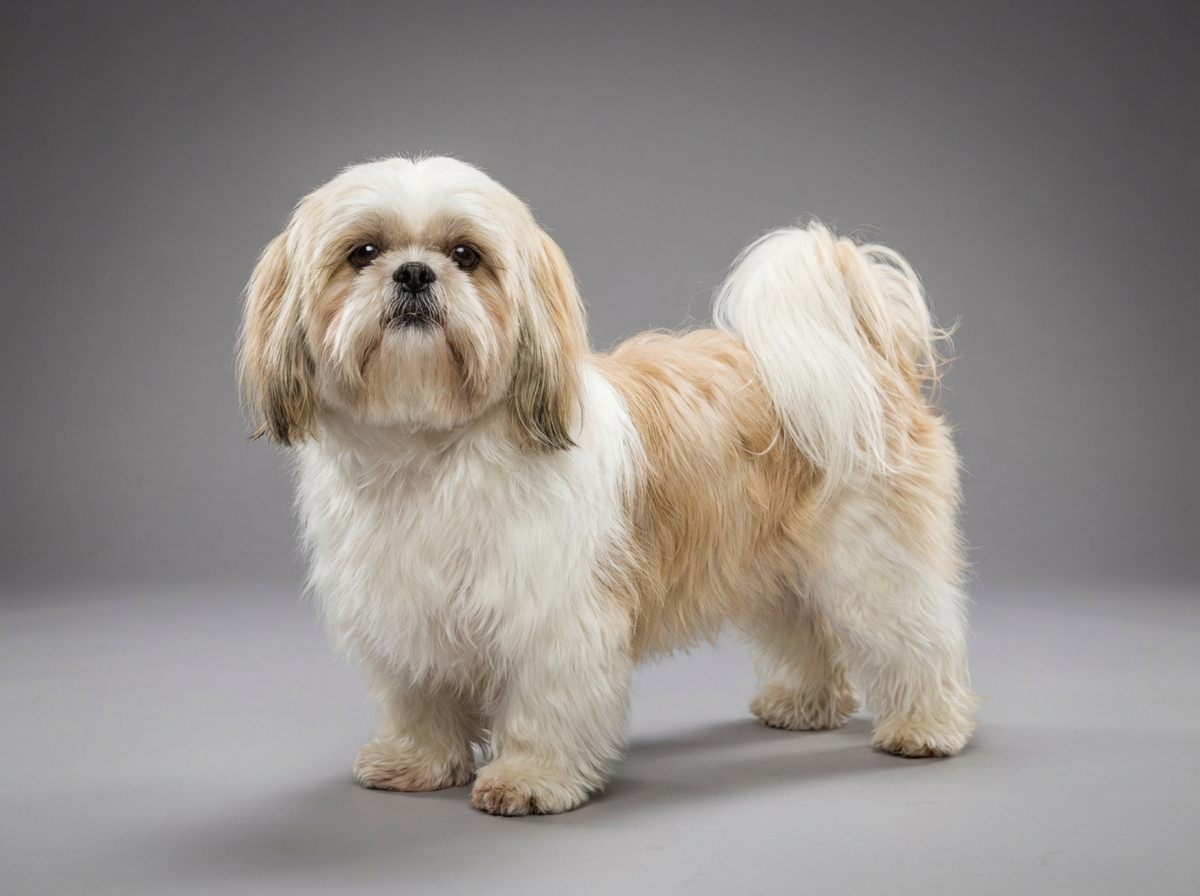
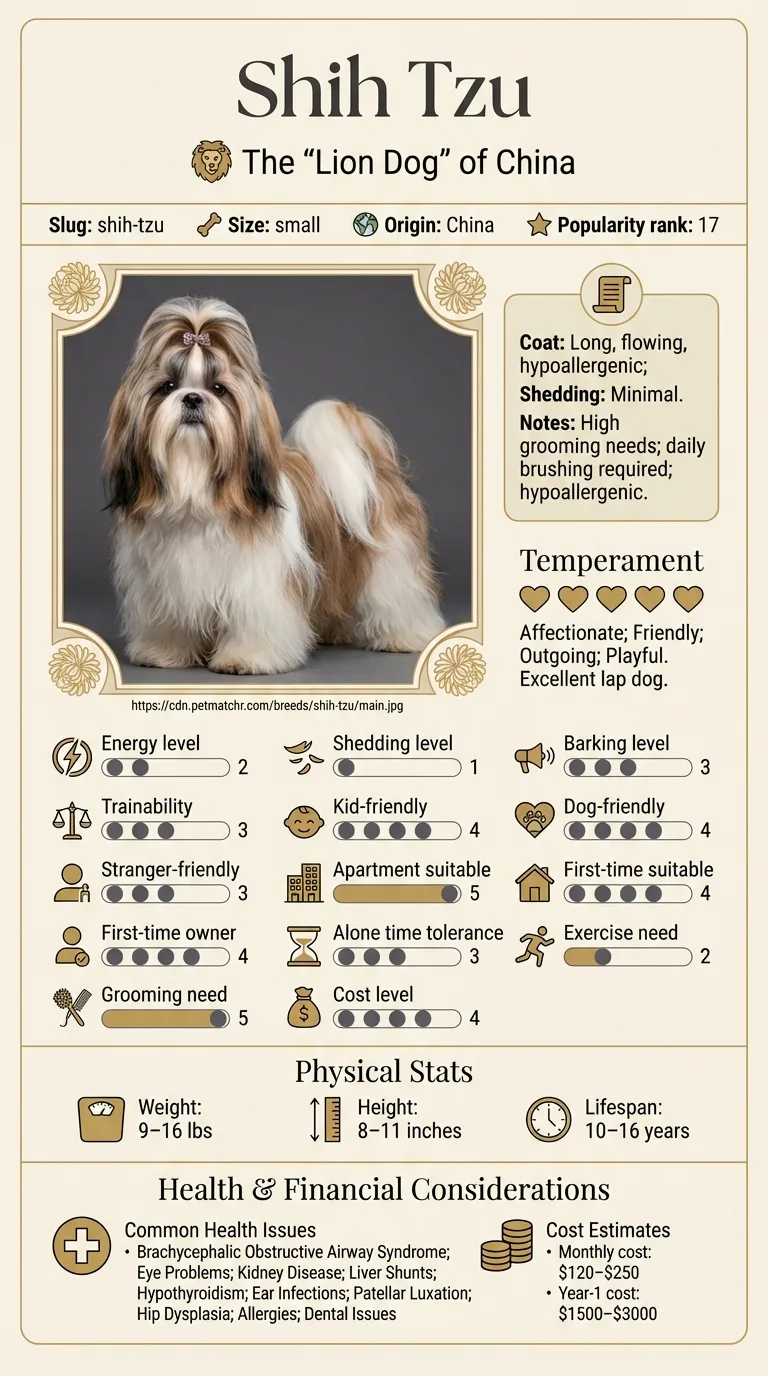
Shih Tzus are small, affectionate dogs, but they often struggle with exercise intolerance. This means they may tire quickly during physical activity, leading to overheating or distress. For Shih Tzu owners, this can be concerning, especially if their dog seems uninterested in play or walks.
Exercise intolerance is quite common in Shih Tzus due to their flat faces, which can make breathing difficult during exertion. Many owners report seeing signs of fatigue or reluctance to exercise, especially as their dog ages.
Shih Tzus are a brachycephalic breed, which means they have flat faces. This can lead to breathing difficulties during exercise, making them intolerant to prolonged activity. Additionally, their small size and low energy level contribute to their limited exercise capacity.
Environmental factors like high temperatures and humidity can exacerbate exercise intolerance in Shih Tzus. If they are in a stuffy apartment or lack access to cooler areas, they may struggle to keep up during play or walks.
If you notice persistent signs of distress, like excessive panting, coughing, or lethargy after even short activities, it’s time to talk to your vet. They can rule out any underlying health issues that may be causing exercise intolerance.
Understanding what not to do can help improve your Shih Tzu's exercise intolerance. Here are some common mistakes to avoid.
Start here: Shih Tzu Most Common Genetic Disorders: What to Screen For
See all Shih TZU health problems, which breeds are prone to exercise intolerance, or the full Shih TZU breed guide for temperament, exercise needs and ownership costs.
You can expect to see improvements in your Shih Tzu's exercise tolerance within 4 to 8 weeks of consistent care and gradual activity increases.
Success means your Shih Tzu can enjoy walks and playtime without excessive panting or signs of fatigue. You'll notice them being more eager to participate in activities and engaging more in play.
Mia, a first-time dog owner, adopted Bella, a 2-year-old Shih Tzu. At first, Bella seemed uninterested in walks and would tire quickly, leaving Mia worried. After some research, Mia learned about Shih Tzu exercise intolerance and realized she needed to adjust her approach. She started with short, gentle walks and incorporated fun games at home. With patience and dedication, Mia gradually increased the length of their walks over several weeks. Bella became more energetic and started looking forward to their outdoor time together.
Key takeaway: Understanding your dog's unique needs and making gradual changes can lead to significant improvements in their activity levels. Don't rush—patience is key!
Shih Tzus are a brachycephalic breed, which means they have short noses that can make breathing during exercise difficult. This can lead to overheating or fatigue more quickly than other breeds. It's essential to monitor their activity levels and provide breaks during playtime.
Signs of exercise intolerance include excessive panting, lethargy, or reluctance to continue playing. If your Shih Tzu shows these behaviors, it's a good indication they need to rest or cool down. Always watch for any changes in their normal behavior during exercise.
To manage exercise intolerance, schedule shorter, more frequent walks in cooler weather. Engage in low-impact activities like gentle play inside. Additionally, always have water available to keep them hydrated.
Yes, gradual training can help improve stamina over time. Start with short sessions and gradually increase the duration as they become more comfortable. Always prioritize their comfort and well-being during training.
If your Shih Tzu shows signs of overheating, such as excessive panting or drooling, move them to a cool area immediately. Offer them water and let them rest. If symptoms persist, contact your vet for advice.
Shih Tzu exercise intolerance can stem from several factors, including their brachycephalic nature, which makes breathing during exertion difficult. Additionally, underlying health issues such as heart or respiratory problems might contribute to their limited exercise capacity.
For older Shih Tzus experiencing exercise intolerance, it's important to tailor their activity levels to their capabilities. Short, gentle walks and low-impact play sessions can help keep them active without overexerting them. Always consult with your vet to create a safe exercise plan.
If your Shih Tzu shows signs of extreme fatigue, difficulty breathing, or persistent coughing during or after exercise, it's time to consult your vet. These symptoms could indicate underlying health issues that require attention.
While training cannot cure exercise intolerance, it can help your Shih Tzu build stamina over time. Gradual, consistent exercise routines can be beneficial, but it's crucial to monitor their limits and adjust activities as needed.
Yes, low-impact activities like short walks, gentle play, or swimming can be suitable for Shih Tzus with exercise intolerance. Focus on keeping sessions short and enjoyable, ensuring your dog stays cool and hydrated during activities.
Prevent exercise intolerance by limiting strenuous activity and providing plenty of breaks. Opt for early morning or late evening walks to avoid heat.
Engage in short, low-energy games like hide and seek or gentle tug-of-war. Use toys to keep them entertained without overexerting them.
Yes, exercise intolerance is common in Shih Tzus due to their brachycephalic nature. It's essential to be mindful of their exercise needs.
A good routine includes short walks and fun indoor games. Always adjust based on your dog's energy levels and health.
A one-page prep sheet for this condition: the signs, the questions to ask, what to get priced. Unlocks here.
You get: Vet visit prep sheet
No spam. One-click unsubscribe. See our privacy policy.
Preview page 1 before you decide.