DogBreedCompass
← Back to breed profile

Shih Tzu Corneal Dystrophy: What You Need to Know

Shih Tzu corneal dystrophy is a common eye condition that can affect your dog's vision.

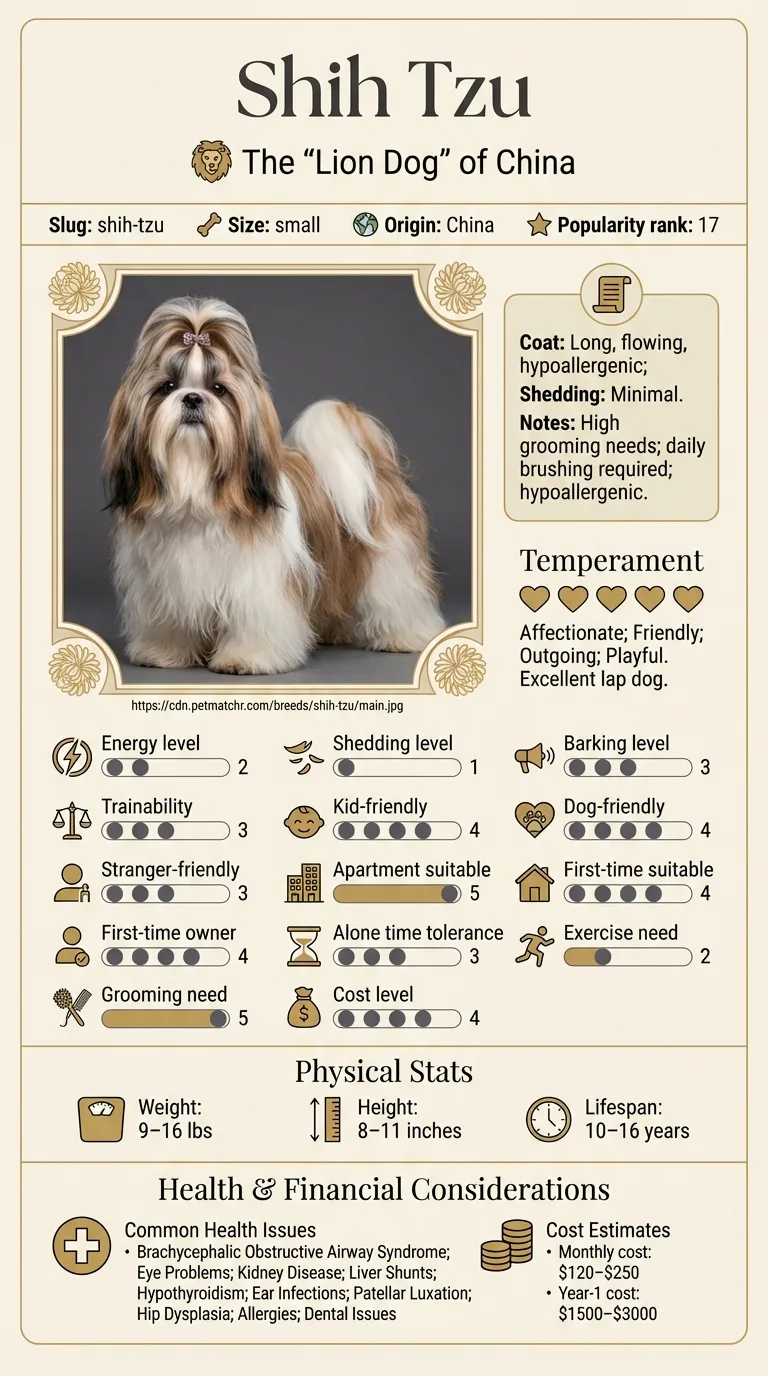
Shih Tzu Corneal Dystrophy: What You Need to Know infographic

Typically, owners of Shih Tzus, especially those who are first-time dog parents, may struggle with this issue. It can be particularly concerning for those who want to ensure their pets remain happy and healthy.

Important reminder

This guide is not medical advice. If your dog shows pain, sudden behavior change, or worsening symptoms, consult a licensed veterinarian.

Some links may be affiliate links. We may earn a commission at no extra cost to you. We only suggest products we believe are helpful for dog owners.

What this problem looks like

Shih Tzu corneal dystrophy is a common eye condition that can lead to cloudiness in the cornea. This problem often appears as a cloudy or opaque area on the surface of the eye, affecting their vision and comfort. Owners may notice their Shih Tzu squinting, rubbing their eyes, or showing signs of discomfort.

Common triggers

  • Genetic predisposition, as many Shih Tzus are prone to this condition.
  • Environmental factors like dust or allergens that can irritate the eyes.
  • Age-related changes that may exacerbate eye issues.

Corneal dystrophy is relatively common in Shih Tzus, affecting a significant number of dogs in this breed. Regular eye checks by a vet can help catch this issue early.

Why this happens

Breed factors

Shih Tzus are prone to certain eye problems, including corneal dystrophy. This condition is often hereditary and can lead to cloudiness in the eyes, affecting their vision. Their unique facial structure can also contribute to eye health issues.

Environment factors

Environmental factors such as exposure to allergens or irritants can worsen eye conditions in Shih Tzus. Dust, smoke, and harsh chemicals can irritate their eyes, increasing the likelihood of corneal dystrophy symptoms. Additionally, inadequate grooming can lead to eye irritation and health problems.

What you can try

At-home strategies

  • Regularly clean your Shih Tzu's eyes with a damp cloth to remove any discharge or debris.
  • Ensure your home is free from dust and smoke to minimize eye irritation. Use air purifiers if necessary.
  • Provide a balanced diet rich in omega-3 fatty acids to support eye health.
  • Keep up with routine vet visits to monitor your dog's eye health and catch any issues early.

When to consider a trainer

If your Shih Tzu shows signs of anxiety or discomfort related to their vision, a professional dog trainer can help. They can teach you techniques to help your dog feel more secure and comfortable in their environment.

When to talk to your vet

Consult your vet if you notice any changes in your Shih Tzu's vision, such as squinting, excessive tearing, or noticeable cloudiness in the eyes. It's essential to have a vet evaluate the condition to determine if treatment is necessary.

Realistic expectations

You can expect to see improvement in your Shih Tzu's corneal dystrophy within a few weeks of starting treatment, but some cases may require ongoing management.

Success looks like reduced symptoms, such as less cloudiness in the eyes and improved comfort for your dog. Regular veterinary check-ups will help monitor progress.

Mistakes that make this worse

Avoiding common pitfalls can significantly improve your Shih Tzu's corneal dystrophy. Here are common mistakes that owners make and safer alternatives to consider.

  • Ignoring Symptoms: Many owners overlook early signs of corneal dystrophy, thinking they will resolve on their own. Instead, schedule a vet visit as soon as you notice cloudiness in your dog's eyes.
  • Delaying Treatment: Some owners may hesitate to start treatment due to cost concerns. Discuss your options with your vet, as early intervention can often prevent further complications.
  • Using Human Eye Drops: Utilizing over-the-counter eye drops designed for humans can irritate your dog's eyes. Always consult your vet for appropriate medications specifically designed for dogs.
  • Neglecting Eye Protection: Failing to protect your Shih Tzu's eyes from bright sunlight can exacerbate the condition. Consider getting UV-protective dog goggles or limiting outdoor time on sunny days.
  • Inconsistent Follow-Up: Skipping follow-up appointments can hinder progress. Ensure you keep all scheduled vet visits to monitor your dog's condition effectively.
  • Not Modifying Diet: Some owners don’t consider how diet affects eye health. Ask your vet about supplements or dietary changes that may support eye health in dogs.

When Shih Tzu Corneal Dystrophy is an Emergency

Recognizing when Shih Tzu corneal dystrophy becomes an emergency is crucial for your pet's health. If your Shih Tzu shows sudden changes in vision, such as bumping into furniture or becoming disoriented, it’s time to call your vet immediately. Other red flags include excessive squinting, pawing at the eyes, or any signs of pain, like whimpering or hiding. These symptoms could indicate a severe condition that needs urgent attention.

In contrast, if your Shih Tzu has mild corneal cloudiness without significant behavioral changes, you can monitor the situation at home. Keep an eye on their eyes for any increase in cloudiness or discomfort. Regular check-ups with your vet can help track the progression of the condition. You should also ensure that your dog is comfortable and not experiencing excessive stress regarding their eyesight.

Always trust your instincts as a pet owner. If something feels off, don't hesitate to reach out to your vet for guidance. Early intervention can make a significant difference in your Shih Tzu's quality of life.

Shih Tzu Corneal Dystrophy: What You Need to Know - When Shih Tzu Corneal Dystrophy is an Emergency

Emily and Bella's Journey with Corneal Dystrophy

Emily, a first-time dog owner in Seattle, noticed that her Shih Tzu, Bella, had cloudy eyes and seemed to be uncomfortable. After a vet visit, she learned Bella had corneal dystrophy. Emily followed her vet’s advice, which included daily eye drops and routine check-ups. With patience and care, Bella's symptoms improved, and Emily felt relieved to see her pup happy again.

Key takeaway: Managing Shih Tzu corneal dystrophy requires commitment, but with the right treatment plan, you can greatly enhance your dog's quality of life.

Frequently asked questions

What causes corneal dystrophy in Shih Tzus?

Shih Tzu corneal dystrophy is typically caused by genetic factors, leading to abnormal deposits in the cornea. It's more common in certain breeds, including Shih Tzus, and can lead to cloudiness in the eyes. If you notice changes in your dog's vision, a vet can help diagnose the issue.

How can I tell if my Shih Tzu has corneal dystrophy?

Look for signs like cloudy eyes or changes in your dog's behavior, such as bumping into objects. Excessive tearing or squinting may also indicate an issue. A visit to the vet is essential for a proper diagnosis.

What is the treatment for Shih Tzu corneal dystrophy?

Treatment options may include eye drops or medications to manage symptoms. In severe cases, surgical options like corneal transplants could be discussed with your vet. Regular check-ups are vital to monitor the condition.

Can corneal dystrophy in Shih Tzus be prevented?

While genetic conditions can't be entirely prevented, you can minimize risk factors by ensuring your Shih Tzu has regular eye check-ups. Early detection can help manage the condition better. Always consult your vet for tailored advice.

Why does my Shih Tzu have corneal dystrophy?

The primary cause of Shih Tzu corneal dystrophy is often genetic predisposition. Environmental factors and injuries can exacerbate the condition, but genetics play a significant role. A vet can provide insights based on your dog's specific situation.

What are the symptoms of corneal dystrophy in Shih Tzus?

Symptoms of corneal dystrophy can include cloudy eyes, excessive tearing, and sensitivity to light. If your Shih Tzu is squinting or rubbing their eyes, it's essential to consult a vet for an evaluation.

How can I help my Shih Tzu with corneal dystrophy?

To support your Shih Tzu, ensure they have regular vet check-ups and discuss appropriate treatments. Some dogs may benefit from medicated eye drops to alleviate discomfort and improve their quality of life.

Is corneal dystrophy hereditary in Shih Tzus?

Yes, corneal dystrophy can be hereditary in Shih Tzus. If you notice symptoms, it's wise to discuss this with your vet and consider screening for breeding purposes if applicable.

Can corneal dystrophy lead to more severe eye problems?

Yes, untreated corneal dystrophy can lead to more severe eye issues, including corneal ulcers. Regular monitoring by a veterinarian is crucial to prevent complications.

At what age do Shih Tzus typically show signs of corneal dystrophy?

Signs of corneal dystrophy can appear at various ages, but many dogs start showing symptoms between 4 and 8 years old. Early detection is key, so keep an eye on any changes in your dog's eyes as they age.

Quick answers

View more answers
Behavior

What are quick tips for managing Shih Tzu corneal dystrophy?

Keep your Shih Tzu's eyes clean and consult your vet regularly for eye exams. Use recommended eye drops to alleviate discomfort if prescribed. Monitor their behavior for any changes in vision.

Living

How can I help my Shih Tzu feel comfortable with corneal dystrophy?

Ensure your home is safe and free of obstacles to prevent accidents. Provide gentle guidance when they navigate spaces. Consider using protective eyewear if advised by your vet.

Costs

Are there any costs associated with treating Shih Tzu corneal dystrophy?

Costs can vary widely, ranging from regular vet visits ($50-$150) to potential surgeries, which could be thousands. It's essential to budget for ongoing care and consult your vet for estimates.

Related DogBreedCompass guides

  • Shih Tzu health problems overviewLearn more about common Shih Tzu health issues including corneal dystrophy.
  • Shih Tzu separation anxiety guideGet tips on managing separation anxiety in Shih Tzus.
  • Shih Tzu cost breakdownUnderstand the costs associated with owning a Shih Tzu.
  • Shih Tzu behavior problemsFind out how to train your Shih Tzu to prevent behavior problems.
  • Shih Tzu training methodsExplore training techniques specifically for Shih Tzus and their needs.

Related guides