Health
What are quick tips for managing Shih Tzu chronic active hepatitis?
Monitor your dog's diet closely and ensure regular vet check-ups. Look out for any unusual symptoms and maintain a stress-free environment.

Quick answer
What are quick tips for managing Shih Tzu chronic active hepatitis?
Monitor your dog's diet closely and ensure regular vet check-ups. Look out for any unusual symptoms and maintain a stress-free environment.
Shih Tzu chronic active hepatitis is a serious liver disease that can significantly impact your dog's health.
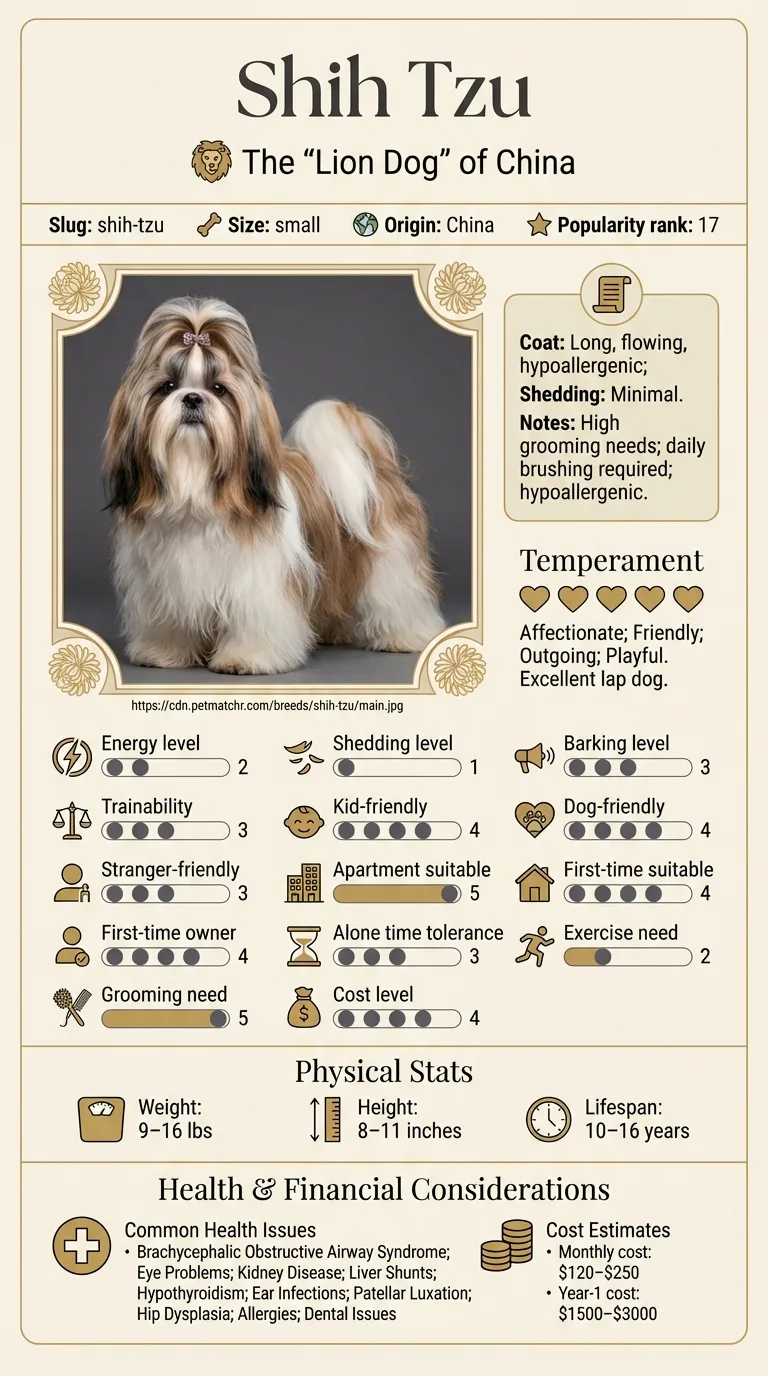
Owners of Shih Tzus, particularly those who may not be aware of the breed's predisposition to liver problems, often struggle with this issue. First-time dog owners may find it especially challenging to recognize the signs and navigate the treatment process.
This guide is not medical advice. If your dog shows pain, sudden behavior change, or worsening symptoms, consult a licensed veterinarian.
Some links may be affiliate links. We may earn a commission at no extra cost to you. We only suggest products we believe are helpful for dog owners.
We research and check what we publish, but we do not warrant that any figure, date, price, or statement is accurate, complete, or current, and we accept no liability for any loss, cost, injury, or other harm arising from the use of this site. Use it as one reference among several. You remain responsible for your own decisions and for your dog's care - confirm anything that matters with a licensed veterinarian or another qualified professional before you act on it. Full disclaimer.
Check this first
Recognizing when Shih Tzu chronic active hepatitis becomes an emergency is crucial for your dog's health. If your dog shows severe symptoms such as vomiting, severe lethargy, lack of appetite, or yellowing of the eyes and skin, you should contact your vet immediately. These red flags indicate a serious condition that requires prompt medical attention.
On the other hand, if your Shih Tzu is experiencing mild symptoms like occasional vomiting, slight lethargy, or minor changes in appetite, you can monitor them at home. Keep track of any changes in behavior or health, and consult with your veterinarian about a management plan. It's important to stay observant and proactive, as early interventions can make a significant difference.
In summary, know the serious signs that demand immediate veterinary care, versus those that can be watched with a plan. If in doubt, it’s always best to err on the side of caution and call your vet.
If any of these apply, call your vet or an emergency clinic now. The rest of this page is for the cases that are not an emergency.
Shih Tzu chronic active hepatitis is a serious liver condition that can affect your dog's daily life. Symptoms may include lethargy, loss of appetite, vomiting, and jaundice. Since Shih Tzus are prone to various health issues, this condition can be particularly concerning for owners who want to keep their furry friends healthy and happy.
Chronic active hepatitis is relatively common in Shih Tzus, especially as they age. Regular vet check-ups are essential for early detection and management of this condition. Awareness of the breed's susceptibility can help owners take preventive measures.
Shih Tzus can inherit certain genetic predispositions that make them more susceptible to liver issues, including chronic active hepatitis. Their small size and unique metabolism can also impact liver function, leading to health problems.
Environmental factors, such as poor diet, exposure to toxins, and lack of regular veterinary check-ups, can contribute to liver disease in Shih Tzus. Stressful situations, like changes in the household or inconsistent routines, can also negatively affect their health.
Talk to your vet if you notice symptoms like lethargy, vomiting, or changes in appetite. Regular check-ups are crucial for early detection of liver issues, especially for breeds like Shih Tzus.
Avoiding certain behaviors can help manage your Shih Tzu's chronic active hepatitis effectively. Here are common mistakes to steer clear of, along with safer alternatives.
Start here: Shih Tzu Most Common Genetic Disorders: What to Screen For
See all Shih TZU health problems, which breeds are prone to chronic active hepatitis, or the full Shih TZU breed guide for temperament, exercise needs and ownership costs.
With early detection and consistent care, you can see improvements in your Shih Tzu's health within 3 to 6 months. Regular vet check-ups will be essential during this time.
Success looks like your Shih Tzu showing increased energy levels, improved appetite, and stable weight. You should also notice fewer symptoms related to liver function, such as jaundice or excessive thirst.
Lisa, a loving owner in San Diego, noticed her Shih Tzu, Bella, was lethargic and not eating well. After some research, she discovered that these might be signs of Shih Tzu chronic active hepatitis. Lisa took Bella to the vet, who diagnosed her with the condition. With a careful diet, medication, and regular vet visits, Bella's health began to improve. Over the next few months, Bella regained her playful spirit, and Lisa felt relieved and grateful for the support she received.
Key takeaway: Early detection and proactive care are crucial for managing Shih Tzu chronic active hepatitis. Don’t hesitate to consult a vet if you notice changes in your dog’s behavior.
Chronic active hepatitis in Shih Tzus can be caused by various factors, including genetic predisposition, infections, or exposure to toxins. It's essential to consult your veterinarian for a thorough diagnosis and treatment plan tailored to your dog's specific needs.
While you can't always stop chronic active hepatitis, you can manage it through a proper diet and regular veterinary check-ups. Medications may also be prescribed to support liver function and minimize symptoms.
Yes, a low-fat, high-quality protein diet can help support liver health. Work with your vet to create a meal plan that meets your Shih Tzu's nutritional needs while considering their health status.
Treatment may include medications to reduce inflammation and support liver function, along with dietary changes. Regular monitoring and follow-up appointments with your vet are essential to ensure your dog's well-being.
Chronic active hepatitis is generally a manageable condition rather than a curable one. With proper care, many dogs can lead a good quality of life despite the diagnosis.
Managing chronic active hepatitis can cost between $500 and $2,500 annually, depending on treatment needs and veterinary visits. Budgeting for regular check-ups and any necessary medications is essential.
Common symptoms include vomiting, diarrhea, lethargy, and jaundice. If your Shih Tzu shows any of these signs, it's crucial to consult your vet as soon as possible.
Yes, a special diet can help manage chronic active hepatitis. Your vet may recommend a low-protein diet to reduce liver strain and support overall health.
While genetics can play a role, chronic active hepatitis is not solely hereditary. Environmental factors and diet also contribute significantly to liver health.
Regular vet check-ups are essential for monitoring your Shih Tzu's liver health. Typically, visits every 3-6 months are recommended, but your vet may suggest a different schedule based on your dog's condition.
Long-term effects can vary, but chronic active hepatitis may lead to liver failure if not managed properly. With appropriate care, many dogs can live comfortable lives, but ongoing vet care is crucial.
Monitor your dog's diet closely and ensure regular vet check-ups. Look out for any unusual symptoms and maintain a stress-free environment.
It's recommended to visit the vet every 6 months for regular monitoring, or more frequently if symptoms worsen.
Training can improve your dog's quality of life and help manage behavior issues related to anxiety. It can also provide mental stimulation, which is beneficial.
Choose a diet low in fat and high in easily digestible proteins. Always consult your vet regarding specific dietary recommendations.
Signs such as severe vomiting, excessive lethargy, or yellowing of the eyes or skin require immediate veterinary attention.
A one-page prep sheet for this condition: the signs, the questions to ask, what to get priced. Unlocks here.
You get: Vet visit prep sheet
No spam. One-click unsubscribe. See our privacy policy.
Preview page 1 before you decide.