What are quick tips for managing Shih Tzu anesthesia sensitivity?
Always discuss your dog's history with anesthesia with your vet. Ensure they are healthy before undergoing any procedure. Consider pre-anesthesia blood work for a safer experience.
Shih Tzu anesthesia sensitivity can be a serious concern for pet owners. Understanding this issue is crucial for keeping your dog safe during medical procedures.

Many owners of Shih Tzus, especially first-time pet parents, face anxiety when it comes to anesthesia. They worry about how their dog will react to sedation and what steps they should take to prevent complications.
This guide is not medical advice. If your dog shows pain, sudden behavior change, or worsening symptoms, consult a licensed veterinarian.
Some links may be affiliate links. We may earn a commission at no extra cost to you. We only suggest products we believe are helpful for dog owners.
Shih Tzus can be sensitive to anesthesia, which may cause complications during veterinary procedures. This sensitivity manifests as unusual reactions to anesthetic drugs, leading to longer recovery times or other health issues. Owners often notice that their Shih Tzu seems more lethargic or disoriented after anesthesia compared to other breeds.
Anesthesia sensitivity is relatively common in Shih Tzus, especially due to their brachycephalic nature and potential for other health problems. Many owners report experiencing this sensitivity at least once during their dog's lifetime, making it an important consideration for routine or emergency procedures.
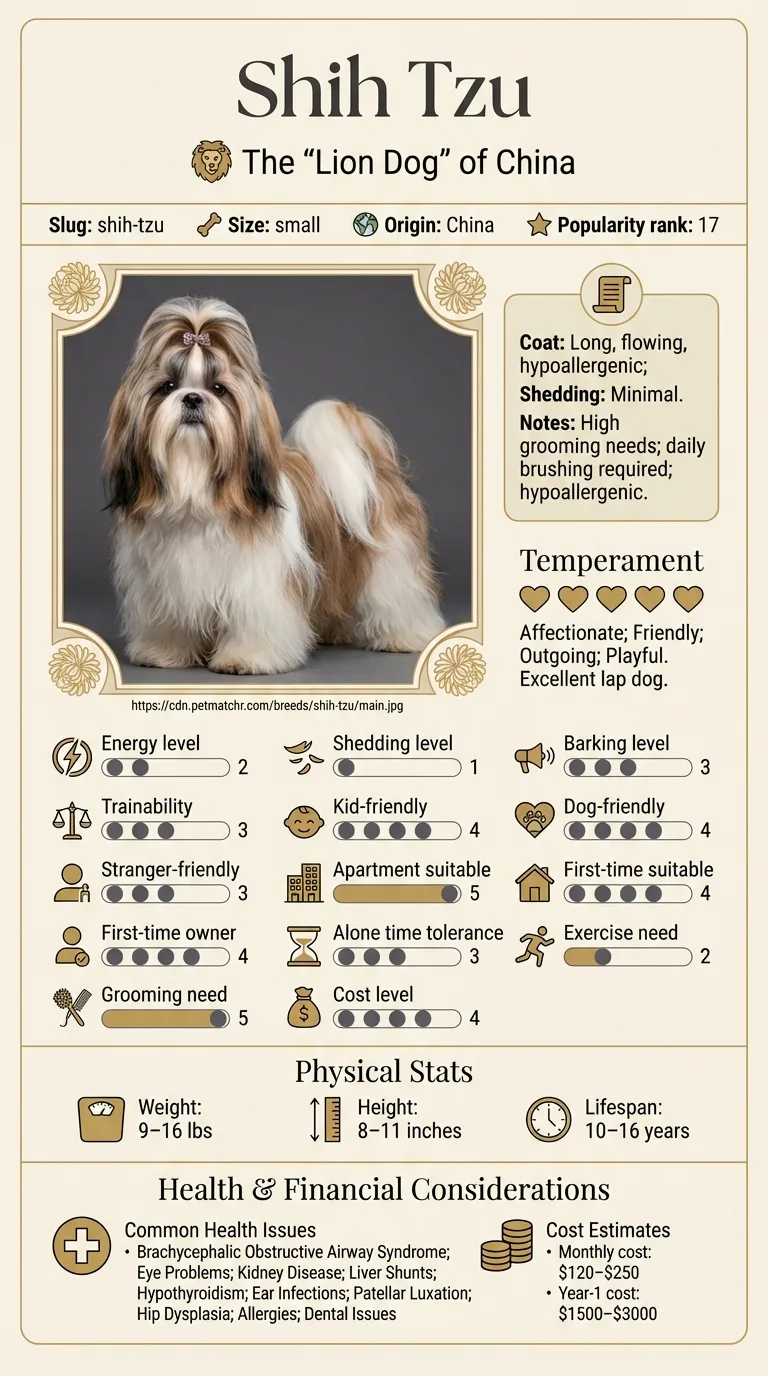
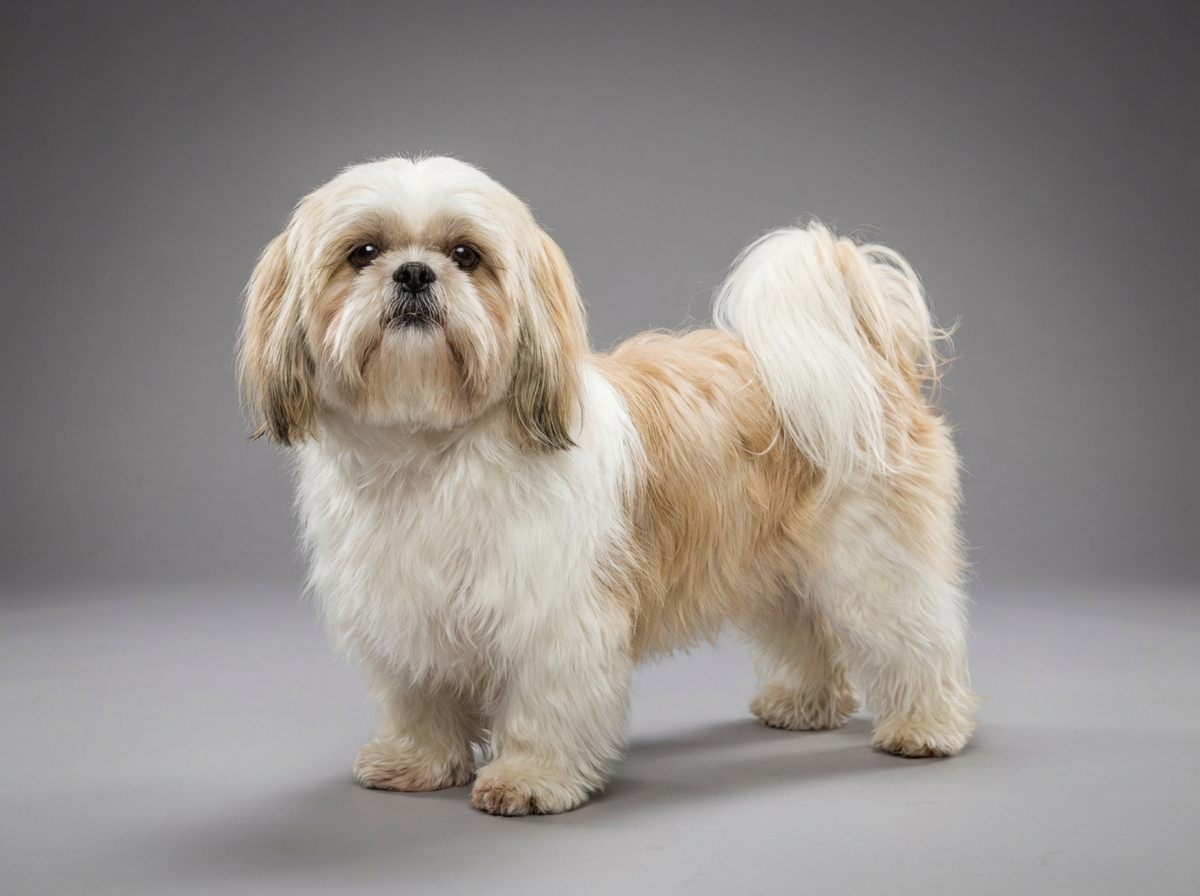
Shih Tzus often have sensitive respiratory systems due to their brachycephalic (short-nosed) structure. This makes them more susceptible to the effects of anesthesia. Their small size can also mean that even standard doses of anesthetics may be too much for them.
Anxiety during veterinary visits or unfamiliar environments can heighten a Shih Tzu's sensitivity to anesthesia. Stressful situations can trigger adverse reactions, complicating their response to sedatives or anesthetics.
If your Shih Tzu shows persistent anxiety or fear related to visits, it may be time to consult a professional trainer. They can help you with specific techniques to manage your dog's anxiety effectively.
If your Shih Tzu has experienced adverse reactions to anesthesia in the past, it's crucial to discuss this with your vet. They may recommend a different anesthetic protocol or additional monitoring during procedures.
You can expect to see improvements in your Shih Tzu's response to anesthesia within a few weeks to a few months of consistent care and training.
Success means your Shih Tzu can undergo necessary procedures with minimal anxiety, showing reduced sensitivity and recovering more comfortably.
Avoiding certain behaviors can help your Shih Tzu manage anesthesia sensitivity better. Here are common mistakes to watch out for.
Recognizing when your Shih Tzu's anesthesia sensitivity becomes an emergency is crucial for their safety. If your dog shows severe symptoms like difficulty breathing, prolonged disorientation, or an extreme drop in body temperature after anesthesia, you need to contact your vet immediately. These signs indicate a serious reaction that requires prompt medical attention.
On the other hand, if your Shih Tzu experiences mild symptoms such as slight grogginess or temporary disorientation, it's usually safe to monitor them at home. Keep an eye on their behavior and ensure they are comfortable. If these mild symptoms persist or worsen, consult your vet for further advice.
It's essential to have a plan in place. For example, ensure your dog is well-hydrated and has a quiet space to rest. Keeping a record of their reactions to anesthesia can help your vet tailor future treatments. However, don't hesitate to call your vet if you notice anything unusual that concerns you.

Maggie, a Shih Tzu, had a tough time with anesthesia during routine vet visits. Her owner, Sarah, noticed that Maggie would become extremely anxious before appointments and had longer recoveries. After consulting with their vet, Sarah learned about anesthesia sensitivity in Shih Tzus and began implementing specific training techniques at home. She created a positive environment for Maggie by associating vet visits with treats and gentle handling. Over time, Maggie became calmer during her appointments, and her recovery times improved significantly after procedures.
Key takeaway: With patience and the right strategies, you can help your Shih Tzu manage anesthesia sensitivity, making vet visits less stressful for both of you.

Shih Tzus can be sensitive to anesthesia due to their small size and unique physiology. Brachycephalic breeds like the Shih Tzu may face additional risks when under anesthesia. It's essential to discuss any concerns with your vet before procedures.
While you can't completely eliminate anesthesia sensitivity, you can minimize risks by ensuring your Shih Tzu is healthy before any procedure. Regular vet check-ups and discussing your dog's specific needs with your veterinarian can help manage this issue.
If your Shih Tzu shows any adverse reactions to anesthesia, contact your veterinarian immediately. They can assess the situation and provide appropriate care. Keeping a detailed record of your dog's reactions can also help your vet tailor future anesthesia plans.
Yes, many vets use specific protocols for Shih Tzus and other brachycephalic breeds. These protocols often include lower doses or different types of anesthetics that are safer for these dogs. Always consult with your vet about the best options for your dog.
While you can't train your Shih Tzu to be less sensitive to anesthesia, you can help them feel more comfortable at the vet's office. Gradual exposure to the vet environment and positive reinforcement can reduce stress during visits.
Several factors can contribute to anesthesia sensitivity in Shih Tzus. Their small size, brachycephalic nature, and certain genetic predispositions can make them more vulnerable to adverse reactions. It's crucial to discuss these factors with your veterinarian before any procedure requiring anesthesia.
Preparing your Shih Tzu for anesthesia involves ensuring they are healthy before the procedure. This includes a thorough veterinary check-up, fasting as instructed, and discussing any medications your dog is taking. A calm environment and familiar toys can help reduce anxiety before surgery.
If your Shih Tzu shows any unusual signs after anesthesia, such as excessive drooling, difficulty breathing, or disorientation, contact your vet immediately. These symptoms may indicate a reaction to the anesthesia. Quick action can help address any serious complications.
Anesthesia sensitivity can have a hereditary component in Shih Tzus. If your dog has experienced issues with anesthesia, it may be helpful to inform your breeder or vet. They can provide guidance on breeding practices and potential risks for future litters.
Yes, older Shih Tzus may have increased sensitivity to anesthesia due to age-related health issues. Their organs may not function as efficiently, which can complicate anesthesia. Always consult with your vet to tailor anesthesia plans that consider your dog's age and health history.
Always discuss your dog's history with anesthesia with your vet. Ensure they are healthy before undergoing any procedure. Consider pre-anesthesia blood work for a safer experience.
Keep your Shih Tzu calm and relaxed before the procedure. Bring their favorite toy or blanket for comfort. Follow your vet's pre-surgery instructions closely.
Keep an eye on your Shih Tzu for any unusual behavior after anesthesia, like excessive lethargy or difficulty breathing. If you notice anything concerning, contact your vet right away.
Costs can vary depending on the necessary pre-anesthesia tests and any special protocols your vet uses. Be prepared for potential higher expenses if extra precautions are needed.