Behavior
What are some quick tips for Havanese allergic reactions?
Monitor your dog's environment for allergens, keep their living area clean, and consider hypoallergenic foods. Regular vet check-ups are also essential for managing allergies.
Havanese allergic reactions can be frustrating for both you and your furry friend. These reactions can cause discomfort and lead to serious health issues if not addressed.
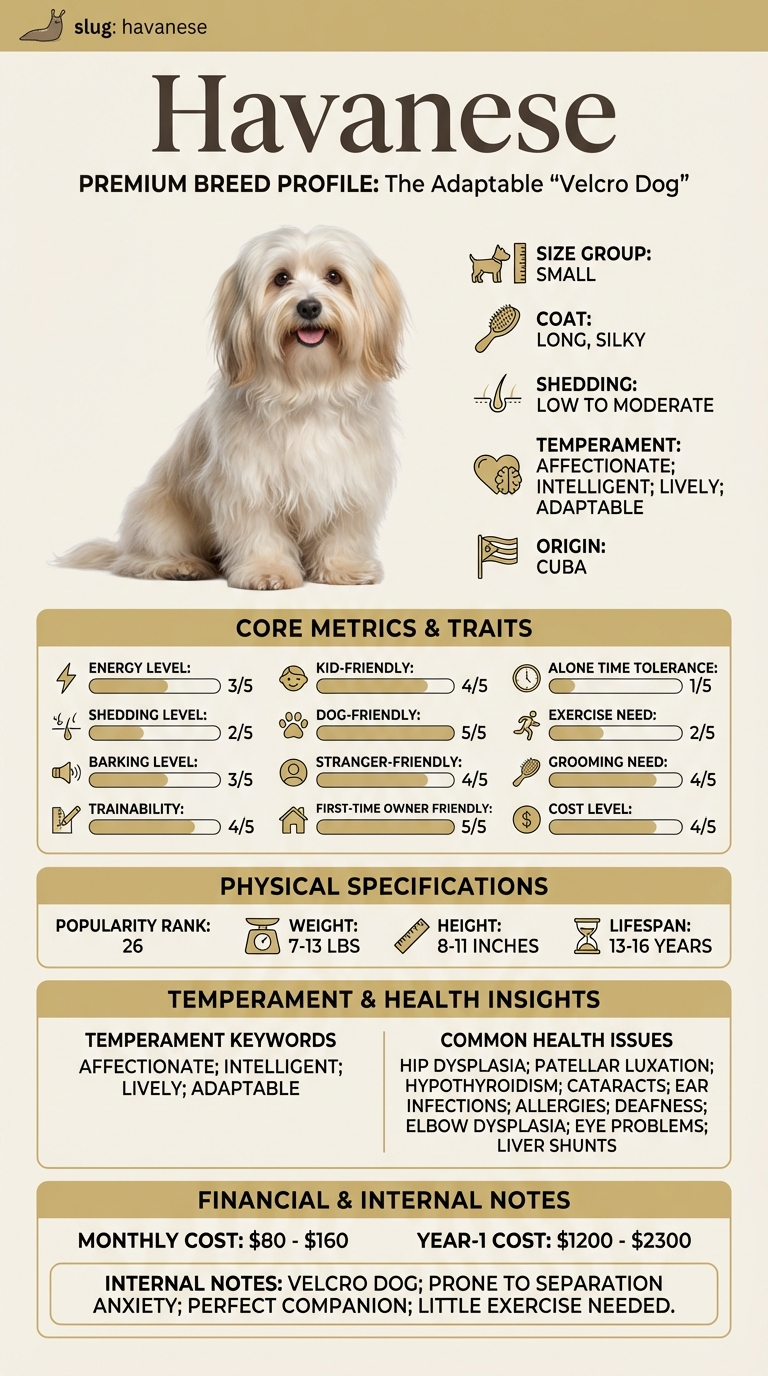
This issue often affects first-time dog owners, families with children, and those living in environments with various allergens. If your Havanese seems itchy, has skin irritations, or shows signs of distress, you're not alone.
This guide is not medical advice. If your dog shows pain, sudden behavior change, or worsening symptoms, consult a licensed veterinarian.
Some links may be affiliate links. We may earn a commission at no extra cost to you. We only suggest products we believe are helpful for dog owners.
Havanese allergic reactions can be a daily challenge for owners. These small, affectionate dogs may experience symptoms like itching, redness, and swelling, which can make them uncomfortable. Common triggers include food allergies, environmental allergens like pollen or dust mites, and even certain grooming products.
Allergic reactions are relatively common in Havanese dogs, with studies showing they are 276% more likely to experience allergies compared to other breeds. This means that if you have a Havanese, it's important to be vigilant about their health and potential reactions.
Havanese dogs can be prone to allergic reactions due to their sensitive skin and genetic predisposition. Their long, silky coat can trap allergens, making them more susceptible to reactions from environmental irritants.
Allergic reactions in Havanese dogs can also stem from their environment. Common triggers include pollen, dust mites, mold, and certain food ingredients. Changes in their surroundings, like new cleaning products or scented items, can worsen their allergies.
If your Havanese's allergic reactions are accompanied by behavioral issues, like excessive scratching or anxiety, consider consulting a trainer. They can help you manage your dog's stress and develop coping strategies.
If your Havanese shows signs of severe allergic reactions, such as swelling, difficulty breathing, or persistent itching, contact your vet immediately. They can provide a proper diagnosis and treatment plan, which may include medications or allergy testing.
You can expect to see improvements in your Havanese's allergic reactions within 4 to 8 weeks of consistent management and training.
Success means fewer allergy flare-ups, improved comfort for your dog, and a better quality of life for both you and your furry friend.
Avoiding common mistakes can help reduce Havanese allergic reactions. Here are some behaviors to steer clear of:
Allergic reactions in Havanese dogs can vary in severity. Some signs indicate a serious emergency that requires immediate veterinary attention. Recognizing these signs can help you act quickly to protect your furry friend.
If your Havanese experiences difficulty breathing, swelling of the face or throat, or severe vomiting, these are red flags. Other alarming symptoms include collapse, seizures, or excessive lethargy. If you notice any of these signs, call your vet right away or head to the nearest emergency animal clinic.
On the other hand, mild allergic reactions can often be monitored at home. Symptoms such as itching, mild skin irritation, or sneezing may indicate allergies but are generally less urgent. In these cases, you can observe your dog for a few hours to see if symptoms improve. If they persist or worsen, consult your vet for advice on how to stop Havanese allergic reactions effectively.
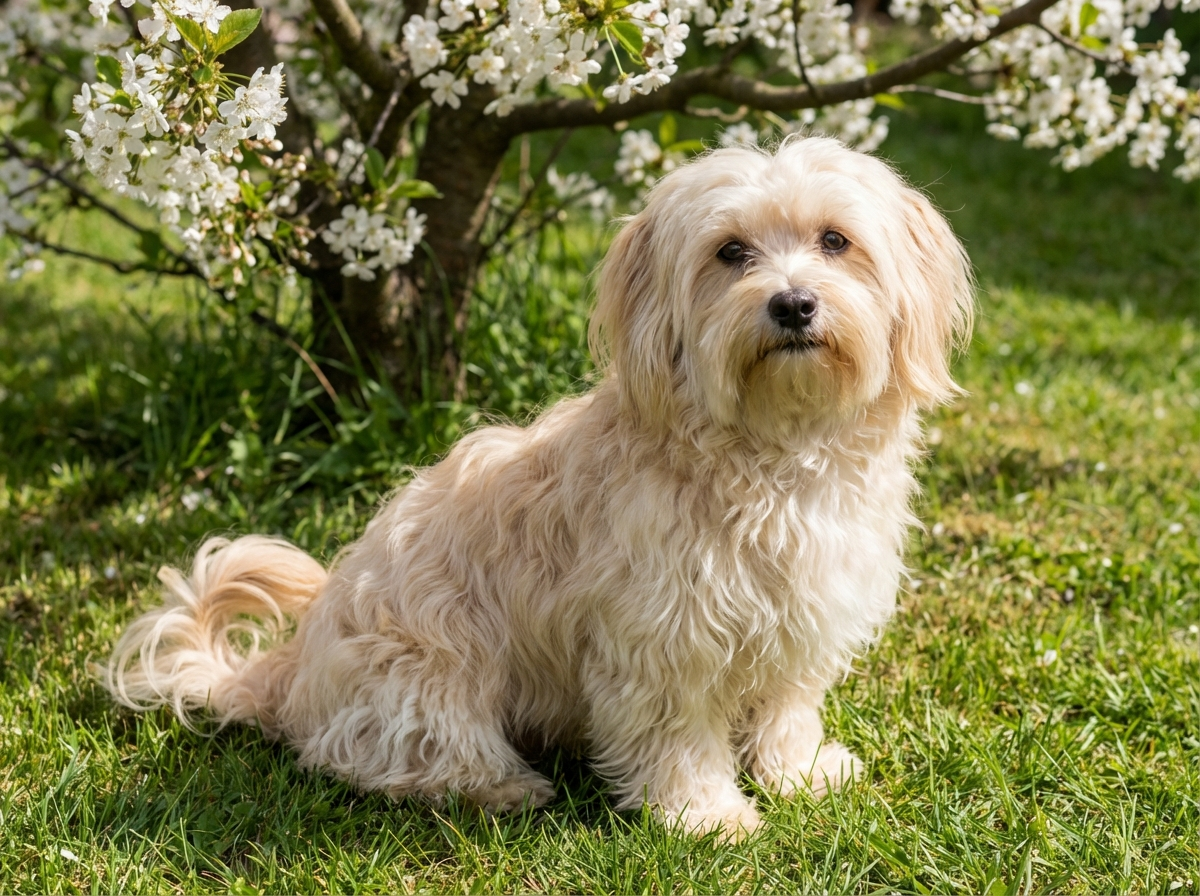
Maria, a busy nurse in Atlanta, noticed her Havanese, Bella, scratching incessantly. After some research, she learned that certain foods and environmental factors could trigger allergic reactions. With the help of her vet, Maria switched Bella to a hypoallergenic diet and began using air purifiers at home. Over the next few months, Bella's scratching reduced significantly, and she seemed much happier.
Key takeaway: Identifying and managing triggers can greatly improve your Havanese's quality of life. Don't hesitate to consult a vet for tailored solutions.
Havanese allergic reactions can be caused by various factors, including environmental allergens like pollen, dust, or certain foods. It's essential to monitor your dog for specific triggers and consult with a vet for allergy testing and treatment options.
To prevent Havanese allergic reactions, identify the allergens through observation or vet tests. Once you know the triggers, you can minimize exposure, change their diet, or use medications prescribed by your vet.
Common signs include itching, redness, swelling, and gastrointestinal issues. If your Havanese shows these symptoms, it's crucial to consult with a veterinarian for proper diagnosis and treatment.
Yes, some Havanese may be sensitive to ingredients like beef, chicken, dairy, or grains. A vet can help you identify problematic foods, and an elimination diet may be necessary to pinpoint the issue.
Training can help your Havanese adapt to their condition. Positive reinforcement can be used to reward behaviors that avoid exposure to allergens and to create a safe space for them at home.
If your Havanese experiences severe allergic reactions, persistent symptoms, or if home remedies aren't effective, schedule a vet visit. Early intervention can prevent worsening conditions.
If your Havanese is having an allergic reaction, you may notice symptoms like itching, redness, swelling, or hives on their skin. They might also experience sneezing, watery eyes, or gastrointestinal upset. If these signs appear, consult your vet for advice.
Yes, Havanese can develop allergies at any age, including as they get older. New allergies can arise from environmental changes or exposure to different substances. Regular vet check-ups are essential to monitor their health and address any new issues.
If your Havanese shows signs of a severe allergic reaction, such as difficulty breathing, swelling of the face, or vomiting, seek emergency veterinary care immediately. Quick intervention can be crucial for their safety.
Havanese dogs can be allergic to various substances, including pollen, dust mites, certain foods, and flea saliva. Identifying the specific allergen can help tailor treatment and prevention strategies for your dog.
To help prevent allergic reactions in your Havanese, maintain a clean living environment, avoid known allergens, and consider diet adjustments if food allergies are suspected. Regular grooming can also reduce allergens on their coat.
Monitor your dog's environment for allergens, keep their living area clean, and consider hypoallergenic foods. Regular vet check-ups are also essential for managing allergies.
During allergy season, keep your Havanese indoors when pollen counts are high and bathe them often to remove allergens from their coat.
If your Havanese experiences swelling, difficulty breathing, or hives, seek emergency veterinary care immediately. Quick action can save your dog's life.
Yes, consider using hypoallergenic dog shampoos and air purifiers in your home to reduce allergens. Always consult your vet before using new products.
Treatment costs can vary widely, ranging from $100 to several hundred dollars monthly, depending on the severity and required medications. Discuss options with your vet.