Behavior
What are quick tips for managing legg-calvé-perthes disease?
Limit your dog's activity and ensure they rest, especially during flare-ups. Regular vet visits for monitoring and possible treatments are essential.

Quick answer
What are quick tips for managing legg-calvé-perthes disease?
Limit your dog's activity and ensure they rest, especially during flare-ups. Regular vet visits for monitoring and possible treatments are essential.
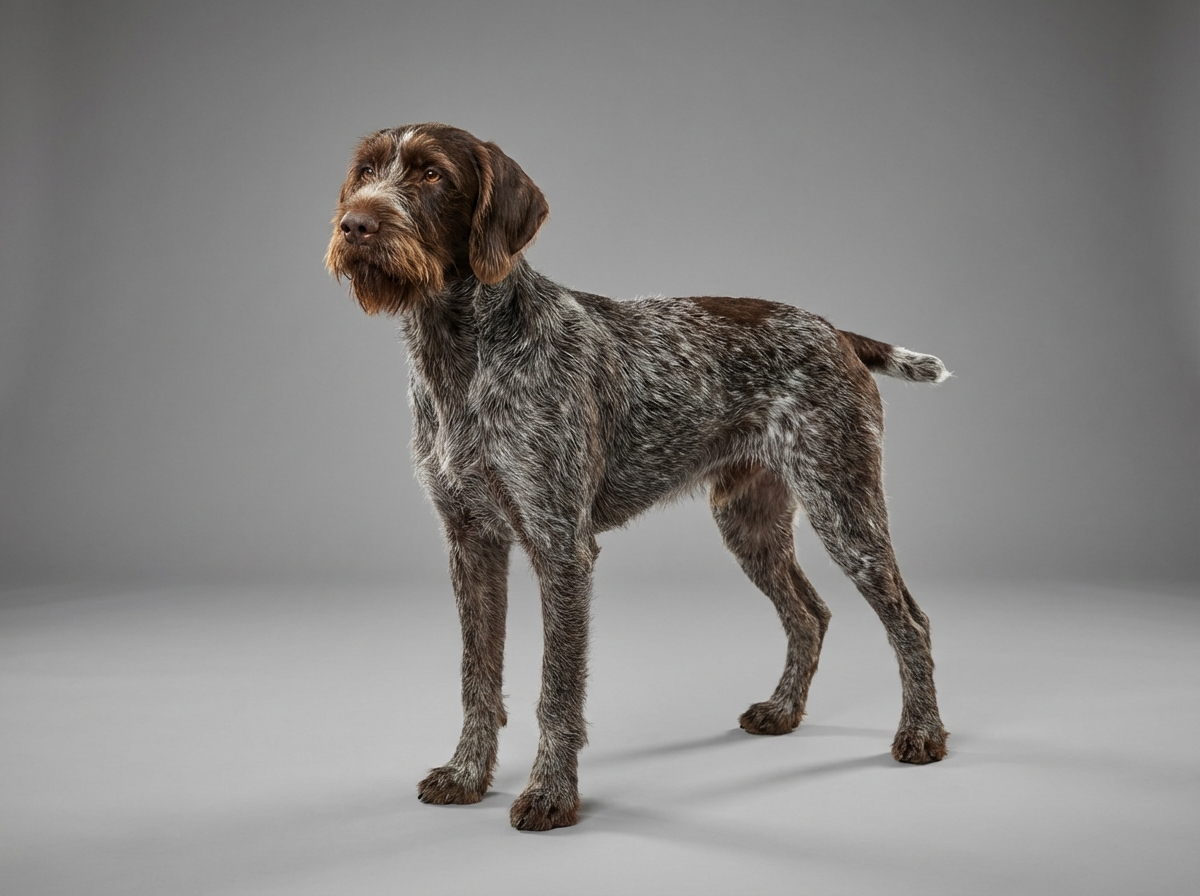
Legg-Calvé-Perthes disease is a serious condition affecting the hip joint of German Wirehaired Pointers. This disease can lead to pain and mobility issues, making it essential for owners to recognize and address it early.
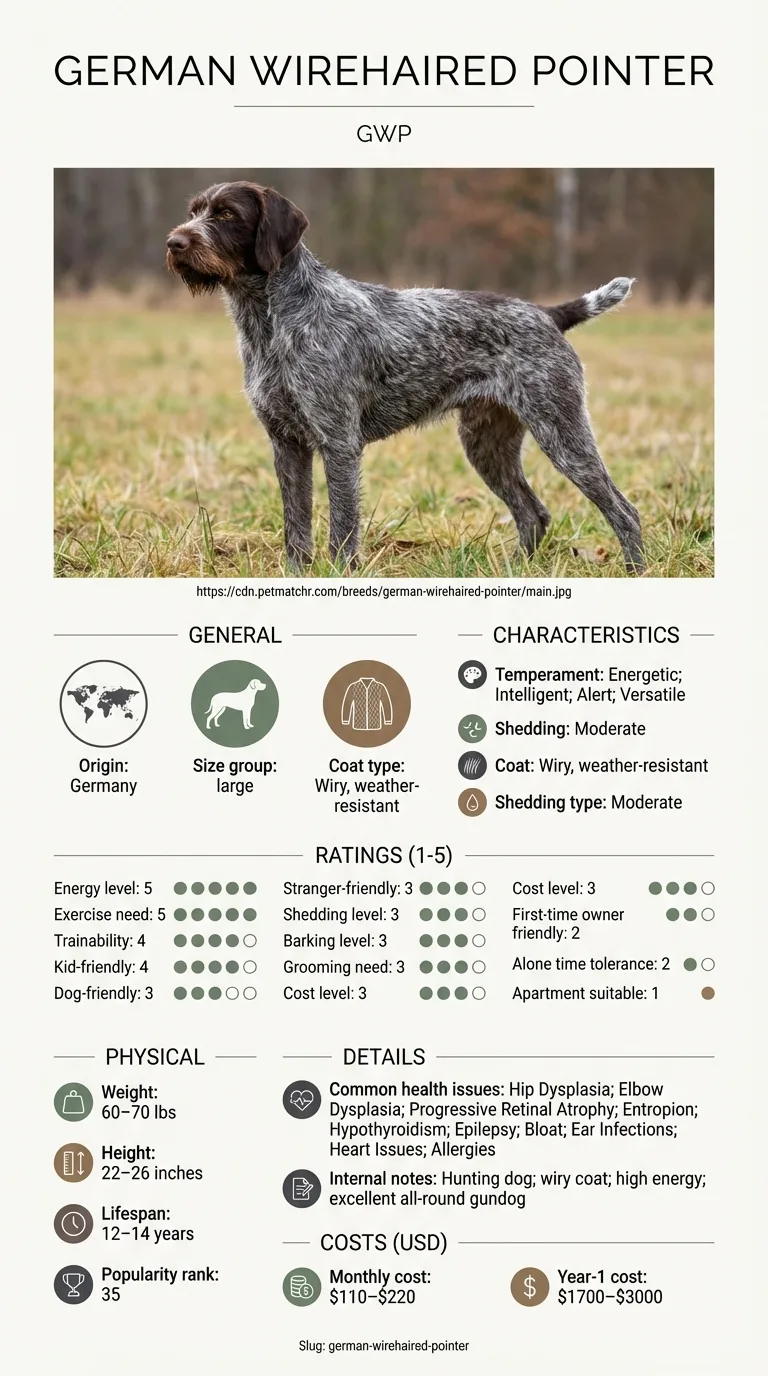
Owners of young German Wirehaired Pointers, especially those who are active and energetic, often face challenges managing this condition. If you’re a first-time dog owner or juggling a busy schedule, understanding and addressing this disease can feel overwhelming.
This guide is not medical advice. If your dog shows pain, sudden behavior change, or worsening symptoms, consult a licensed veterinarian.
Some links may be affiliate links. We may earn a commission at no extra cost to you. We only suggest products we believe are helpful for dog owners.
We research and check what we publish, but we do not warrant that any figure, date, price, or statement is accurate, complete, or current, and we accept no liability for any loss, cost, injury, or other harm arising from the use of this site. Use it as one reference among several. You remain responsible for your own decisions and for your dog's care - confirm anything that matters with a licensed veterinarian or another qualified professional before you act on it. Full disclaimer.
Check this first
Legg-Calvé-Perthes disease affects the hip joint and can lead to severe pain and mobility issues in your German Wirehaired Pointer. It's crucial to know when to seek immediate veterinary care versus when you can monitor the situation at home. Here are the signs to watch for:
Emergency Signs: If your dog shows any of these symptoms, call your vet right away: - Sudden inability to bear weight on the affected leg. - Severe limping accompanied by yelping or signs of pain. - Swelling around the hip joint. - Changes in behavior, such as increased aggression or withdrawal. - Loss of appetite or lethargy.
These symptoms suggest that your dog's condition may be worsening and requires prompt treatment.
Monitor at Home: If your German Wirehaired Pointer has mild symptoms, like slight limping or reluctance to jump, you can likely observe them at home. In this case, keep an eye on their activity level and look for any changes. If they seem to be in less pain and their mobility improves over a few days, you may not need to rush to the vet. However, have a plan to consult your vet if things don’t improve or get worse.
Understanding these signs can help you make informed decisions about your dog's health. Always remember that when in doubt, it’s better to err on the side of caution and consult your veterinarian.
If any of these apply, call your vet or an emergency clinic now. The rest of this page is for the cases that are not an emergency.
German Wirehaired Pointer legg-calvé-perthes disease is a serious condition affecting the hip joint, leading to pain and mobility issues. This disease happens when the blood supply to the hip bone is disrupted, causing the bone to deteriorate. For owners, it can be heartbreaking to see their active pup struggle with everyday activities like walking or playing.
Legg-Calvé-Perthes disease is relatively uncommon but can occur in German Wirehaired Pointers, particularly in younger dogs. If your pup shows signs of limping or reluctance to exercise, it's essential to consult your veterinarian.
German Wirehaired Pointers can be predisposed to Legg-Calvé-Perthes disease due to their genetic makeup. This condition is more common in certain breeds, especially those with smaller or medium builds, but it can also appear in larger dogs. It's important to note that while the GWP is a larger breed, they may still be affected due to inherited traits.
Environmental factors can also contribute to Legg-Calvé-Perthes disease in your German Wirehaired Pointer. These include a lack of exercise, obesity, or trauma to the hip area. Stressful environments can exacerbate the condition, leading to increased pain and discomfort.
It's crucial to talk to your vet if you notice persistent limping, discomfort, or changes in behavior. They can provide an accurate diagnosis and discuss treatment options, which may include medication or surgery.
Avoid these common mistakes to help your German Wirehaired Pointer with legg-calvé-perthes disease.
Start here: German Wirehaired Pointer Most Common Genetic Disorders: Guide
See all German Wirehaired Pointer health problems, which breeds are prone to legg calv perthes disease, or the full German Wirehaired Pointer breed guide for temperament, exercise needs and ownership costs.
You may see improvements in your German Wirehaired Pointer within 4 to 6 weeks of consistent care and follow-up with your vet, but a full recovery can take several months.
Success means your dog can move comfortably, engage in moderate exercise, and show a reduction in pain. Regular vet check-ups will also confirm progress.
Emily, a busy nurse in Chicago, noticed her German Wirehaired Pointer, Max, limping during their daily walks. After a vet visit, she learned that Max had Legg-Calvé-Perthes disease. Determined to help him, Emily followed a tailored treatment plan that included physical therapy and limited activity. Initially, it was tough for Max to adjust, but with Emily's dedication and gradual reintroduction to play, he began to regain his strength. Over several months, Max was able to trot around the park again, much to Emily's joy.
Key takeaway: With patience and a solid plan, owners can help their dogs manage Legg-Calvé-Perthes disease effectively.
Legg-Calvé-Perthes disease in German Wirehaired Pointers is often due to a lack of blood supply to the hip joint, leading to bone necrosis. This condition is more common in younger dogs, typically between 4 to 6 months old. Genetics can also play a role, so it's essential to consult your vet if you notice any symptoms. This answer relates to German Wirehaired Pointer legg-calvé-perthes disease.
Management often includes rest and limited activity to prevent further injury. Your vet may recommend anti-inflammatory medications and, in severe cases, surgery to correct the hip joint. Regular vet check-ups are crucial for monitoring your dog's recovery.
Gentle range-of-motion exercises can help maintain mobility without straining the hip. Swimming is an excellent low-impact activity that promotes joint health. Always consult your vet before starting any new exercise routine.
With proper treatment, many dogs recover well and can lead active lives. However, some may experience arthritis in the affected hip later in life. Early intervention and consistent care can significantly improve your dog's quality of life.
Early signs of Legg-Calvé-Perthes disease in a German Wirehaired Pointer include limping, reduced activity, and reluctance to engage in play. You might also notice them favoring one leg or showing signs of pain when getting up or lying down.
While Legg-Calvé-Perthes disease typically develops in younger dogs, it can also appear in older German Wirehaired Pointers, though it's less common. If you notice any signs of discomfort or mobility issues in an older dog, a vet visit is crucial.
To help your German Wirehaired Pointer with Legg-Calvé-Perthes disease, ensure they have a comfortable resting area and limit their activity to prevent strain. Regular vet check-ups and following a treatment plan, which may include medication or surgery, can significantly improve their quality of life.
If your German Wirehaired Pointer is in pain, contact your vet immediately. They can prescribe appropriate pain relief and discuss treatment options tailored to your dog's condition.
Yes, there is a genetic component to Legg-Calvé-Perthes disease in German Wirehaired Pointers. It's essential to choose reputable breeders who screen for this condition to reduce the risk of passing it on to future generations.
Limit your dog's activity and ensure they rest, especially during flare-ups. Regular vet visits for monitoring and possible treatments are essential.
Treatment can range from $1,700 to $3,000 in the first year, depending on the severity and type of care needed.
Yes, positive reinforcement training can help keep your dog engaged and reduce anxiety while they recover.
A one-page prep sheet for this condition: the signs, the questions to ask, what to get priced. Unlocks here.
You get: Vet visit prep sheet
No spam. One-click unsubscribe. See our privacy policy.
Preview page 1 before you decide.