Behavior
What are quick tips for managing French Bulldog bloat (gastric dilatation-volvulus/gdv)?
Feed smaller meals throughout the day, use slow feeders, and avoid vigorous exercise immediately after eating to help manage French Bulldog bloat.
French Bulldog bloat, or gastric dilatation-volvulus (GDV), is a serious condition that can be life-threatening. Understanding it is crucial for your dog's health. (French Bulldog bloat (gastric dilatation-volvulus/gdv))
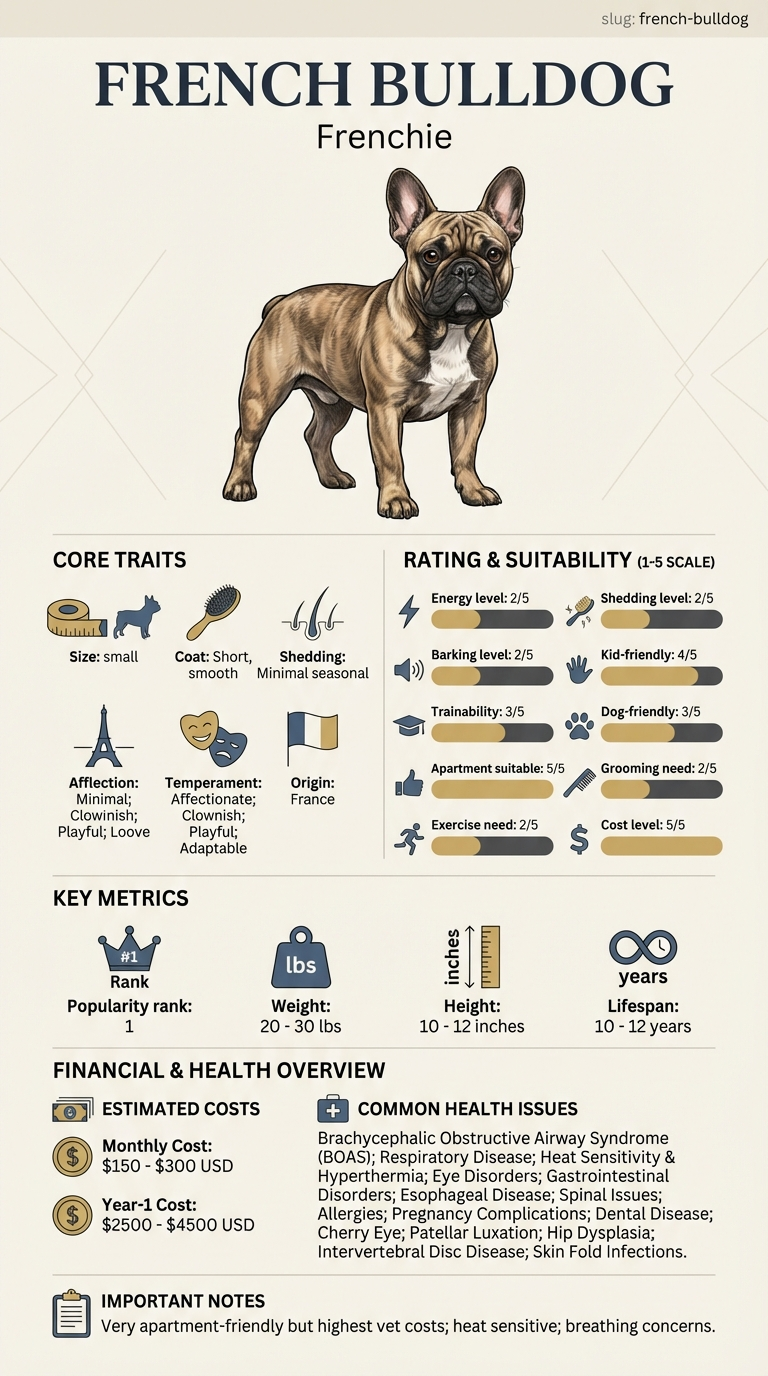
Owners of French Bulldogs, especially first-time pet parents, often find themselves worried about bloat. Busy families, young professionals, and anyone who may not be familiar with this condition may struggle to recognize the signs early, putting their dogs at risk.
This guide is not medical advice. If your dog shows pain, sudden behavior change, or worsening symptoms, consult a licensed veterinarian.
Some links may be affiliate links. We may earn a commission at no extra cost to you. We only suggest products we believe are helpful for dog owners.
French Bulldog bloat, also known as gastric dilatation-volvulus (GDV), is a serious and often life-threatening condition. It occurs when the stomach fills with gas and twists, causing extreme pain and potentially cutting off blood flow. Daily signs may include restlessness, a distended abdomen, and attempts to vomit without success, which can be alarming for pet owners.
Bloat is particularly common in breeds like the French Bulldog due to their unique body structure. While not every Frenchie will experience this condition, the risk remains significant, and it's crucial for owners to be aware and vigilant.
French Bulldogs are prone to bloat due to their unique anatomy. Their short snouts and deep chests can lead to excess air intake during eating, which increases the risk of gastric dilatation. Additionally, their playful and sometimes clumsy nature can result in them swallowing air while running or playing.
Stressful environments can also contribute to bloat. Rapid eating, consuming large meals, or drinking excessive water quickly may trigger the condition. Changes in routine, loud noises, or even the presence of other pets can increase anxiety, leading to faster eating and drinking habits.
If your French Bulldog shows persistent anxiety around food or mealtimes, consider consulting a dog trainer. They can help you address behavioral issues and teach your dog to eat calmly. A trainer can also assist in creating a structured feeding routine that suits your dog's needs.
If your French Bulldog exhibits signs of bloat, such as a swollen abdomen, restlessness, excessive drooling, or attempts to vomit without success, contact your vet immediately. Bloat is a life-threatening condition that requires urgent medical attention. Additionally, if your dog experiences frequent digestive issues, a vet visit is crucial to rule out underlying health problems.
If you notice signs of bloat in your French Bulldog, seek immediate veterinary help. Treatment can be successful, but the timeline for recovery varies from a few days to weeks, depending on the severity of the condition.
Success means your Frenchie returns to their playful self, can eat without issues, and shows no signs of distress. Monitoring their eating habits and avoiding triggers like rapid eating can help prevent future occurrences.
Avoiding certain common behaviors can significantly help manage French Bulldog bloat (gastric dilatation-volvulus/gdv). Here are some mistakes to watch out for, along with safer alternatives.
French Bulldog bloat (gastric dilatation-volvulus/GDV) can become life-threatening very quickly. It's important to recognize the signs that mean you need to call your vet immediately. If your Frenchie shows symptoms like a swollen abdomen, excessive drooling, or attempts to vomit without success, you should act fast. These are red flags that could indicate a serious situation requiring urgent attention.
On the other hand, there are milder symptoms that might not necessitate an emergency trip to the vet. If your French Bulldog seems to be gassy, has a slightly distended belly, or appears uncomfortable but is still eating and drinking normally, you can monitor the situation. In these cases, keeping your dog calm and restricting their food intake for a short period might help. However, if the mild symptoms persist or worsen, don’t hesitate to seek veterinary advice.
Remember, while some signs of bloat can be managed at home, it’s better to err on the side of caution. If you're ever in doubt about your dog's health, contacting your vet is the best course of action. Quick intervention can save your Frenchie's life, so don't wait too long to seek help if you notice serious symptoms.
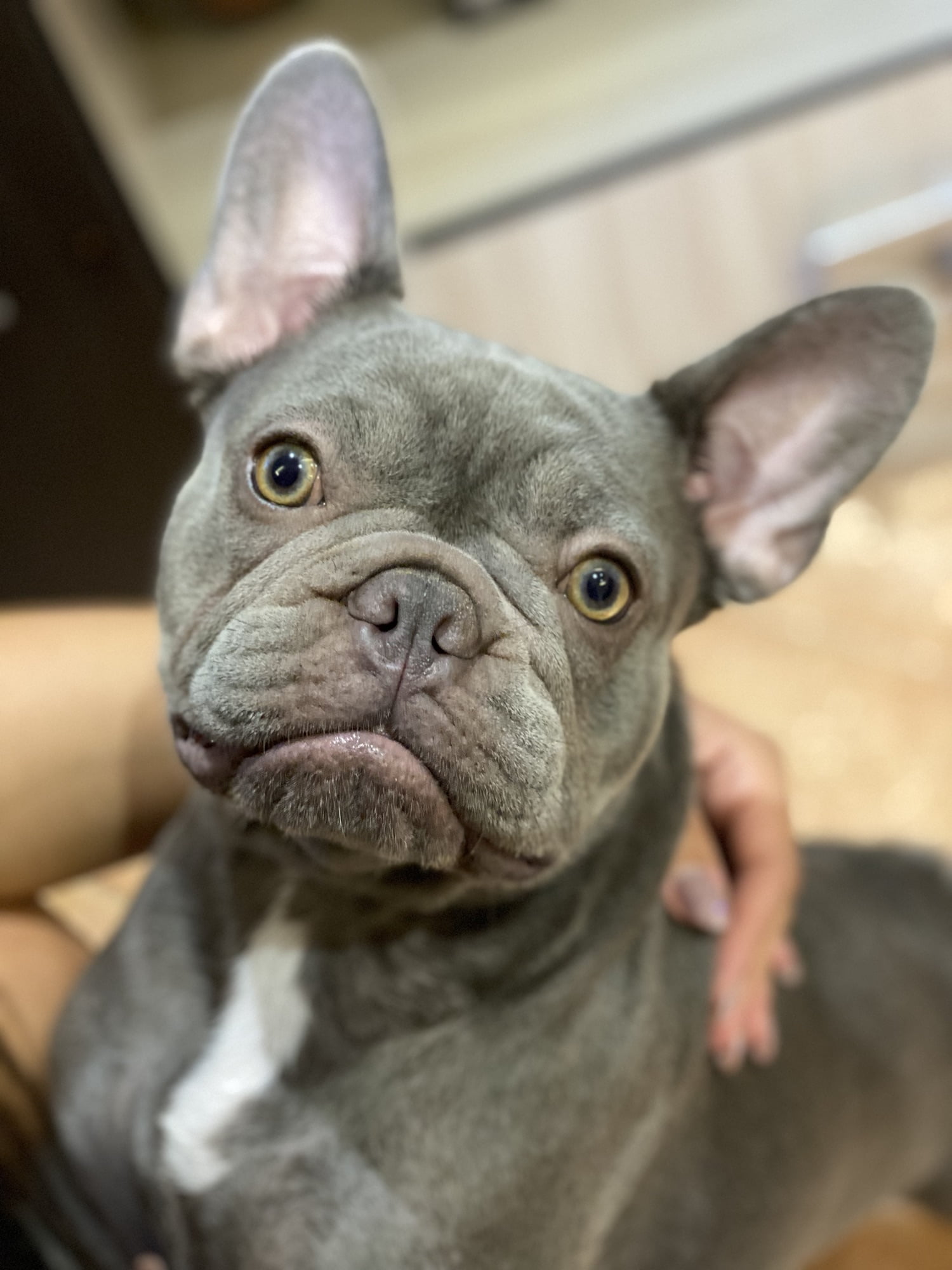
Sarah, a first-time French Bulldog owner, noticed her pup, Max, was more lethargic than usual. After a late-night vet visit, she learned Max had bloat. Following treatment, Sarah learned the importance of feeding him smaller, more frequent meals and keeping him calm after eating. With patience and care, Max not only recovered but became a happier, healthier dog.
Key takeaway: Preventing French Bulldog bloat involves understanding their needs and making small adjustments to their diet and routine.
French Bulldog bloat (gastric dilatation-volvulus/gdv) can be caused by factors such as eating too quickly, stress, or having a large meal before vigorous exercise. This condition is particularly common in brachycephalic breeds like French Bulldogs due to their unique anatomy.
To prevent French Bulldog bloat, feed smaller, more frequent meals instead of one large meal. Additionally, consider using a slow feeder bowl to help reduce the speed at which they eat. Keeping them calm after meals and avoiding exercise for at least an hour post-feeding is also crucial.
Symptoms of French Bulldog bloat include a swollen abdomen, excessive drooling, restlessness, and difficulty breathing. If your dog exhibits these signs, seek immediate veterinary assistance, as bloat can be life-threatening.
If you suspect your French Bulldog has bloat, take them to the vet right away. Treatment often involves stabilizing the dog, decompressing the stomach, and possibly surgery. Time is critical in these situations.
Yes, bloat can have a hereditary component, particularly in breeds like the French Bulldog. If you have a family history of bloat in your dog, discuss this with your veterinarian for preventive measures.
If your French Bulldog shows signs of bloat, such as a swollen abdomen or attempts to vomit without success, seek immediate veterinary care. Bloat can escalate quickly and may require emergency treatment.
Yes, older French Bulldogs may be more susceptible to bloat due to age-related factors such as slower digestion and other health issues. Regular vet check-ups can help monitor their health to prevent potential complications.
Some foods may contribute to bloat in French Bulldogs, especially those that are high in fat or require excessive gas production during digestion. It's best to consult your vet about a suitable diet to minimize this risk.
To help prevent bloat in your French Bulldog, feed smaller meals more frequently instead of one large meal. Additionally, avoid vigorous exercise right after eating and ensure they have access to fresh water.
Bloat can have a genetic component, and some breeds, including French Bulldogs, may have a higher risk. If you have concerns about bloat in your dog, discussing family history with your vet can provide valuable insights.
Feed smaller meals throughout the day, use slow feeders, and avoid vigorous exercise immediately after eating to help manage French Bulldog bloat.
Treatment for French Bulldog bloat can range from $1,500 to $7,500, depending on the severity and required interventions.
Training can help by teaching your dog to stay calm during feeding times, which may reduce the risk of bloat. Pair training with proper feeding practices for the best results.