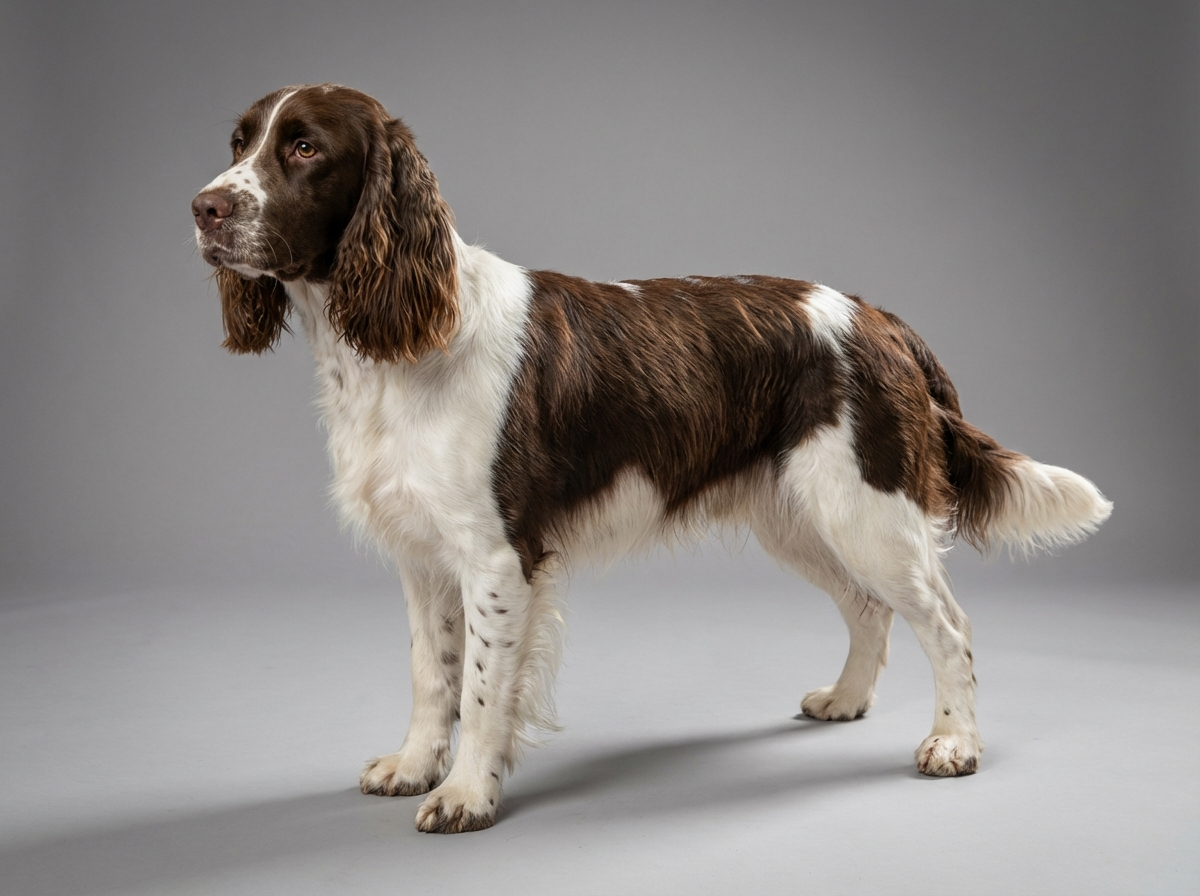
How can I reduce anxiety in my English Springer Spaniel?
Provide consistent training and routine while ensuring your dog has enough exercise. Gradual exposure to new environments can also help. Consider consulting a vet for additional strategies.
Choosing between an English Springer Spaniel purebred and a mixed breed can be tough. This decision impacts your dog's health, behavior, and training needs. (English Springer Spaniel purebred vs. mixed breeds)

New dog owners and families often face this dilemma. They want a loving companion but may be unsure of the best fit for their lifestyle. The choice between an English Springer Spaniel purebred and a mixed breed can feel overwhelming, especially when considering long-term care and training.
This guide is not medical advice. If your dog shows pain, sudden behavior change, or worsening symptoms, consult a licensed veterinarian.
Some links may be affiliate links. We may earn a commission at no extra cost to you. We only suggest products we believe are helpful for dog owners.
The debate of English Springer Spaniel purebred vs. mixed breeds can create confusion for potential dog owners. Purebreds often come with predictable traits but may also face specific health issues. Mixed breeds might offer hybrid vigor, but their characteristics can be less certain, leading to unique challenges in training and behavior.
This issue is fairly common among dog owners, especially those who are new to the breed. Many find that understanding the differences between purebred and mixed breeds helps in making informed choices, but it can also lead to frustration if expectations are not met.
English Springer Spaniels can inherit genetic predispositions from their lineage. Purebred dogs may have a higher chance of certain health issues, like hip dysplasia or allergies, due to selective breeding. These factors can influence their behavior and temperament, sometimes leading to anxiety or other problems.
The environment plays a crucial role in a dog's behavior. Factors like lack of socialization, insufficient exercise, or a stressful home atmosphere can exacerbate anxiety. Mixed breeds may also display varied temperament traits based on their diverse lineage, making their behaviors more unpredictable.
If your English Springer Spaniel continues to show signs of anxiety or behavioral issues despite your efforts, consider enlisting a professional trainer. A trainer can provide tailored strategies and support to address specific problems, fostering a better environment for your dog.
If anxiety seems severe or is accompanied by health issues, such as excessive barking or destructive behavior, consult your vet. They can help rule out any underlying health problems and may recommend behavioral therapy or medications if necessary.
Expect to see improvements in behavior within 4 to 6 weeks of consistent training and socialization.
Success means your English Springer Spaniel will be more adaptable, less anxious, and able to interact positively with other dogs and people.
Avoiding these common mistakes can help improve your English Springer Spaniel's behavior and overall well-being.
Understanding when the differences between English Springer Spaniel purebreds and mixed breeds become an emergency can help you protect your furry friend. Certain signs indicate that immediate veterinary attention is necessary. If your dog shows severe behavioral changes, such as aggression or uncontrollable anxiety, it’s crucial to seek help right away. Additionally, if you notice any significant health issues, like difficulty breathing or severe lethargy, call your vet immediately.

In less severe cases, monitoring your English Springer Spaniel may be appropriate. If your dog is showing mild anxiety, such as occasional barking or restlessness, you can develop a plan to address these behaviors gradually. Similarly, if you notice minor health concerns like slight ear scratching or occasional allergies, keep an eye on these symptoms before making an emergency call. Regular check-ups and proactive care can often prevent these issues from escalating.

Maggie, a busy nurse in Atlanta, adopted a mixed-breed English Springer Spaniel named Charlie. Initially, Charlie struggled with separation anxiety and was overly reactive to other dogs. Maggie felt overwhelmed, often worrying that she had made a mistake in adopting him. After speaking with a trainer, she started a structured routine that included daily training sessions and gradual exposure to different environments. Over time, Charlie became more confident and relaxed, allowing Maggie to enjoy their time together without constant worry.
Key takeaway: With patience and the right approach, even an anxious dog can learn to thrive in new situations.

English Springer Spaniel purebred dogs typically have a predictable temperament and health profile. In contrast, mixed breeds can inherit traits from multiple breeds, which might lead to a more varied temperament and health risks. Understanding these differences helps in making an informed choice.
Training an English Springer Spaniel, whether purebred or mixed, requires consistency and positive reinforcement. Start with basic commands and gradually introduce more complex tasks. Socialization is also key to developing well-rounded behavior.
Behavioral differences in English Springer Spaniels can stem from their breeding, environment, and individual personality. Purebreds may have more predictable behaviors due to their lineage, while mixed breeds may show more variability. Understanding these factors can help in addressing specific issues.
Purebred English Springer Spaniels are prone to certain health issues, including hip dysplasia and ear infections. These risks can sometimes be lower in mixed breeds due to genetic diversity. Regular veterinary check-ups can help manage these risks.
Mixed breeds can be a great choice for families, as they often combine the best traits of multiple breeds. However, it’s essential to assess each dog's temperament, as individual dogs can vary widely. Consider your family's lifestyle when choosing a dog.
If your English Springer Spaniel shows signs of anxiety, consider creating a safe space for them at home. Training techniques, such as positive reinforcement, can help reduce anxiety. If the issue persists, consult a vet for further evaluation.
Mixed breed English Springer Spaniels can be less prone to certain genetic conditions compared to purebreds. This is due to the increased genetic diversity in mixed breeds. However, it’s essential to evaluate each dog individually for health issues.
Training for purebred and mixed breed English Springer Spaniels can be similar, but mixed breeds might have varying temperaments. Focus on understanding your dog's unique traits and adjust training methods accordingly. Consistency and patience are key for both.
Common health issues for English Springer Spaniels include hip dysplasia, ear infections, and allergies. Regular vet check-ups and a healthy diet can help manage these risks. Be proactive in monitoring any changes in behavior or health.
If your English Springer Spaniel exhibits unusual behaviors or symptoms, such as lethargy or loss of appetite, it's time to see a vet. Additionally, if anxiety problems worsen or persist, professional guidance can provide essential support.
Provide consistent training and routine while ensuring your dog has enough exercise. Gradual exposure to new environments can also help. Consider consulting a vet for additional strategies.
Use positive reinforcement techniques like treats and praise to encourage good behavior. Keep training sessions short and engaging to maintain their interest.
Expect to spend between $100 to $200 monthly on care. The first-year costs can range from $1,500 to $2,800, including food, vet visits, and supplies.
Consider your lifestyle, the dog's temperament, and potential health issues. Purebreds may have predictable traits, while mixed breeds can be more adaptable.
They require regular brushing to manage shedding and prevent matting. Bathing should be done as needed, typically every few months.