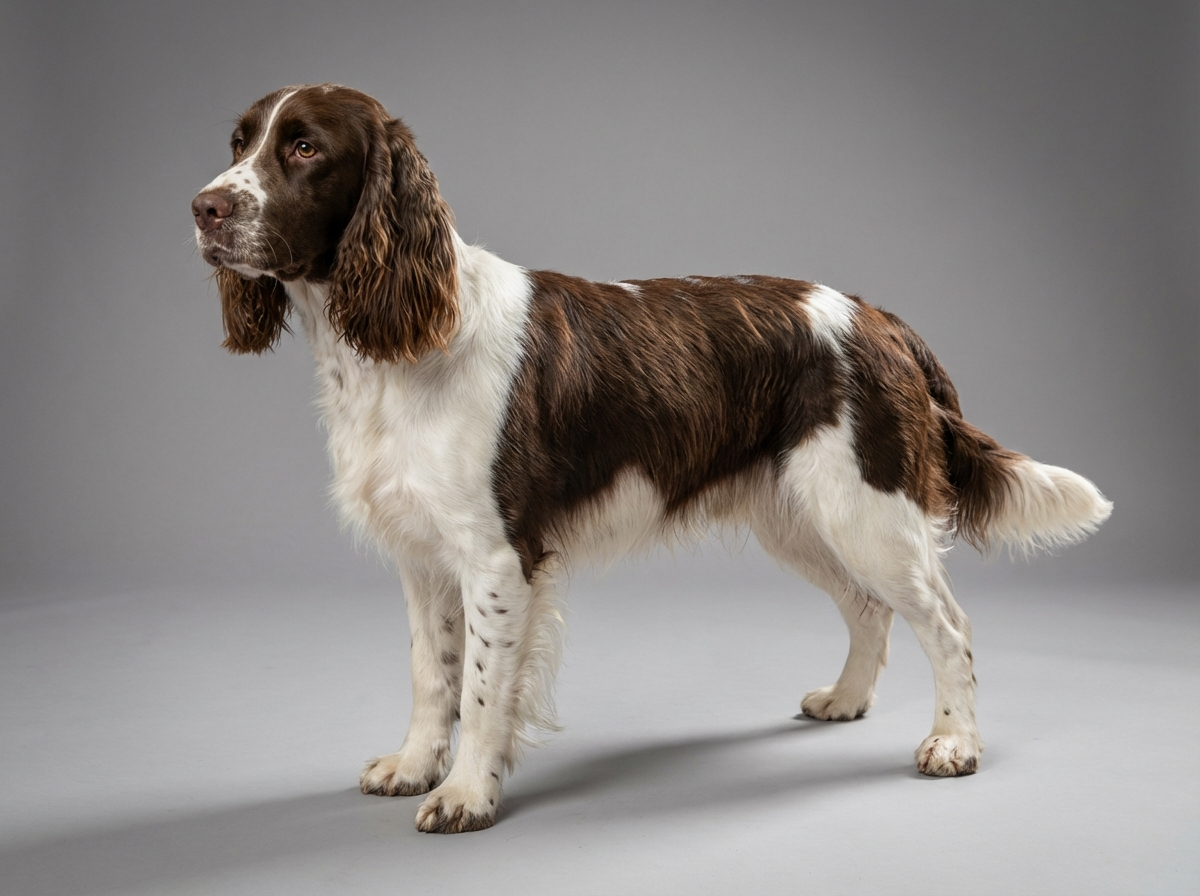
English Springer Spaniel Anesthesia Sensitivity: What You Need to Know
Quick answer
What are quick tips for managing anesthesia sensitivity in English Springer Spaniels?
Ensure your English Springer Spaniel has a thorough vet evaluation and follow pre-anesthetic instructions carefully. Always communicate any past reactions to anesthesia with your vet.
Anesthesia sensitivity in English Springer Spaniels can be a serious concern for owners.
Many dog owners, especially those with English Springer Spaniels, worry about anesthesia sensitivity. This is particularly common among first-time owners and those with pets needing surgeries or dental care.
Important reminder
This guide is not medical advice. If your dog shows pain, sudden behavior change, or worsening symptoms, consult a licensed veterinarian.
Some links may be affiliate links. We may earn a commission at no extra cost to you. We only suggest products we believe are helpful for dog owners.
We research and check what we publish, but we do not warrant that any figure, date, price, or statement is accurate, complete, or current, and we accept no liability for any loss, cost, injury, or other harm arising from the use of this site. Use it as one reference among several. You remain responsible for your own decisions and for your dog's care - confirm anything that matters with a licensed veterinarian or another qualified professional before you act on it. Full disclaimer.
Check this first
When English Springer Spaniel Anesthesia Sensitivity is an Emergency
Anesthesia sensitivity in English Springer Spaniels can lead to serious complications. Knowing when to call your vet is crucial. If your dog shows signs of severe reactions, such as difficulty breathing, excessive drooling, or unresponsiveness, contact your vet immediately. These red flags indicate that immediate medical attention is required.
On the other hand, mild signs like temporary disorientation or slight grogginess after anesthesia can often be monitored. In these cases, you can keep an eye on your dog at home. Ensure they have a comfortable place to rest and are drinking water. If symptoms persist beyond a day or worsen, it's time to seek veterinary advice.
Monitoring your dog closely can help you determine the right course of action. Always trust your instincts—if something feels off, don't hesitate to reach out to your vet for guidance.
If any of these apply, call your vet or an emergency clinic now. The rest of this page is for the cases that are not an emergency.
What this problem looks like
English Springer Spaniel anesthesia sensitivity can be a serious issue for owners. This problem often manifests during routine veterinary procedures, where the dog may have an adverse reaction to anesthesia. Symptoms can include excessive drowsiness, unusual behavior, or longer recovery times, which can be worrying for both the pet and the owner.
Common triggers
Type of anesthetic used
Underlying health conditions
Age of the dog
Anesthesia sensitivity in English Springer Spaniels is not extremely common, but it does occur occasionally, especially in older dogs or those with pre-existing health issues. Awareness and careful monitoring during veterinary visits are essential.
Why this happens
Breed factors
English Springer Spaniels have a genetic predisposition to anesthesia sensitivity. This can be tied to their specific metabolic rates and how their bodies process medications. Some may react negatively to certain anesthetics due to their unique physiology.
Environment factors
Environmental factors can also contribute to anesthesia sensitivity. Stressful experiences, such as previous surgeries or traumatic vet visits, may heighten anxiety about anesthesia. Additionally, underlying health issues, like allergies or infections, can complicate anesthetic responses.
What you can do at home (once it is not an emergency)
When to talk to your vet
Talk to your vet if you notice extreme reactions to anesthesia or if your dog has had prior issues with sedation. They may suggest alternative anesthetics or pre-anesthetic testing to ensure safety.
At home, alongside your vet's plan
Create a calm environment before vet visits. Use familiar items like blankets or toys to soothe your dog.
Practice positive reinforcement training to help your English Springer Spaniel associate vet visits with rewards, like treats or praise.
Get your dog comfortable with the vet's clinic by visiting for non-medical reasons, like weigh-ins or just hanging out.
Mistakes that make Anesthesia Sensitivity worse
Avoiding certain common mistakes can help manage your English Springer Spaniel's anesthesia sensitivity more effectively. Here are some pitfalls to watch out for:
Ignoring symptoms of sensitivity: Failing to recognize signs of anesthesia sensitivity can lead to dangerous situations. Always consult your vet if you notice unusual behavior after anesthesia.
Delaying veterinary visits: Procrastinating on vet check-ups can worsen underlying health issues. Regular check-ups help monitor your dog's health and anesthesia sensitivity.
Overlooking medical history: Not mentioning past reactions to anesthesia during vet visits is a mistake. Always provide your vet with a complete medical history for the best care.
Assuming all anesthetics are the same: Different anesthetics can affect dogs differently. Work with your vet to find the safest options for your English Springer Spaniel.
Neglecting post-anesthesia care: Failing to follow post-op care instructions can lead to complications. Ensure you understand and follow your vet's aftercare guidelines.
Not training your dog for vet visits: If your dog is anxious during vet visits, it can exacerbate sensitivity issues. Training your dog to feel comfortable at the vet can help reduce stress.
Using home remedies instead of consulting a vet: Relying on unverified home remedies can worsen health issues. Always consult your veterinarian for appropriate treatments.
More English Springer Spaniel health & behavior issues
Most dogs with English Springer Spaniel anesthesia sensitivity can show improvement within 2 to 4 months of consistent care and follow-up with your vetful management.
Success means your dog displays reduced anxiety during vet visits, manageable responses to anesthesia, and an overall calmer demeanor around medical procedures.
A Vet Visit Transformation: Mia and Max
Mia, a busy nurse in Seattle, struggled with her English Springer Spaniel, Max, who was extremely sensitive to anesthesia. Each time Max needed a routine procedure, he would become anxious and fearful, making trips to the vet a stressful ordeal. After discussing his sensitivity with her vet, Mia learned how to prepare Max for these visits. She implemented a desensitization training plan that included positive reinforcement and gradual exposure to vet environments. Over a few months, Max became more relaxed, and his anxiety around anesthesia significantly decreased. Now, Mia can take him to the vet without fear, knowing he will handle the situation much better.
Key takeaway: With patience and the right training techniques, you can help your English Springer Spaniel manage anesthesia sensitivity, making vet visits less stressful for both of you.
Frequently asked questions
Why does my English Springer Spaniel have anesthesia sensitivity?
English Springer Spaniels may be sensitive to anesthesia due to genetic factors or underlying health issues. It's essential to discuss any concerns with your vet, who can evaluate their health history and recommend the safest options for anesthesia.
How to stop English Springer Spaniel anesthesia sensitivity?
While you can't entirely eliminate anesthesia sensitivity, you can minimize risks by ensuring your English Springer Spaniel undergoes thorough pre-anesthetic evaluations. This includes blood tests and health assessments to tailor the anesthesia plan to their specific needs.
What signs indicate anesthesia sensitivity in my English Springer Spaniel?
Signs of anesthesia sensitivity may include prolonged recovery from sedation, unusual behavior post-anesthesia, or difficulty waking up. If you notice any of these symptoms, contact your vet immediately for guidance.
Is anesthesia sensitivity common in English Springer Spaniels?
Anesthesia sensitivity can occur in any breed, but some English Springer Spaniels may be more prone due to their health predispositions. Regular vet check-ups can help identify potential concerns before any procedures.
What precautions should I take before my English Springer Spaniel undergoes anesthesia?
Before anesthesia, ensure your dog is healthy and disclose any previous reactions to anesthesia. Your vet may recommend fasting before the procedure and conducting blood work to assess liver and kidney function.
Can training help with anesthesia sensitivity in English Springer Spaniels?
While training won't directly reduce anesthesia sensitivity, proper training can help your dog feel more comfortable in stressful situations. This can lead to a smoother experience when they require anesthesia for medical procedures.
What should I do if my English Springer Spaniel has anxiety about vet visits?
If your English Springer Spaniel shows anxiety during vet visits, consider gradual desensitization techniques, positive reinforcement, or consulting a behaviorist. Creating a calm environment can also help ease their anxiety.
Is anesthesia sensitivity hereditary in English Springer Spaniels?
Yes, anesthesia sensitivity can have a genetic component. If you have a family history of anesthesia reactions in your English Springer Spaniel, mention this to your vet before any procedures.
Can older English Springer Spaniels be more prone to anesthesia sensitivity?
Older dogs may have an increased risk of anesthesia sensitivity due to age-related health issues. It's essential to have a thorough pre-anesthetic evaluation for older English Springer Spaniels to ensure their safety.
What should I do if my English Springer Spaniel has a bad reaction to anesthesia?
If your dog has a bad reaction, contact your veterinarian immediately. They may recommend further tests or adjustments for future procedures to minimize risks.
How can I prepare my English Springer Spaniel for anesthesia if they have sensitivity issues?
Discuss your concerns with your vet well in advance. They may suggest pre-anesthetic tests or a tailored anesthetic plan to enhance safety for your English Springer Spaniel.
What are quick tips for managing anesthesia sensitivity in English Springer Spaniels?
Ensure your English Springer Spaniel has a thorough vet evaluation and follow pre-anesthetic instructions carefully. Always communicate any past reactions to anesthesia with your vet.
Living
How can I prepare my English Springer Spaniel for surgery?
Prepare your dog by following your vet's fasting instructions and providing a calm environment before the surgery. Familiar items like their favorite blanket can help comfort them.
Health
What are common health issues that can affect anesthesia sensitivity?
Common health issues include hip dysplasia and allergies, which can complicate anesthesia. Regular check-ups can help identify these issues early.
Training
Are there specific training techniques to help my English Springer Spaniel with vet visits?
Use positive reinforcement techniques like treats and praise to help your dog associate vet visits with positive experiences. Gradual exposure can also reduce their anxiety.
Health
What should I watch for after anesthesia in my English Springer Spaniel?
After anesthesia, watch for prolonged lethargy, vomiting, or unusual behavior. Contact your vet if any concerning symptoms arise.
A fuller vet-visit kit for English Springer Spaniel Anesthesia Sensitivity
The free prep sheet covers the same-day warning signs, a symptom log and the questions to ask. We are considering a fuller kit that adds a cost worksheet for the usual tests and treatments (US price ranges with their sources) and a plain-English guide to ways of covering the bill. It is not built yet; this list tells us whether it is worth building.
One email, no spam, unsubscribe anytime. Information only, not veterinary advice.