English Springer Spaniel Allergies: Causes and Solutions
English Springer Spaniel allergies can cause discomfort and health issues for your pet. Understanding these allergies is crucial for their well-being.
This issue often affects dog owners who notice their pets scratching excessively, experiencing ear infections, or having skin irritations. Busy families or first-time dog owners may find these allergies challenging to manage without the right information.
Important reminder
This guide is not medical advice. If your dog shows pain, sudden behavior change, or worsening symptoms, consult a licensed veterinarian.
Some links may be affiliate links. We may earn a commission at no extra cost to you. We only suggest products we believe are helpful for dog owners.
What this problem looks like
English Springer Spaniel allergies can be a daily challenge for both dogs and their owners. Common symptoms include itching, skin irritations, and ear infections. These allergies may stem from food or environmental triggers, making it crucial to identify and manage them effectively.
Common triggers
Certain food ingredients like grains or proteins
Pollen, dust mites, and mold
Flea bites and other parasites
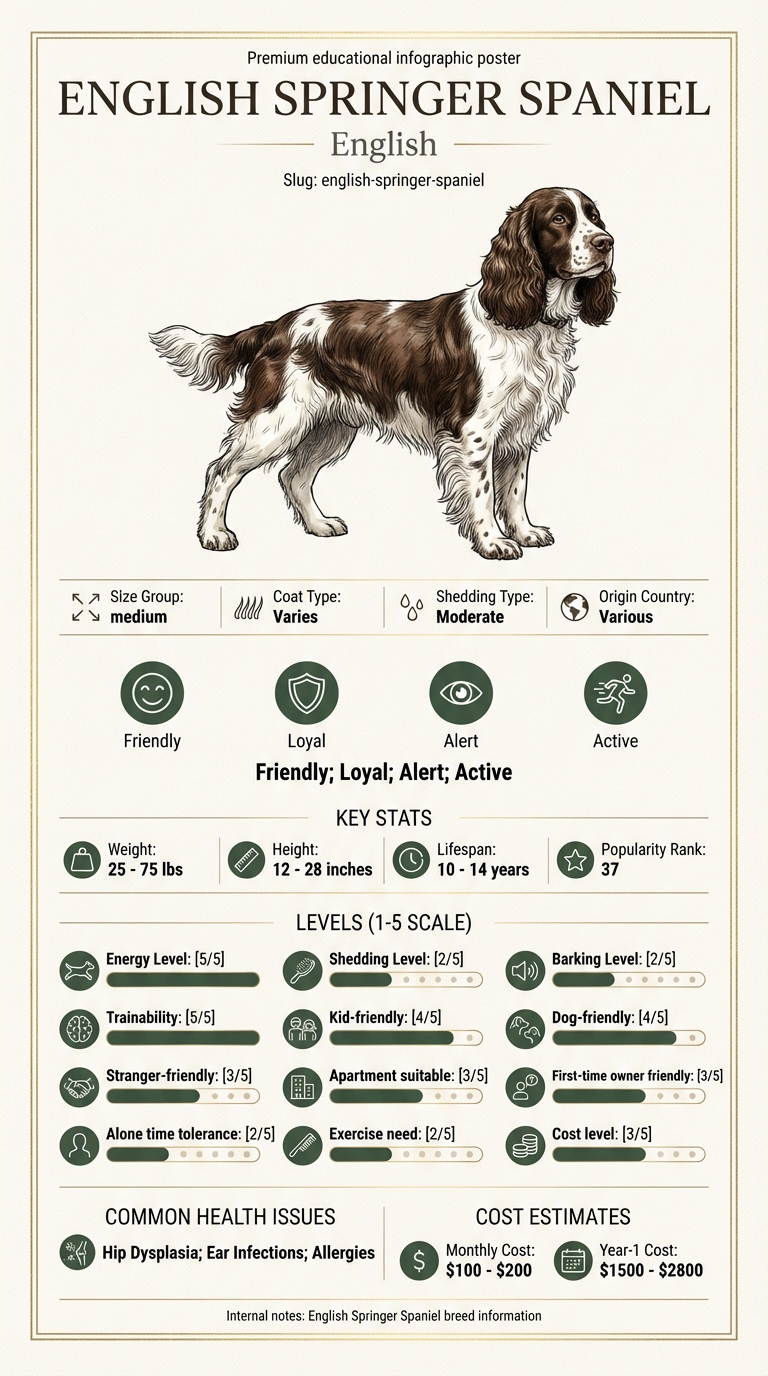
Allergies are a common health issue in English Springer Spaniels, affecting many dogs throughout their lives. It’s essential to be aware of this risk when bringing one of these friendly and active dogs into your home.
Why this happens
Breed factors
English Springer Spaniels can be prone to allergies due to their genetic makeup. Their immune systems may overreact to certain substances, leading to allergic reactions. Common issues include food allergies, which can cause skin irritations and gastrointestinal problems.
Environment factors
Environmental factors also play a significant role in allergies. Pollens, dust, mold, and certain chemicals in cleaning products can trigger symptoms. If your English Springer Spaniel is frequently exposed to these allergens, it may lead to ongoing discomfort.
What you can try
At-home strategies
Keep your home clean by vacuuming regularly to reduce dust and allergens. Use air purifiers to help filter out airborne irritants.
Consider an allergy-friendly diet. Consult a vet about hypoallergenic dog food if you suspect food allergies.
Bathe your dog regularly using hypoallergenic shampoos to soothe skin irritations. This can help remove allergens from their coat.
When to consider a trainer
If your English Springer Spaniel shows signs of anxiety or behavioral changes due to allergies, consider seeking a trainer. They can help address any stress-related behaviors that might arise.
When to talk to your vet
If symptoms persist despite your efforts, it's essential to consult a vet. They can perform allergy tests or recommend medications to manage your dog's condition effectively.
Realistic expectations
You can expect to see improvements in your English Springer Spaniel's allergies within 4 to 8 weeks of implementing changes.
Success means your dog shows fewer allergy symptoms, such as itching or skin irritation, and enjoys a better quality of life.
Mistakes that make this worse
Here are some common mistakes that can aggravate English Springer Spaniel allergies and tips for better practices.
Ignoring Symptoms: Many owners dismiss signs of allergies like itching or ear infections. Instead, consult a vet promptly for the best treatment.
Inconsistent Diet: Some owners frequently change their dog's food. Stick to a consistent, high-quality diet to help identify food allergies and avoid flare-ups.
Over-bathing: Bathing your dog too often can strip essential oils from their skin, worsening allergies. Limit baths to once a month or as recommended by your vet.
Neglecting Cleaning: Owners often forget to clean their dog's bedding and living areas. Regularly wash these items to reduce allergens in your home.
Using Harsh Products: Many owners use strong cleaning products that may trigger allergies. Opt for pet-safe, hypoallergenic cleaners to keep your home allergen-free.
Skipping Vet Visits: Some owners avoid regular vet check-ups, thinking they can manage allergies on their own. Regular visits are crucial for monitoring and adjusting treatments.
When to Seek Emergency Care for English Springer Spaniel Allergies
Recognizing when your English Springer Spaniel allergies require immediate veterinary attention is crucial. Certain symptoms signal that it's time to call your vet right away. These include severe swelling, difficulty breathing, or excessive vomiting. If your dog shows signs of shock, such as pale gums or lethargy, do not wait—get to the vet immediately.
On the other hand, mild allergies can often be monitored at home. If your English Springer Spaniel is experiencing sneezing, itching, or a mild rash, these are generally treatable conditions that may not require urgent care. You can start by observing your dog's behavior, noting any changes in appetite or activity levels. You may also consider changes in diet or environment to manage their allergies more effectively.
Keep a watchful eye on their symptoms and maintain a plan for regular vet check-ups to discuss any persistent issues. Always trust your instincts—if you feel something is off with your dog, it’s better to be safe and consult your vet.
English Springer Spaniel Allergies: Causes and Solutions - When to Seek Emergency Care for English Springer Spaniel Allergies
Finding Relief for Max's Allergies
When Sarah adopted Max, her English Springer Spaniel, she quickly noticed he was constantly itching and scratching. After consulting her vet, she learned that Max had environmental allergies. Sarah followed a detailed allergy management plan that included switching his diet and minimizing exposure to pollen. Within a few weeks, Max's symptoms improved significantly, and he was able to enjoy playtime without discomfort.
Key takeaway: With patience and a proactive approach, you can effectively manage your English Springer Spaniel’s allergies and enhance their well-being.
Frequently asked questions
Why does my English Springer Spaniel have allergies?
English Springer Spaniels can develop allergies to food, pollen, dust, and certain materials. These allergies can lead to symptoms like itching, skin infections, or ear infections. Consulting your vet is essential to pinpoint the exact cause and create a management plan.
How can I stop my English Springer Spaniel from having allergies?
To manage English Springer Spaniel allergies, start by identifying triggers through allergy testing. Your vet may recommend a special diet, medication, or environmental changes. Regular grooming can also help remove allergens from their coat.
What are common symptoms of allergies in English Springer Spaniels?
Symptoms of allergies in English Springer Spaniels include excessive itching, redness, ear infections, and gastrointestinal upset. You might also notice hair loss or a change in their skin condition. If you see these signs, it's best to consult your veterinarian.
Are there specific foods that can help with allergies in English Springer Spaniels?
Yes, hypoallergenic diets can help manage food allergies in English Springer Spaniels. These diets typically contain novel proteins and limited ingredients to reduce allergic reactions. Always consult your vet before changing your dog's diet.
How can I train my English Springer Spaniel to stop scratching?
Training your English Springer Spaniel to stop scratching involves redirecting their behavior when they start. Positive reinforcement for calm behavior and providing distractions can be effective. However, addressing the underlying allergy issue is crucial for long-term success.
What are common signs of allergies in an English Springer Spaniel?
Common signs of allergies include excessive scratching, licking, or biting at the skin. You might also notice red, inflamed skin, hair loss, or recurrent ear infections. If you see these symptoms, it's a good idea to consult your vet.
Can allergies in older English Springer Spaniels worsen over time?
Yes, allergies can become more pronounced as your dog ages. Older dogs may develop sensitivities to allergens they previously tolerated. Regular vet check-ups can help manage their health effectively.
How can I tell if my dog's allergies are food-related?
If your English Springer Spaniel shows symptoms like vomiting, diarrhea, or skin issues after eating, it could be food-related allergies. A vet can help you with an elimination diet to identify specific triggers.
When should I take my English Springer Spaniel to the vet for allergies?
You should see a vet if your dog is excessively scratching, has persistent ear infections, or shows severe symptoms like swelling or difficulty breathing. Early intervention can prevent more serious health issues.
Are there any home remedies for English Springer Spaniel allergies?
While some home remedies like oatmeal baths may soothe itchy skin, it's essential to consult your vet first. They can recommend safe and effective treatments tailored to your dog's specific allergy needs.
What are quick tips for managing English Springer Spaniel allergies?
Regularly bathe your English Springer Spaniel with a gentle shampoo to reduce allergens on their skin. Keep their living area clean and free of dust and pollen. Consult your vet for appropriate medications or diet changes.
Costs
How much does it cost to treat allergies in an English Springer Spaniel?
Treating allergies in an English Springer Spaniel can range from $100 to $200 per month, depending on medications and vet visits. Initial allergy testing can also add to costs, so budget accordingly.
Health
What health issues are common with English Springer Spaniel allergies?
Common health issues related to allergies in English Springer Spaniels include chronic ear infections and skin infections. Regular check-ups can help prevent these complications.
Related DogBreedCompass guides
Understanding English Springer Spaniel allergies – Learn about the specific allergies that can affect your English Springer Spaniel and how to manage them.
English Springer Spaniel allergies training – Explore effective training techniques to help your English Springer Spaniel cope with allergies.
English Springer Spaniel behavior problems – Check out common behavior issues related to allergies in English Springer Spaniels and how to address them.
English Springer Spaniel cost breakdown – Find out what you need to know about the costs of owning an English Springer Spaniel, including potential allergy-related expenses.
English Springer Spaniel separation anxiety guide – If you suspect your English Springer Spaniel has separation anxiety, read this guide to help them feel more secure.