Behavior
What are quick tips for managing Doberman Pinscher allergies?
Regular grooming, a hypoallergenic diet, and keeping their living area clean are essential. Consult your vet for specific allergy treatments.
Doberman Pinscher allergies can lead to discomfort and health issues for your dog. Addressing these allergies is crucial for their well-being.
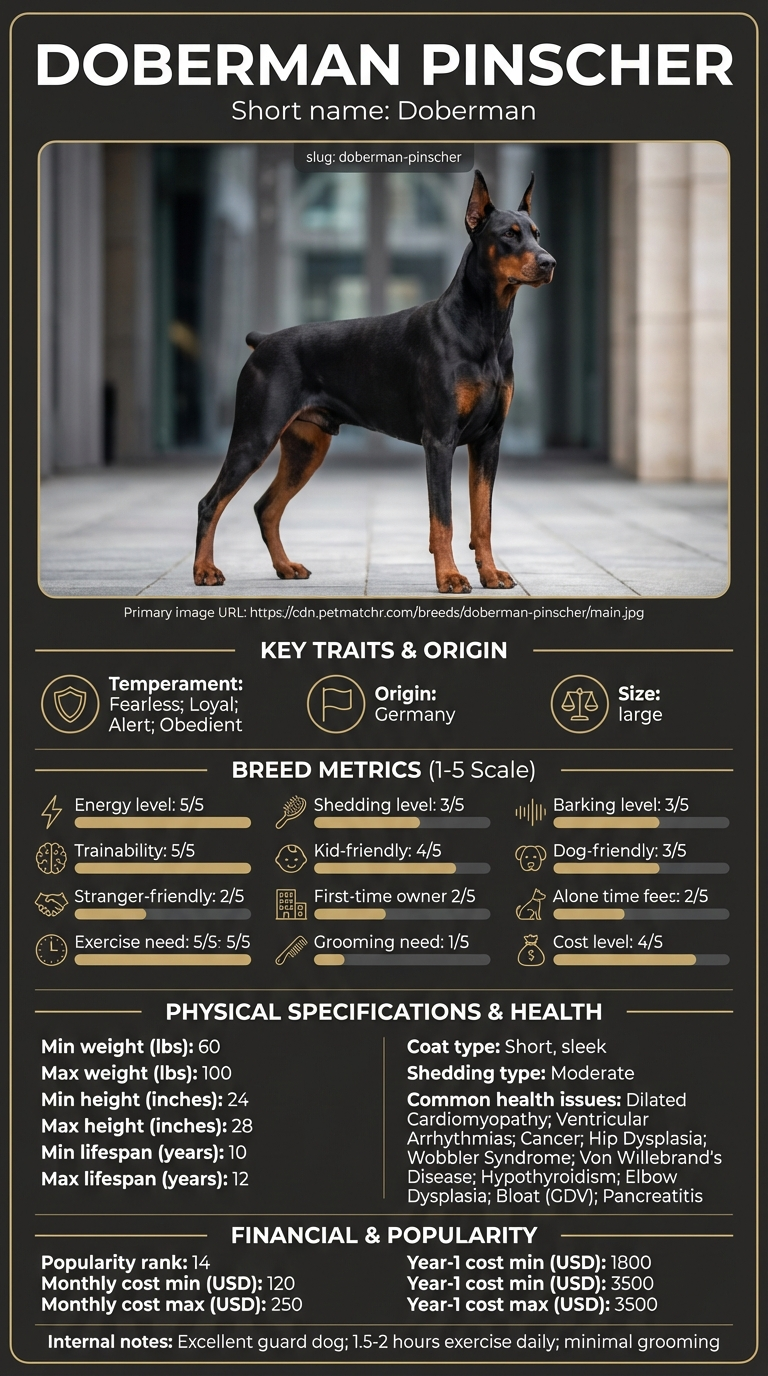
Typical owners facing this issue are those with active Dobermans who spend a lot of time outdoors. They may also be first-time dog owners, unsure how to manage these allergies effectively.
This guide is not medical advice. If your dog shows pain, sudden behavior change, or worsening symptoms, consult a licensed veterinarian.
Some links may be affiliate links. We may earn a commission at no extra cost to you. We only suggest products we believe are helpful for dog owners.
Doberman Pinscher allergies can manifest in various ways, including itching, skin irritations, and chronic ear infections. These issues can significantly affect their quality of life, leading to discomfort and anxiety. It's common for Dobermans to develop allergies due to environmental factors like pollen or certain food ingredients.
Allergies are relatively common in Doberman Pinschers. Many owners report that their dogs experience some form of allergy during their lifetime. This breed's immune system can react strongly to allergens, making them particularly sensitive.
Doberman Pinschers can be more prone to certain allergies due to their genetic makeup. They may inherit sensitivities to specific foods or environmental allergens, like pollen or dust mites. Additionally, their short, sleek coat offers less protection from allergens, making them more susceptible to skin reactions.
Environmental factors play a significant role in Doberman Pinscher allergies. Common triggers include pollen, mold, and dust in the home. Changes in diet, exposure to new cleaning products, or even stress can exacerbate allergy symptoms.
If your Doberman shows signs of anxiety or distress related to their allergies, consider working with a trainer. They can help with coping strategies to alleviate stress during allergy flare-ups.
If home strategies don't improve your dog's symptoms, it's time to consult a vet. They can conduct tests to determine specific allergies and may recommend treatments like antihistamines or allergy shots.
You may start to see improvement in your Doberman Pinscher's allergies within 4 to 6 weeks of implementing changes.
Success means reduced allergy symptoms, such as less itching and fewer ear infections, leading to a happier and healthier dog.
Avoiding these common mistakes can help manage your Doberman Pinscher's allergies more effectively.
Recognizing when Doberman Pinscher allergies are serious is crucial for your pet's health. While some allergic reactions may be mild and manageable at home, others can pose immediate health risks. Here’s how to tell the difference.
You should call your vet right away if your Doberman shows any of these red-flag symptoms: - Severe itching or scratching that leads to open sores. - Swelling of the face, especially around the eyes and muzzle. - Difficulty breathing or wheezing. - Vomiting or diarrhea that persists or is severe. - Signs of shock, including weakness or collapse.
These signs indicate a potentially life-threatening allergic reaction, necessitating immediate veterinary attention. On the other hand, mild cases can often be monitored at home. If your Doberman has a runny nose, occasional sneezing, or mild itching, these could be signs of seasonal allergies or food sensitivities. You can manage these symptoms with a plan, which may include: - Regular baths with hypoallergenic shampoo. - Changing their diet to a limited-ingredient formula. - Keeping a journal to track triggers and symptoms.
In these cases, it’s important to consult with your vet about a management strategy. They can help you determine the best course of action and when to escalate to emergency care. Always err on the side of caution if you're unsure about your dog's condition. Your Doberman’s health is worth it.
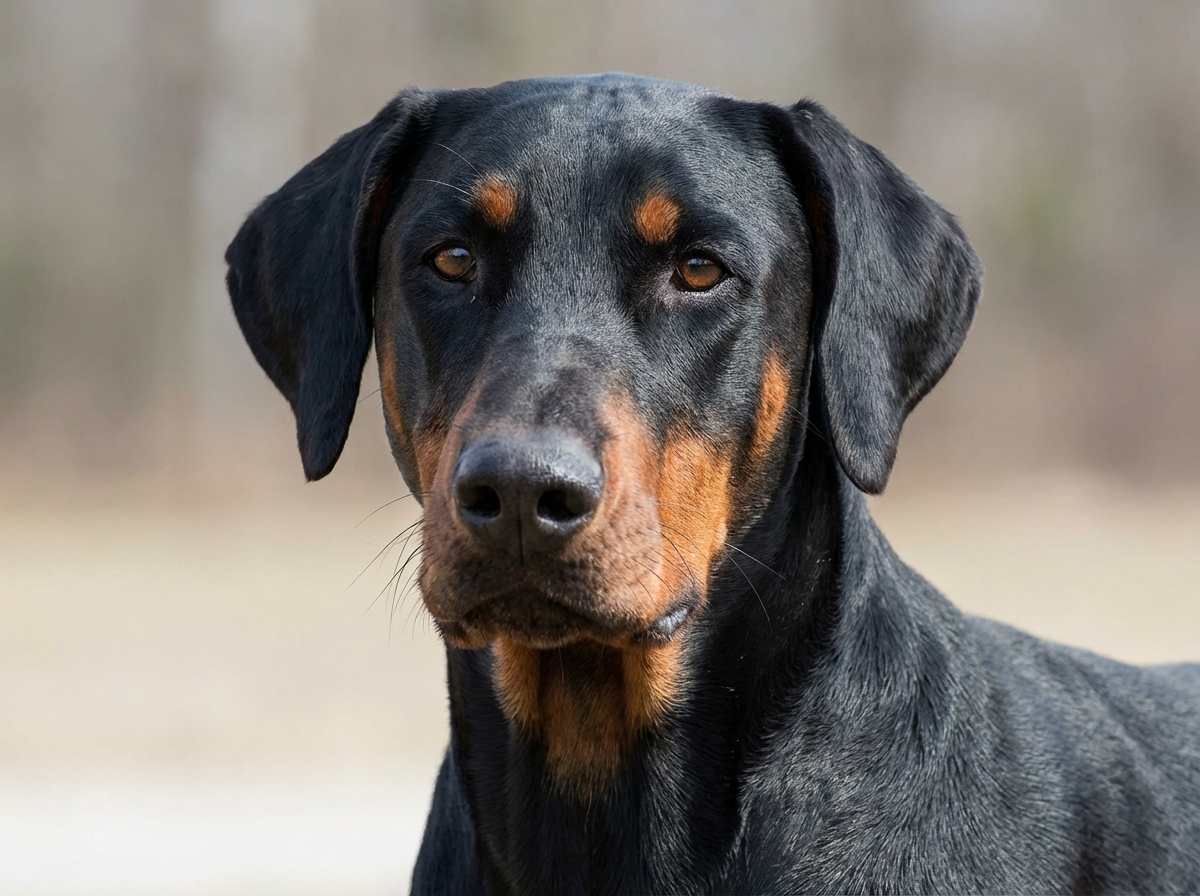
Sophie, a busy nurse in San Francisco, adopted Max, a lively Doberman Pinscher. Shortly after bringing him home, she noticed he was constantly scratching and had redness on his skin. After a vet visit, she learned Max had allergies, likely due to his food and environmental factors. Determined to help him, Sophie switched to a hypoallergenic diet and began vacuuming daily to reduce dust and pollen in their small apartment. Within a few weeks, Max's symptoms improved significantly, and he was much more comfortable.
Key takeaway: With patience and consistent effort, it’s possible to manage Doberman Pinscher allergies effectively, leading to a happier life for both dog and owner.
Doberman Pinschers can suffer from allergies due to environmental factors like pollen, dust, or mold, as well as food ingredients. It's essential to monitor their symptoms and consult your vet for an accurate diagnosis and treatment options.
To manage Doberman Pinscher allergies, start by identifying and avoiding allergens. Regular grooming and a healthy diet can also help reduce symptoms. If allergies persist, your vet may recommend antihistamines or other treatments.
Common signs include excessive itching, skin irritations, and ear infections. You might also notice sneezing or watery eyes. If you see these symptoms, a vet visit is crucial for proper care.
Yes, a hypoallergenic diet can be beneficial for Doberman Pinschers with food allergies. Look for foods that contain limited ingredients and avoid common allergens like wheat or soy. Always consult your vet before changing their diet.
Regular baths with a vet-recommended shampoo can help soothe skin allergies in your Doberman Pinscher. Keeping their environment clean and using hypoallergenic bedding can also reduce irritants.
While some dogs may outgrow certain allergies, many Doberman Pinschers will have lifelong sensitivities. Regular vet check-ups can help manage their allergies effectively.
Treatments for Doberman Pinscher allergies can include antihistamines, corticosteroids, or immunotherapy. Your vet will help determine the best approach based on your dog's specific needs.
Common signs of allergies in Doberman Pinschers include excessive scratching, skin rashes, and ear infections. You may also notice watery eyes or sneezing, especially during certain seasons. If you see these symptoms, it may be time to consult your vet.
Yes, Doberman Pinscher allergies can develop at any age. Even if your dog has never had allergies before, they can become sensitive to certain foods or environmental factors as they get older. Regular vet check-ups can help monitor any changes.
If your Doberman has a severe allergic reaction, such as swelling or difficulty breathing, seek emergency veterinary care immediately. Quick action is crucial in severe cases to ensure your dog's safety. Always keep your vet's contact information handy.
Yes, some common food allergens for Doberman Pinschers include beef, chicken, dairy, and wheat. It's important to monitor your dog's diet and keep a food diary if you suspect food allergies. Your vet can help you determine the best diet plan.
Managing your Doberman Pinscher's allergies at home can include regular cleaning to reduce allergens, using hypoallergenic dog food, and bathing them with special shampoos. Consult your vet about possible medications or treatments that can help alleviate their symptoms.
Regular grooming, a hypoallergenic diet, and keeping their living area clean are essential. Consult your vet for specific allergy treatments.
Look for excessive scratching, skin rashes, or ear infections as signs of allergies. Early detection can lead to better management.
Treatment costs can vary, but expect to spend between $120 to $250 monthly depending on medication and care needs.
Bathing every 4-6 weeks with a gentle, vet-recommended shampoo can help manage skin allergies effectively.
Some over-the-counter antihistamines may be safe, but always check with your vet before giving any medication to your Doberman.


