DogBreedCompass
← Back to breed profile

Understanding Collie (Rough Collie) Brachycephalic Features

Collie (Rough Collie) brachycephalic features can lead to breathing difficulties, affecting your dog's quality of life.

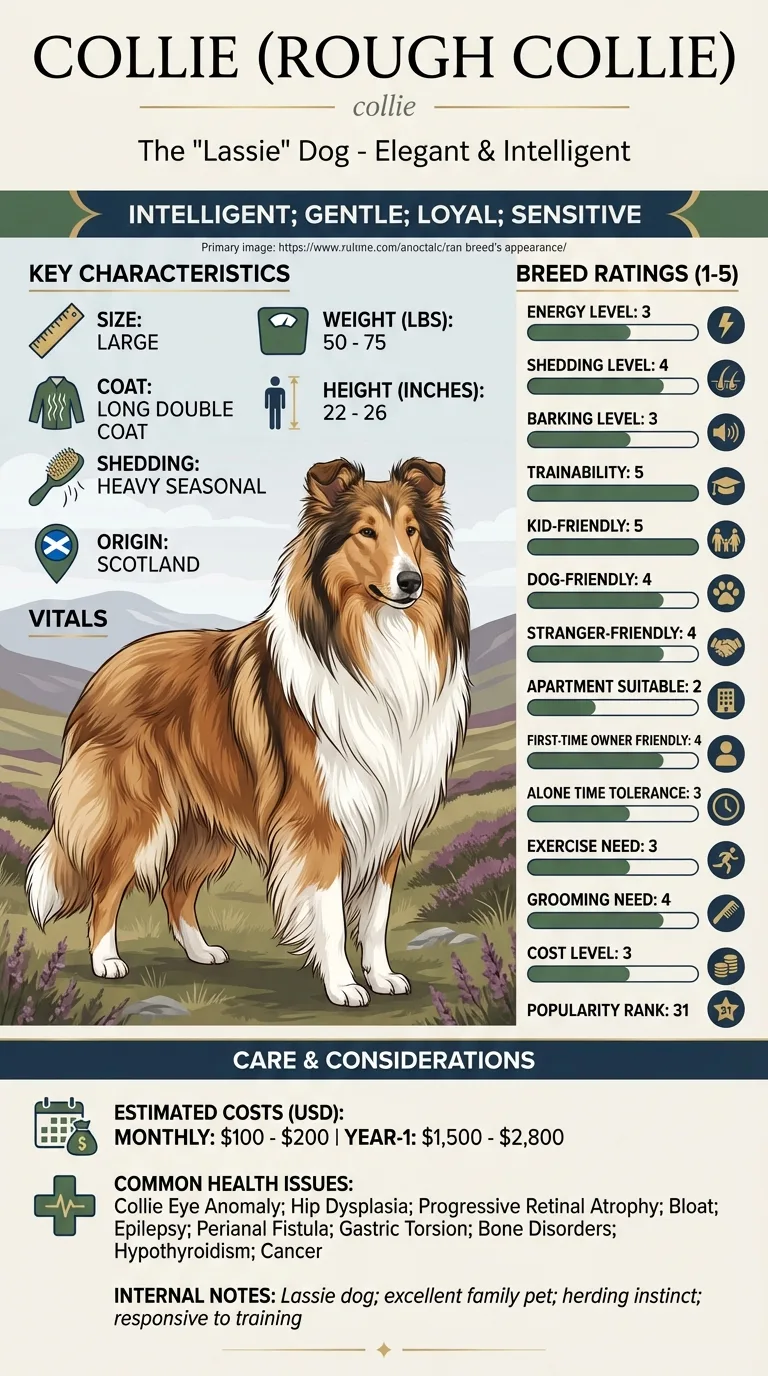
Understanding Collie (Rough Collie) Brachycephalic Features infographic

This issue often affects owners of Collies who are unaware of the breed's tendencies. New dog parents, particularly those who live in warmer climates or have active lifestyles, may struggle with managing their dog's breathing difficulties.

Important reminder

This guide is not medical advice. If your dog shows pain, sudden behavior change, or worsening symptoms, consult a licensed veterinarian.

Some links may be affiliate links. We may earn a commission at no extra cost to you. We only suggest products we believe are helpful for dog owners.

What this problem looks like

Collies, particularly the Rough Collie, can sometimes exhibit brachycephalic features, which may lead to breathing difficulties. This issue can manifest during physical exertion or in hot weather, causing distress for the dog and concern for the owner. While not as common in Collies as in breeds like Bulldogs, it's still a notable issue.

Common triggers

  • Hot weather or high humidity
  • Intense physical activity or stress
  • Obesity, which can exacerbate breathing problems

Brachycephalic features in Rough Collies are relatively uncommon, but they can still occur. Owners should be aware of the signs and monitor their dog's breathing, especially during exercise or in heat.

Why this happens

Breed factors

Collies, including the Rough Collie, are not typically brachycephalic breeds. However, they can develop brachycephalic-like features due to genetic factors or breeding practices focused on aesthetics rather than health. This can lead to breathing difficulties, especially in certain individuals.

Environment factors

Environmental factors can contribute to the development of brachycephalic features in Collies. Obesity, lack of exercise, or living in a hot and humid climate can exacerbate breathing issues. Stressful situations can also heighten anxiety, impacting their respiratory health.

What you can try

At-home strategies

  • Maintain a healthy weight for your Collie. Regular exercise and a balanced diet can help prevent weight gain, which is crucial for minimizing breathing issues.
  • Create a calm environment. Reducing stressors at home can help your dog feel more relaxed, which may ease anxiety-related breathing problems.
  • Monitor temperature and humidity. Ensure your Collie doesn't overheat, especially during summer. Provide plenty of water and shade, and avoid intense exercise in hot weather.

When to consider a trainer

If your Collie exhibits significant behavioral issues related to anxiety or stress, consider hiring a trainer. A professional can provide personalized strategies to help manage these behaviors effectively.

When to talk to your vet

Consult your vet if you notice consistent breathing difficulties or if your Collie shows signs of distress. They can rule out any serious health issues and may suggest treatments or interventions to improve your dog's quality of life.

Realistic expectations

With consistent training and management, you can see improvements in your Collie's behavior within 4 to 6 months.

Success means your Collie breathes comfortably during activities, shows reduced anxiety, and responds well to training commands.

Mistakes that make this worse

Avoiding common mistakes can help manage the brachycephalic features in your Collie (Rough Collie). Here are some behaviors to steer clear of and safer alternatives to consider.

  • Ignoring Signs of Distress: If your Collie shows signs of breathing difficulties, such as excessive panting or lethargy, it's essential to address these immediately. Instead, take breaks during exercise or seek veterinary advice.
  • Overexerting During Exercise: Pushing your Collie too hard during playtime can worsen breathing issues. Opt for shorter, more frequent walks rather than long, intense sessions.
  • Using Flat Collars: A flat collar can strain your dog's throat and exacerbate breathing problems. Consider using a harness that distributes pressure more evenly.
  • Neglecting Weight Management: Obesity can worsen brachycephalic issues. Ensure your Collie maintains a healthy weight through balanced nutrition and regular exercise.
  • Allowing Hot Conditions: Heat can be particularly challenging for dogs with brachycephalic features. Always provide access to cool, shaded areas and avoid outdoor activities during peak heat.
  • Delaying Veterinary Visits: If you notice worsening symptoms, putting off a vet visit can lead to more severe issues. Schedule regular check-ups to monitor your dog's health.
  • Avoiding Training: Some owners may think training is unnecessary. However, training can reduce anxiety and improve behavior, making it easier for your Collie to cope with their condition.

When Collie (Rough Collie) Brachycephalic Features Are an Emergency

Understanding when your Collie (Rough Collie) has brachycephalic features that require immediate veterinary attention is crucial. Emergency signs include severe breathing difficulties, excessive panting, or any sign of blue-tinged gums. If your dog collapses, shows signs of confusion, or is unable to stand, call your vet immediately. These symptoms indicate a serious problem that could escalate quickly if not addressed.

On the other hand, if your Collie occasionally shows mild signs like shortness of breath during intense play or after a long walk, this may not be an emergency. Monitor your dog and ensure they have plenty of water and rest. You can create a plan to track their breathing patterns and activities, adjusting exercise levels as necessary. Keeping an eye on their overall health can help you manage their condition effectively without panic.

Understanding Collie (Rough Collie) Brachycephalic Features - When Collie (Rough Collie) Brachycephalic Features Are an Emergency

A Busy Family's Journey with Their Collie

The Johnson family had always dreamed of owning a Collie (Rough Collie). When they brought home their new puppy, Max, they quickly noticed he struggled with breathing during playtime. After some research, they learned about brachycephalic features and decided to take action. They started a training program focused on managing Max's energy levels and reducing his anxiety through structured play and short training sessions. They also consulted their vet for advice on keeping Max comfortable. Over time, Max became more relaxed and was able to enjoy longer walks without issues.

Key takeaway: With patience and the right approach, managing a Collie's brachycephalic features can lead to a happier, healthier pet.

Frequently asked questions

Why does my Collie (Rough Collie) have brachycephalic features?

Brachycephalic features in Collies can result from breeding practices that prioritize certain physical traits. Though these features are less common in this breed, some Collies may have shorter snouts that can lead to breathing difficulties. It's important to monitor their breathing and consult a vet if you notice any issues. This answer relates to Collie (Rough Collie) brachycephalic features.

How can I stop my Collie (Rough Collie) from having breathing issues related to brachycephalic features?

To help manage your Collie's breathing difficulties, ensure they maintain a healthy weight and avoid excessive heat. Regular exercise is crucial, but it should be balanced with rest, especially during hot weather. If breathing problems persist, consult your veterinarian for tailored advice.

What training techniques can help reduce my Collie’s breathing problems?

Training your Collie to be calm and relaxed can reduce stress-related breathing issues. Use positive reinforcement to encourage calm behavior and avoid strenuous activities during hot or humid weather. Gradually acclimating them to exercise can also help.

Are there specific health checks I should consider for my Collie’s brachycephalic features?

Regular vet check-ups are essential, especially for monitoring respiratory health. Look for signs of distress, such as labored breathing or excessive panting. Your vet may recommend specific tests to assess any underlying issues.

What are the signs that my Collie (Rough Collie) is struggling with brachycephalic breathing?

Signs of breathing difficulties include excessive panting, coughing, or difficulty exercising. If your Collie seems lethargic or has a bluish tint to their gums, seek veterinary help immediately. Early intervention can make a significant difference.

Why does my Collie (Rough Collie) have brachycephalic features?

Brachycephalic features in dogs typically result from selective breeding practices. Although the Collie (Rough Collie) isn't primarily known for these traits, some individuals may exhibit them due to genetic variations. It's essential to monitor your dog's breathing and seek veterinary advice if you notice any difficulties.

What should I do if my Collie (Rough Collie) shows signs of breathing difficulties?

If your Collie is having trouble breathing, it's crucial to consult a veterinarian immediately. Breathing issues can lead to severe health problems if left untreated. Your vet can provide a thorough examination and recommend the best treatment options.

Can older Collies (Rough Collies) develop brachycephalic features?

Yes, older Collies can develop brachycephalic features over time, especially if they have underlying health issues. Regular check-ups with your vet are important to catch any changes in your dog's health early. They can help determine if these features are affecting your dog's quality of life.

Are there specific training techniques for Collies (Rough Collies) with brachycephalic features?

Training a Collie with brachycephalic features should focus on gentle methods that don't stress them physically. Short, positive training sessions can help reinforce good behaviors without overexerting them. Always keep an eye on their breathing during training.

How can I help my Collie (Rough Collie) with brachycephalic features stay comfortable?

To keep your Collie comfortable, ensure they have a cool, well-ventilated environment. Avoid strenuous exercise, especially in hot weather, and provide plenty of fresh water. Regular vet check-ups can also help manage any potential health issues related to their breathing.

Quick answers

View more answers
Behavior

What are some quick tips for managing Collie (Rough Collie) brachycephalic features?

Keep your Collie cool and avoid strenuous exercise in hot weather. Regular vet visits can catch issues early, and maintaining a healthy weight is crucial for their breathing.

Health

How can I tell if my Collie is overweight?

Check if you can feel their ribs without too much pressure. If you can’t, or if they have a noticeable belly, it may be time to adjust their diet and exercise.

Health

What are common health issues in Collies?

Collies can face health issues like Collie Eye Anomaly and hip dysplasia. Regular vet check-ups can help manage these risks effectively.

Related DogBreedCompass guides

  • Collie (Rough Collie) behavior problemsLearn how to address common behavior issues in Collies, including those stemming from brachycephalic features.
  • Collie (Rough Collie) brachycephalic features trainingExplore tailored training techniques that can help manage and reduce the impact of brachycephalic features.
  • Collie (Rough Collie) separation anxiety guideUnderstand the signs of separation anxiety in Collies and how to help your dog cope.
  • Collie (Rough Collie) cost breakdownDiscover the estimated ownership costs of a Collie, including potential medical expenses related to brachycephalic features.
  • Collie (Rough Collie) common health issuesFind out about health issues that may affect your Collie, including those linked to their brachycephalic features.

Related guides