Behavior
How can I tell if my Border Collie is bloated?
Look for a swollen abdomen, pacing, or unsuccessful attempts to vomit. These signs require immediate veterinary attention.
Border Collie gastric dilatation-volvulus (GDV/bloat) is a serious and potentially life-threatening condition that affects your dog's stomach.
Owners of Border Collies, especially those who are first-time pet parents, need to be particularly aware of this condition. Busy families or individuals who may overlook their dog's eating habits or exercise needs could face this dangerous situation.
This guide is not medical advice. If your dog shows pain, sudden behavior change, or worsening symptoms, consult a licensed veterinarian.
Some links may be affiliate links. We may earn a commission at no extra cost to you. We only suggest products we believe are helpful for dog owners.
Border Collie gastric dilatation-volvulus (GDV/bloat) is a serious condition that occurs when the stomach fills with gas and twists on itself. This can happen suddenly, often after eating a large meal or drinking too much water. Owners may notice their dog pacing, drooling, or trying to vomit without success, which can be alarming and requires immediate veterinary attention.
GDV/bloat is particularly concerning for Border Collies, as they can be prone to this condition. While not every Border Collie will experience it, the risk is higher in larger breeds with deep chests. It's essential to be aware of the symptoms and triggers, as quick action can save your dog's life.
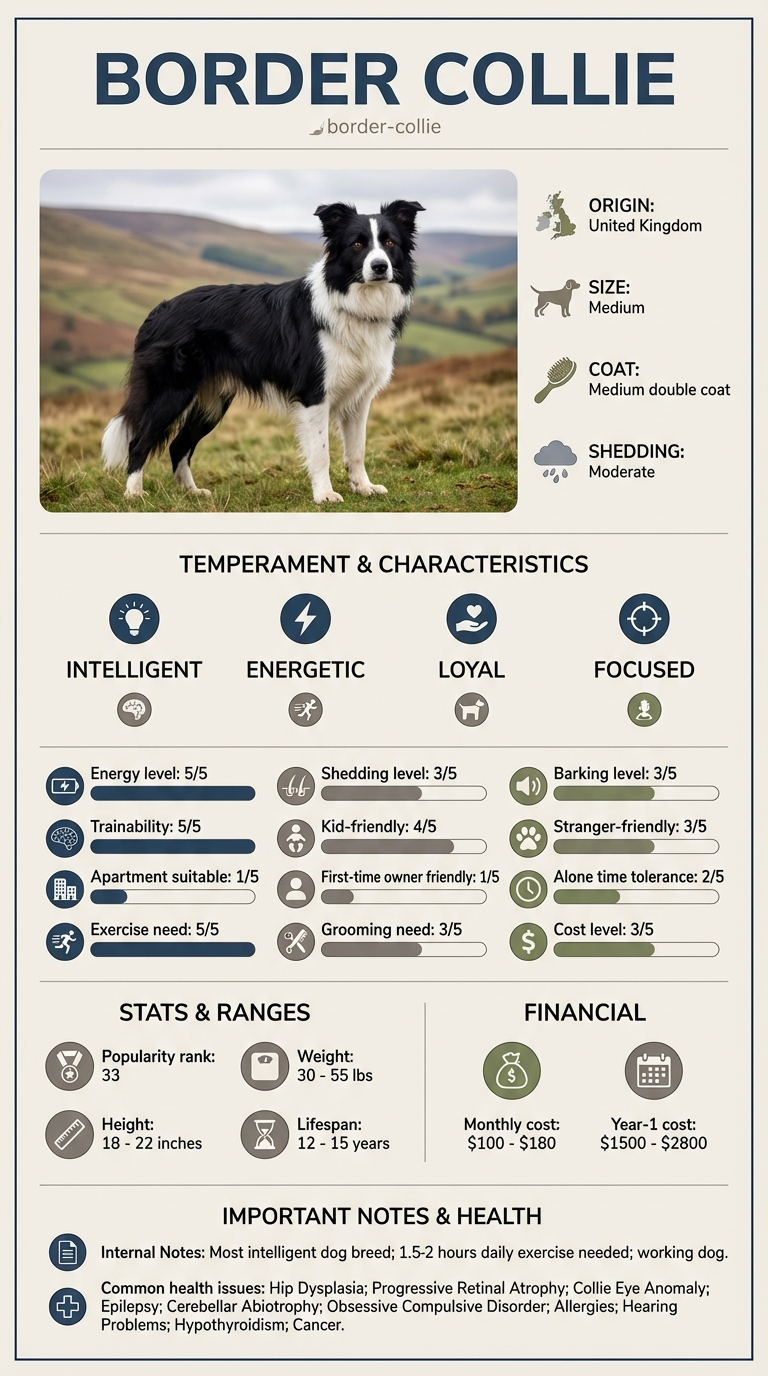
Border Collies are medium-sized dogs with deep chests, making them more prone to gastric dilatation-volvulus (GDV), also known as bloat. Their energetic nature and tendency to eat quickly can increase the risk of this condition, as it may lead to excess air in the stomach. Additionally, the breed's intelligence can lead to stress-related eating behaviors, further exacerbating the problem.
Environmental factors like feeding habits and stress levels can significantly contribute to GDV. For example, feeding your Border Collie large meals or allowing them to exercise right after eating can increase the risk. Stressful situations, such as loud noises or changes in routine, can also trigger anxiety that may lead to rapid eating or drinking, which heightens the chance of bloat.
If your Border Collie shows signs of anxiety around mealtime or exhibits problematic eating behaviors, consider consulting a professional trainer. They can provide strategies to reduce anxiety and improve eating habits.
If you notice any symptoms of GDV, such as a swollen abdomen, retching without vomiting, or excessive drooling, contact your vet immediately. GDV is life-threatening and requires urgent medical attention.
Addressing Border Collie gastric dilatation-volvulus (GDV/bloat) involves immediate veterinary intervention. After treatment, owners should focus on preventative measures for several months, with ongoing monitoring.
Success means your Border Collie remains bloat-free, has a healthy appetite, and displays normal energy levels. Consistent training and dietary management help maintain this well-being.
Avoiding these common mistakes can help manage your Border Collie's gastric dilatation-volvulus (GDV/bloat) more effectively.
Gastric dilatation-volvulus (GDV), or bloat, is a serious condition that can affect your Border Collie. It's crucial to understand when this issue requires immediate veterinary attention versus when it can be monitored. If your dog shows any red-flag signs, it’s time to call your vet right away.
Emergency signs include a swollen abdomen, excessive drooling, restlessness, or attempts to vomit without success. Other critical indicators are rapid breathing, pale gums, and signs of severe pain. If you notice any combination of these symptoms, don’t hesitate—seek emergency care immediately.
In contrast, if your Border Collie is experiencing mild bloating without severe symptoms, you can monitor the situation at home. For example, if your dog seems slightly uncomfortable but is still eating, drinking, and behaving normally, you might choose to wait and observe. Keeping your pup calm and avoiding exercise can help. Always have a plan in place, and if symptoms worsen, get to your vet without delay.
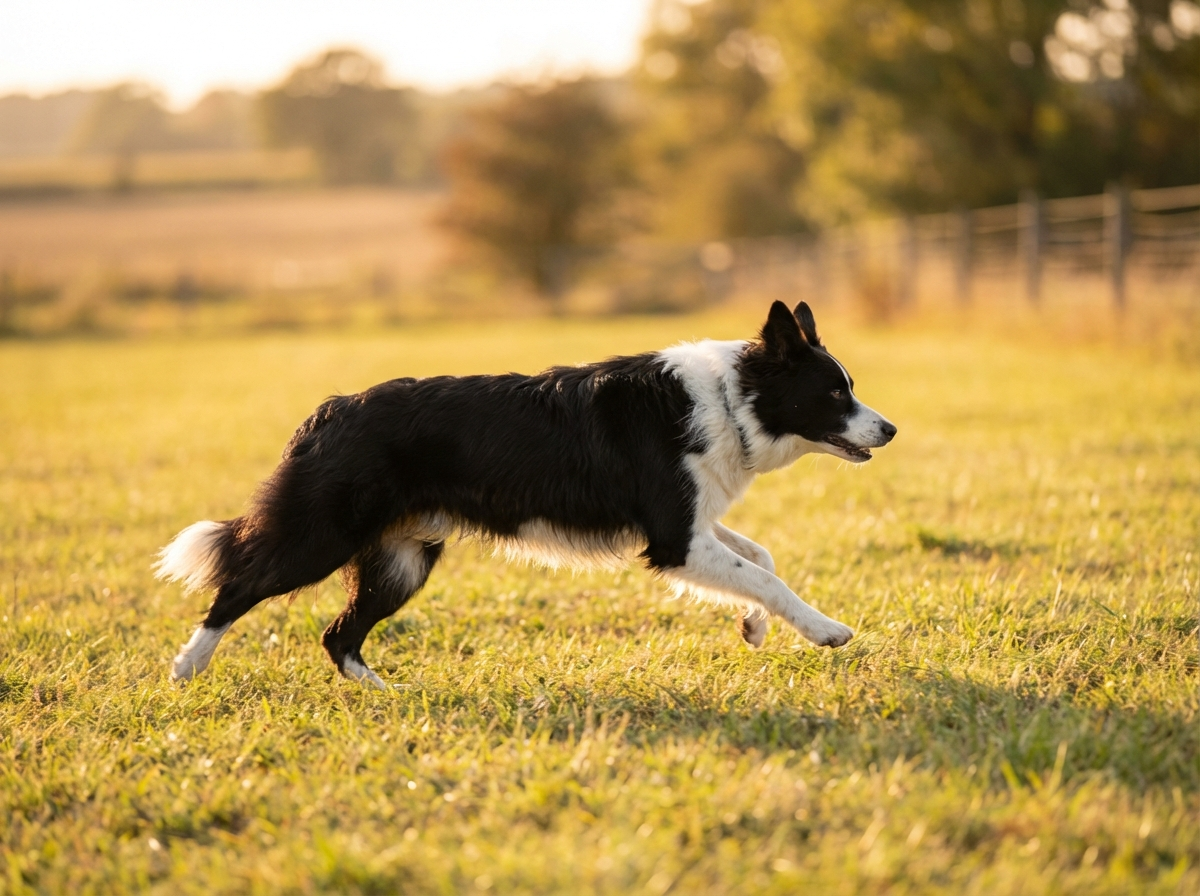
Sarah, a busy nurse in Seattle, noticed her Border Collie, Max, was unusually lethargic and had a bloated stomach. After a late-night trip to the vet, she learned that Max had gastric dilatation-volvulus (GDV), a life-threatening condition. Fortunately, the vet performed emergency surgery, and Max recovered well. Sarah learned the importance of feeding him smaller meals and avoiding vigorous exercise right after eating. She also became vigilant about recognizing early signs of bloat.
Key takeaway: Understanding the risks of Border Collie gastric dilatation-volvulus (GDV/bloat) and taking preventive measures can save your dog's life.
Border Collie gastric dilatation-volvulus (gdv/bloat) is a serious, life-threatening condition where the stomach fills with gas and twists. This can lead to severe complications and requires immediate veterinary attention.
GDV can occur due to various factors, including eating too quickly, exercising right after meals, or genetic predisposition. Stressful situations can also increase the risk, so it's essential to monitor your dog's eating habits and environment.
To help prevent GDV, feed your Border Collie smaller meals throughout the day instead of one large meal. Additionally, consider using slow-feed bowls and avoid vigorous exercise immediately after eating to reduce the risk.
Symptoms include a distended abdomen, excessive drooling, attempts to vomit without success, restlessness, and signs of pain. If you notice these symptoms, seek veterinary help immediately.
While training won't directly prevent GDV, teaching your Border Collie to eat slowly can help. Using commands like 'wait' or 'stay' before meals can encourage more controlled eating, reducing bloat risk.
If your Border Collie shows any signs of GDV, call your vet or an emergency animal clinic immediately. Time is critical, as this condition can rapidly become life-threatening.
Early signs of gastric dilatation-volvulus (gdv/bloat) include restlessness, pacing, and attempts to vomit without success. You may also notice a swollen abdomen or signs of distress. If you see these symptoms, it's crucial to seek veterinary help immediately.
Yes, older Border Collies can develop gastric dilatation-volvulus (gdv/bloat). While it’s more common in younger dogs, age can increase the risk due to factors like weakened stomach muscles. Regular vet check-ups are important for early detection and prevention.
To help prevent gastric dilatation-volvulus (gdv/bloat), feed your Border Collie smaller meals more frequently instead of one large meal. Avoid vigorous exercise right after eating and consider using a slow feeder bowl to reduce gulping. Always consult with your vet for tailored advice.
If you suspect your Border Collie has gastric dilatation-volvulus (gdv/bloat), take them to a vet immediately. This condition is a medical emergency that requires urgent treatment. Time is critical in preventing serious complications.
Yes, certain breeds, including the Border Collie, are at a higher risk for gastric dilatation-volvulus (gdv/bloat). Large and deep-chested breeds are particularly vulnerable. Understanding your dog's risk factors can help in prevention and early detection.
Look for a swollen abdomen, pacing, or unsuccessful attempts to vomit. These signs require immediate veterinary attention.
Feed smaller meals multiple times a day and avoid foods that may cause gas. Consider consulting your vet for the best diet plan.
Yes, some Border Collies may be genetically predisposed to GDV, especially if they have a family history of the condition. Regular vet check-ups can help monitor their health.
Yes, stress and anxiety can contribute to digestive issues, potentially increasing the risk of GDV. Keeping your dog calm during meal times can help.
Immediately contact your veterinarian or an emergency clinic. Quick action is crucial for the best outcome.