Health
What are quick tips for managing Bloodhound ventricular arrhythmias?
Regular vet check-ups, a balanced diet, and avoiding excessive stress can help manage Bloodhound ventricular arrhythmias effectively.

Quick answer
What are quick tips for managing Bloodhound ventricular arrhythmias?
Regular vet check-ups, a balanced diet, and avoiding excessive stress can help manage Bloodhound ventricular arrhythmias effectively.
Bloodhound ventricular arrhythmias can pose serious health risks for your dog. These irregular heartbeats can lead to fatigue and even fainting.
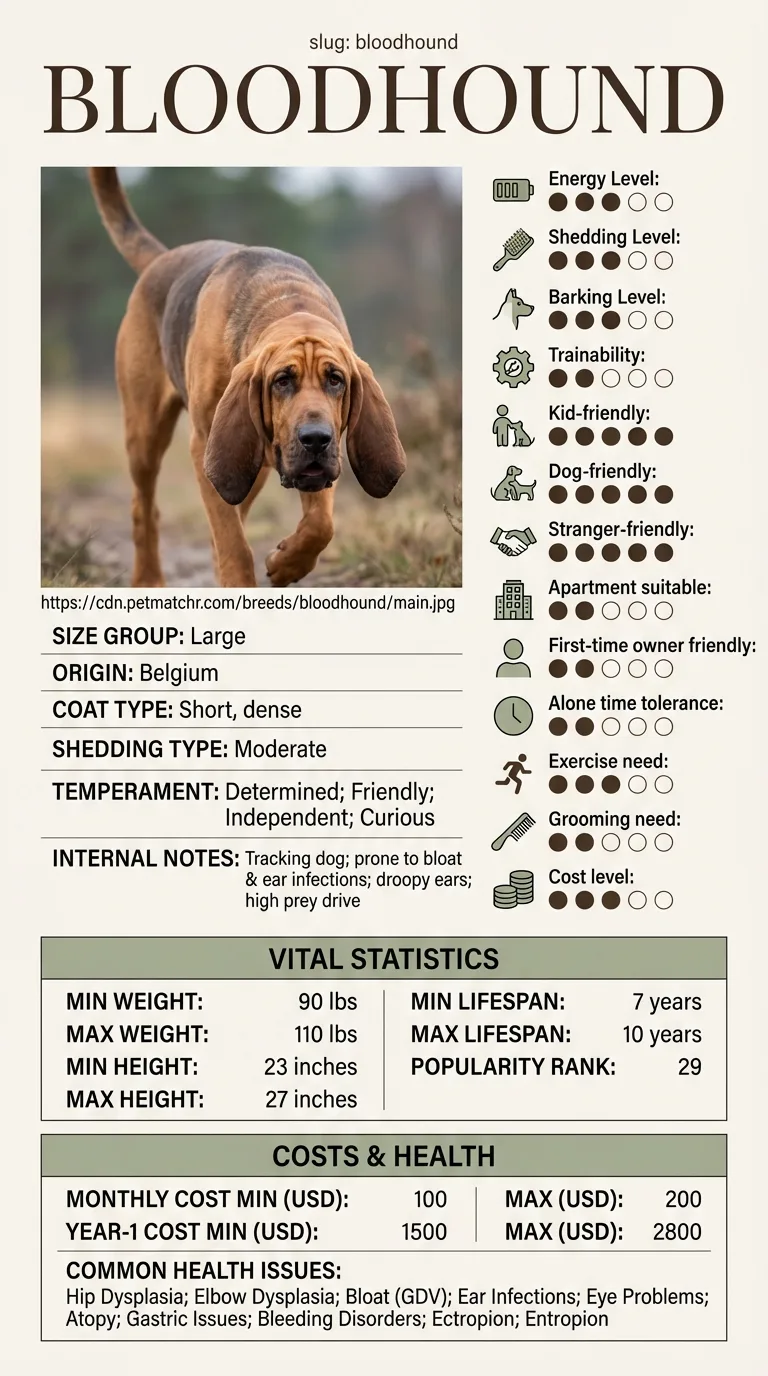
Owners of Bloodhounds may find this issue particularly challenging. Those who have busy lifestyles or are first-time dog owners might struggle to notice the subtle signs of ventricular arrhythmias.
This guide is not medical advice. If your dog shows pain, sudden behavior change, or worsening symptoms, consult a licensed veterinarian.
Some links may be affiliate links. We may earn a commission at no extra cost to you. We only suggest products we believe are helpful for dog owners.
We research and check what we publish, but we do not warrant that any figure, date, price, or statement is accurate, complete, or current, and we accept no liability for any loss, cost, injury, or other harm arising from the use of this site. Use it as one reference among several. You remain responsible for your own decisions and for your dog's care - confirm anything that matters with a licensed veterinarian or another qualified professional before you act on it. Full disclaimer.
Check this first
Recognizing when Bloodhound ventricular arrhythmias become an emergency is crucial for your dog's health. There are specific signs that require immediate veterinary attention, while others can be monitored at home. If you notice any of the following red-flag symptoms, it's time to call your vet right away.
If any of these apply, call your vet or an emergency clinic now. The rest of this page is for the cases that are not an emergency.
Bloodhound ventricular arrhythmias are irregular heartbeats that can cause serious health issues for your furry friend. These arrhythmias may show up as lethargy, weakness, or even fainting during normal activities. Since Bloodhounds are known for their strong tracking abilities, you might notice them having trouble keeping up during walks or playtime.
Ventricular arrhythmias are not extremely common in Bloodhounds, but they can occur, especially in older dogs or those with pre-existing heart issues. Regular vet check-ups are essential to catch any heart problems early.
Bloodhounds are prone to certain genetic health issues, including ventricular arrhythmias. Their large size and unique physiology can contribute to irregular heartbeats, especially in older dogs. Additionally, their energetic nature may lead to stress that exacerbates these heart problems.
Environmental factors such as high-stress situations, poor diet, and lack of exercise can also play a role. If your Bloodhound is not getting enough physical activity or is exposed to anxiety-inducing environments, it may develop irregular heart rhythms. Keeping a calm and structured home can help mitigate these risks.
It's crucial to consult your veterinarian if you observe frequent irregular heartbeats or other concerning symptoms. They can offer diagnostic tests and discuss treatment options tailored to your Bloodhound's needs.
Avoiding certain common mistakes can help your Bloodhound manage ventricular arrhythmias more effectively. Here are some behaviors to watch out for.
Start here: Bloodhound Most Common Genetic Disorders: What to Screen For
See all Bloodhound health problems, which breeds are prone to ventricular arrhythmias, or the full Bloodhound breed guide for temperament, exercise needs and ownership costs.
You can expect to see improvements in your Bloodhound's ventricular arrhythmias within 6 to 12 weeks of consistent care adjustments and follow-up with your vet.
Success means your Bloodhound's heart rhythm stabilizes, reducing symptoms like weakness or fainting. You'll notice increased energy and a more active lifestyle.
In less severe cases, you can monitor your Bloodhound at home. Look for mild symptoms such as occasional coughing or slight fatigue during playtime. Keep track of these signs and consult your vet if they worsen or persist for more than a few days.

When Sarah adopted Max, her Bloodhound, she quickly noticed he had frequent irregular heartbeats. Concerned, she took him to the vet, who diagnosed him with ventricular arrhythmias. Determined to help Max, Sarah committed to a routine that included regular vet check-ups, a healthy diet, and moderate exercise. She also enrolled in a training program focused on calming techniques to reduce his anxiety. Over the next few months, Max became more energetic, and his arrhythmias decreased significantly. Seeing her dog thrive was the most rewarding part of the journey.
Key takeaway: With dedication and the right care, you can manage your Bloodhound's ventricular arrhythmias to improve their quality of life.
Bloodhound ventricular arrhythmias can be caused by various factors, including genetic predisposition, heart disease, and other underlying health issues. If you notice irregular heartbeats, it's crucial to consult your veterinarian for a thorough examination and diagnosis.
To manage Bloodhound ventricular arrhythmias, ensure your dog receives regular veterinary check-ups. A vet may recommend medications, a special diet, or changes in exercise to help control the condition.
Signs of ventricular arrhythmias in Bloodhounds may include weakness, lethargy, rapid breathing, or fainting spells. If you observe any of these symptoms, take your dog to the vet immediately.
While training can help manage some behavioral aspects, Bloodhound ventricular arrhythmias primarily require medical intervention. Focus on positive reinforcement techniques to keep your dog calm during vet visits.
Yes, a balanced diet can have a significant impact on your Bloodhound's overall heart health. Consult your vet for dietary recommendations that support cardiovascular health and manage weight.
Treatments for Bloodhound ventricular arrhythmias may include medications to regulate heart rhythms, dietary changes, and lifestyle adjustments. Always follow your vet's guidance to ensure the best care for your dog.
If you notice any signs of irregular heartbeats or other concerning symptoms, schedule a vet visit as soon as possible. Early intervention can help manage Bloodhound ventricular arrhythmias effectively.
Bloodhound ventricular arrhythmias can be caused by various factors, including genetic predispositions, underlying heart diseases, or even stress. If your Bloodhound frequently experiences irregular heartbeats, it's essential to consult your veterinarian for a thorough examination.
Signs that your Bloodhound may have ventricular arrhythmias include lethargy, fainting, or unusual panting. If you notice these symptoms, it’s crucial to seek veterinary advice promptly to ensure your dog’s heart health.
Yes, older Bloodhounds may be at a higher risk for developing ventricular arrhythmias due to age-related heart conditions. Regular vet check-ups are vital for older dogs to monitor heart health and catch any issues early.
While training alone may not directly address ventricular arrhythmias, a structured training routine can reduce stress and anxiety, which may help manage symptoms. It's best to consult a trainer familiar with medical issues to create a suitable plan.
If your Bloodhound experiences a sudden episode of ventricular arrhythmias, remain calm and assess the situation. Contact your veterinarian immediately or visit an emergency clinic to ensure your dog's health and safety.
Regular vet check-ups, a balanced diet, and avoiding excessive stress can help manage Bloodhound ventricular arrhythmias effectively.
Yes, many Bloodhounds can live well with ventricular arrhythmias if managed properly with veterinary care.
Consult your vet for a heart-healthy diet tailored to your Bloodhound's needs, focusing on low sodium and high-quality ingredients.
Using positive reinforcement, such as treats and praise, can help your Bloodhound feel more comfortable during vet visits.
Moderate exercise is important, but consult your vet to ensure the activity level is safe for your Bloodhound's condition.
A one-page prep sheet for this condition: the signs, the questions to ask, what to get priced. Unlocks here.
You get: Vet visit prep sheet
No spam. One-click unsubscribe. See our privacy policy.
Preview page 1 before you decide.