Behavior
What are quick tips for Bloodhound schnauzer comedo syndrome?
Regular grooming and medicated baths can help manage this skin condition. Consult your vet for the best treatment options tailored to your dog's needs.

Quick answer
What are quick tips for Bloodhound schnauzer comedo syndrome?
Regular grooming and medicated baths can help manage this skin condition. Consult your vet for the best treatment options tailored to your dog's needs.
Bloodhound Schnauzer Comedo Syndrome is a skin condition that can affect your dog’s comfort and appearance.

Owners of Bloodhounds or Schnauzers often face this challenge. Busy families or first-time pet owners may find it overwhelming to manage their dog's skin health effectively.
This guide is not medical advice. If your dog shows pain, sudden behavior change, or worsening symptoms, consult a licensed veterinarian.
Some links may be affiliate links. We may earn a commission at no extra cost to you. We only suggest products we believe are helpful for dog owners.
We research and check what we publish, but we do not warrant that any figure, date, price, or statement is accurate, complete, or current, and we accept no liability for any loss, cost, injury, or other harm arising from the use of this site. Use it as one reference among several. You remain responsible for your own decisions and for your dog's care - confirm anything that matters with a licensed veterinarian or another qualified professional before you act on it. Full disclaimer.
Check this first
Bloodhound schnauzer comedo syndrome typically shows up as blackheads or bumps on your dog’s skin. While it can be annoying, it's important to differentiate between mild cases that can be monitored and those that need immediate attention. Here are some red flags that mean you should call your vet right away.
If your Bloodhound develops severe itching, swelling, or redness, these could be signs of an infection or an allergic reaction. Also, if you notice any open sores or lesions that are oozing or bleeding, it's crucial to seek veterinary care. Another emergency sign is if your dog seems unusually lethargic, refuses to eat, or has a fever. These symptoms can indicate that the underlying issue is more serious than just skin irritation.
In contrast, if your dog has a few small bumps and is otherwise healthy and active, you can likely monitor the situation at home. Regular grooming and keeping an eye on the affected areas can help you manage the condition. You can also consult with your vet about strategies to minimize discomfort and prevent worsening symptoms. Creating a routine care plan may involve specialized shampoos or topical treatments to keep the skin healthy without needing immediate medical intervention.
If any of these apply, call your vet or an emergency clinic now. The rest of this page is for the cases that are not an emergency.
Bloodhound schnauzer comedo syndrome is a skin condition that leads to the formation of blackheads or comedones on your dog's skin. It can be bothersome for your Bloodhound, causing irritation or discomfort. This syndrome is often most noticeable on the back and sides, where the skin may appear bumpy or inflamed.
Bloodhound schnauzer comedo syndrome is relatively common among Bloodhounds, especially those with a history of skin problems. While not every Bloodhound will develop this condition, it’s something many owners should be aware of as part of their breed's health considerations.
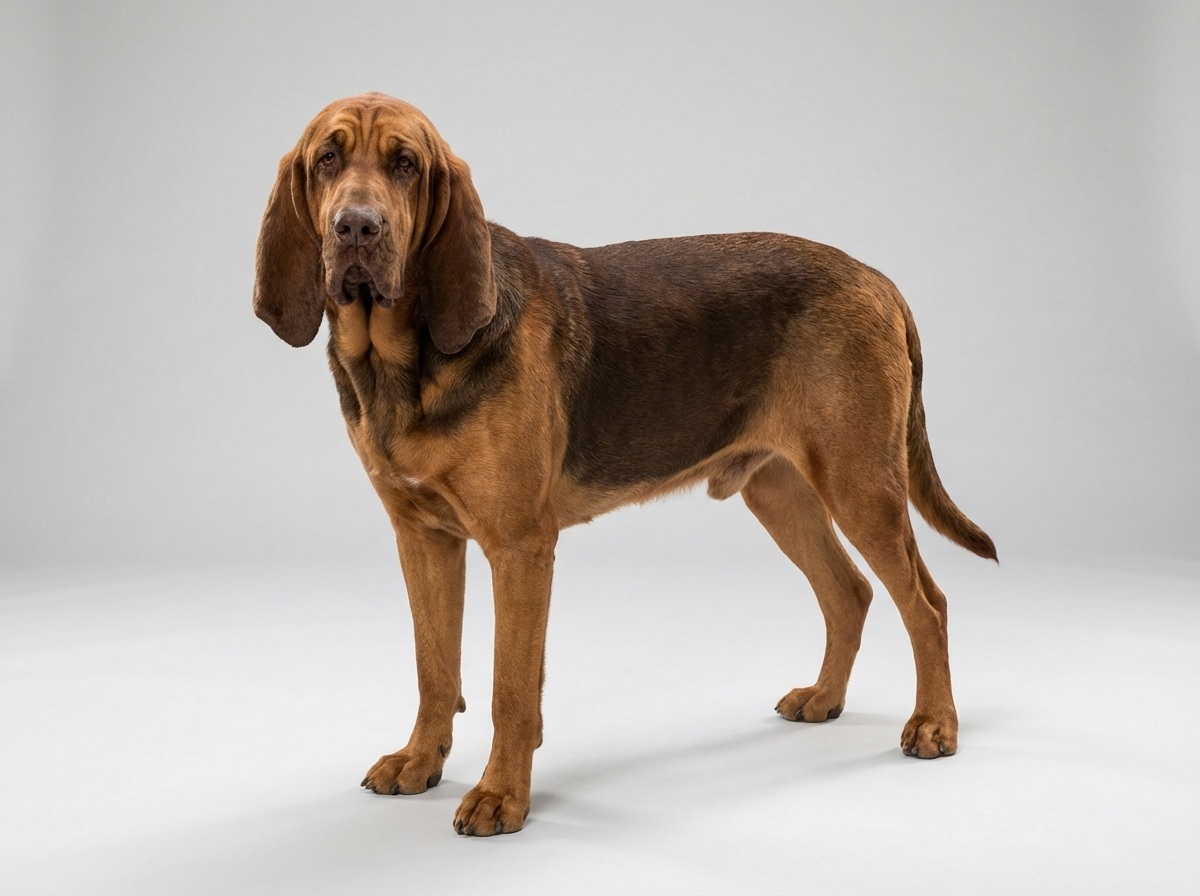
Bloodhounds may be predisposed to Schnauzer Comedo Syndrome due to their genetics. This condition often arises from their skin type and coat structure, which can lead to clogged hair follicles. Additionally, Bloodhounds are known for their droopy skin, which can trap moisture and bacteria, worsening the issue.
Environmental factors can also contribute to Schnauzer Comedo Syndrome. For instance, living in humid climates may increase the chances of skin irritation and infections. Poor grooming habits or infrequent bathing can allow dirt and oils to build up, aggravating the skin and leading to this condition.
If at-home strategies do not improve your dog's condition, or if you notice severe redness, swelling, or pus, it's time to talk to your vet. They can provide medication or treatments that may be necessary to manage Schnauzer Comedo Syndrome effectively.
Avoiding certain behaviors can drastically improve your Bloodhound's schnauzer comedo syndrome. Here are some common mistakes to steer clear of.
Start here: Bloodhound Most Common Genetic Disorders: What to Screen For
See all Bloodhound health problems, which breeds are prone to schnauzer comedo syndrome, or the full Bloodhound breed guide for temperament, exercise needs and ownership costs.
With consistent care and follow-up with your vet, you may start to see improvement in your Bloodhound's Schnauzer Comedo Syndrome within 4 to 6 weeks.
Success means reduced skin lesions, less itching, and a happier dog. Regular grooming and veterinary check-ups will help keep the condition under control.
When Sarah adopted Buddy, her energetic Bloodhound, she noticed he had frequent skin eruptions caused by Schnauzer Comedo Syndrome. Initially, she felt overwhelmed, unsure how to help him. After researching and consulting her vet, Sarah learned about specific grooming techniques and dietary adjustments that could ease Buddy's symptoms. By sticking to a regular grooming schedule and following the vet's advice, Buddy's skin condition improved significantly over a couple of months. Now, Sarah enjoys seeing Buddy play without discomfort, and their bond has grown stronger through this journey.
Key takeaway: With the right support and care, managing Bloodhound Schnauzer Comedo Syndrome is possible, leading to a happier, healthier dog.
Signs of Bloodhound schnauzer comedo syndrome include dark, raised bumps on the skin, which can appear anywhere on the body. You might also notice hair loss and itching. If your dog seems uncomfortable or develops sores, it’s time to consult your vet.
To manage Bloodhound schnauzer comedo syndrome, regular grooming is essential. Bathing your dog with medicated shampoos and maintaining a clean environment can help reduce the occurrence of comedones.
Effective treatments may include topical treatments prescribed by a veterinarian, such as benzoyl peroxide or salicylic acid. In severe cases, your vet might recommend oral medications or changes in diet.
While it is generally not life-threatening, Bloodhound schnauzer comedo syndrome can lead to skin infections if left untreated. Regular vet check-ups and prompt treatment can prevent complications.
Training can help reduce stress and anxiety in your dog, which may alleviate some skin issues. A calm dog is less likely to scratch or irritate their skin, helping to manage symptoms.
A good grooming routine includes regular brushing to remove loose hair and debris, along with frequent baths using appropriate shampoos. This helps keep the skin clean and reduces the risk of comedones.
Yes, older Bloodhounds can develop schnauzer comedo syndrome, though it’s more common in younger dogs. Older dogs may have other health concerns that can complicate skin issues. Regular check-ups are important to manage their overall health.
Treatment options for Bloodhound schnauzer comedo syndrome may include medicated shampoos, topical ointments, and dietary changes. Your vet can recommend specific treatments based on your dog's condition. Consistent grooming can also help manage symptoms.
Bloodhound schnauzer comedo syndrome is believed to have a genetic component, as it is more frequently observed in certain lines of Schnauzers and dogs with similar ancestry. If you have concerns about breeding, speak with a vet or a reputable breeder.
While not all cases of Bloodhound schnauzer comedo syndrome can be prevented, maintaining a healthy diet and regular grooming can help. Keeping your dog's skin clean and well-hydrated is key. If you notice any changes in your dog’s skin, contact your vet immediately.
Regular grooming and medicated baths can help manage this skin condition. Consult your vet for the best treatment options tailored to your dog's needs.
Bathe your Bloodhound every 4 to 6 weeks with a medicated shampoo to help control skin issues. This helps keep their skin clean and reduces comedone formation.
Yes, a poor diet can contribute to skin issues. Ensure your Bloodhound is on a balanced diet rich in essential fatty acids to support skin health.
This condition is relatively common in certain breeds, including Bloodhounds. Understanding the breed's predispositions can help you manage their health better.
A one-page prep sheet for this condition: the signs, the questions to ask, what to get priced. Unlocks here.
You get: Vet visit prep sheet
No spam. One-click unsubscribe. See our privacy policy.
Preview page 1 before you decide.