Behavior
What are quick tips for Bloodhound genetic predisposition to obesity?
Monitor food intake, provide regular exercise, and schedule vet check-ups to track weight. Implementing a structured feeding routine can help manage their appetite.

Quick answer
What are quick tips for Bloodhound genetic predisposition to obesity?
Monitor food intake, provide regular exercise, and schedule vet check-ups to track weight. Implementing a structured feeding routine can help manage their appetite.
Bloodhounds can be prone to obesity due to a genetic predisposition. This can lead to serious health issues if not managed properly.
New Bloodhound owners and those with busy lifestyles may struggle to manage their pet's weight. If you're juggling work, family, or other responsibilities, it can be easy to overlook their dietary needs.
This guide is not medical advice. If your dog shows pain, sudden behavior change, or worsening symptoms, consult a licensed veterinarian.
Some links may be affiliate links. We may earn a commission at no extra cost to you. We only suggest products we believe are helpful for dog owners.
We research and check what we publish, but we do not warrant that any figure, date, price, or statement is accurate, complete, or current, and we accept no liability for any loss, cost, injury, or other harm arising from the use of this site. Use it as one reference among several. You remain responsible for your own decisions and for your dog's care - confirm anything that matters with a licensed veterinarian or another qualified professional before you act on it. Full disclaimer.
Check this first
Recognizing when your Bloodhound's genetic predisposition to obesity is a serious issue is crucial. Emergency signs include sudden weight gain, severe lethargy, difficulty breathing, or signs of distress. If your dog exhibits any of these symptoms, it’s time to call your vet immediately.
If any of these apply, call your vet or an emergency clinic now. The rest of this page is for the cases that are not an emergency.
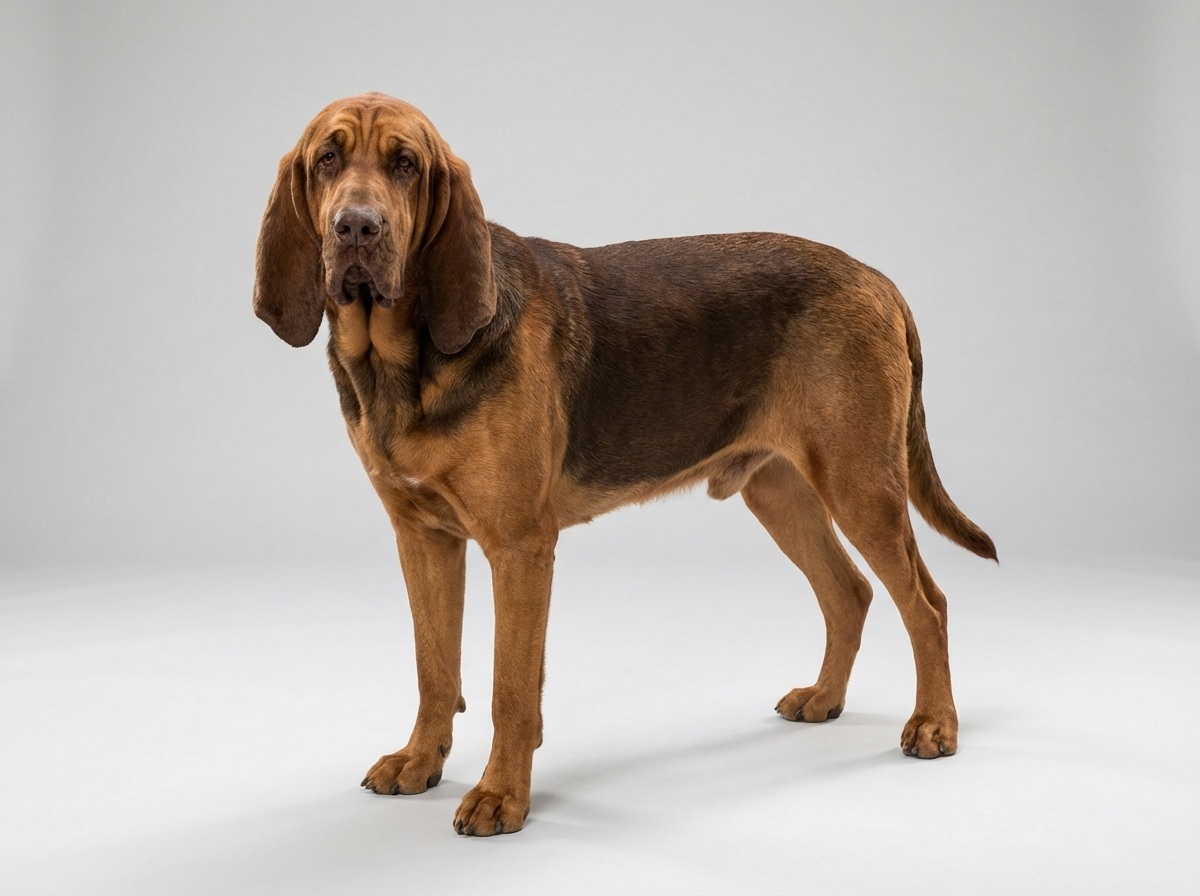
Bloodhounds are known for their friendly and curious nature, but they also have a genetic predisposition to obesity. This often manifests as a constant desire to eat, leading to weight gain and health concerns. Common scenarios include a Bloodhound begging for food during meals or showing an unending interest in snacks, which can be challenging for owners trying to manage their dog's diet.
Obesity is a prevalent issue among Bloodhounds, affecting many in the breed. Their strong sense of smell and love for food can lead to overeating if not carefully monitored. Owners should be aware of this tendency and take proactive steps to maintain a healthy weight.
Bloodhounds have a genetic predisposition to obesity due to a mutation in the POMC gene. This mutation can lead to increased appetite and a slower metabolism. As a result, they may gain weight more easily than other breeds.
Environmental factors also play a significant role. Lack of exercise, overfeeding, and high-calorie treats can contribute to weight gain. If your Bloodhound lives in a less active household or is often left alone, this can exacerbate their weight issues.
If your Bloodhound is significantly overweight or if you're unsure about their diet, consult your vet. They can evaluate your dog's health and recommend a tailored weight management plan.
Avoiding these common mistakes can help manage your Bloodhound's genetic predisposition to obesity more effectively.
Start here: Bloodhound Most Common Genetic Disorders: What to Screen For
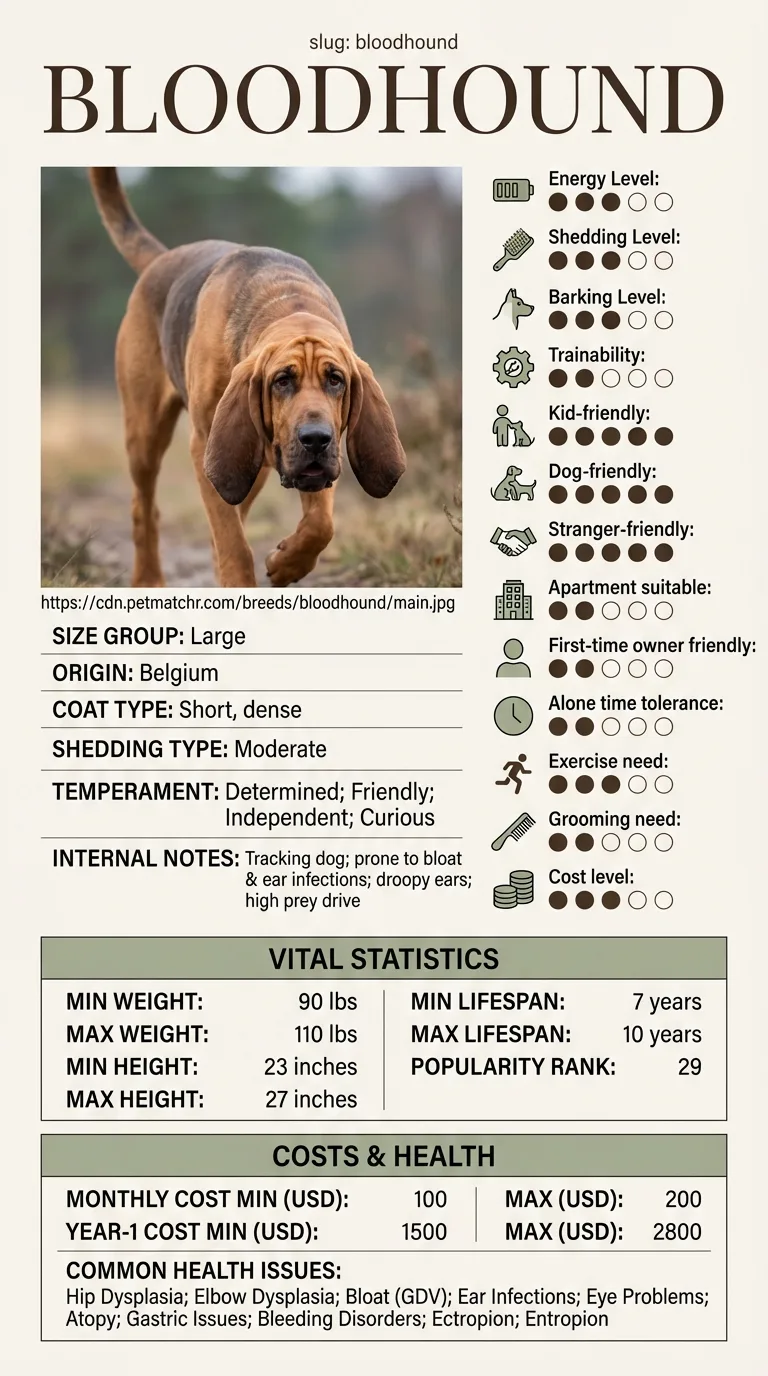
See all Bloodhound health problems, which breeds are prone to genetic predisposition to obesity, or the full Bloodhound breed guide for temperament, exercise needs and ownership costs.
Addressing a Bloodhound's genetic predisposition to obesity typically takes about 3 to 6 months. Consistent dietary adjustments and follow-up are key.
Success means maintaining a healthy weight for your Bloodhound, improved energy levels, and a more active lifestyle. Regular vet check-ups will help track progress.
In less severe cases, such as gradual weight gain or increased appetite without other concerning symptoms, you can take a wait-and-see approach. Start by adjusting their diet and increasing exercise. Keep track of their weight and behavior, and consult your vet if you see no improvements within a few weeks.

Sam, a busy dad in Atlanta, adopted Bella, a cheerful Bloodhound. Within months, he noticed she was gaining weight despite regular walks. After consulting a vet, Sam learned about Bella's genetic predisposition to obesity due to a POMC gene mutation. Determined to help her, Sam adjusted her diet and incorporated fun training exercises. Over the next few months, Bella lost weight and enjoyed her daily activities much more. Sam learned that keeping her active and engaged was crucial for her health.
Key takeaway: Understanding your Bloodhound's genetic predisposition to obesity can lead to effective management strategies, improving their health and happiness.
Bloodhounds may have a genetic predisposition to obesity due to a mutation in the POMC gene. This mutation can cause an increased appetite, leading to weight gain if not managed properly. Understanding this genetic factor is vital for creating a balanced diet and exercise plan. This answer relates to Bloodhound genetic predisposition to obesity.
To prevent obesity in your Bloodhound, monitor their diet closely and provide regular exercise. Aim for at least 30 to 60 minutes of activity daily, and consult your vet to determine the right portion sizes for their meals. Consistency in both diet and exercise is key.
Training your Bloodhound to follow commands can help manage their eating habits and encourage physical activity. Incorporate positive reinforcement techniques to reward good behavior. Consider using food puzzles to slow down their eating and make mealtime more engaging.
Yes, consider a high-fiber, low-calorie diet tailored for large breeds. Consult your veterinarian to find a diet that suits your Bloodhound’s needs, and avoid high-fat treats. Regularly monitor their weight to adjust their diet as needed.
Signs of obesity in Bloodhounds include difficulty in breathing, reduced energy levels, and an inability to feel their ribs easily. Regularly check their weight and body condition score to catch any weight issues early. If you're unsure, your vet can help assess their health.
Yes, managing a Bloodhound's weight is possible with proper diet and exercise. Regular vet check-ups and a tailored feeding plan can help control their appetite and prevent obesity.
Signs of overweight in Bloodhounds include difficulty in movement, a noticeable belly, and difficulty feeling their ribs. Regular weigh-ins and monitoring body condition can help catch weight gain early.
Absolutely! If you notice any signs of obesity or weight gain, consult your vet for advice. They can assess your dog's health and suggest a suitable weight management plan.
Yes, diets high in protein and low in carbohydrates are often recommended for Bloodhounds. Your vet can help you choose the right food to fit your dog's needs and help control their weight.
As Bloodhounds age, their metabolism slows down, making them more prone to weight gain. It's important to adjust their diet and exercise routine as they get older to maintain a healthy weight.
Monitor food intake, provide regular exercise, and schedule vet check-ups to track weight. Implementing a structured feeding routine can help manage their appetite.
Bloodhounds should have at least 30 to 60 minutes of exercise daily to stay healthy and avoid weight gain. Activities like walking or playing fetch can be beneficial.
A high-fiber, low-calorie diet is ideal for Bloodhounds prone to obesity. Always consult your vet for specific dietary recommendations.
Using food puzzles or slow-feeder bowls can encourage your Bloodhound to eat at a slower pace. This can help manage their appetite and prevent overeating.
A one-page prep sheet for this condition: the signs, the questions to ask, what to get priced. Unlocks here.
You get: Vet visit prep sheet
No spam. One-click unsubscribe. See our privacy policy.
Preview page 1 before you decide.