Health
What are quick tips for managing MMVD?
Regular vet check-ups, a healthy diet, and keeping your dog calm can help manage MMVD effectively.

Quick answer
What are quick tips for managing MMVD?
Regular vet check-ups, a healthy diet, and keeping your dog calm can help manage MMVD effectively.
Belgian Malinois myxomatous mitral valve disease (MMVD) is a serious heart condition that affects many dogs of this breed. It's crucial to understand this disease, as it can significantly impact your dog's health and quality of life.
Owners of Belgian Malinois, especially those who are first-time pet parents, often struggle with MMVD. Busy families and individuals who may not have extensive experience with dog health can find these challenges overwhelming. Knowing how to identify and manage MMVD is key to ensuring a happy and healthy life for your dog.
This guide is not medical advice. If your dog shows pain, sudden behavior change, or worsening symptoms, consult a licensed veterinarian.
Some links may be affiliate links. We may earn a commission at no extra cost to you. We only suggest products we believe are helpful for dog owners.
We research and check what we publish, but we do not warrant that any figure, date, price, or statement is accurate, complete, or current, and we accept no liability for any loss, cost, injury, or other harm arising from the use of this site. Use it as one reference among several. You remain responsible for your own decisions and for your dog's care - confirm anything that matters with a licensed veterinarian or another qualified professional before you act on it. Full disclaimer.
Check this first
Recognizing when your Belgian Malinois is facing a health emergency is crucial. Myxomatous mitral valve disease (MMVD) can escalate quickly. Certain signs mean you need to call your vet immediately, while others can be monitored at home.
Red-flag signs include severe coughing, difficulty breathing, or lethargy. If your dog exhibits any of these symptoms, it’s time to act. Additionally, if you notice a sudden increase in heart rate or pale gums, don’t wait. These could indicate that the condition is worsening.
On the other hand, if your Belgian Malinois has mild symptoms like occasional cough or slight fatigue, you may not need to panic. Keep track of any changes in their behavior or appetite. Create a watch-and-wait plan with your vet to monitor their condition. Regular check-ups can help manage MMVD effectively, ensuring your dog remains stable. Always consult your vet for the best course of action based on your dog’s specific situation.
If any of these apply, call your vet or an emergency clinic now. The rest of this page is for the cases that are not an emergency.
Belgian Malinois myxomatous mitral valve disease (MMVD) is a serious heart condition that can affect dogs, particularly as they age. This disease causes the heart's mitral valve to degenerate, leading to heart failure if not managed properly. Daily life for a Malinois with MMVD may include symptoms like coughing, fatigue, or difficulty breathing, which can be distressing for both the dog and the owner.
Myxomatous mitral valve disease (MMVD) is one of the most common health issues seen in Belgian Malinois. Many veterinarians report that this condition affects a significant number of dogs in the breed, especially those over the age of 5. Regular vet check-ups are essential for early detection and management.
Belgian Malinois are prone to myxomatous mitral valve disease (MMVD) due to their genetics. This heart condition is common in the breed, often resulting from hereditary factors. As they age, their risk increases, especially in individuals with a family history of heart issues.
Environmental factors can also contribute to the development of MMVD. Stressful living conditions, lack of proper exercise, and poor diet can exacerbate heart problems. A sedentary lifestyle or obesity can increase the strain on their hearts, leading to further complications.
Talk to your vet if you notice symptoms like coughing, fatigue, or difficulty breathing. These can indicate worsening heart issues. Regular check-ups are essential for early detection and management of MMVD.
Avoid these common mistakes to help manage your Belgian Malinois's myxomatous mitral valve disease (MMVD). Making small changes can improve their health and comfort.
Start here: Belgian Malinois Most Common Genetic Disorders: Screening
See all Belgian Malinois health problems, which breeds are prone to myxomatous mitral valve disease mmvd, or the full Belgian Malinois breed guide for temperament, exercise needs and ownership costs.
Managing Belgian Malinois myxomatous mitral valve disease (mmvd) typically takes several months to establish a routine. Regular vet check-ups and medication adjustments may be needed throughout their life.
Success means keeping your Malinois comfortable and stable. You'll notice fewer symptoms, improved energy levels, and a better quality of life with proper management.
Sam, a busy nurse in Seattle, adopted Bella, a lively Belgian Malinois. After a few months, Bella started showing signs of lethargy and coughing. The vet diagnosed her with myxomatous mitral valve disease (mmvd). Sam felt overwhelmed but quickly learned that with the right medications and a tailored exercise plan, she could help Bella thrive. Gradually, Bella regained her energy and enjoyed her daily walks again, with Sam feeling more confident in managing her health.
Key takeaway: With dedication and the right veterinary support, managing Belgian Malinois myxomatous mitral valve disease (mmvd) can lead to a happy and fulfilling life for both dog and owner.
Signs of myxomatous mitral valve disease (mmvd) can include coughing, difficulty breathing, and lethargy. You might also notice your dog exercising less than usual or showing signs of distress. If you see any of these symptoms, consult your vet promptly.
Management of MMVD includes regular veterinary check-ups, a balanced diet, and medications prescribed by your vet. It's essential to monitor your dog's symptoms and adjust their care as needed.
While training won't cure MMVD, positive reinforcement can help manage stress and anxiety in your dog. Creating a calm environment can also reduce symptoms related to the condition.
The life expectancy can vary greatly based on the severity of the disease and how well it's managed. With proper care, many dogs can live several years after diagnosis.
Unfortunately, MMVD cannot be stopped, but early detection and proper management can significantly improve your dog's quality of life. Regular vet visits are key to monitoring the disease.
Yes, older Belgian Malinois are more prone to developing myxomatous mitral valve disease (mmvd). This heart condition often appears in dogs aged 7 years and older. Regular vet check-ups are essential for early detection and management.
Managing myxomatous mitral valve disease (mmvd) often includes medication prescribed by your vet and regular monitoring. Keeping your dog at a healthy weight and providing low-impact exercise can also help maintain heart health. Always follow your vet's recommendations for the best care.
While you can't fully prevent myxomatous mitral valve disease (mmvd), you can reduce risk factors. Regular vet visits, a healthy diet, and appropriate exercise can help. Early detection is key, so be vigilant about your dog's heart health as they age.
If your Belgian Malinois is diagnosed with myxomatous mitral valve disease (mmvd), work closely with your vet to create a management plan. This may include lifestyle changes, medications, and regular check-ups. Staying informed and proactive can help improve your dog's quality of life.
Regular vet check-ups, a healthy diet, and keeping your dog calm can help manage MMVD effectively.
Dogs diagnosed with MMVD should ideally see the vet every 6 months for monitoring and medication adjustments.
Consider reducing intense exercise and providing a stress-free environment to help manage your dog's condition.
Many dogs with MMVD can live happy, fulfilling lives with the right care and management strategies in place.
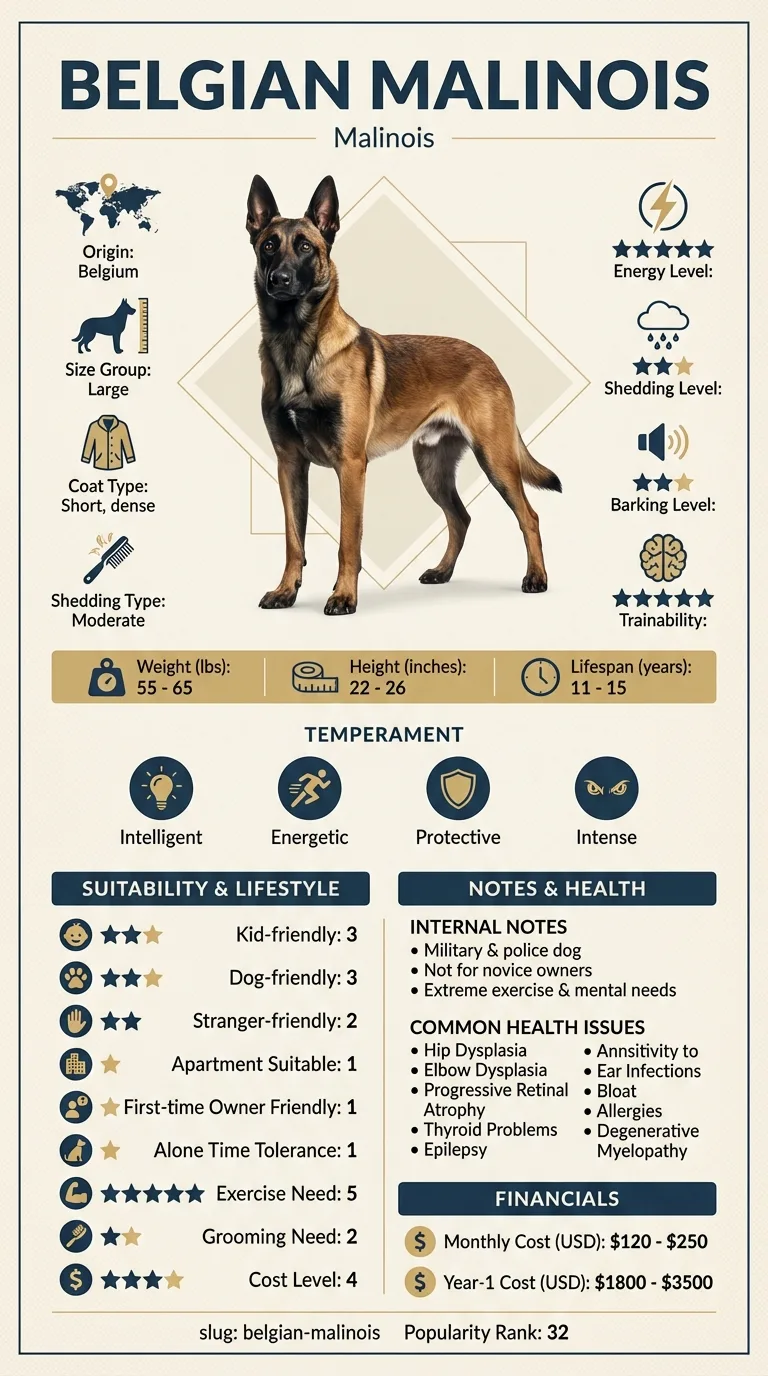
Treatment for MMVD can range from $120 to $250 per month, depending on medications and veterinary care.
A one-page prep sheet for this condition: the signs, the questions to ask, what to get priced. Unlocks here.
You get: Vet visit prep sheet
No spam. One-click unsubscribe. See our privacy policy.
See a sample page before you decide.
Early access list
The free prep sheet covers the same-day warning signs, a symptom log and the questions to ask. We are considering a fuller kit that adds a cost worksheet for the usual tests and treatments (US price ranges with their sources) and a plain-English guide to ways of covering the bill. It is not built yet; this list tells us whether it is worth building.
One email, no spam, unsubscribe anytime. Information only, not veterinary advice.