DogBreedCompass
← Back to breed profile

Understanding American Staffordshire Terrier Anesthesia Sensitivity

Anesthesia sensitivity in American Staffordshire Terriers can be a serious issue for owners. It affects how these dogs react to sedatives during medical procedures. (American Staffordshire Terrier anesthesia sensitivity)

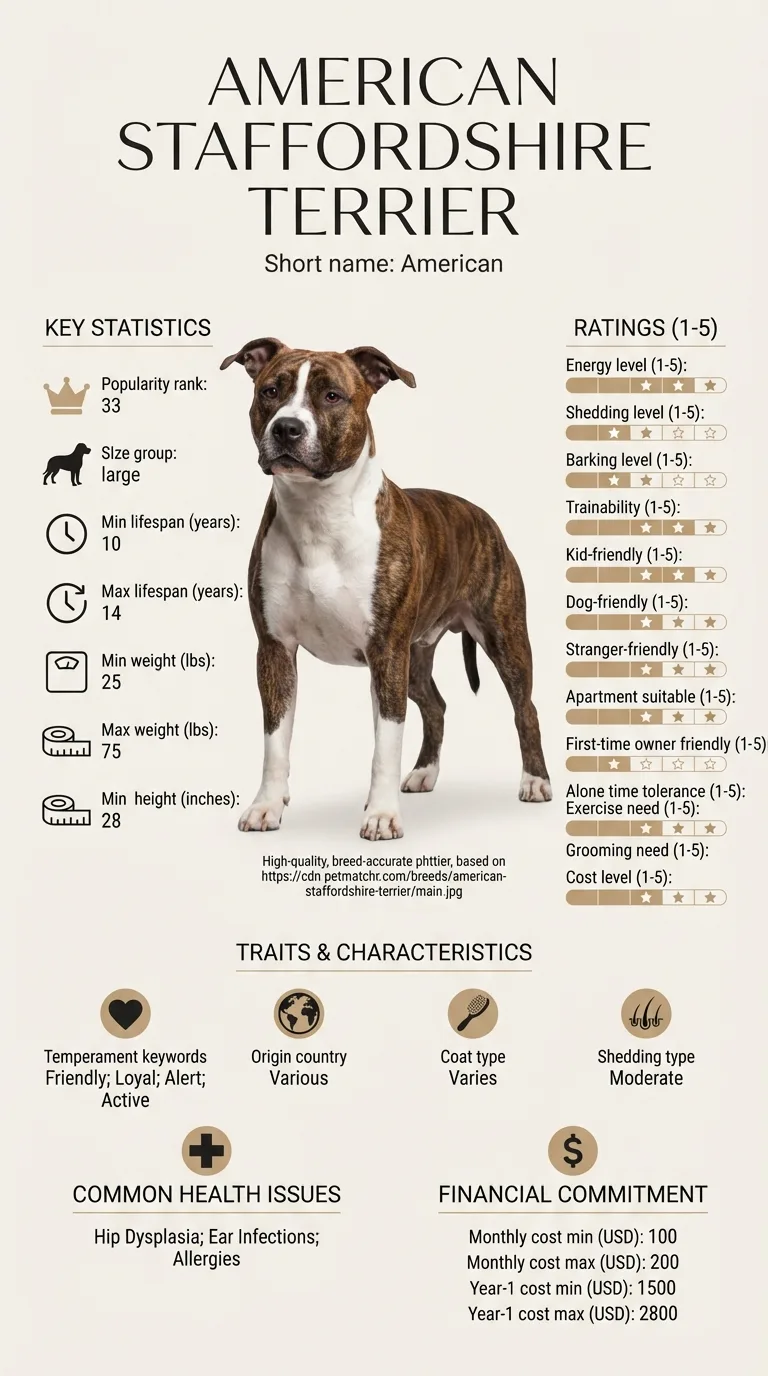
Understanding American Staffordshire Terrier Anesthesia Sensitivity infographic

Typically, owners who face this challenge are those with American Staffordshire Terriers who require regular vet check-ups or procedures. This includes families, active pet owners, or anyone planning to groom or treat their dog medically.

Important reminder

This guide is not medical advice. If your dog shows pain, sudden behavior change, or worsening symptoms, consult a licensed veterinarian.

Some links may be affiliate links. We may earn a commission at no extra cost to you. We only suggest products we believe are helpful for dog owners.

What this problem looks like

American Staffordshire Terrier anesthesia sensitivity can lead to serious issues during medical procedures. This condition means that these dogs may react poorly to anesthetic drugs, which can cause prolonged recovery times or other complications. Owners may notice their pet being unusually lethargic or experiencing adverse reactions after anesthesia.

Common triggers

  • Age-related health issues
  • Pre-existing medical conditions
  • Genetic predisposition

Anesthesia sensitivity is relatively common among American Staffordshire Terriers and can be a significant concern during surgeries or dental work. While many dogs may tolerate anesthesia well, those with this sensitivity require special attention and monitoring.

Why this happens

Breed factors

American Staffordshire Terriers can have a genetic predisposition to anesthesia sensitivity. This means that due to their unique physiology, they might metabolize anesthetic drugs differently than other breeds. It's important to be aware of this trait, as it can lead to complications during procedures requiring anesthesia.

Environment factors

Environmental factors also play a role in anesthesia sensitivity. Stressful situations, such as unfamiliar surroundings or lack of proper socialization, can heighten a dog's reaction to anesthesia. Additionally, pre-existing health issues, like allergies or heart problems, may exacerbate sensitivity.

What you can try

At-home strategies

  • Create a calm environment before vet visits. Use familiar blankets or toys to reduce anxiety.
  • Practice positive reinforcement training to help your American Staffordshire Terrier feel more comfortable with handling and being touched, which can ease their stress during vet visits.
  • Monitor their health closely and maintain regular vet check-ups to catch any potential issues early.

When to consider a trainer

If your American Staffordshire Terrier shows significant anxiety or fear during vet visits, consider consulting a professional dog trainer. A trainer experienced in behavior modification can provide tailored strategies to help your dog cope better with these situations.

When to talk to your vet

If you notice any unusual reactions during or after anesthesia, such as prolonged lethargy or difficulty waking up, contact your vet immediately. It’s also wise to discuss your dog's anesthesia sensitivity before any surgical procedure to ensure they have a tailored plan in place.

Realistic expectations

You can expect to see improvements in your American Staffordshire Terrier's anesthesia sensitivity within a few weeks to a few months, depending on consistent training and management.

Success means your dog shows reduced anxiety during vet visits, requires less anesthesia, and recovers more smoothly after procedures.

Mistakes that make this worse – American Staffordshire Terrier anesthesia sensitivity

Understanding common mistakes can help you manage your American Staffordshire Terrier's anesthesia sensitivity more effectively. Here are some behaviors to avoid.

  • Ignoring Symptoms: If your dog shows signs of anesthesia sensitivity, like unusual reactions to sedation, ignoring these can worsen the issue. Always consult your vet for advice.
  • Delaying Veterinary Visits: Postponing check-ups or not discussing anesthesia sensitivity with your vet can lead to worse outcomes. Regular communication ensures appropriate care.
  • Administering Home Remedies: Trying to treat anesthesia sensitivity with unapproved home remedies can be risky. Stick to veterinarian-recommended methods for safety.
  • Inconsistent Training: Inconsistent behavior training can exacerbate anxiety surrounding vet visits. Use regular, positive reinforcement training to build your dog's confidence.
  • Not Providing Medical History: Failing to inform your vet about past anesthesia reactions can hinder proper treatment. Always share your dog's complete medical background before any procedure.
  • Overlooking Weight Management: An overweight dog may face higher risks with anesthesia. Keep your American Staffordshire Terrier at a healthy weight through proper diet and exercise.
  • Neglecting to Prepare for Visits: Not preparing your dog for vet visits can increase anxiety. Use calming techniques, treats, or toys to make visits less stressful.

When Anesthesia Sensitivity is an Emergency

Anesthesia sensitivity in your American Staffordshire Terrier can sometimes be serious. It's crucial to know when to call your vet immediately versus when you can monitor the situation at home. If your dog shows severe reactions, such as difficulty breathing, excessive drooling, or loss of consciousness, these are red flags that require immediate veterinary attention.

In less severe cases, you might notice your American Staffordshire Terrier being more lethargic than usual after anesthesia. If they seem sluggish but are still eating and drinking normally, you can wait and observe their behavior. Keep an eye on their energy levels and appetite over the next few days. If these symptoms persist or worsen, it's time to reach out to your vet for advice.

Remember that early detection of serious issues can save your pet's life. Trust your instincts as a pet owner. If something feels off, don't hesitate to get professional help.

Understanding American Staffordshire Terrier Anesthesia Sensitivity - When Anesthesia Sensitivity is an Emergency

A Journey to Calm: Sarah and Max

Sarah, a busy nurse in Chicago, owned Max, her American Staffordshire Terrier. Each time Max needed a vet visit, he would become extremely anxious, leading to increased anesthesia sensitivity. After discussing options with her veterinarian, Sarah began a tailored behavior training program focusing on desensitization and relaxation techniques. With patience and consistency, Max learned to associate vet visits with positive experiences instead of stress. After a few months, his anxiety decreased significantly, making vet visits much smoother.

Key takeaway: With dedication and the right training, you can help your American Staffordshire Terrier overcome anesthesia sensitivity and improve their overall well-being.

Frequently asked questions

Why does my American Staffordshire Terrier have anesthesia sensitivity?

Anesthesia sensitivity in American Staffordshire Terriers can stem from genetic factors, previous health issues, or even specific reactions to anesthetic drugs. It's essential to consult with your vet if you notice unusual behavior after anesthesia or if your dog has a history of sensitivity.

How can I stop American Staffordshire Terrier anesthesia sensitivity?

To manage anesthesia sensitivity, work closely with your veterinarian. They can perform tests to identify any underlying issues and may recommend using alternative anesthetics that are safer for your dog.

What are the signs of anesthesia sensitivity in my American Staffordshire Terrier?

Signs of anesthesia sensitivity may include prolonged drowsiness, difficulty waking up, or unusual behavior after a procedure. If you observe these symptoms, it's crucial to reach out to your vet immediately.

Is anesthesia sensitivity hereditary in American Staffordshire Terriers?

Yes, some cases of anesthesia sensitivity can be hereditary. If your dog has a family history of sensitivity, it's especially important to inform your veterinarian before any procedure requiring anesthesia.

What precautions should I take before scheduling anesthesia for my American Staffordshire Terrier?

Before scheduling anesthesia, discuss your dog's health history with your vet. They may suggest pre-anesthetic blood work to ensure your dog is a suitable candidate for the procedure.

How can I support my American Staffordshire Terrier during recovery from anesthesia?

Provide a quiet, comfortable space for your dog to recover after anesthesia. Monitor their behavior closely and contact your veterinarian if you have concerns about their recovery.

What signs indicate my American Staffordshire Terrier may be sensitive to anesthesia?

Common signs include excessive agitation, prolonged recovery times, or unusual behavior following anesthesia. If your dog seems overly lethargic or has difficulty waking up, these might indicate sensitivity.

Is anesthesia sensitivity more common in older American Staffordshire Terriers?

Yes, older dogs may have a higher risk of anesthesia sensitivity. Their bodies may not process drugs as efficiently, making it crucial to discuss any concerns with your vet before procedures.

How can I prepare my American Staffordshire Terrier for anesthesia?

Ensure your dog is healthy prior to anesthesia by scheduling a pre-anesthetic evaluation with your vet. Provide a complete medical history and discuss any past reactions to anesthesia.

Can behavior training help with anesthesia sensitivity in American Staffordshire Terriers?

Yes, behavior training can help reduce anxiety during vet visits. A calm and well-trained dog is less likely to experience heightened stress, which can worsen sensitivity to anesthesia.

What should I do if my American Staffordshire Terrier has a bad reaction to anesthesia?

If your dog shows severe side effects, contact your veterinarian immediately. They can assess the situation and provide appropriate care, which may include supportive treatments.

Quick answers

View more answers
Behavior

What are quick tips for managing anesthesia sensitivity in American Staffordshire Terriers?

Always discuss your dog's medical history with your vet before anesthesia. Consider seeking a second opinion if your dog has had adverse reactions in the past.

Training

Can I train my American Staffordshire Terrier to be less sensitive to anesthesia?

While you can't train your dog to be less sensitive, you can work on their overall health and well-being. Keeping them fit and stress-free may help during procedures.

Costs

Is anesthesia sensitivity expensive to manage for American Staffordshire Terriers?

Managing anesthesia sensitivity can involve additional veterinary costs, such as specialized tests or alternative anesthesia options. Expect to budget more than typical procedures.

Living

How can I prepare my American Staffordshire Terrier for a vet visit involving anesthesia?

Ensure your dog is well-exercised before the visit. Bring their favorite blanket or toy to help them feel comfortable and secure.

Related DogBreedCompass guides

  • American Staffordshire Terrier behavior problemsLearn about common behavior issues that may affect your American Staffordshire Terrier's health.
  • American Staffordshire Terrier separation anxiety guideUnderstand how to manage separation anxiety, which can impact anesthesia sensitivity.
  • American Staffordshire Terrier cost breakdownExplore the costs associated with owning an American Staffordshire Terrier, including health care.
  • American Staffordshire Terrier anxiety trainingGet tips on training your American Staffordshire Terrier to reduce anxiety during vet visits.
  • American Staffordshire Terrier health issuesFind out the specific health issues that may affect your American Staffordshire Terrier.

Related guides