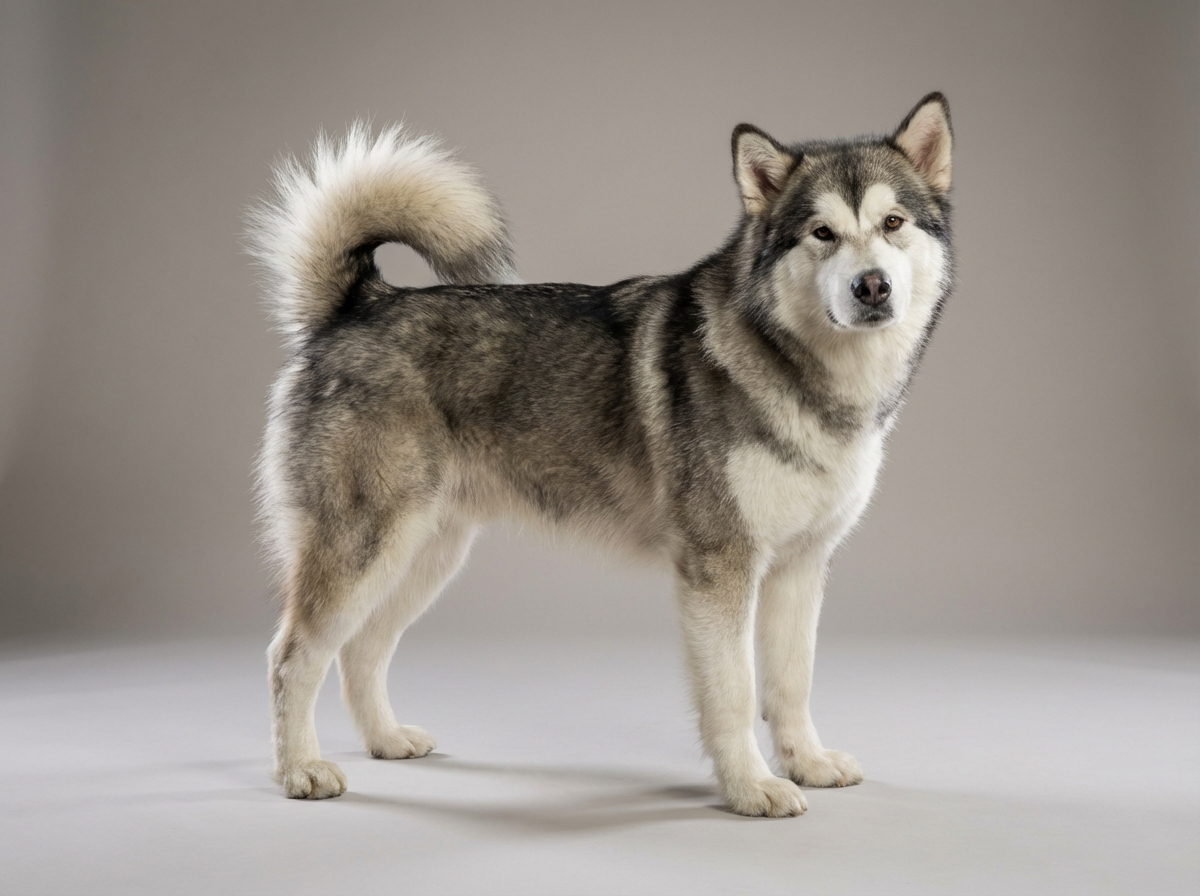
Behavior
What are quick tips for managing Alaskan Malamute behavior?
Consistency in training, ample exercise, and positive reinforcement can help manage behaviors in Alaskan Malamutes. Early socialization is key to preventing issues.

Quick answer
What are quick tips for managing Alaskan Malamute behavior?
Consistency in training, ample exercise, and positive reinforcement can help manage behaviors in Alaskan Malamutes. Early socialization is key to preventing issues.
Choosing between an Alaskan Malamute purebred and mixed breed can be tough. Each has distinct traits that impact behavior and care.
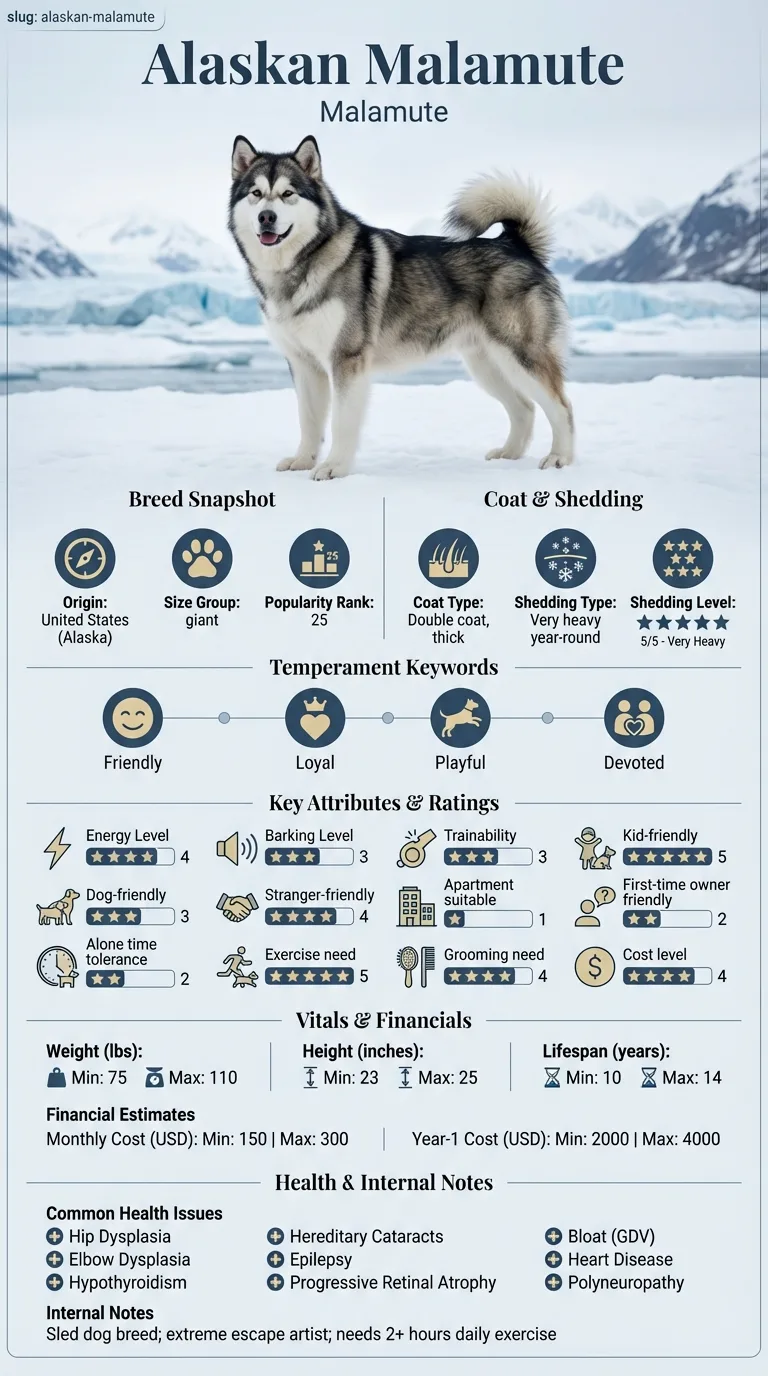
First-time dog owners or those unfamiliar with the breed often struggle with this decision. Busy families and individuals may find it challenging to understand the long-term responsibilities associated with either choice.
This guide is not medical advice. If your dog shows pain, sudden behavior change, or worsening symptoms, consult a licensed veterinarian.
Some links may be affiliate links. We may earn a commission at no extra cost to you. We only suggest products we believe are helpful for dog owners.
We research and check what we publish, but we do not warrant that any figure, date, price, or statement is accurate, complete, or current, and we accept no liability for any loss, cost, injury, or other harm arising from the use of this site. Use it as one reference among several. You remain responsible for your own decisions and for your dog's care - confirm anything that matters with a licensed veterinarian or another qualified professional before you act on it. Full disclaimer.
Check this first
Understanding when to seek immediate help for your Alaskan Malamute is crucial. If you notice any severe symptoms, like difficulty breathing, unresponsive behavior, or bleeding that doesn’t stop, call your vet right away. These red-flag signs mean your furry friend could be in serious trouble and needs urgent care.
On the other hand, there are mild cases that you can monitor at home. If your Malamute shows signs of mild anxiety or minor behavioral issues, it may not be an emergency. In these situations, observe their behavior and create a plan to address the problem gradually.
For example, if your Malamute is barking excessively but is otherwise healthy, consider environmental changes or training methods before rushing to the vet. Keeping a close eye on their behavior can help you decide if a vet visit is necessary later on.
If any of these apply, call your vet or an emergency clinic now. The rest of this page is for the cases that are not an emergency.
Understanding the differences between Alaskan Malamute purebreds and mixed breeds is crucial for prospective owners. Purebreds often come with a set of breed-specific traits and potential health issues, while mixed breeds can offer a blend of characteristics that might suit some families better. Daily life can vary significantly depending on whether you have a purebred or a mixed breed, especially regarding temperament, exercise needs, and common health concerns.
The debate between Alaskan Malamute purebreds and mixed breeds is quite common among dog enthusiasts. Many potential owners weigh the pros and cons based on their lifestyle, which can significantly influence their choice. In fact, purebreds are known to be 1.9 times more likely to develop certain health issues, like cancer, making this a critical conversation for those considering these breeds.
Alaskan Malamutes, especially purebreds, may exhibit specific behaviors tied to their genetics. These dogs were bred for strength and endurance, which can lead to stubbornness and a strong will. This can make training challenging, especially for first-time owners.
The environment plays a crucial role in behavior. Malamutes require ample space to roam and are not well-suited for apartment living. Lack of exercise or mental stimulation can lead to destructive behaviors or anxiety, particularly in purebreds that may be more prone to stress.
If your Alaskan Malamute exhibits sudden changes in behavior, such as excessive barking, aggression, or lethargy, consult your veterinarian. These changes could indicate underlying health issues that need to be addressed.
Avoiding common mistakes can help improve your Alaskan Malamute's behavior. Here are some key pitfalls to watch out for, along with safer alternatives.
Start here: Alaskan Malamute Most Common Genetic Disorders: Screening
See all Alaskan Malamute health problems, which breeds are prone to purebred vs mixed breeds, or the full Alaskan Malamute breed guide for temperament, exercise needs and ownership costs.
You can expect noticeable changes in behavior within 6 to 12 months of consistent care and a steady routine.
Success means your Alaskan Malamute can interact well with other dogs and people while showing fewer behavioral issues.
When Sarah, a busy nurse in Seattle, adopted a purebred Alaskan Malamute named Max, she was excited but quickly overwhelmed. Max was anxious and often aggressive towards other dogs during walks. After researching, Sarah decided to enroll Max in a training class and began a daily routine of socialization. With patience, she discovered that Max thrived on positive reinforcement and structured exercise. Within months, he transformed into a more confident and friendly companion, even making friends at the dog park.
Key takeaway: With the right training and consistent effort, even a challenging Alaskan Malamute can become a well-adjusted pet.
Behavioral issues in Alaskan Malamutes can stem from genetics, training, and socialization. Purebred Malamutes may have specific temperamental traits due to their lineage, while mixed breeds can inherit a broader range of behaviors. Understanding these differences can help you address any issues effectively. This answer relates to Alaskan Malamute purebred vs. mixed breeds.
Training your Alaskan Malamute requires consistency and patience. Use positive reinforcement techniques, such as treats and praise, to encourage desired behaviors. Tailoring your training approach based on whether your dog is purebred or mixed can also be beneficial, as mixed breeds may have varied responses.
To prevent separation anxiety, start by gradually increasing the time your Malamute spends alone. Create a comfortable space with their favorite toys, and consider interactive toys to keep them engaged. Always practice short departures and returns to help them adjust.
Yes, studies suggest that purebred Alaskan Malamutes are 1.9 times more likely to develop certain health issues, including cancer. Mixed breeds typically enjoy a more diverse gene pool, which can lead to better overall health. Regular vet check-ups and a healthy diet are crucial for both types.
Caring for an Alaskan Malamute, whether purebred or mixed, can range from $150 to $300 monthly. However, purebreds may incur higher veterinary costs due to breed-specific health issues. Budgeting for potential health problems is essential for both types.
Mixed breed Alaskan Malamutes may inherit health issues from either parent. While they can be generally healthier than purebreds, they might still face conditions like hip dysplasia or heart disease. A vet can help you assess potential risks based on the mix.
Yes, training may vary between purebreds and mixed breeds. Purebreds like the Alaskan Malamute often have specific breed traits that influence their behavior. Understanding these traits can help you tailor your training approach for better results.
Temperament can vary significantly between purebreds and mixed breeds. Purebreds are more predictable in behavior due to their consistent genetics, while mixed breeds may exhibit a wider range of traits. Observing individual behavior is key to understanding each dog.
Identifying whether your Alaskan Malamute is purebred or mixed can involve looking at physical traits and lineage. DNA testing is also a reliable way to determine breed composition. This can help you understand potential health issues and behavioral traits.
Both purebred and mixed breed Alaskan Malamutes can have allergies, though it may depend on environment and genetics. Common allergies include food sensitivities and environmental triggers. Regular vet check-ups can help manage and treat allergy symptoms effectively.
Consistency in training, ample exercise, and positive reinforcement can help manage behaviors in Alaskan Malamutes. Early socialization is key to preventing issues.
To prevent escapes, ensure your yard is secure and provide plenty of physical and mental stimulation. Training recall commands can also help keep them safe.
Alaskan Malamutes are prone to certain health issues like hip dysplasia and hypothyroidism. Regular vet visits and preventive care are crucial.
Start with short periods alone and gradually extend the time. Providing engaging toys can also ease their anxiety.
A one-page prep sheet for this condition: the signs, the questions to ask, what to get priced. Unlocks here.
You get: Vet visit prep sheet
No spam. One-click unsubscribe. See our privacy policy.
Preview page 1 before you decide.