DogBreedCompass
← Back to breed profile

Understanding Alaskan Malamute Allergic Reactions

Alaskan Malamute allergic reactions can be a frustrating challenge for owners. These reactions might range from mild irritations to severe health issues, making it crucial to identify triggers quickly.

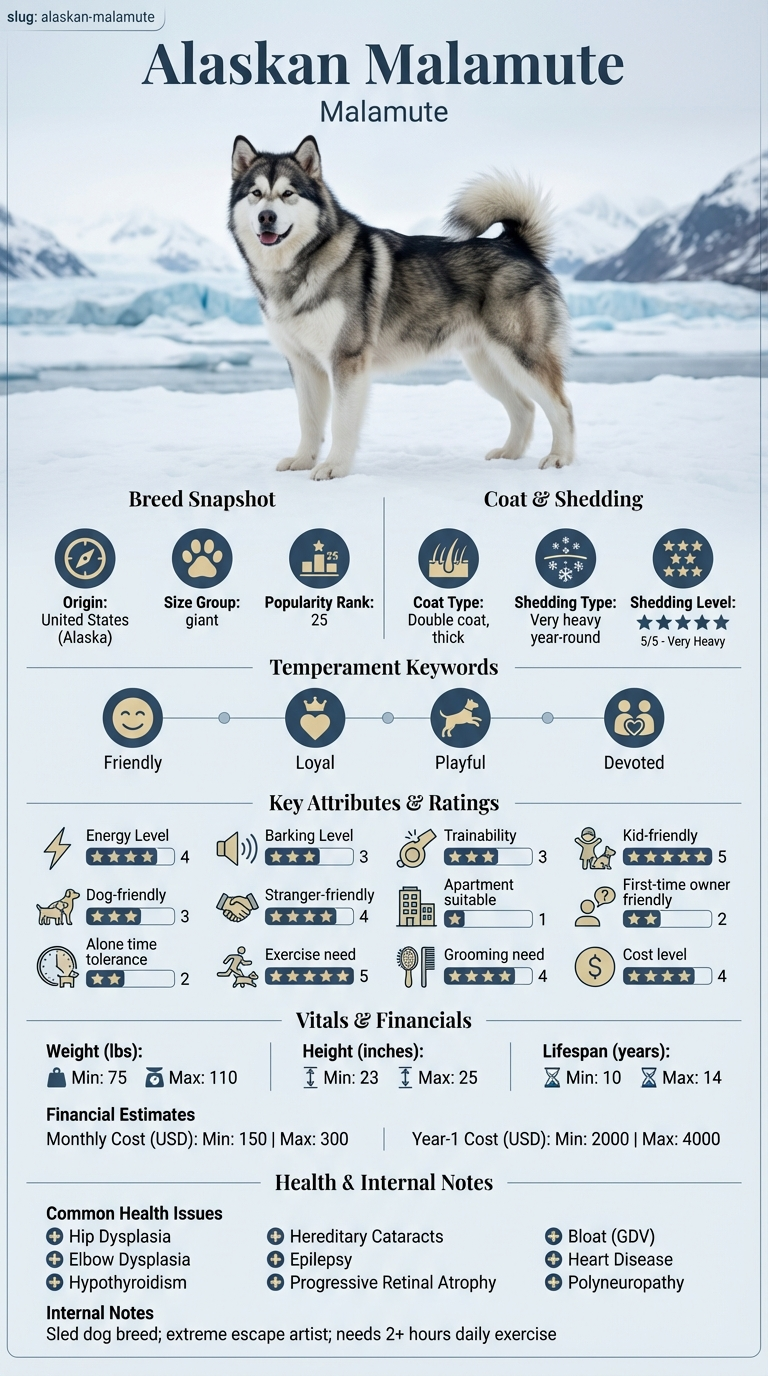
Understanding Alaskan Malamute Allergic Reactions infographic

This issue typically affects first-time dog owners or families with active lifestyles. Busy professionals or those living in urban areas may find it particularly difficult to monitor their dog's environment and reactions.

Important reminder

This guide is not medical advice. If your dog shows pain, sudden behavior change, or worsening symptoms, consult a licensed veterinarian.

Some links may be affiliate links. We may earn a commission at no extra cost to you. We only suggest products we believe are helpful for dog owners.

What this problem looks like

Alaskan Malamute allergic reactions can manifest as skin irritations, itching, and gastrointestinal issues. Daily life may involve frequent scratching, red patches on their skin, or even vomiting after meals. These reactions can stem from various allergens, including certain foods, pollen, or household chemicals, making it crucial for owners to identify triggers.

Common triggers

  • Food allergies, especially to grains or specific proteins
  • Environmental allergens like pollen or dust mites
  • Chemical sensitivities from cleaning products or grooming supplies

Allergic reactions are quite common in Alaskan Malamutes, with studies showing they have a 276% higher risk compared to other breeds. Many owners report dealing with allergies at some point in their dog's life, making awareness essential for effective management.

Why this happens

Breed factors

Alaskan Malamutes are known for their thick double coats, which can lead to increased exposure to allergens. Their genetic predisposition to certain health issues, like zinc deficiency, can also contribute to skin problems and allergic reactions. Additionally, their active nature often means they encounter various environmental triggers.

Environment factors

Environmental factors play a significant role in allergic reactions. Common allergens include pollen, dust mites, mold, and certain foods. Changes in season or moving to a new area can introduce new allergens, leading to unexpected reactions for your Malamute.

What you can try

At-home strategies

  • Regularly groom your Malamute to remove loose hair and dander. This can reduce allergen exposure in your home.
  • Keep your living space clean by vacuuming frequently and using air purifiers to minimize airborne allergens.
  • Monitor your dog's diet and consider switching to hypoallergenic dog food if food allergies are suspected. Introduce any new food gradually to avoid digestive issues.

When to consider a trainer

If your Malamute's allergic reactions lead to anxiety or behavioral changes, consulting a trainer can help. They can provide strategies to manage your dog's stress and improve their overall behavior.

When to talk to your vet

If your Malamute shows persistent signs of allergic reactions, such as itching, swelling, or gastrointestinal distress, it's time to consult a vet. They can help identify the cause and recommend appropriate treatments or allergy testing.

Realistic expectations

Expect to see improvements within 4 to 12 weeks with consistent training and care adjustments.

Success means your Alaskan Malamute experiences fewer allergic reactions, showing improved comfort and reduced symptoms.

Mistakes that make this worse

Avoiding these common mistakes can help you manage your Alaskan Malamute's allergic reactions more effectively.

  • Ignoring Symptoms: Many owners overlook early signs of allergic reactions. Instead, observe your Malamute closely and consult a vet at the first signs of irritation.
  • Using Human Products: Some owners mistakenly use human grooming products on their dogs. Always choose products specifically designed for dogs, as human products can irritate their skin.
  • Neglecting Diet: Feeding low-quality food can worsen allergies. Opt for high-quality dog food with limited ingredients to help identify and eliminate allergens.
  • Inconsistent Cleaning: Failing to regularly clean your home can exacerbate allergies. Maintain a clean environment by vacuuming frequently and washing your dog's bedding regularly.
  • Overexposure to Allergens: Some owners don't realize that frequent outdoor exposure can worsen allergic reactions. Limit walks during high pollen seasons and keep your Malamute indoors during peak allergy times.
  • Ignoring the Vet's Advice: Skipping vet appointments or not following prescribed treatments can hinder progress. Always adhere to your vet's recommendations for managing allergies.

When Alaskan Malamute Allergic Reactions Are an Emergency

Recognizing when your Alaskan Malamute's allergic reactions require immediate veterinary attention is crucial. If your dog shows severe symptoms, it's time to call your vet right away. Signs like difficulty breathing, swelling of the face or throat, and persistent vomiting are red flags that shouldn't be ignored.

On the other hand, mild allergic reactions can often be monitored at home. Symptoms such as itching or minor skin irritations may not need urgent care. However, creating a plan to manage these reactions is essential. Keep an eye on your dog's condition and consult your vet if symptoms worsen or persist.

Being aware of these signs can help you act quickly and ensure your Alaskan Malamute stays healthy and happy.

Understanding Alaskan Malamute Allergic Reactions - When Alaskan Malamute Allergic Reactions Are an Emergency

Jessica and Max's Journey with Allergies

Jessica, a first-time dog owner in Seattle, adopted Max, an Alaskan Malamute, who soon began having frequent allergic reactions. After consulting a vet, she learned to identify his triggers and adjusted his diet and environment. With patience and persistence, Jessica implemented a training plan focused on managing his exposure to allergens, resulting in fewer flare-ups and a happier, healthier Max.

Key takeaway: Identifying triggers and making gradual adjustments can significantly improve your Alaskan Malamute's quality of life.

Frequently asked questions

Why does my Alaskan Malamute have allergic reactions?

Alaskan Malamutes can suffer from allergic reactions due to environmental allergens, food, or even flea bites. Common symptoms include itching, redness, and gastrointestinal issues. If you notice these signs, it's essential to consult a vet for proper diagnosis and treatment.

How can I stop my Alaskan Malamute's allergic reactions?

To stop Alaskan Malamute allergic reactions, identify and eliminate the allergen if possible. This may involve changing their diet, using hypoallergenic products, or managing their environment. Regular vet check-ups can help monitor and adjust their care as needed.

Are there specific foods that can cause allergic reactions in Alaskan Malamutes?

Yes, certain ingredients such as beef, chicken, dairy, and grains can trigger allergic reactions in Alaskan Malamutes. A food elimination trial under a vet's guidance can help determine specific food allergies or sensitivities.

What are the common signs of allergic reactions in Alaskan Malamutes?

Common signs include excessive scratching, skin rashes, ear infections, and gastrointestinal upset. Observing these behaviors can help you pinpoint potential allergens and seek veterinary care promptly.

Is there a way to train my Alaskan Malamute to avoid allergens?

While you can't train your Alaskan Malamute to avoid allergens directly, you can condition them to respond to commands for staying away from certain areas or items. Consistent training and positive reinforcement can help create a safer environment for your dog.

What treatments are available for allergic reactions in Alaskan Malamutes?

Treatments may include antihistamines, corticosteroids, or specially formulated diets. Your vet can recommend the best course of action based on your Malamute's specific needs and symptoms.

What should I do if my Alaskan Malamute has a severe allergic reaction?

If your Alaskan Malamute shows signs of a severe allergic reaction, such as swelling, difficulty breathing, or vomiting, seek immediate veterinary care. Time is crucial in these situations, and your vet can provide the necessary treatments.

Can my Alaskan Malamute develop allergic reactions as they age?

Yes, older Alaskan Malamutes can develop allergic reactions due to changes in their immune system. Keep an eye on any new symptoms or sensitivities that arise as they get older, and consult your vet for guidance.

How can I tell if my Alaskan Malamute is allergic to something in their environment?

Look for symptoms like itching, excessive scratching, or skin irritations, which may indicate environmental allergies. Keeping a log of when symptoms occur can help identify potential triggers, such as pollen or dust.

Are certain foods more likely to cause allergic reactions in Alaskan Malamutes?

Yes, some common allergens in dog food include beef, dairy, and wheat. If you suspect a food allergy, consider switching to a hypoallergenic diet and consult your vet for a proper elimination trial.

What are the long-term effects of untreated allergic reactions in Alaskan Malamutes?

Untreated allergic reactions can lead to chronic skin problems, infections, and discomfort. It's important to address allergies early to prevent these complications and ensure your Malamute's health and happiness.
Quick answers

View more answers
Behavior

What are quick tips for Alaskan Malamute allergic reactions?

Regularly bathe your Malamute with a vet-recommended shampoo and keep their environment clean to reduce allergens. Monitor their diet closely and consult your vet if symptoms arise.

Costs

How much does it cost to manage allergic reactions in Alaskan Malamutes?

Managing allergic reactions can cost between $150 and $300 per month, depending on treatments and dietary needs. Be prepared for additional vet visits as well.

Health

Are there special foods for Alaskan Malamutes with allergies?

Yes, hypoallergenic and limited-ingredient diets are available for Alaskan Malamutes with food allergies. Always consult your vet before making dietary changes.

Related DogBreedCompass guides

  • how to stop Alaskan Malamute allergic reactionsLearn how to manage and train your Alaskan Malamute to reduce allergic reactions.
  • Alaskan Malamute behavior problemsUnderstand common behavior problems in Alaskan Malamutes and how to address them.
  • Alaskan Malamute cost breakdownExplore the costs associated with owning an Alaskan Malamute, including health-related expenses.
  • Alaskan Malamute separation anxiety guideFind tips for treating separation anxiety in your Alaskan Malamute.
  • dog allergic reactions managementDiscover common allergic reactions in dogs and how to manage them effectively.

Related guides


