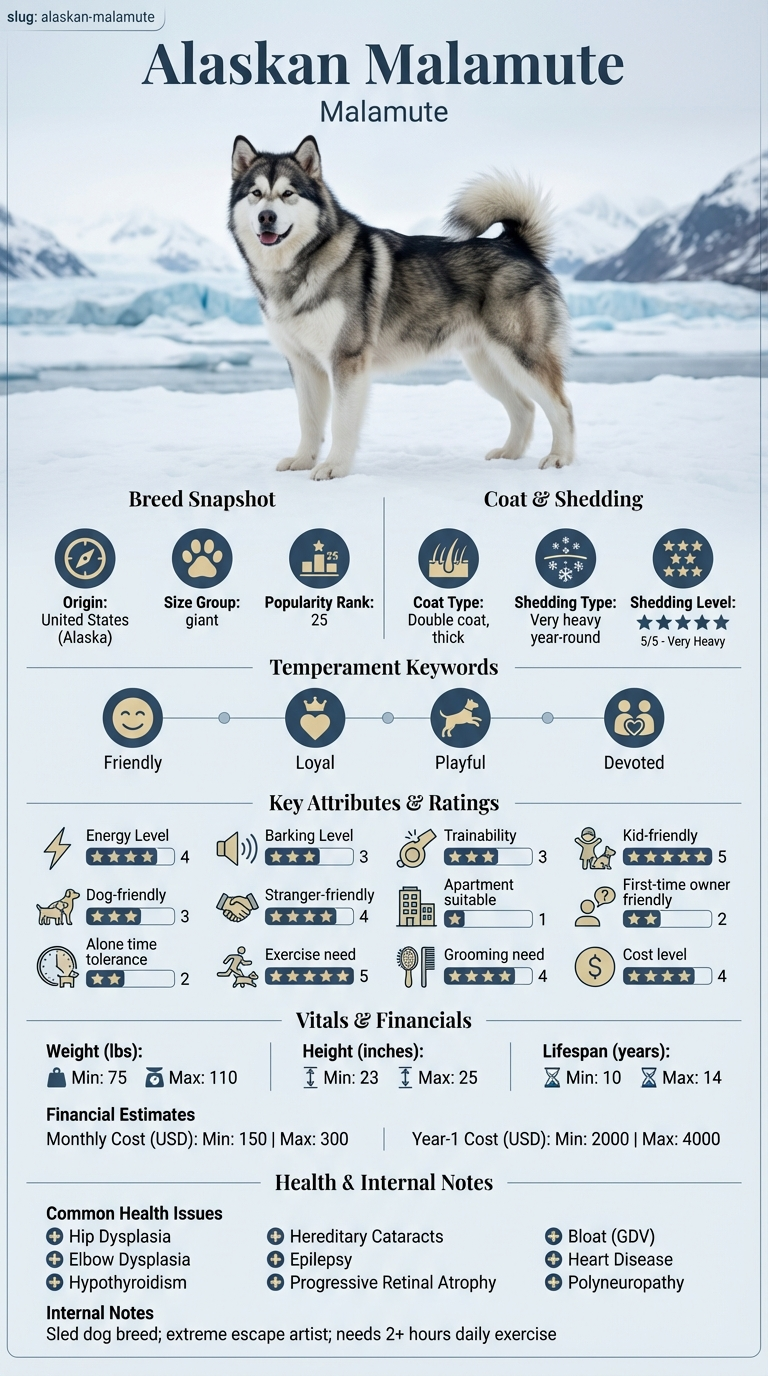
Alaskan Malamute gastric dilatation-volvulus (GDV/bloat) is a serious, life-threatening condition that affects many dogs.
Typically, owners of Alaskan Malamutes, especially those who are first-time dog parents or have busy lifestyles, struggle with recognizing the symptoms of GDV. With their large size and active nature, these dogs can be particularly susceptible to this condition, making it crucial for owners to stay informed.
Important reminder
This guide is not medical advice. If your dog shows pain, sudden behavior change, or worsening symptoms, consult a licensed veterinarian.
Some links may be affiliate links. We may earn a commission at no extra cost to you. We only suggest products we believe are helpful for dog owners.
What this problem looks like
Alaskan Malamute gastric dilatation-volvulus (GDV/bloat) is a serious and potentially life-threatening condition. It occurs when the stomach fills with gas and twists, cutting off blood flow. This can lead to severe pain, restlessness, and vomiting, making it critical to recognize the signs early.
Common triggers
Eating large meals quickly
Exercising immediately after eating
High-stress situations or anxiety
Genetic predisposition
GDV is particularly common in giant breeds like the Alaskan Malamute, with estimates suggesting that it affects about 20-30% of these dogs at some point in their lives. Owners should be vigilant, especially during meal times and after vigorous activity.
Why this happens
Breed factors
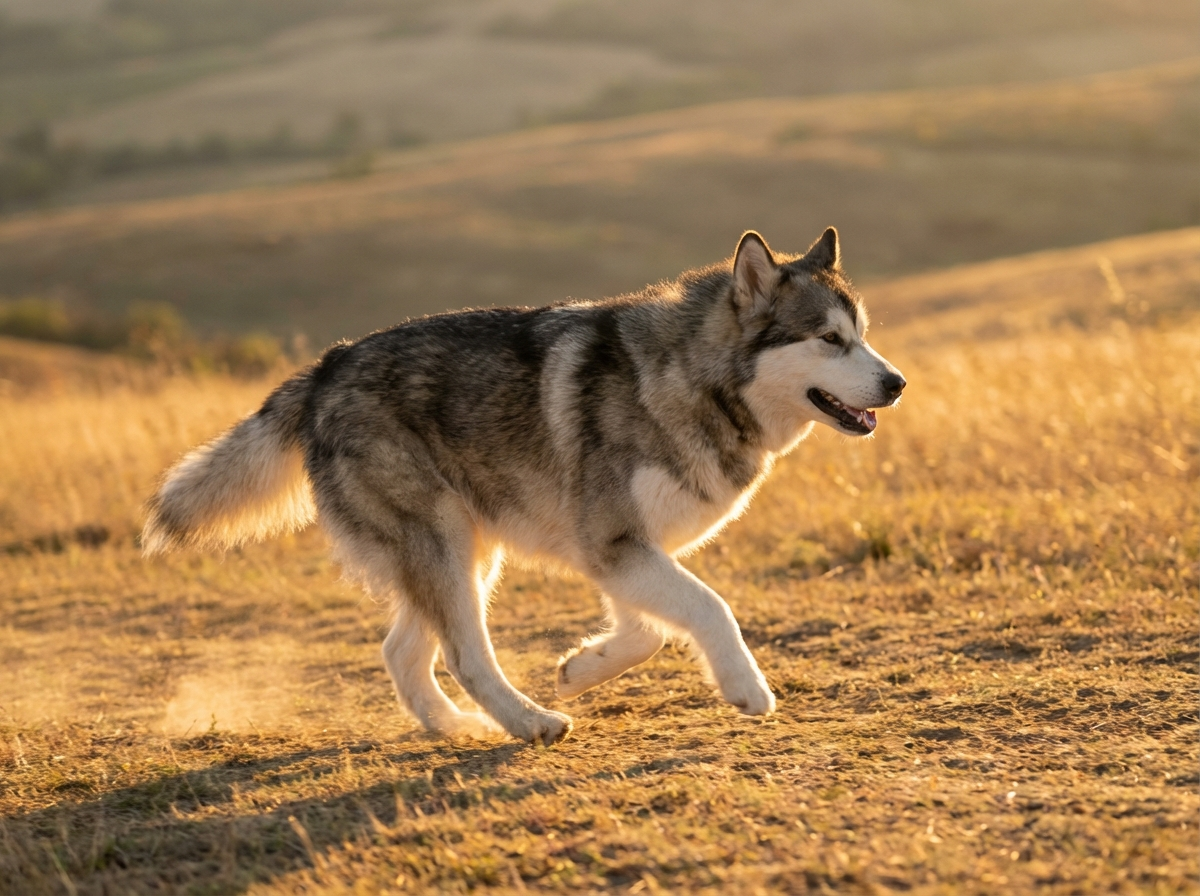
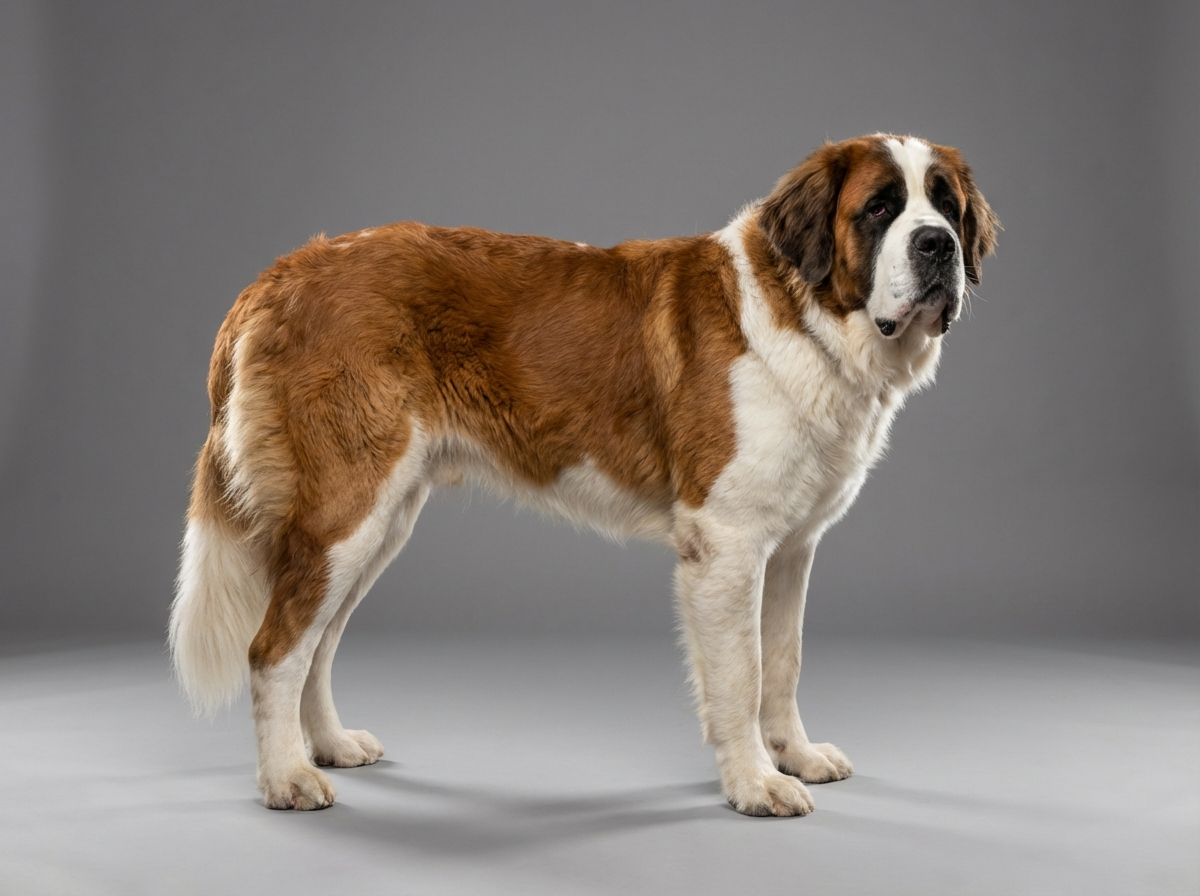
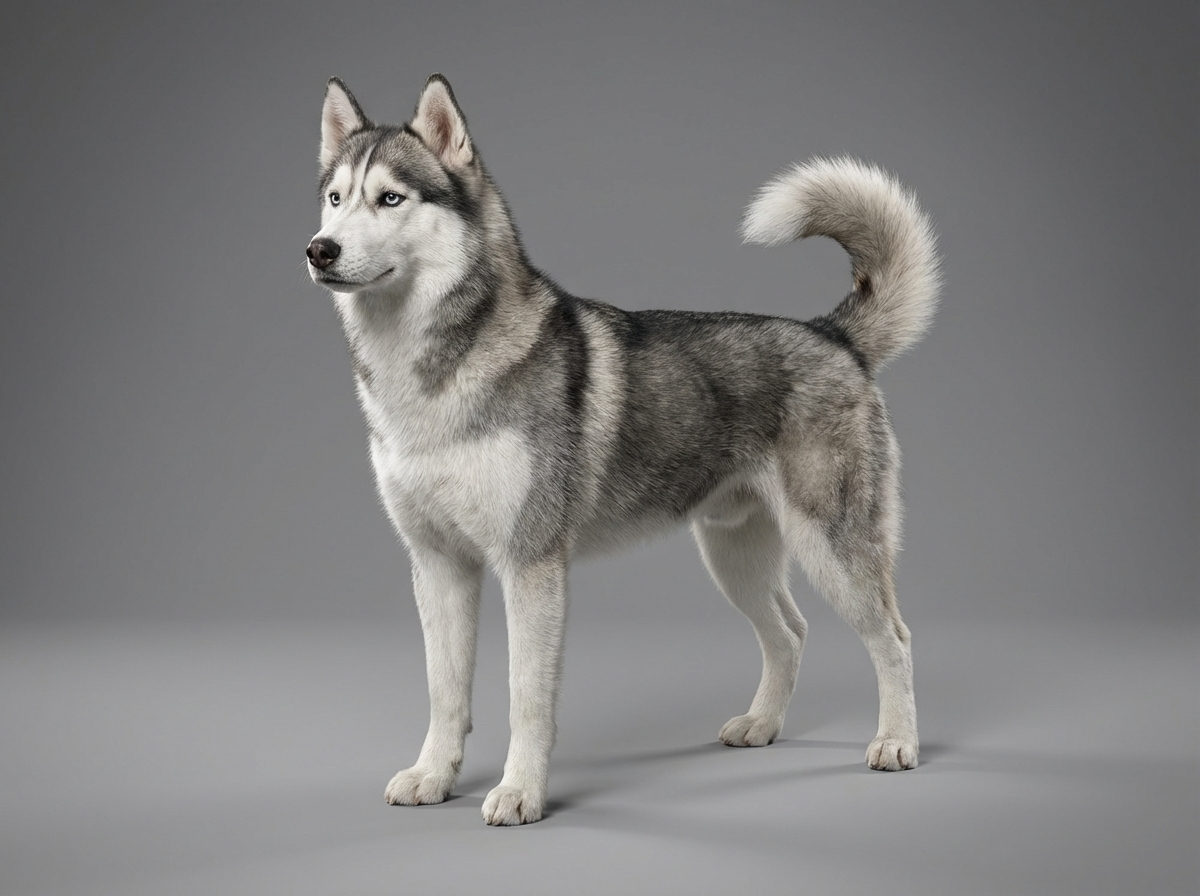
Alaskan Malamutes are large, deep-chested dogs, which makes them more susceptible to gastric dilatation-volvulus (GDV). Their size can lead to a higher risk of the stomach twisting, especially when they eat quickly or engage in vigorous activity right after meals. Genetics can also play a role, as some lines may have a predisposition toward this condition.
Environment factors
Environmental factors can contribute to GDV as well. Stressful situations, such as loud noises or changes in routine, can trigger this life-threatening condition. Additionally, feeding habits like giving large meals or dry kibble without adequate water can increase the risk.
What you can try
At-home strategies
Feed smaller, more frequent meals instead of one large meal. This can help reduce the risk of bloat.
Use a slow feeder bowl to make your Alaskan Malamute eat more slowly. This can prevent excessive air intake during meals.
Encourage calm behavior after meals by limiting exercise for at least an hour post-feeding. Try keeping your dog relaxed and indoors during this time.
Monitor your dog for signs of distress, like excessive drooling or restlessness, especially after eating.
When to consider a trainer
If your Alaskan Malamute shows signs of anxiety or stress around feeding times, it's worth consulting a professional trainer. They can provide techniques to create a calm feeding environment.
When to talk to your vet
If you notice symptoms of GDV, such as a bloated stomach, unproductive retching, or signs of pain, contact your vet immediately. GDV is a medical emergency and requires prompt attention.
Realistic expectations
Managing Alaskan Malamute gastric dilatation-volvulus (GDV/bloat) requires immediate veterinary attention. Once diagnosed, treatment can take days to weeks for recovery. Long-term management focuses on prevention through diet and behavior adjustments, which may take several months to establish.
Success means your Malamute is no longer at risk of GDV, maintaining a healthy weight, and having a stable digestive system. You'll notice fewer instances of bloating, and your dog will have consistent energy levels and overall good health.
Mistakes that make this worse
When dealing with Alaskan Malamute gastric dilatation-volvulus (GDV/bloat), certain common mistakes can worsen the situation. Here are key behaviors to avoid.
Feeding large meals at once: This can increase the risk of bloat. Instead, serve smaller, more frequent meals throughout the day.
Allowing vigorous exercise immediately after eating: Intense activity can trigger bloat. Wait at least an hour after meals before letting your Malamute run around.
Ignoring early signs of distress: Symptoms like restlessness or a swollen belly should not be overlooked. Seek veterinary help immediately if you notice these signs.
Using elevated feeding bowls: Some studies suggest elevated bowls may increase the risk of GDV. Use flat bowls on the ground instead to promote natural eating posture.
Overlooking anxiety triggers: Stress can contribute to digestive issues. Create a calm environment and monitor any anxiety-related behaviors in your Malamute.
Not monitoring water intake: Rapid drinking can lead to bloat. Offer water in smaller amounts and consider using a slow feeder to prevent gulping.
Neglecting regular vet check-ups: Routine health assessments are essential for early detection of potential issues. Schedule regular visits to keep your Malamute healthy.
When Alaskan Malamute Gastric Dilatation-Volvulus (GDV/Bloat) is an Emergency
Recognizing when Alaskan Malamute gastric dilatation-volvulus (GDV/bloat) becomes an emergency is crucial. This condition can be life-threatening, and acting quickly can save your dog's life. Here are the signs that mean you should call your vet immediately.
Red-flag signs include a distended abdomen, excessive drooling, and signs of pain. If your Malamute is attempting to vomit but unable to, this is a serious symptom. Rapid breathing or lethargy can also indicate an emergency. If you notice any of these signs, don’t wait—get your dog to the vet right away.
In less severe cases, you might notice mild bloating or your Malamute showing occasional discomfort without other alarming symptoms. If your dog is still eating, drinking, and seems generally active, it may be safe to monitor them at home. Create a plan to watch for any changes in behavior or symptoms, and consult your vet for advice on how to manage the situation. Always err on the side of caution, and if you have any doubts, it's better to call your vet. Your Malamute's well-being is the priority.
Alaskan Malamute Gastric Dilatation-Volvulus (GDV/Bloat) - When Alaskan Malamute Gastric Dilatation-Volvulus (GDV/Bloat) is an Emergency
Navigating GDV with Max the Malamute
Jess, a first-time dog owner, was shocked when her Alaskan Malamute, Max, bloated after a meal. After an emergency vet visit revealed GDV, Jess learned the hard way about the condition's seriousness. With guidance from her vet, she adjusted Max's diet to smaller, more frequent meals and introduced slow-feeding bowls to help him eat calmly. Over time, Max's bloating episodes decreased significantly, and Jess found peace of mind knowing she was doing everything to keep him healthy.
Key takeaway: Understanding the signs of Alaskan Malamute gastric dilatation-volvulus (GDV/bloat) and taking proactive measures can save your dog's life. Early intervention and careful management are crucial.
Frequently asked questions
What is Alaskan Malamute gastric dilatation-volvulus (gdv/bloat)?
Alaskan Malamute gastric dilatation-volvulus (gdv/bloat) is a serious, life-threatening condition where the stomach fills with gas and twists. This can cut off blood flow and lead to shock or death if not treated immediately. It's crucial to recognize the signs early and seek veterinary help.
What are the symptoms of gdv/bloat in Alaskan Malamutes?
Common symptoms include a swollen abdomen, excessive drooling, retching without vomiting, restlessness, and signs of pain. If you notice these symptoms, take your dog to the vet right away, as this condition is an emergency.
How can I prevent my Alaskan Malamute from developing gdv/bloat?
To help prevent Alaskan Malamute gastric dilatation-volvulus (gdv/bloat), consider feeding smaller meals more frequently rather than one large meal. Avoid vigorous exercise immediately before and after meals, and ensure your dog stays calm during feeding times.
Why does my Alaskan Malamute have gastric dilatation-volvulus (gdv/bloat)?
The exact cause of Alaskan Malamute gastric dilatation-volvulus (gdv/bloat) isn't fully understood, but certain factors like genetics, age, and feeding habits can contribute. It's more common in deep-chested breeds like the Malamute, especially after meals.
What should I do if I suspect my Alaskan Malamute has gdv/bloat?
If you suspect your Alaskan Malamute has gastric dilatation-volvulus (gdv/bloat), get them to an emergency vet immediately. Time is critical, and the sooner treatment begins, the better the chances for recovery.
Are there training techniques to help with gdv/bloat prevention?
Training your Alaskan Malamute to eat slowly can help prevent gdv/bloat. Use feeding puzzles or slow feeder bowls, and train them to remain calm during meal times to reduce the risk of this condition.
What are the early signs of gastric dilatation-volvulus (GDV/bloat) in Alaskan Malamutes?
Early signs of GDV/bloat in Alaskan Malamutes include restlessness, pacing, and a swollen abdomen. You may also notice your dog trying to vomit without success. If you see these symptoms, it’s crucial to seek veterinary assistance immediately.
Can older Alaskan Malamutes develop gastric dilatation-volvulus (GDV/bloat)?
Yes, older Alaskan Malamutes can develop GDV/bloat, especially if they have a history of eating quickly or have had previous episodes of bloat. Regular check-ups with a vet are important for older dogs to monitor their health.
Is there a specific diet that can help prevent gastric dilatation-volvulus (GDV/bloat) in Alaskan Malamutes?
Feeding smaller, more frequent meals and using elevated feeding bowls may help reduce the risk of GDV/bloat. It's also essential to avoid vigorous exercise right after meals. Always consult your vet for dietary recommendations tailored to your dog's needs.
What should I do if my Alaskan Malamute shows signs of gastric dilatation-volvulus (GDV/bloat)?
If your Alaskan Malamute shows signs of GDV/bloat, take them to a veterinarian immediately. This condition is life-threatening and requires urgent medical attention. Delaying treatment can have severe consequences for your dog's health.
Can stress cause gastric dilatation-volvulus (GDV/bloat) in Alaskan Malamutes?
While stress is not a direct cause of GDV/bloat, it can contribute to behaviors like rapid eating that increase risk. Managing stress through training and creating a calm environment can help reduce the likelihood of bloat episodes in your Alaskan Malamute.
What are quick tips for Alaskan Malamute gastric dilatation-volvulus (gdv/bloat)?
Feed smaller, more frequent meals and avoid exercise before and after eating. Monitor for symptoms like a swollen belly and get immediate vet help if they occur.
Living
How often should I feed my Alaskan Malamute?
It's best to feed your Alaskan Malamute two to three smaller meals a day rather than one large meal to help prevent gdv/bloat.
Health
What signs indicate my Alaskan Malamute might have bloat?
Look for signs like a distended abdomen, excessive drooling, and attempts to vomit without producing anything. These are indicators to get immediate veterinary assistance.
Training
Can I train my dog to avoid bloat?
Yes, using slow feeder bowls and training your dog to eat calmly can help reduce the risk of bloat.
Related DogBreedCompass guides
Alaskan Malamute gastric dilatation-volvulus (gdv/bloat) training – Learn how to prevent serious issues like GDV in your Alaskan Malamute.
Alaskan Malamute behavior problems – Understand common behavior issues related to Alaskan Malamutes that may affect their health.
Alaskan Malamute separation anxiety guide – Explore training techniques that help manage your Malamute's anxiety and reduce risks of GDV.
Alaskan Malamute cost breakdown – Get insights into the costs associated with owning an Alaskan Malamute.
Bloat in dog breeds – Discover other breeds prone to similar health issues and how to manage them.