Guide

Your Guide to Large Hypoallergenic Dog Breeds

Looking for a big, friendly dog but worried about allergies? This guide will help you discover large hypoallergenic dog breeds that can fit perfectly into your home.

Understanding Large Hypoallergenic Dog Breeds

If you love big dogs but have allergies, finding the right breed can feel like searching for a needle in a haystack. Large hypoallergenic dog breeds are a fantastic option for allergy sufferers who still want a furry friend. These breeds generally produce fewer allergens, making it easier for sensitive owners to enjoy their companionship without constant sneezing or discomfort.

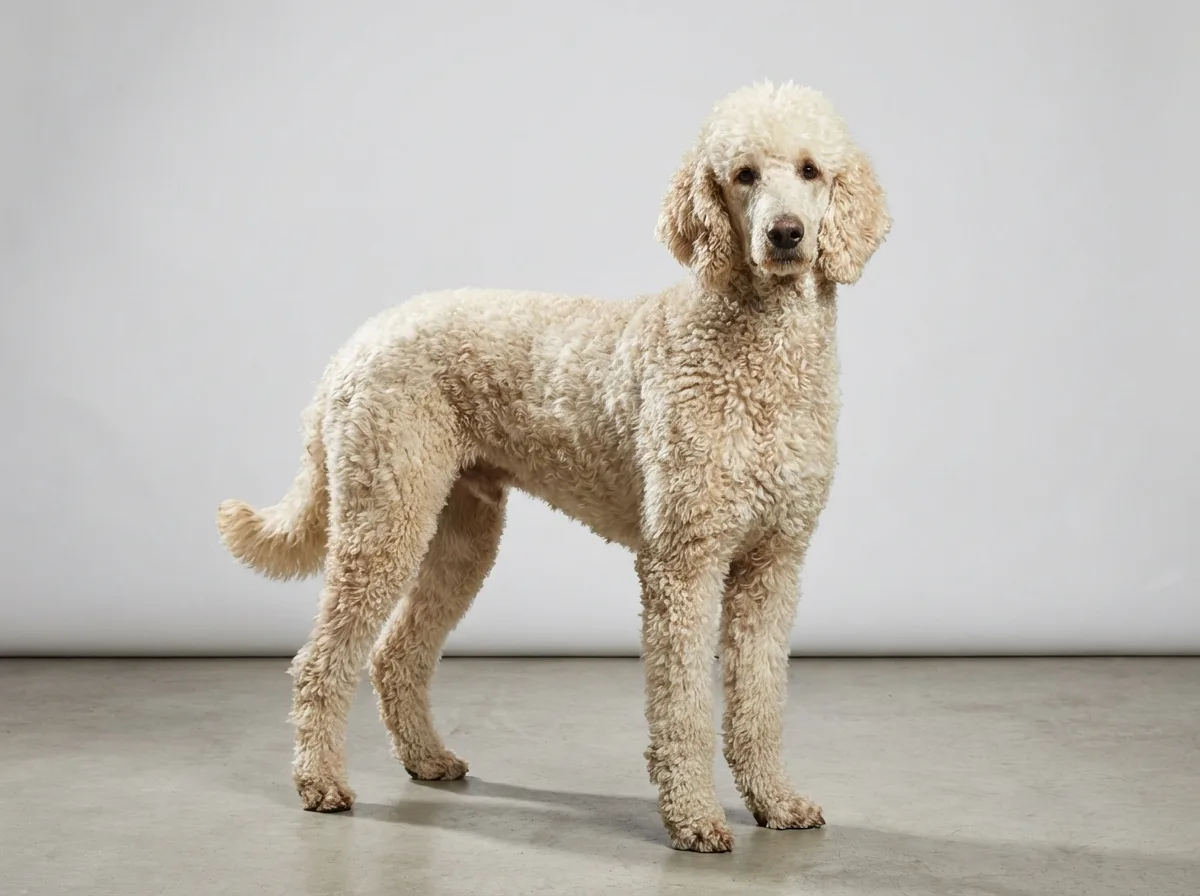
Hypoallergenic dogs typically have hair rather than fur, which means they shed less dander and hair. This is crucial since dander is a common trigger for allergies. Breeds like the Standard Poodle and Portuguese Water Dog are not only large but also known for their minimal shedding. This helps keep your home cleaner and more comfortable.

The importance of choosing the right breed cannot be overstated. Allergies can make dog ownership challenging, and selecting a breed that fits your lifestyle is vital. Large hypoallergenic dogs can offer the same companionship, loyalty, and fun as any other breed, but with fewer allergy-related issues. These dogs can be great for active families or individuals who want a partner for outdoor adventures. However, their size also means they require more space, exercise, and training, making it essential to assess your living situation before bringing one home.

In this guide, we’ll explore some of the best large hypoallergenic dog breeds. We’ll help you understand their unique traits, care needs, and how they fit into different lifestyles. Whether you’re a busy working professional or a family with kids, there’s likely a breed that can meet your needs. We’ll also address common concerns and questions, such as whether Goldendoodles are truly hypoallergenic or the best large dogs for allergic owners.

Understanding the trade-offs is key when considering these breeds. While they may be less likely to trigger allergies, no dog can be completely hypoallergenic. It's essential to spend time with a breed before making a decision. This will help you gauge your allergic reactions and ensure a good fit for your family. We’ll also discuss non-shedding large breeds and highlight allergy-friendly giants that can thrive in various living situations.

By the end of this guide, you’ll have a better grasp of the large hypoallergenic dog breeds available. You’ll learn how to choose the right one for your lifestyle while managing your allergies effectively. Let's embark on this journey to find the perfect furry companion without the sneezes!

How to Choose Large Hypoallergenic Dog Breeds

Finding the right large hypoallergenic dog breed can be a rewarding journey. Follow these steps to ensure you choose the best fit for your lifestyle and allergies.

Detailed Steps to Follow

Here’s a detailed breakdown of each step to help guide your decision.

Step 1: Research Breeds

Start by researching large hypoallergenic dog breeds like the Standard Poodle, Portuguese Water Dog, and Irish Water Spaniel. Look for traits that match your lifestyle, such as energy levels and grooming needs.

Step 2: Assess Allergy Severity

Evaluate how severe your allergies are. Consult with an allergist if needed. Understanding your sensitivity can help you choose a breed that won’t trigger your allergies.

Step 3: Visit Local Shelters or Breeders

Find local shelters or reputable breeders that have large hypoallergenic breeds available. Take notes on each dog’s temperament and health background.

Step 4: Spend Time with Dogs

Spend time with the dogs you are considering. This can help you gauge your allergies in real-time and see how you connect with the dog’s personality.

Step 5: Prepare Your Home

Prepare your home for a new dog. This includes buying supplies like a bed, food, and toys, and removing any allergens that could trigger your sensitivities.

Step 6: Consult with a Vet

Before making your final decision, consult with a veterinarian. They can provide valuable insights on the breed’s health and care requirements.

Step 7: Make the Commitment

Once you feel confident in your choice, make the commitment. Remember, adopting a dog is a long-term responsibility that requires love and care.

Common Mistakes with Large Hypoallergenic Dog Breeds

When considering large hypoallergenic dog breeds, many owners make mistakes that can lead to challenges down the line. Here are some common pitfalls to avoid.

Myths About Large Hypoallergenic Dog Breeds Debunked

When it comes to large hypoallergenic dog breeds, several myths can mislead potential owners. Let’s clarify some of these misconceptions to help you make informed decisions.

Advanced Tips for Choosing Large Hypoallergenic Dog Breeds

If you're considering large hypoallergenic dog breeds, it's important to go beyond the basics. Here are some advanced tips to help you make the best choice for your family and lifestyle. First, spend time with the breed before committing. Visit breeders or shelters to interact with potential pets. This experience can help you gauge your reactions and the dog's behavior in person.

Next, consider the dog's grooming needs. While many large hypoallergenic breeds are low-shedding, they may still require regular grooming to maintain a healthy coat and minimize allergens. Invest in quality grooming tools and consider scheduling regular appointments with a professional groomer to keep shedding at bay.

Another important factor is training. Large breeds can be strong-willed and require consistent training. Start with basic commands early and consider enrolling in a training class. This not only helps with obedience but also strengthens the bond between you and your dog.

Additionally, think about your living situation. Large dogs need space to move around comfortably. If you live in an apartment, ensure you can provide enough exercise through walks and play. Regular outdoor activity is crucial for their health and happiness.

Lastly, understand the potential health issues associated with specific breeds. Research each breed thoroughly and consult with a veterinarian to ensure you're prepared for any breed-specific health concerns. This proactive approach can save you time, stress, and money in the long run.

Insider Secrets for Choosing Large Hypoallergenic Dog Breeds

When looking for large hypoallergenic dog breeds, there are some lesser-known insights that can make a big difference in your decision. Here are some expert tips to help you navigate your options:

Checklist for Choosing Large Hypoallergenic Dog Breeds

Use this checklist to make sure you find the right large hypoallergenic dog breed for your home and lifestyle.

Frequently asked questions

What are the best large hypoallergenic dog breeds?

Some of the best large hypoallergenic dog breeds include the Standard Poodle, Portuguese Water Dog, and Irish Water Spaniel. These breeds are known for their low-shedding coats, which can help reduce allergens in your home. They also tend to be friendly and energetic, making them great companions.

Are Goldendoodles hypoallergenic?

Goldendoodles can be considered hypoallergenic, especially the ones that inherit more traits from their Poodle parent. However, not all Goldendoodles will be non-shedding, so it's important to spend time with a specific dog before making a decision. Regular grooming can also help minimize allergens.

What makes a dog hypoallergenic?

A hypoallergenic dog is one that produces fewer allergens than other breeds. This can be due to lower shedding, less dander, or specific coat types that trap allergens instead of releasing them into the environment. Regular grooming and cleaning can also help manage allergens.

Are there any large non-shedding breeds?

Yes, there are several large non-shedding breeds, including the Standard Poodle and the Irish Water Spaniel. These breeds have hair that grows continuously and requires regular grooming, which helps to reduce shedding and dander in your home. They can be a great choice for allergy sufferers.

Can I have a large dog if I have allergies?

Yes, you can have a large dog even if you have allergies. Choosing a hypoallergenic breed, like those mentioned earlier, can help minimize allergic reactions. It's also essential to maintain a clean environment and establish a regular grooming routine to keep allergens at bay.

What are the best large hypoallergenic dog breeds for families?

Some of the best large hypoallergenic dog breeds for families include the Standard Poodle, Portuguese Water Dog, and Irish Water Spaniel. These breeds are known for their friendly dispositions and adaptability to family life. They tend to be good with children and can provide both companionship and protection.

Do large hypoallergenic dogs really reduce allergy symptoms?

While no dog is completely hypoallergenic, large hypoallergenic breeds may produce fewer allergens than others. This can help reduce allergy symptoms for sensitive individuals. Regular grooming and cleaning can further minimize allergens in your home.

Are Goldendoodles hypoallergenic and suitable for allergy sufferers?

Goldendoodles can be a good option for allergy sufferers, as they often inherit the low-shedding coat of their Poodle parent. However, individual dogs can vary in coat type, so it's essential to spend time with a Goldendoodle before bringing one home. This way, you can see how your allergies react.

How much grooming do large hypoallergenic breeds require?

Large hypoallergenic breeds typically require regular grooming to maintain their coats and minimize shedding. Depending on the breed, this could mean brushing several times a week and professional grooming every few months. Consistent grooming helps keep allergens at bay and keeps your dog looking their best.

Can I find large non-shedding dog breeds in shelters?

Yes, you can find large non-shedding or hypoallergenic breeds in shelters, though they may be less common. It's always a good idea to check local rescues or breed-specific organizations. Many mixed breeds also exhibit low-shedding traits, so keep an open mind when searching for your new furry friend.

What is the average size and weight of big hypoallergenic dogs?

Big hypoallergenic dogs typically weigh between 50 to 100 pounds and can stand 20 to 30 inches tall at the shoulder. Breeds like the Standard Poodle or Portuguese Water Dog fall into this category. It's important to consider their size when planning your living space and exercise routine.

Are large hypoallergenic dogs good for apartment living?

Some large hypoallergenic dogs can adapt well to apartment living if they receive enough exercise and mental stimulation. Breeds like the Portuguese Water Dog can thrive in smaller spaces as long as they have daily walks and playtime. It's crucial to ensure they have enough room to move and play comfortably.