Your Guide to Large Dogs That Don’t Shed
Looking for a big dog that won't leave fur all over your home? This guide covers large dogs that don’t shed, making it easy to find your perfect furry companion.
Understanding Large Dogs That Don’t Shed
When it comes to choosing a dog, many people dream of a large, loyal companion without the hassle of shedding. Large dogs that don’t shed are not only a great addition to families but also offer practical benefits for those with allergies or a preference for a cleaner home. This guide will help you explore the options available and understand why these breeds might be the perfect fit for your lifestyle.
Large dogs that don’t shed, often referred to as hypoallergenic breeds, are ideal for various living situations. For instance, individuals with allergies can enjoy the companionship of a big dog without suffering from constant sneezing or itchy eyes. The absence of shedding means less fur around your home, making clean-up easier. This can be particularly important for busy families or individuals who prefer a tidy living environment.
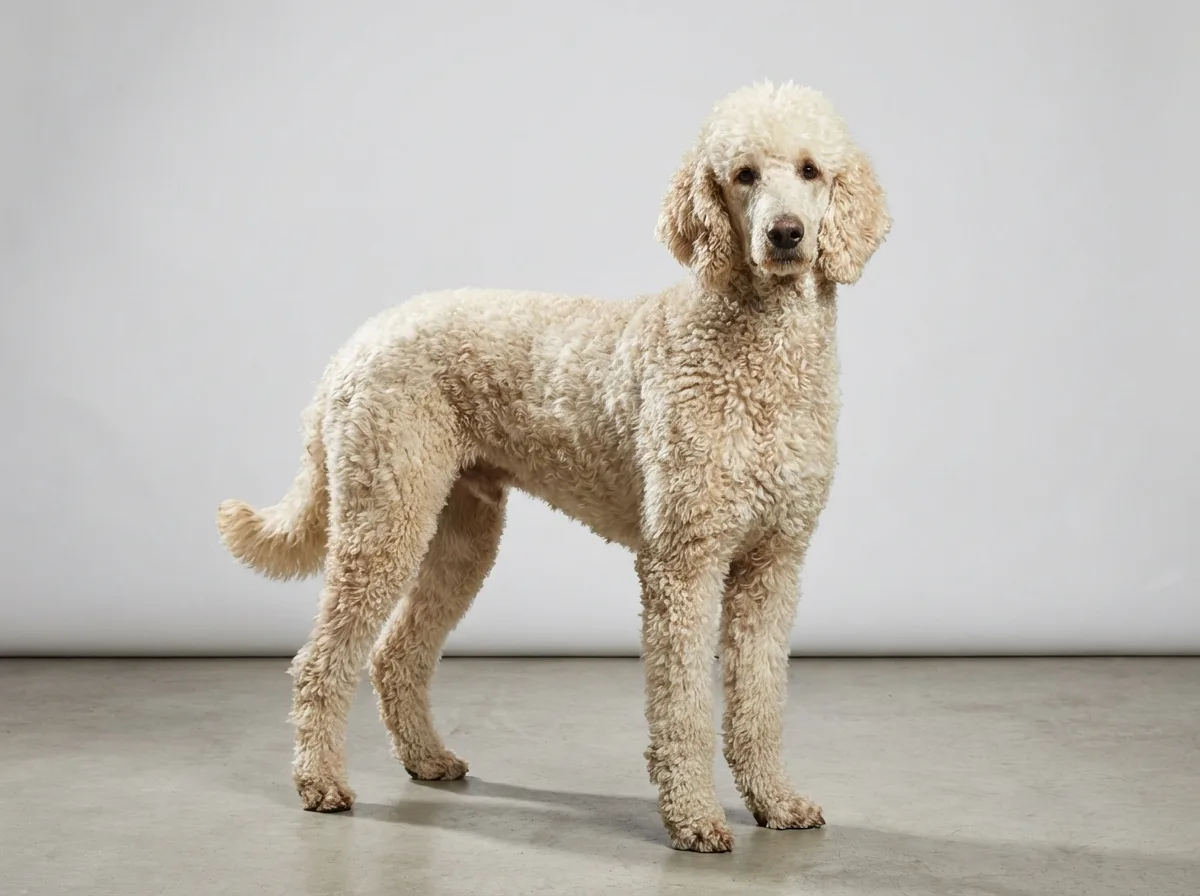
So, what breeds fall into this category? Hypoallergenic large dogs can include mixes such as the Standard Poodle Mix and the Giant Schnauzer, both known for minimal shedding. Other breeds like the Bouvier des Flandres are also praised for their low-shedding coats. Understanding the characteristics of these breeds can help you make an informed decision.
Why does it matter? Choosing a large dog that doesn’t shed can greatly impact your quality of life. For dog owners who love spending time with their pets but dislike the mess, these breeds provide a compromise. Additionally, they can offer the same companionship and protection as any other large dog, making them a great choice for families or individuals looking for a big-hearted friend.
In this guide, we’ll delve into the specifics of each breed, their care requirements, and the pros and cons of owning a large dog that doesn’t shed. You’ll find information on grooming needs, temperament, and how they fit into various lifestyles. We’ll also address common questions like, “Is there a big dog that doesn't shed?” and “Best large hypoallergenic dog?” to ensure you have all the information you need to make a confident choice.
By the end of this guide, you’ll have a clearer picture of what to expect from these non-shedding giants. Whether you’re a first-time dog owner or looking to add to your family, finding the right breed can make all the difference. Let’s explore the wonderful world of large dogs that don’t shed and discover the perfect fit for you!
Your Step-by-Step Guide to Finding Large Dogs That Don’t Shed
Finding large dogs that don’t shed can seem challenging, but with the right approach, you can discover hypoallergenic breeds that fit your lifestyle. Here’s a practical step-by-step guide to help you make the right choice this week.
- Step 1: Research Hypoallergenic Breeds
- Step 2: Assess Your Living Space
- Step 3: Connect with Local Shelters or Breeders
- Step 4: Schedule Meet-and-Greets
- Step 5: Prepare Your Home
- Step 6: Plan for Ongoing Care
Common Mistakes When Choosing Large Dogs That Don’t Shed
Choosing a large dog that doesn’t shed can be a smart choice for many families. However, there are common mistakes that potential owners often make. Here are some of the biggest pitfalls and why they can backfire.
- 1. Assuming all large dogs are hypoallergenic: Many people believe that all large dogs that don’t shed are hypoallergenic. However, shedding isn’t the only factor that causes allergies. Dander and saliva can also trigger allergic reactions, so it’s crucial to spend time with a breed before bringing one home.
- 2. Ignoring grooming needs: Some owners think that because a dog doesn’t shed, it won’t require much grooming. In reality, many non-shedding breeds, like the Poodle, need regular grooming to prevent matting. Failing to maintain their coat can lead to skin issues and discomfort for the dog.
- 3. Not considering energy levels: People often overlook the energy needs of large dogs. Breeds like the Giant Schnauzer require daily exercise and mental stimulation. Without sufficient activity, these dogs can develop behavioral problems, such as anxiety or destructive tendencies.
- 4. Underestimating space requirements: Large dogs need space to thrive. Many owners choose breeds without considering their living situation, leading to an unhappy dog. Apartments or small homes might not provide the necessary room for a big breed to move comfortably.
- 5. Focusing too much on size and looks: Some potential owners get caught up in the appearance of a dog and forget to research temperament and behavior. A breed may look appealing but could be unsuitable for your lifestyle, leading to frustration down the line.
- 6. Neglecting training: Large dogs need consistent training, particularly during their puppy years. New owners may underestimate the importance of obedience training, thinking that a non-shedding breed will be easier to manage. A lack of training can lead to issues like jumping or pulling on the leash.
- 7. Not budgeting for care: Owners often fail to account for the costs associated with grooming, food, and veterinary care for large dogs. Non-shedding breeds might have specific dietary needs and require more frequent vet visits, which can strain a budget.
Myths vs. Facts About Large Dogs That Don’t Shed
There are many misconceptions about large dogs that don’t shed. Understanding the truth behind these myths can help potential owners make informed decisions. Here are some common myths and the corresponding facts.
- Myth: All large dogs shed a lot.
- Fact: Some large breeds are low-shedding or even non-shedding.
- Myth: Hypoallergenic dogs don’t produce any allergens.
- Fact: Hypoallergenic breeds still produce some allergens but are less likely to trigger reactions.
- Myth: Non-shedding breeds require no grooming.
- Fact: Non-shedding dogs often need regular grooming to prevent matting.
Advanced Tips for Choosing Large Dogs That Don’t Shed
If you're considering large dogs that don’t shed, here are some advanced tips to help you make the best choice for your lifestyle. These strategies go beyond the basics and can significantly enhance your experience with your new furry friend.
- Research Mixed Breeds: Consider adopting a standard poodle mix or other hybrid breeds that are known for their low-shedding coats. These dogs often inherit the best traits from both parent breeds, including hypoallergenic properties.
- Evaluate Grooming Needs: Even non-shedding breeds require grooming. Look into the specific grooming needs of each breed, as some may need regular professional grooming to maintain their coat.
- Test for Allergies: If allergies are a concern, spend time with the breed you’re considering before making a commitment. This can help you understand if you or your family members will have allergic reactions.
- Consider Temperament: Large dogs that don’t shed can have varying temperaments. Research the behavior traits of breeds like the Giant Schnauzer or Bouvier des Flandres to ensure they fit your family’s lifestyle.
- Adopt from Reputable Sources: Always choose to adopt from shelters or reputable breeders who prioritize health and temperament. They can provide insight into the dog's shedding tendencies and overall care requirements.
Insider Secrets for Large Dogs That Don’t Shed
Discovering large dogs that don’t shed can be a game-changer for dog lovers who prioritize cleanliness and allergy considerations. Here are some expert insights to guide you in your search.
- Consider mixed breeds for more variety in temperament and appearance.
- Regular grooming is key, even for non-shedding breeds, to maintain their coat and skin health.
- Look for breeds known for their low shedding but also consider their exercise needs.
- A hypoallergenic dog doesn’t mean no allergens; they just produce fewer dander and saliva.
- Socialization and training from an early age can help mitigate behavior issues.
Checklist for Choosing Large Dogs That Don’t Shed
Use this checklist to help you select the perfect large dog that fits your lifestyle and minimizes shedding.
- Research hypoallergenic breeds like Standard Poodles and Giant Schnauzers.
- Consider the grooming needs of each breed.
- Evaluate your living space for a large dog.
- Check if your family members have allergies.
- Visit shelters or breeders to meet the dogs in person.
- Ask about the dog's temperament and energy levels.
- Plan for regular exercise to keep your dog healthy.
- Budget for grooming costs and food.
- Prepare your home for a larger dog with adequate space.
- Consider obtaining additional training for your new dog.
Frequently asked questions
Is there a big dog that doesn't shed?
Yes, there are several large dogs that don’t shed much. Breeds like the Standard Poodle and the Giant Schnauzer are known for their low-shedding coats. These dogs can be great options if you're looking for a larger pet with minimal shedding.
Best large hypoallergenic dog?
The Standard Poodle is often considered the best large hypoallergenic dog. They have a curly coat that traps dander and hair, making them suitable for allergy sufferers. Other good options include the Bouvier des Flandres and the Giant Schnauzer.
Do Giant Schnauzers shed?
Giant Schnauzers do shed, but not as much as many other breeds. Their dense, wiry coat requires regular grooming to minimize loose hair. With proper care, they can be a good choice for those sensitive to shedding.
Are there non-shedding giants?
Yes, there are non-shedding giants like the Standard Poodle mix. These hybrids often inherit the low-shedding characteristics of their Poodle parent. However, the shedding levels can vary based on genetics.
What are clean big breeds?
Clean big breeds refer to larger dogs that tend to have lower shedding and dander. Breeds like the Bouvier des Flandres and Standard Poodle are great examples, as they require less cleaning than many other large breeds.
Are there any large dog breeds that are completely hypoallergenic?
While no dog is completely hypoallergenic, some large breeds are known to produce fewer allergens. Breeds like the Standard Poodle and Giant Schnauzer are often recommended for allergy sufferers due to their low-shedding coats.
What is the best large hypoallergenic dog for families?
The Bouvier des Flandres is a great option for families looking for a large, hypoallergenic dog. They are known for their gentle nature and protective instincts, making them excellent companions for children.
How much grooming do large dogs that don’t shed require?
Large dogs that don't shed, like the Standard Poodle, typically require regular grooming every 4 to 6 weeks. This helps maintain their coat and minimize dander, which can trigger allergies.
Do Giant Schnauzers shed a lot compared to other large breeds?
Giant Schnauzers are considered to be low-shedding dogs. They do require regular brushing to keep their coat healthy and reduce any loose hair, but they generally shed less than many other large breeds.
What are the pros and cons of owning a non-shedding giant dog?
The pros of owning non-shedding giant dogs include less mess in your home and reduced allergy triggers. However, the cons may include higher grooming costs and time commitment to maintain their coats.
Can I find a hypoallergenic large dog that is also good for apartment living?
Yes, some large hypoallergenic breeds, like the Standard Poodle, adapt well to apartment living. They need regular exercise, but their low-shedding coats make them suitable for smaller spaces.
Are there any specific health concerns for large dogs that don’t shed?
Large dogs that don’t shed can have specific health issues, such as hip dysplasia or heart problems. Regular vet check-ups and a proper diet can help mitigate these risks, ensuring they live a healthy life.