Black and White Dog Names That Name the Pattern, Not the Colours
A two-tone dog isn't really black and white, it's a specific pattern, and naming the pattern instead of the two colours is why some names outlast the puppy fluff and others do not.
Anyone naming a two-tone black-and-white dog, from a tuxedo-marked Boston Terrier to a scattered magpie-coated mixed breed, who wants a name that describes the pattern rather than just repeating the colours.
Puppy markings shift as a dog grows — a patch can spread, a mask can fade at the edges — so a name tied to a fixed idea of the pattern can end up slightly wrong within a year. Naming the general shape of the pattern, rather than one exact marking, tends to hold up better.
How We Picked These Black and White Dog Names
Pattern Names
- Patch — the single most literal pattern word, and a genuinely accurate description for most two-tone dogs.
- Saddle — a solid marking across the back, shaped like the tack it is named for.
- Mask — for a dog with a solid dark patch across the face, echoing a raccoon or bandit's mask.
- Blaze — a stripe of colour running down the face, most often used in horses but equally accurate on a dog.
- Sketch — for a dog whose markings look hand-drawn or uneven, rather than symmetrical.
- Bandit — for a dog with a mask-like marking around the eyes.
- Piebald — three syllables with a formal edge, and a genuinely accurate description of a patchy coat.
- Freckle — for a coat with small, scattered spots rather than large patches.
- Splotch — blunt and a little silly, and it describes an irregular marking exactly.
- Smudge — soft-sounding, good for a dog with blurred rather than sharp-edged markings.
- Fleck — short and precise, for scattered small markings.
- Cape — for a marking that covers the shoulders and back like a draped cloth.
- Collar — for a dog with a distinct ring of colour around the neck.
- Blot — blunt and plain, a good fit for one large, irregular patch.
- Streak — for a dog with a long, narrow marking rather than a round patch.
- Ring — plain and descriptive, for a circular marking anywhere on the coat.
- Stipple — an art term for small dots or specks; unusual and precise.
- Wedge — for a marking shaped like a triangle or angled patch.
- Comet — a smaller, teardrop-shaped facial marking; short and easy to call.
- Overlay — technical-sounding, describes one colour laid over the base coat.
- Cutout — unusual and modern-sounding, for a sharply defined patch.
Tuxedo and Formalwear Names
- Tuxedo — the most direct name for this exact pattern, and it earns its place by being genuinely accurate.
- Tux — the shortened, easier-to-call version of the above.
- Bowtie — for a dog with a distinct white marking at the throat.
- Waistcoat — formal and a little playful; shortens naturally to Waist or Coat.
- Cufflink — unusual and precise, for white markings at the paws specifically.
- Butler — plain, formal-sounding, and a little affectionate.
- Maitre — short for maître d'; distinctive and a little theatrical.
- Dapper — descriptive rather than literal, and it suits a genuinely well-marked dog.
- Spats — the old-fashioned shoe covering; unusual and precise for white-paw markings.
- Cravat — formal neckwear; distinctive and a little old-fashioned.
- Tailcoat — long in full, but shortens naturally to Tails.
- Monocle — playful rather than literal, good for a dog with an asymmetrical facial marking.
- Bishop — formal, plain, and it suits a large, dignified dog especially well.
- Sharp — not formalwear itself, but it captures the crisp look of a well-defined tuxedo pattern.
- Baron — formal and a little grand, easy to call at any volume.
- Ascot — a formal neck accessory name; unusual and distinctive.
- Trim — plain and precise, describing the neat edge of a tuxedo marking.
- Vest — blunt and short, and it describes the marking almost literally.
- Penguin — playful rather than formal, but it captures the same black-and-white contrast exactly.
- Gala — short and bright-sounding, evoking formalwear without naming a specific garment.
Two-of-a-Kind Pairings
- Checkers — a genuinely accurate reference to a black-and-white board game.
- Chess — similarly accurate, and a touch more formal-sounding than Checkers.
- Zebra — not literally black and white in the same pattern, but the contrast association is immediate.
- Panda — round and friendly-sounding, and it carries the exact colour pairing directly.
- Static — for the black-and-white noise of an old television screen; unusual and modern.
- Newsprint — for the specific black-on-white contrast of a printed page; distinctive.
- Piano — the black-and-white keys make this an easy, well-known reference.
- Yin — half of the classic black-and-white symbol; short and easy to call.
- Salt-and-pepper as a full phrase gets unwieldy; Pepper alone carries the same contrast on its own.
- Pepper — short, plain, and it carries the black-and-white contrast without needing the full phrase.
- Halftone — a printing term for a pattern made of black dots on white; unusual and precise.
- Ref — short for referee, whose stripes carry the same two-tone contrast; blunt and easy to call.
- Puzzle — for a coat with an irregular, jigsaw-like pattern; playful and precise.
- Ticker-tape — long, but shortens naturally to Ticker for a scattered black-on-white look.
- Print — short and modern, for a coat that looks patterned rather than plain.
- Contrast — blunt and descriptive rather than cute, and genuinely accurate.
- Draughts — the British name for the checkers board game; distinctive and rarely used elsewhere.
- Billiard — for the stark contrast of a cue ball against the table felt; unusual and distinctive.
- Photostat — an old duplicating process, black-on-white; unusual and rarely used as a name.
Magpie and Marbled Names
- Magpie — the bird itself is glossy black and white, and the word carries genuine accuracy.
- Marble — for a coat with swirled or veined markings rather than solid patches.
- Dapple — soft and precise, for a scattered, mottled pattern.
- Speckle — blunt and literal, for small scattered marks across the coat.
- Harlequin — the diamond-patterned coat term, most familiar from Great Danes; formal and precise.
- Mosaic — for a coat that looks pieced together from many small marks.
- Confetti — playful and precise, for a genuinely scattered pattern.
- Pepperflake — unusual and precise, for fine, scattered dark spots.
- Ripple — soft and precise, for a coat with a swirled rather than sharply patched look.
- Snowfleck — soft and descriptive, for scattered light marks on a darker base.
- Grizzle — short and precise, a genuine grooming term for mixed dark and light hairs.
- Mottle — blunt and literal, describing an uneven, blotchy pattern directly.
- Marquetry — an inlaid-wood pattern term; unusual and distinctive as a name.
- Constellation — for a coat with scattered small marks, like stars against a dark sky.
- Inkblot — for a coat with irregular, Rorschach-like markings; playful and precise.
- Scatter — blunt and plain, describing the pattern almost literally.
- Flurry — soft and light, for a coat with fine, scattered white marks.
- Peppercorn — small and round-sounding, for a coat with fine, dense dark specks.
- Marled — a knitting term for a mixed-colour yarn; unusual and precise as a coat description.
- Salt-and-pepper — a genuine description of a finely mixed coat, blunt and easy to say as a compound name.
Classic Two-Tone Names
- Domino — the game piece is literally black with white dots; genuinely accurate and well-known.
- Boo — short and friendly, commonly used for two-tone dogs without leaning on the colour at all.
- Diesel — plain and sturdy, unrelated to colour but genuinely common on two-tone dogs.
- Freckles — soft and friendly, and it doubles as a description of a scattered marking.
- Marley — plain and easy to say, a common choice regardless of coat pattern.
- Toby — friendly and easy for kids to say correctly.
- Jazz — short and lively, and it suits a genuinely high-energy two-tone dog.
- Ziggy — playful and a little irregular-sounding, matching an asymmetrical pattern well.
- Percy — old-fashioned and plain, easy to call at any volume.
- Milo — short and friendly, works on almost any coat pattern.
- Otto — plain, palindrome-simple, and easy to call.
- Winnie — soft and warm, a good fit for a gentle-tempered two-tone dog.
- Bones — playful and a little irreverent, echoing the black-and-white x-ray image.
- Tally — short and plain, easy to call across a yard.
- Bijou — two light syllables, short and a little elegant for a striking two-tone coat.
- Ranger — plain and sturdy, suits a genuinely active two-tone dog.
- Newt — short and quick, a little unusual, and easy to call over noise.
- Fable — soft and old-fashioned, easy to say gently or at full volume.
Black and White Dog Names Worth a Second Thought
- Oreo — the single most reached-for black-and-white name; expect at least one other dog to answer to it at any busy park.
- Cookie — pleasant but generic, and it says nothing about the actual pattern.
- Domino, used purely for the colour pairing rather than the game-piece association, tends to feel like a placeholder.
- Panda, on a dog whose markings do not actually resemble a panda's, can read as a mismatch once you say it daily.
- Cow — a common joke name for a black-and-white dog that wears thin quickly outside the shelter photo.
- Skunk — funny once, and considerably less funny by the fiftieth time you say it at the dog park.
- Any name chosen purely because the coat is "black and white" in general, rather than because of the specific shape of the pattern.
- A pattern name picked from an eight-week-old puppy photo — markings can spread, fade or shift as the coat matures.
Testing a Black and White Dog Name Before You Commit
- Look at the pattern again around six months, once the adult markings have mostly settled, before locking in a name tied to one specific shape.
- Say the name while looking directly at the marking it describes, and check whether it still reads as accurate rather than just clever on paper.
- Call it across a room without looking at the dog, and notice whether the word alone still sounds like a real name rather than a description.
- Run it past the Dog Name Compass quiz at /quiz/dog-name-generator if you want a second, structured opinion before deciding.
- Introduce the dog to a stranger using only the name, and see whether they ask about the pattern or just accept it as a name — both are fine, but it tells you something.
Naming for the Marking That Will Not Change
Frequently asked questions
Why name a black-and-white dog for the pattern instead of the colours?
"Black and white" describes dozens of genuinely different patterns — a solid mask, a scattered speckle, a tuxedo chest — and naming the specific pattern is both more accurate and more likely to hold up as the dog's markings settle with age than a name that only references the two colours in general.
Will my black-and-white puppy's markings change as it grows?
Often yes — patches can spread, masks can soften at the edges, and saddle markings can shift slightly along the spine as the adult coat fills in. Most settle by the first birthday, so it can help to wait a few months before locking in a name tied to one specific marking.
What is a good name for a black-and-white dog with a tuxedo marking?
Tuxedo, Tux, Bandit or Bowtie all describe the classic white-chest-and-paws pattern directly, and they tend to read as more specific and more lasting than a generic colour-based name.
Are Oreo and Domino good names for a black-and-white dog?
They are extremely common, which means your dog is likely to share the name with several others at any given park, and neither actually describes the specific pattern on your dog. Worth a second thought rather than an automatic pick.
What is a good name for a black-and-white dog with scattered spots rather than solid patches?
Magpie, Dapple, Speckle or Mosaic all describe a scattered or marbled pattern more precisely than a generic black-and-white name, and they tend to still fit once the puppy coat has settled into its adult pattern.
How many black-and-white name finalists should I compare before deciding?
Two or three, ideally chosen for how well they describe the actual shape of the pattern rather than just the colour pair, tested out loud over a few days against the real, settled marking rather than a puppy photo.
Quick answers
View more answersWhat is a good name for a black-and-white dog with a mask marking?
Bandit, Mask or Blaze all describe a dark facial marking directly, and they tend to read as more specific than a name based only on the general colour pairing.
Is Oreo a good name for a black-and-white dog?
It is extremely common, so expect your dog to share it with several others at any given park. A pattern-based name — Patch, Tuxedo, Dapple — tends to be both more distinctive and more accurate.
Do black-and-white puppy markings change as the dog grows?
Often, yes — patches can spread and masks can soften at the edges as the adult coat comes in, usually settling by the first birthday. It can help to wait before naming a dog after one exact marking.
Related DogBreedCompass guides
- browse every colour on the dog names hub – The hub page routes readers to every colour, style and language spoke, including this one.
- names built for a solid black coat – Black is a natural comparison for readers deciding between a solid coat and a two-tone one.
- names for a solid white coat – White offers the other single-colour comparison for readers weighing a two-tone name against a solid one.
- when to lock in a name versus wait it out – Puppy markings shifting is exactly the timing question the naming job page addresses in more depth.
- the complete method for testing a name – Readers unsure how to test a shortlisted pattern name benefit from the full methodology.
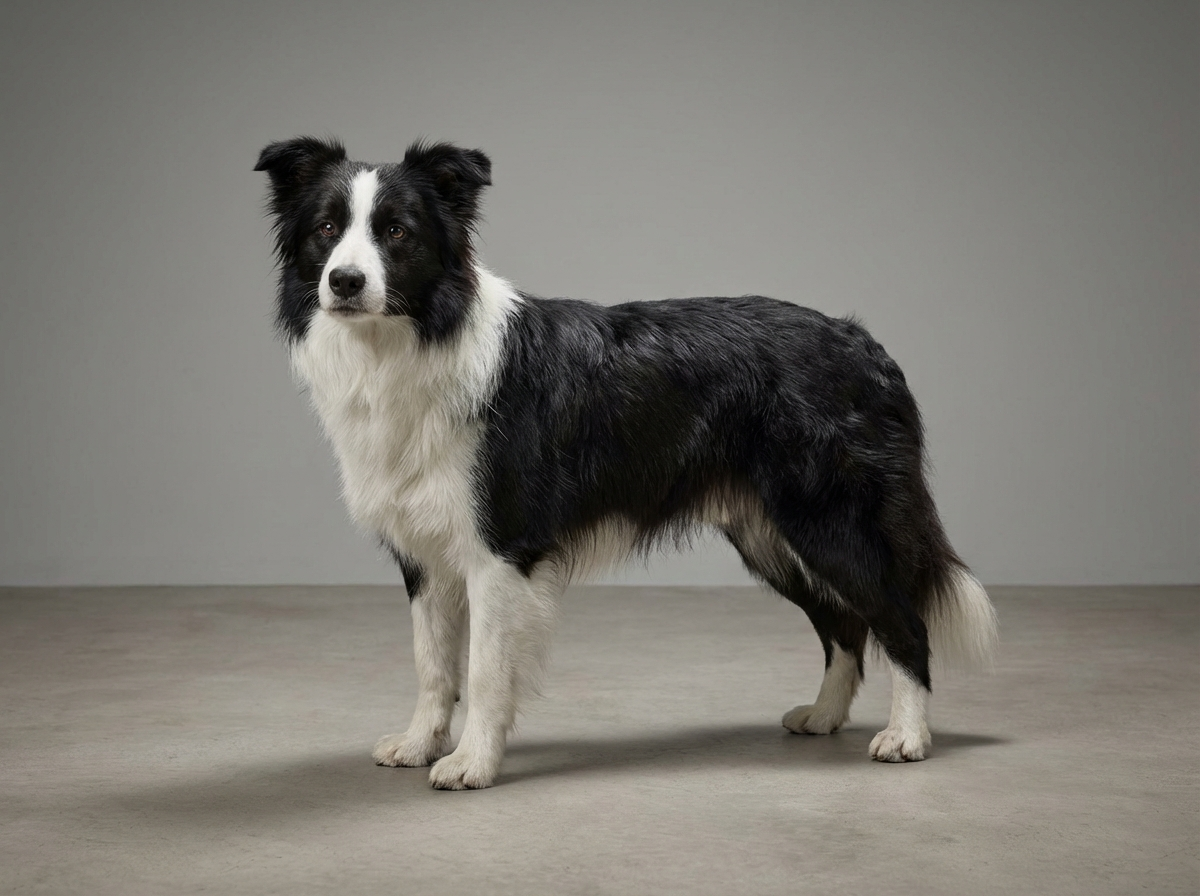
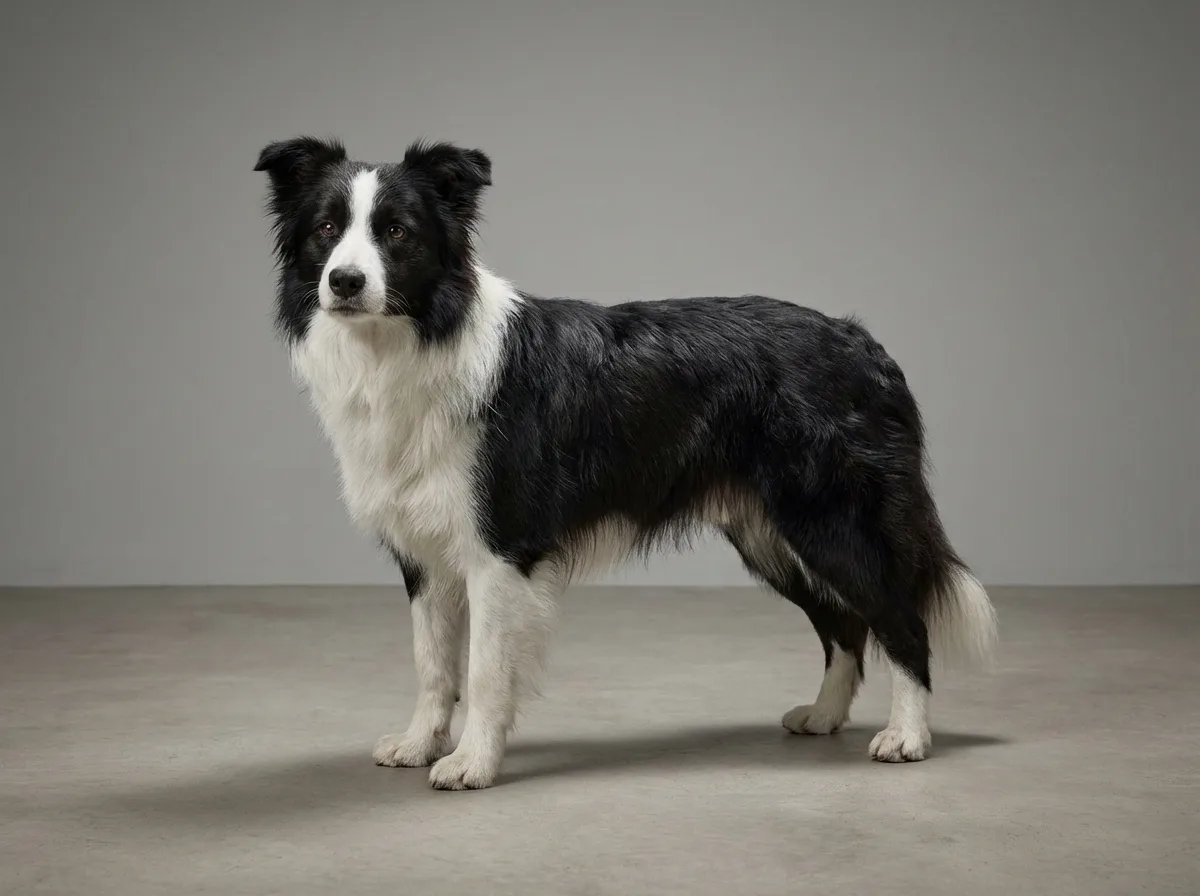
- Border Collie breed profile – The Border Collie is a common black-and-white breed and a natural next stop for readers matching a name to a specific dog.
Important reminder
This guide is not medical advice. If your dog shows pain, sudden behavior change, or worsening symptoms, consult a licensed veterinarian.
Some links may be affiliate links. We may earn a commission at no extra cost to you. We only suggest products we believe are helpful for dog owners.
Narrow this list down to a few names
Answer a few questions about your dog and the sounds already used at home, and we will shortlist from names like these - then help you compare and test the finalists.
Find names that fit your dogMore guides you might like

Welsh Springer Spaniel vs Yorkshire Terrier: Full Comparison

Best Dogs for Urban Dwellers: Breeds Ranked & Compared

Weimaraner vs Yorkshire Terrier: Size, Cost & Temperament

Siberian Husky vs Yorkshire Terrier: Size, Cost & Temperament

Best Dogs for Busy Professionals: Independent Breeds

Newfoundland Cost in Charleston, SC: A Real Budget
Find your match
Not sure which breed is right for you? Take our 2-minute quiz to find out.
Take the quiz