Guide

Best Giant Dog Breeds: Your Guide to Gentle Giants

Looking for the best giant dog breeds? This guide helps you find the perfect gentle giant for your family and lifestyle.

Understanding the Best Giant Dog Breeds

When considering a new furry friend, giant dog breeds can be both an exciting and challenging option. The best giant dog breeds combine loyalty, companionship, and protection with unique needs and traits. Understanding these breeds is crucial for potential owners to ensure a good match for their lifestyle and space.

Giant dogs, often referred to as 'gentle giants,' can bring immense joy and love to a family. However, their size requires careful consideration regarding living arrangements, exercise needs, and health care costs. Choosing the right breed is essential not just for your happiness, but also for the well-being of the dog.

In this guide, we'll explore various giant breeds, their characteristics, and the responsibilities that come with owning a large dog. We’ll discuss why some families find the best giant dog breeds to be the perfect fit, while others might struggle with their needs. By understanding these factors, you can make an informed decision about whether a big dog breed is right for you and your family.

Steps to Choosing the Best Giant Dog Breeds

Finding the best giant dog breeds for your home can be a rewarding journey. Follow these steps to ensure you make an informed decision that suits your lifestyle and needs. Each step includes practical actions you can take this week.

1. Research Different Giant Breeds

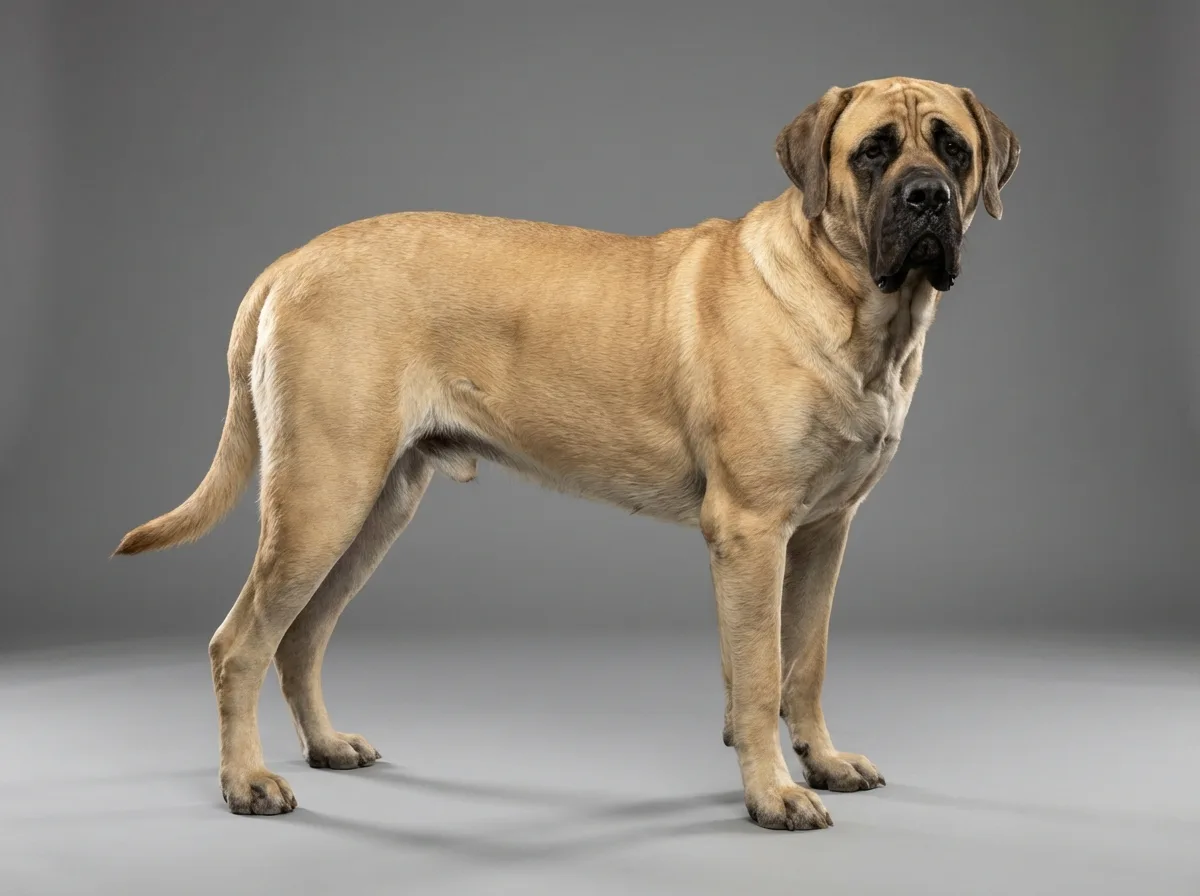
Start by learning about various giant breeds like Great Danes, Saint Bernards, and Mastiffs. Each breed has unique traits, temperaments, and care requirements. Use reputable sources, books, and online articles to gather this information.

2. Evaluate Your Living Space

Consider the size of your home and yard. Giant dogs need space to move comfortably. If you live in an apartment, think about whether you have enough room and nearby parks for exercise. Measure your space to see if it accommodates a large breed.

3. Consider Your Lifestyle and Activity Level

Think about how active you are. Some giant breeds require regular exercise to stay healthy and happy. If you enjoy outdoor activities and have time for daily walks, a giant dog may be a great fit. If not, consider a less active breed.

4. Assess Your Family's Needs

Discuss with your family about adding a giant dog to your home. Consider allergies, children’s ages, and any other pets. Some giant breeds are known to be gentle giants, while others may not be as tolerant. Make sure everyone is on board.

5. Calculate Ownership Costs

Giant breeds can be expensive to own due to food, grooming, and medical costs. Estimate monthly expenses for food, vet visits, and supplies. This helps ensure you can comfortably afford a giant dog in your budget.

6. Visit Local Shelters or Breeders

If you’re ready to adopt, visit local shelters or reputable breeders. Meeting the dogs in person allows you to see their temperaments and health. Many shelters have giant breeds looking for loving homes, making this a great option.

7. Prepare Your Home and Family for a Giant Dog

Once you've chosen a giant breed, prepare your home. Buy necessary supplies like beds, bowls, and toys. Also, ensure that your family understands how to interact with and care for a giant dog safely and effectively.

Common Mistakes When Choosing the Best Giant Dog Breeds

1. Ignoring Space Requirements: Many people think they can accommodate a giant dog in a small apartment. However, giant breeds need room to move and play. Without adequate space, they may become anxious or destructive.

2. Underestimating Exercise Needs: While giant breeds may seem calm, they require regular exercise. Failing to provide enough physical activity can lead to obesity and behavioral issues. Make sure you can commit to daily walks and playtime.

3. Neglecting Training and Socialization: Some owners believe giant breeds are naturally well-behaved. In reality, proper training and socialization are essential. Without these, your dog may develop bad habits or become fearful of new experiences.

4. Choosing Based on Appearance Alone: It’s common to be drawn to a breed's looks, but personality matters too. Not all giant breeds are gentle giants. Research their temperaments to ensure they match your lifestyle, especially if you have young children.

5. Overlooking Health Issues: Giant breeds are prone to specific health problems like hip dysplasia and heart issues. Ignoring these can lead to higher vet bills and a shorter lifespan. Be prepared for the potential costs and care these dogs may require.

6. Not Considering Lifespan: Many people focus on the immediate joy of having a giant dog but forget about the long-term commitment. Giant breeds often have shorter lifespans than smaller dogs. It's crucial to be ready for the emotional aspects of their aging.

7. Failing to Budget for Ownership Costs: Giant dogs can be more expensive to care for than smaller breeds. Consider costs like food, grooming, and vet visits. Without a budget, you might find yourself overwhelmed by the financial demands.

Common Myths About Best Giant Dog Breeds

There are many myths surrounding giant dog breeds. Understanding the truth can help potential owners make informed decisions. Let's debunk some common misconceptions.

Advanced Tips for Choosing the Best Giant Dog Breeds

If you're serious about selecting the best giant dog breeds for your lifestyle, here are some advanced tips to help you make an informed decision.

Insider Secrets for Choosing the Best Giant Dog Breeds

If you're considering one of the best giant dog breeds, there are some insider secrets that can help you make the right choice. These insights go beyond the basics and can provide you with a deeper understanding of giant dogs and their unique needs.

Checklist for Choosing the Best Giant Dog Breeds

Use this checklist to help you decide on the best giant dog breed for your lifestyle and needs.

Frequently asked questions

What is the best giant dog for families?

The best giant dog breeds for families often include the Saint Bernard and the Great Dane. These breeds are known for their gentle nature and loyalty, making them great companions for children. However, it's important to consider the dog's temperament and energy level to ensure a good match for your family's lifestyle.

Are giant dogs expensive to own?

Yes, giant dogs can be more expensive to own compared to smaller breeds. Their food costs are higher due to their size, and they may require larger, more expensive veterinary care. Additionally, grooming and larger living spaces can add to the overall ownership costs.

What is the lifespan of giant dogs?

Giant dogs typically have a shorter lifespan than smaller breeds, often ranging from 6 to 10 years. Factors such as breed, genetics, and overall health can influence their longevity. Regular veterinary check-ups and a healthy lifestyle can help maximize their lifespan.

What are some characteristics of gentle giants?

Gentle giants, like the Mastiff and Newfoundland, are known for their calm demeanor and affectionate nature. They are usually good with children and can be quite protective of their families. These traits make them excellent companions despite their large size.

How much exercise do giant dog breeds need?

Giant dog breeds require regular exercise, but their needs vary by breed. Most benefit from daily walks and playtime to stay healthy and happy. However, it's crucial to avoid excessive strain on their joints, especially when they are young.

What is the best giant dog for families?

The best giant dog for families often depends on your lifestyle and needs. Breeds like the Saint Bernard and Great Dane are known for their friendly and gentle nature with kids. It's essential to consider their energy levels and space requirements.

Are giant dogs expensive to own?

Yes, giant dogs can be more expensive to own compared to smaller breeds. Costs can include higher food bills, larger supplies, and potential health issues common in giant breeds. It's a good idea to budget for regular vet visits and potential emergencies.

What is the lifespan of giant dogs?

The lifespan of giant dogs is generally shorter than that of smaller breeds, often ranging from 6 to 10 years. Factors like genetics, diet, and care can influence their longevity. Regular check-ups with a vet can help ensure a healthier life.

Do giant breeds need special training?

Yes, giant breeds often require special training due to their size and strength. Early socialization and obedience training are crucial to ensure they are well-behaved. Positive reinforcement techniques work best with these gentle giants.

Can giant dogs live in apartments?

While some giant dogs can adapt to apartment living, it's essential to provide them with enough exercise and space. Breeds like the Mastiff can do well in smaller homes if they get regular walks. However, larger spaces are typically better for their comfort.

Are there hypoallergenic giant dog breeds?

There are few hypoallergenic giant dog breeds, but some options include the Irish Water Spaniel and Lagotto Romagnolo. While no breed is entirely hypoallergenic, these breeds tend to produce fewer allergens. Always spend time with the breed before deciding.

What are the best giant dog breeds for protection?

For protection, breeds like the Mastiff and Rottweiler are often recommended. They are naturally protective and loyal, making them great guardians. However, training and socialization are crucial to ensure they are well-adjusted.