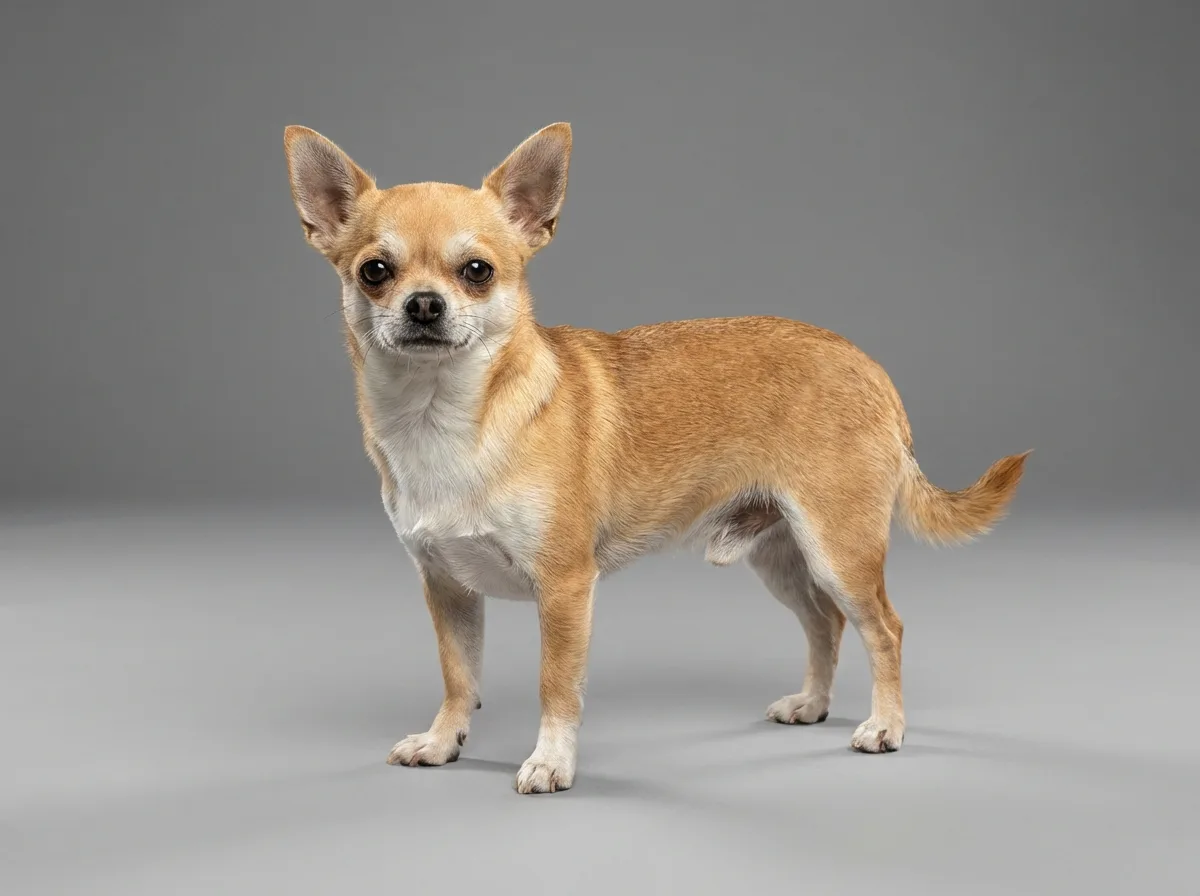
The Best Dog That Lives Long: Top Breeds for Longevity
Finding a furry friend that stays by your side for years is a top priority for many dog lovers. This guide explores the best dog that lives long, highlighting breeds known for their impressive lifespans.
This guide is for anyone considering adding a furry friend to their family, especially those who value a long lifespan. Whether you're a first-time dog owner or a seasoned pet parent, you’ll find helpful insights. If you have specific constraints, like a busy lifestyle or a small living space, this guide will also provide options that fit your needs.
Understanding which breeds tend to live longer is essential for making a well-informed choice. Many people mistakenly believe all dogs have similar lifespans, but certain breeds, like Chihuahuas and Jack Russell Terriers, often outlive others significantly. By choosing a healthy dog breed, you can not only improve your potential pet's quality of life but also enjoy many more years together.
Step-by-Step Plan for Choosing the Best Dog That Lives Long
- 1. Research Long-Living Breeds: Start by looking into the healthiest dog breeds known for their longevity. Breeds like Chihuahuas and Jack Russell Terriers are often cited among the longest living dogs.
- 2. Assess Your Lifestyle: Consider how much time you can dedicate to a dog. Small dogs often live longer and are easier to manage in smaller spaces, making them ideal for busy lifestyles.
- 3. Evaluate Health Requirements: Look into the common health issues associated with the breeds you are considering. Healthy dog breeds typically have fewer health problems, leading to longer lives.
- 4. Visit Local Shelters: Check with local shelters or rescue groups for available dogs. You might find breeds like Australian Cattle Dogs that are looking for loving homes and have a longer lifespan.
- 5. Talk to Vets and Breeders: Consult veterinarians and reputable breeders about the breeds you're interested in. They can provide insights on the longevity and health of specific breeds.
- 6. Plan for Regular Check-Ups: Once you choose a dog, schedule regular vet visits to ensure your new pet stays healthy. Preventative care is key to longevity.
- 7. Focus on Nutrition: Invest in high-quality dog food tailored to your dog's needs. Proper nutrition can significantly impact a dog's lifespan.
- 8. Create an Engaging Environment: Ensure your dog has a stimulating and active lifestyle. Regular exercise and mental stimulation are crucial for a long and happy life.
- 9. Monitor Weight and Health: Keep an eye on your dog's weight and overall health. Obesity can shorten lifespan, so maintain a healthy diet and exercise routine.
- 10. Prepare for the Long Haul: Understand that owning a dog is a long-term commitment. Be ready for the joy and challenges that come with a canine companion.
Why this helps
- ✓ Promotes informed decision-making for longevity.
- ✓ Encourages a healthy lifestyle for both owner and dog.
- ✓ Fosters a strong bond between owner and pet.
Watch out for
- ! Finding the right breed may take time and research.
- ! Some breeds may have specific care requirements.
- ! Adopting a dog is a long-term commitment that requires dedication.
Common Mistakes When Choosing the Best Dog That Lives Long
- Ignoring breed health issues
- Focusing solely on size
- Neglecting regular vet visits
- Skipping exercise and mental stimulation
- Not considering lifestyle fit
- Overlooking diet and nutrition
Watch out for
- ! Can lead to health problems later on.
- ! May result in a dog that doesn't fit your living space.
- ! Increases risk of preventable diseases.
- ! Can lead to behavioral issues and stress.
- ! Leads to a mismatch between owner and dog needs.
- ! Can shorten lifespan and affect overall health.
Myths and Facts About the Best Dog That Lives Long
- Myth: Only small dogs live longer than large dogs.
- Myth: Mixed breed dogs are always healthier and live longer.
- Myth: A dog's lifespan is solely determined by genetics.
- Myth: Dogs with longer lifespans do not require special care.
- Myth: Health issues are not common in older dogs.
Advanced Tips for Choosing the Best Dog That Lives Long
- Research breed-specific health issues.
- Invest in preventive care and regular vet check-ups.
- Focus on nutrition and exercise tailored to your dog's needs.
- Consider adopting older dogs with proven health records.
- Create a supportive home environment to reduce stress.
Why this helps
- ✓ Informed choices lead to healthier, longer-lived pets.
- ✓ Preventive care can significantly reduce health problems.
- ✓ Tailored nutrition helps maintain optimal weight and health.
- ✓ Adopting older dogs can save lives and provide companionship.
- ✓ A stress-free home can improve your dog's quality of life.
Watch out for
- ! Research can be time-consuming and requires commitment.
- ! Preventive care can add to overall costs.
- ! Tailoring nutrition may require expert guidance.
- ! Older dogs may have unknown health issues.
- ! Creating a stress-free environment requires effort and consistency.
Practical considerations for Choosing the Best Dog That Lives Long
- Smaller breeds often live longer than larger ones. While this is a general trend, many small dogs, like Chihuahuas and Jack Russell Terriers, are known for their longevity.
- Health screenings can make a huge difference. Regular check-ups and screenings can identify potential health issues early. Breeders who prioritize health testing contribute to the longevity of their dogs.
- Genetics play a vital role. When selecting a breed, do research on their genetic predispositions. Some breeds are more prone to certain health issues, which can affect their lifespan.
- Diet and exercise are crucial. A balanced diet and regular physical activity can significantly enhance your dog's quality of life and longevity. Consult with a vet to tailor a plan suitable for your dog.
- Socialization and mental stimulation matter. Dogs that are well-socialized and mentally stimulated tend to have better overall health and lower anxiety levels, which can contribute to a longer life.
Why this helps
- ✓ Informed decisions lead to longer-lasting companionship.
- ✓ Understanding breed traits helps prevent future health issues.
- ✓ Proactive care can reduce costs related to health problems.
Watch out for
- ! Research takes time and effort.
- ! Not all breeders are transparent about health history.
- ! Smaller breeds may require more attention for their unique needs.
Checklist for Choosing the Best Dog That Lives Long
- Research breeds known for longevity, like Chihuahuas and Jack Russell Terriers.
- Consider small dog breeds, as they tend to live longer than larger dogs.
- Look for breeds with fewer genetic health issues.
- Check for reputable breeders or consider adoption from shelters.
- Prioritize a healthy lifestyle with proper diet and regular exercise.
- Schedule regular vet check-ups and vaccinations.
- Ask about the breed's common health concerns and preventative measures.
- Evaluate your living situation to ensure a suitable environment for the breed.
Why this helps
- ✓ Promotes a longer, healthier life for your pet.
- ✓ Enhances your overall experience as a dog owner.
- ✓ Can save on veterinary costs in the long run.
Watch out for
- ! May require more research and effort to find the right breed.
- ! Some breeds may have specific care needs.
- ! Long-term commitment to a dog’s health and wellness.
Frequently asked questions
What dog lives to 20?
Some dog breeds, like the Chihuahua and the Jack Russell Terrier, can live up to 20 years or more. These breeds are often considered among the best dogs that live long due to their genetics and health. Regular vet check-ups and proper care can help extend their lifespan. This answer relates to best dog that lives long.
Do small dogs live longer?
Generally, small dog breeds tend to have longer lifespans compared to larger breeds. For example, Chihuahuas and Toy Poodles often live into their late teens, while larger breeds may only reach 10 to 15 years. This trend can be attributed to lower stress on their bodies.
What are the healthiest dog breeds?
Healthy dog breeds typically include the Australian Cattle Dog, the Beagle, and the Shiba Inu. These breeds are known for their strong genetics and lower rates of inherited health issues. Choosing a healthy breed can significantly impact your dog's quality of life and longevity.
Which dog breeds are considered lifespan champions?
Some of the longest living dogs include the Chihuahua, Dachshund, and Toy Poodle. These breeds often live longer due to their size and health traits. Adopting one of these breeds can be a great choice if you want a companion for many years.
What factors affect a dog's lifespan?
A dog's lifespan can be influenced by breed, size, diet, exercise, and healthcare. Regular veterinary visits and a balanced diet are crucial for maintaining health. Additionally, genetics play a significant role in how long a dog might live.
Are there specific care tips to help dogs live longer?
Yes, providing a balanced diet, regular exercise, and routine vet check-ups can significantly impact a dog's lifespan. Mental stimulation and socialization are also important for maintaining overall health and happiness.
How do I choose a dog breed for longevity?
When selecting a breed, research the average lifespans and health issues associated with different breeds. Opt for breeds known for longevity and good health, like the Dachshund or the Yorkshire Terrier, while considering your lifestyle and living situation.
Do mixed-breed dogs live longer than purebreds?
Mixed-breed dogs often benefit from hybrid vigor, which can lead to fewer health problems and potentially longer lifespans. While this isn't a guarantee, many owners find their mixed-breed pets are generally healthier than some purebreds.
What role does genetics play in a dog's lifespan?
Genetics can significantly influence a dog's lifespan and health. Some breeds are genetically predisposed to certain health conditions that can shorten their lives, while others have a reputation for being hardier and living longer.
Quick answers
View more answersWhat are the longest living breeds?
The longest living breeds include the Chihuahua and Dachshund, often living into their late teens or even early twenties.
Which dogs are considered healthy?
Healthy dog breeds include Australian Cattle Dogs, Beagles, and Shiba Inus, known for fewer inherited health problems.
What are lifespan champions among dogs?
Lifespan champions like Chihuahuas and Toy Poodles are known for their remarkable longevity and vitality.
What dog lives to 20?
Some small breeds like the Chihuahua and Toy Poodle can live up to 20 years or more with proper care.
Small dogs live longer?
Generally, smaller dog breeds tend to have longer lifespans compared to larger breeds due to lower health risks.
Related DogBreedCompass guides
- Chihuahua lifespan and care – Learn more about a small breed known for its longevity.
- Jack Russell Terrier health and lifespan – Explore the health benefits of this energetic breed.
- Australian Cattle Dog characteristics – Understand the traits of this active breed with a long life.
- Healthy dog breeds for a long life – Discover tips for keeping your dog healthy and living longer.
- Longest living dogs overview – Find out which breeds are known as lifespan champions.
Important reminder
This guide is not medical advice. If your dog shows pain, sudden behavior change, or worsening symptoms, consult a licensed veterinarian.
Some links may be affiliate links. We may earn a commission at no extra cost to you. We only suggest products we believe are helpful for dog owners.
Want more tailored help?
Take the Lifestyle Match quiz to see which breeds and guides best fit your day-to-day life.
Take the quizMore guides you might like

Pug vs Saint Bernard: Which Breed is Right for You?

Best Dog for Working From Home: A Remote Work Guide

Yorkshire Terrier Cost in Wichita: A Complete Guide

Best Rescue Dog Breeds: What to Expect Adopting vs Buying a Dog

Yorkshire Terrier Cost in Seattle: What to Expect

Best Dog for Small Apartment No Yard: A Complete Guide
Find your match
Not sure which breed is right for you? Take our 2-minute quiz to find out.
Take the quiz