Best Dog for Runners Half Marathon: A Training Guide
A rewarding running partner is chosen for everyday compatibility first, then prepared gradually for the miles you share.
This guide is for people choosing a dog that may join regular training runs and for owners considering whether an adult dog can become a running companion. It is especially useful if your goal includes half-marathon training, where weekly consistency and long-run days can make a casual jog feel like a larger lifestyle commitment.
A dog should not have to match a human training calendar. Planning around the dog's comfort helps you make safer choices about distance, weather, rest, and route changes. If you have questions about an individual dog's readiness for more strenuous activity, a licensed veterinarian can offer guidance that accounts for that dog's history and needs.
Compare the Dog With Your Real Training Week
- Weekly rhythm: List your usual running days, approximate outing lengths, work commitments, travel, and the days when a walk must replace a run.
- Pace and terrain: Think about whether you run steadily, include fast intervals, climb hills, use trails, or stay on pavement. A dog may be comfortable with some of those conditions and not others.
- Weather plan: Account for heat, humidity, cold, rain, air quality, exposed paths, and surface temperature. Build alternatives before conditions become uncomfortable.
- Route control: Choose places where you can shorten the outing, get water, avoid traffic, and respond calmly to cyclists, wildlife, other dogs, or unexpected construction.
- Time outside the run: Plan for calm walks, training, play, companionship, and rest. A high-energy household routine is not the same as a full day of appropriate activity for every dog.
- Backup care: Decide who can handle the dog if you are injured, traveling, ill, or adjusting a training block. A compatible dog needs a good life when you cannot run.
Why this helps
- ✓ Keeps the decision tied to a routine you can sustain.
- ✓ Identifies climate and route limitations early.
- ✓ Makes room for the dog's needs on rest days.
Watch out for
- ! An honest review can mean changing a favorite route or schedule.
- ! A suitable plan in one season may not suit another.
- ! No checklist can replace individualized veterinary advice.
Three Breed Starting Points for Active Households
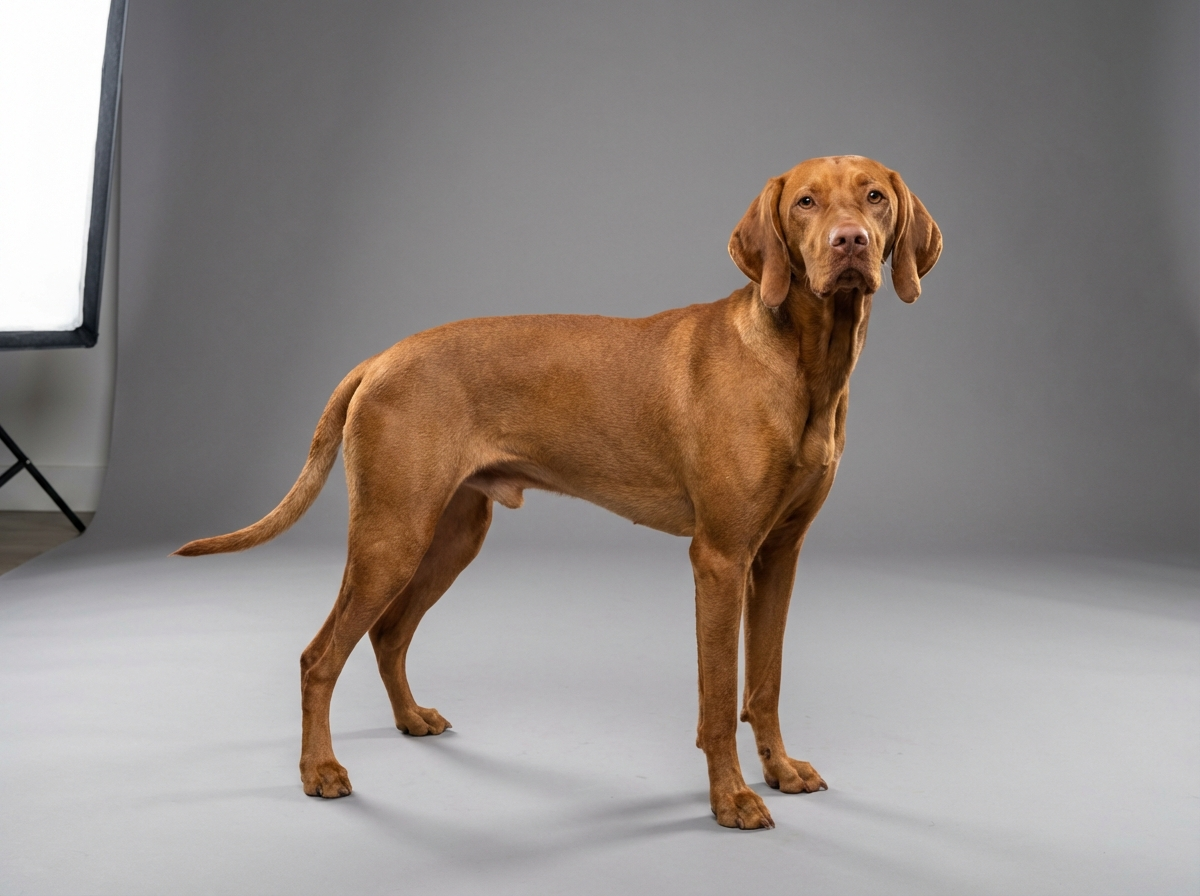
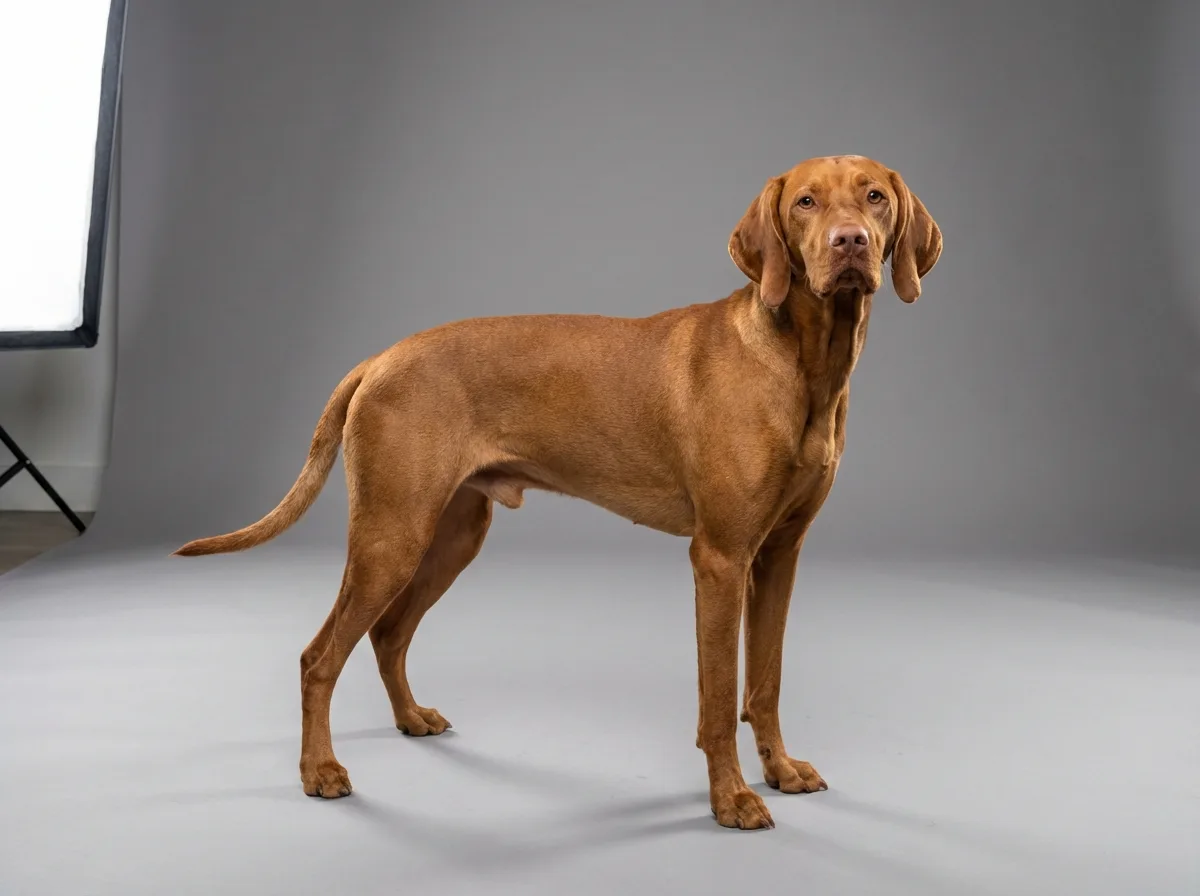
- Vizsla: A Vizsla may appeal to a runner looking for an engaged, active companion. Prospective owners should be ready for consistent companionship, training, exercise, and mental engagement outside a run. Ask whether the individual dog's energy, leash skills, and ability to settle fit your home as well as your training plan.
- German Shorthaired Pointer: This breed is often researched by people who want a notably active dog. That interest should come with a realistic plan for regular training, structured activity, and enrichment. A long weekend run is not a substitute for a complete everyday routine, and individual dogs can differ substantially in preferences and manageability.
- Labrador Retriever: A Labrador Retriever can suit some active, people-oriented homes. Individual conditioning, body condition, comfort at your pace, training, and enjoyment of the route remain more important than the breed name. A prospective owner should not assume that every Labrador wants or should do distance work.
Why this helps
- ✓ Keeps the comparison anchored to the breeds named in the brief.
- ✓ Encourages research into life at home as well as exercise.
- ✓ Leaves room for a mixed-breed dog with an appropriate individual fit.
Watch out for
- ! Breed reputation cannot predict one dog's stamina or comfort.
- ! An active dog may need more daily engagement than a running plan supplies.
- ! A dog that enjoys short outings is not automatically ready for longer ones.
How to Evaluate the Individual Dog
Build Toward Longer Runs Gradually
- Establish comfortable walking and handling habits before expecting sustained running beside you.
- Begin with short, easy intervals or brief relaxed runs that suit the individual dog and the conditions.
- Change one variable at a time, such as time, distance, pace, hills, or surface, so you can see what affects comfort and recovery.
- Use low-intensity days, ordinary walks, and rest rather than making every outing a training session.
- Keep the dog's route shorter than your own when needed. Plan a loop, handoff, or turn-back point that lets you adapt without debate.
- Review the routine after schedule changes, vacations, illness, hot weather, or any long break instead of resuming at the previous level automatically.
Why this helps
- ✓ Lets you learn from the individual dog's response.
- ✓ Supports flexible decisions when weather or energy changes.
- ✓ Builds useful handling routines before longer outings.
Watch out for
- ! Progress may be slower than a human race schedule.
- ! Some dogs will be happier with shorter runs or another activity.
- ! Changes in comfort or behavior should not be trained through.
Plan Routes, Weather, and Gear Around the Dog
The Training Skills That Make Shared Runs Easier
- Practice a loose, predictable position beside you on ordinary walks before adding speed.
- Teach simple cues for slowing, stopping, turning, and moving away from distractions in low-pressure settings.
- Reward calm check-ins and attention rather than allowing the run to become a continuous pulling contest.
- Introduce sights and sounds gradually so the dog can stay comfortable around runners, bicycles, traffic, and other dogs.
- Build a reliable routine for pauses, water breaks, and returning home, which makes it easier to end early when needed.
- Keep training separate from mileage goals. A short skill-focused walk can be more useful than forcing a difficult run.
Why this helps
- ✓ Improves communication on changing routes.
- ✓ Makes pauses and early turnarounds less stressful.
- ✓ Supports a calmer experience around common distractions.
Watch out for
- ! Skills take repetition outside running sessions.
- ! A busy route may still be too much for some dogs.
- ! Training does not override fear, discomfort, or fatigue.
Common Mistakes When Choosing a Running Dog
- Choosing a dog solely because a breed appears on a list of best running dog breeds.
- Starting at the runner's current long-run distance instead of the dog's current conditioning.
- Assuming a dog that pulls forward wants more mileage rather than more excitement or a change of pace.
- Ignoring heat, humidity, surface conditions, poor air quality, or limited shade because the route felt fine for the human.
- Treating a long run as the dog's entire exercise and enrichment plan for the week.
- Continuing to meet a calendar target after the dog slows down, becomes reluctant, or seems unlike itself.
- Choosing a companion for a single race cycle rather than for years of daily care, training, and shared life.
Checklist Before You Commit to a Running Partnership
- I can describe my actual pace, terrain, schedule, and typical weather rather than only my race goal.
- I have time for training, companionship, walks, enrichment, and rest in addition to running.
- I will let the individual dog's comfort determine whether a run is shortened, changed, or skipped.
- I have safe routes, water access, suitable equipment, and an alternate plan for difficult conditions.
- I understand that a breed profile is a research starting point, not a fitness guarantee.
- I will ask a licensed veterinarian about concerns related to this dog's readiness for increased activity.
- I am choosing a dog for a whole household life, not just to fill a training-partner role.
Why this helps
- ✓ Turns a broad goal into everyday decisions.
- ✓ Encourages flexible, dog-centered planning.
- ✓ Helps identify where professional input may be useful.
Watch out for
- ! It may show that a different activity is a better fit.
- ! Plans need revisiting as conditions and routines change.
- ! It cannot replace an individualized professional assessment.
Frequently asked questions
What is the best dog for runners training for a half marathon?
The best match is an individual adult dog whose health, conditioning, temperament, and daily needs fit your real routine. Vizslas, German Shorthaired Pointers, and Labrador Retrievers are reasonable breeds to research from this guide's brief, but no breed label can promise distance-running suitability. When researching best dog for runners half marathon, always prioritize individual veterinary assessment over general breed assumptions.
Which dog breeds can run long distances?
Some active breeds are often considered by distance runners, but individual comfort and readiness matter more than a list. Ask a licensed veterinarian about a specific dog before increasing activity, and build any running routine gradually.
Can any dog train for a half marathon?
No. Dogs differ in age, health, structure, conditioning, temperament, and interest in running. Some may enjoy shorter outings or other activities instead, and a veterinarian can help with questions about an individual dog's readiness.
How should I start running with my dog?
Start with comfortable walking habits and short, easy intervals or runs that suit the individual dog. Increase only gradually, watch the dog's response, and keep a route short enough that you can head home when needed.
How do I know when to end a run with my dog?
Slow down or end the outing if your dog seems reluctant, unusually tired, uncomfortable, or unlike itself. Limping, a sudden gait change, pain, or a concerning behavior change deserves prompt veterinary advice.
Do I need to bring water when running with my dog?
Plan water and breaks according to the route, conditions, and expected activity. Heat, humidity, distance, and limited shade can make that planning especially important; do not wait for a problem to make a hydration plan.
Is pavement okay for a dog to run on?
It depends on the surface, temperature, weather, distance, and individual dog. Check route conditions, choose an easier surface or shorter outing when needed, and inspect paws and overall comfort after activity.
Are Labrador Retrievers good running dogs?
A Labrador Retriever may suit some active households, but an individual dog's conditioning, body condition, training, pace, and comfort with the route should guide the choice. Do not assume every Labrador will enjoy or be suited to distance work.
Are Vizslas good for runners?
Vizslas are often considered by active people, but their individual needs, training, companionship, and recovery still deserve careful planning. Meet the dog and build any running routine gradually rather than assuming the breed determines the outcome.
Should a puppy run with me while I train?
Puppies have developmental and exercise needs that differ from adult dogs. Ask a licensed veterinarian for individualized guidance before planning structured running with a young dog.
Quick answers
View more answersWhat are the best running dog breeds?
The best running dog is an individual dog whose health, conditioning, temperament, and care needs fit your route and routine. Active breeds are a starting point for research, not a guarantee.
Can my dog train for a half marathon?
Possibly, but only with a gradual plan that follows the individual dog's comfort and recovery. A veterinarian can help answer readiness questions for your dog.
How do I start running with my dog?
Begin with easy, short outings or intervals, choose safe conditions, bring water when appropriate, and progress slowly based on the dog's response.
Which dogs can run long distances?
Individual fitness and readiness matter more than breed alone. Ask a veterinarian about a specific dog before progressing to longer runs.
What if my dog slows down during a run?
Slow down or stop and head home. Treat reluctance, fatigue, or discomfort as a reason to adjust the plan, not something to train through.
Related DogBreedCompass guides
- Vizsla breed guide – Explore an athletic breed often considered by active households.
- German Shorthaired Pointer breed guide – Learn about another active breed included in this guide's comparison.
- Labrador Retriever breed guide – Compare the needs of a people-oriented sporting breed.
- best dog breed for an active lifestyle – Review broader lifestyle questions before choosing an athletic companion.
- best dog breed for marathon runners – Compare half-marathon planning with a broader marathon-running guide.
- best dog breeds for runners – Explore another guide about choosing a dog for regular runs.
Important reminder
This guide is not medical advice. If your dog shows pain, a sudden behavior change, or worsening symptoms, consult a licensed veterinarian.
Some links may be affiliate links. We may earn a commission at no extra cost to you. We only suggest products we believe are helpful for dog owners.
Want more tailored help?
Take the Lifestyle Match quiz to see which breeds and guides best fit your day-to-day life.
Take the quizMore guides you might like

Vizsla vs Weimaraner: Which Dog is Right for You?

Best Dog Breeds for Families With Young Children: Gentle, Patient & Safe

Rottweiler vs Shih Tzu: Which Dog is Right for You?

Yorkshire Terrier Cost in Portland: What to Expect

Best Dogs for Active & Athletic Families: High-Energy Breeds Ranked

Siberian Husky vs Weimaraner: Which Dog is Right for You?
Find your match
Not sure which breed is right for you? Take our 2-minute quiz to find out.
Take the quiz