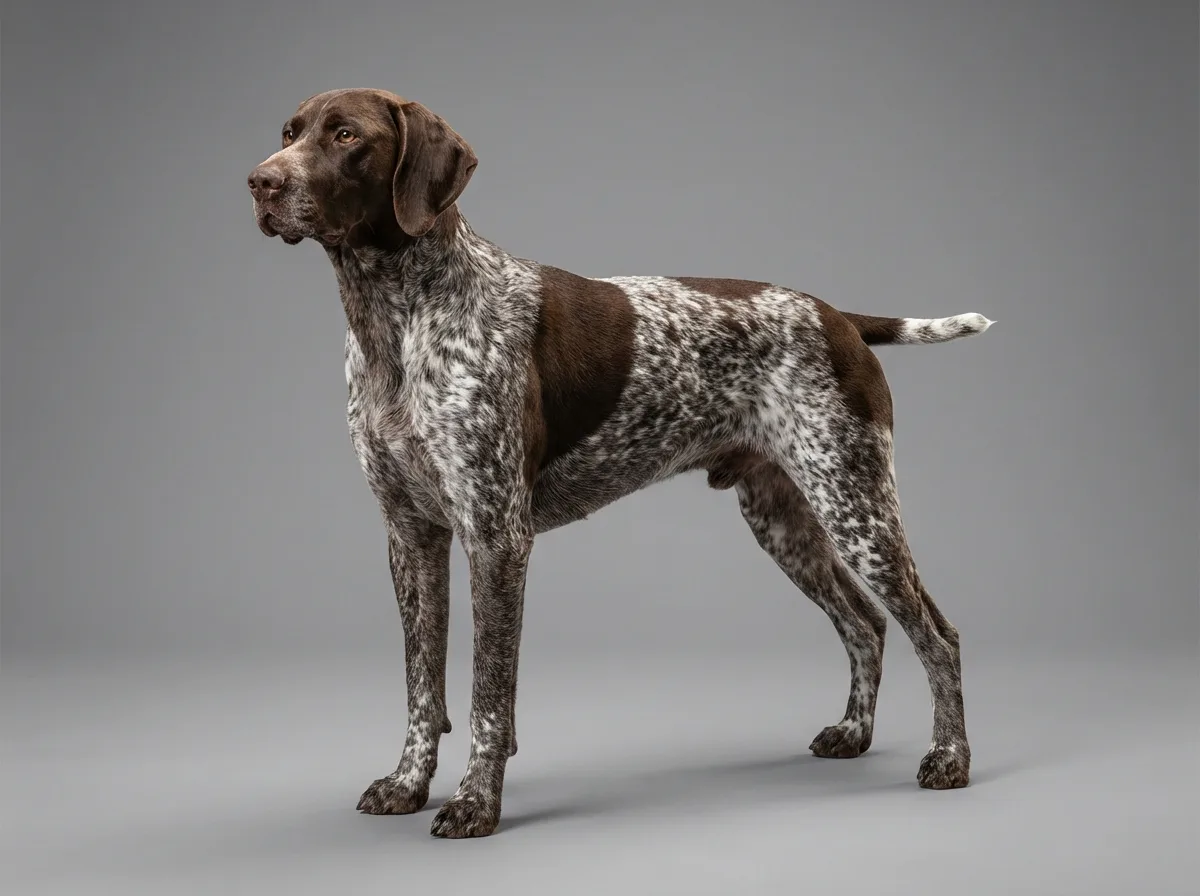
If you're a marathon runner seeking a furry companion, this guide is for you. Discover the best dog breeds that can keep up with your long-distance running goals!
This guide is perfect for both experienced marathon runners and casual joggers who want a running buddy. It's especially useful for those who have an active lifestyle and are considering adding a dog to their routine. If you live in a city with parks or trails, or if you have the space for outdoor activities, this guide will help you find a dog that matches your energy level and enthusiasm for running.
Choosing the right dog breed for your running routine is essential for both your enjoyment and your dog's well-being. Many people underestimate the physical demands of running and may select a breed that isn't suited for long distances. This guide clears up common misconceptions and highlights the traits of athletic dogs, ensuring that you find a breed that can keep up with you on those 26.2-mile adventures.
Finding the Best Dog Breed for Marathon Runners
Long-distance running is demanding for a dog. Before planning regular training runs, consider the individual dog's age, health, build, conditioning, temperament, climate tolerance, and comfort on your usual terrain. Breed tendencies are only a starting point. Increase distance gradually, provide recovery time and water, watch weather conditions, and ask your veterinarian for guidance before high-mileage training.
Step-by-Step Plan to Choose the Best Dog Breed for Marathon Runners
Follow these steps to find the best dog breed for your marathon running lifestyle. Each step is designed to help you identify and select a breed that can keep up with your active lifestyle while being a great companion.
The Best Dog Breed for Marathon Runners - Step-by-Step Plan to Choose the Best Dog Breed for Marathon Runners
1. Assess Your Running Style: Determine how many miles you typically run each week and at what pace. This will help narrow down breeds suited for long-distance running.
2. Research Breeds: Look into breeds known for their endurance and athleticism. Some of the best dog breeds for marathon runners include the German Shorthaired Pointer, Border Collie, and Siberian Husky.
3. Visit Shelters or Breeders: Once you have a few breeds in mind, visit local shelters or responsible breeders. Meeting the dogs in person can help you gauge their energy levels and personalities.
4. Test the Waters: If possible, take the dog for a short run or walk. Observe how they handle the pace and distance.
Look for enthusiasm and stamina.
5. Consult with Experts: Talk to veterinarians or professional dog trainers about the breeds you’re considering. They can provide insights into health concerns and suitability for marathon running.
6. Prepare Your Home: Ensure your living space is suitable for an active dog. This includes having enough room for them to move around and a safe outdoor space for exercise.
7. Plan for Training: Develop a running schedule that includes gradual training for your dog. Start with shorter runs and build up to longer distances to avoid injury.
8. Invest in Gear: Get the right gear for running with your dog, such as a comfortable harness, leash, and water bottle for hydration during runs.
9. Focus on Nutrition: Choose high-quality dog food that supports your dog's energy needs. Consult with your vet for specific dietary recommendations.
10. Monitor Health: Regularly check in with your vet to ensure your dog remains healthy and fit as you both train for marathons.
Why this helps
✓ Build a strong bond with your dog through shared activity.
✓ Improves physical fitness for both you and your dog.
✓ Provides mental stimulation and happiness for your dog.
Watch out for
! Not all dogs may be suited for long-distance running.
! Injury risks if training is not managed properly.
! Requires time and commitment to train and exercise regularly.
Common Mistakes When Choosing the Best Dog Breed for Marathon Runners
Selecting a dog breed for marathon running can be challenging. Here are some common mistakes that owners often make. Understanding these can help ensure a better experience for you and your running partner.
The Best Dog Breed for Marathon Runners - Common Mistakes When Choosing the Best Dog Breed for Marathon Runners
1. Ignoring the dog's energy levels: Many people choose a breed without considering its energy needs. Athletic dogs like the German Shorthaired Pointer need plenty of exercise.
Ignoring this can lead to pent-up energy and destructive behavior.
2. Overestimating a dog's stamina: Just because a dog can run doesn't mean it should run a full marathon. Breeds like the Border Collie are agile but might not have the endurance for long distances.
Gradually building up their stamina is key.
3. Lack of proper training: Some owners assume their dogs will instinctively know how to run long distances. Training is essential for both the owner and dog.
Without a solid running plan, injuries can occur for both parties.
4. Not considering weather conditions: Running in extreme heat or cold can be harmful. Breeds with thick coats, like the Siberian Husky, may struggle in high temperatures.
Always check the weather and adjust your running plans accordingly.
5. Choosing the wrong breed for your lifestyle: A busy lifestyle can make it difficult to meet a dog's exercise needs. Some breeds need daily runs, while others can thrive with less.
Understanding your routine is vital for making a good choice.
6. Overlooking health issues: Some breeds may be prone to health problems, impacting their ability to run long distances. For example, Bulldogs are not ideal for marathon running due to their breathing difficulties.
Always research breed-specific health concerns.
7. Neglecting to have fun: While training is important, running with your dog should also be enjoyable. Owners sometimes focus too much on performance and forget to enjoy the journey.
Incorporating play can strengthen your bond.
Common Myths About Dogs for Marathon Runners
When it comes to finding the best dog breed for marathon runners, there are plenty of myths and misconceptions. Let’s debunk some of the most common ones to help you make an informed decision.
The Best Dog Breed for Marathon Runners - Common Myths About Dogs for Marathon Runners
Myth 1: Only large breeds can run long distances.
Myth 2: All dogs can run a marathon without training.
Myth 3: Short-haired dogs are better for running in cold weather.
Myth 4: Dogs don’t need water during long runs.
Myth 5: Only certain breeds are suitable for marathon running.
Advanced Tips for Marathon Runners and Their Dogs
When you're committed to running long distances with your dog, you'll want to ensure both of you are prepared. Here are some advanced tips that go beyond the basics to enhance your marathon running experience together.
1. Gradual Conditioning: Start by gradually increasing your dog's running distance. Just like humans, dogs need to build endurance over time.
Begin with shorter runs and slowly add distance each week. This approach reduces the risk of injury and keeps your dog excited about running.
2. Hydration Stations: Make hydration a priority during your runs. Invest in a portable dog water bottle or collapsible bowl.
Plan hydration stops every couple of miles, especially on warmer days, to keep both you and your dog refreshed.
3. Paw Care: Long distance running can be tough on your dog's paws. Check their paws for cuts or abrasions after each run.
Consider using paw wax or dog booties to protect their feet, especially on rough terrains. This precaution helps avoid painful injuries.
4. Nutrition Matters: Fuel your dog properly by providing high-quality dog food that meets their energy needs. You might also want to discuss with your vet about adding supplements for joint health, especially for breeds prone to hip dysplasia.
5. Cool Down Routine: Just like humans, dogs benefit from a cool-down routine. After your run, take a few minutes to walk at a slower pace, allowing their heart rate to decrease gradually.
Stretch their legs gently to help with recovery and flexibility.
6. Training for Race Day: When preparing for an actual marathon, simulate race conditions during training. Practice running in similar weather conditions and terrain.
Consider gradually introducing distractions like other dogs or cyclists to help your pup focus during the race.
These tips will help ensure both you and your dog are ready for the challenges of marathon running. Always listen to your dog's signals and adjust your training as needed.
German Shorthaired Pointer - Advanced Tips for Marathon Runners and Their Dogs
Why this helps
✓ Enhances your dog's running experience
✓ Promotes health and safety during runs
✓ Prepares both you and your dog for race conditions
Watch out for
! Requires additional time and commitment
! May involve extra costs for gear and nutrition
! Not all dogs will adapt to advanced training
How to Evaluate a Dog for Long-Distance Running
Match the dog to your actual pace, terrain, climate, and weekly mileage. Evaluate age, health, conditioning, recall, leash manners, hydration, and recovery needs. A dog should not be expected to begin with marathon-level distances.
The Best Dog Breed for Marathon Runners - How to Evaluate a Dog for Long-Distance Running
Start training your dog early: Like humans, dogs need to build their stamina gradually. Begin with shorter distances and increase as they get more comfortable.
Watch for signs of fatigue: Dogs can't always communicate when they're tired. Look for panting, lagging behind, or reluctance to continue. Always keep an eye on their energy levels.
Consider the weather: Some breeds, such as Huskies, thrive in cooler temperatures, but may struggle in heat. Be mindful of the climate when planning your runs.
Invest in proper gear: A good harness can prevent injury and improve comfort for your dog while running. Make sure it fits well and allows for free movement.
Stay hydrated: Just like you, your dog needs water during long runs. Bring a portable water bowl and take breaks to keep them hydrated.
Why this helps
✓ Prepares your dog for long distances safely.
✓ Helps to prevent injuries and health issues.
✓ Allows for a more enjoyable running experience.
Watch out for
! Requires commitment and time to train properly.
! May need additional investment in gear and hydration supplies.
! Not all breeds will adapt well to long-distance running.
Checklist for Choosing the Best Dog Breed for Marathon Runners
Use this checklist to find the best dog breed that can keep up with your marathon running lifestyle.
The Best Dog Breed for Marathon Runners - Checklist for Choosing the Best Dog Breed for Marathon Runners
Assess your running style and pace.
Research breeds known for stamina, like the German Shorthaired Pointer and Border Collie.
Consider the dog's age and health before starting a marathon training program.
Start with short, gradual runs to build your dog's endurance.
Ensure your dog is fit and healthy with regular vet check-ups.
Invest in a good harness and leash for safe running.
Stay hydrated and take breaks during long runs for both you and your dog.
Plan for weather conditions; some breeds handle heat better than others.
Be mindful of your dog's paws on different surfaces.
Monitor your dog's behavior for signs of fatigue or discomfort.
Why this helps
✓ Helps find a breed that matches your activity level.
✓ Encourages a healthy lifestyle for both you and your dog.
✓ Builds a strong bond through shared activities.
Watch out for
! Not all breeds are suitable for marathon training.
! Requires commitment and consistency in training.
! Some dogs may have health issues that limit their ability to run long distances.
Frequently asked questions
Can a dog run a marathon with you?
Yes, many dogs can run alongside their owners during a marathon. However, it's essential to choose a breed known for stamina and endurance. You should also train your dog gradually to build their fitness level and ensure they stay hydrated during the run.
This answer relates to best dog breed for marathon runners.
Which breed has the most stamina?
Breeds like the German Shorthaired Pointer, Border Collie, and Siberian Husky are known for their high stamina. These dogs thrive on physical activity and can keep up with long-distance runners. Choosing one of these breeds can make your marathon training more enjoyable.
What are the best dog breeds for marathon runners?
The best dog breeds for marathon runners include the German Shorthaired Pointer, Border Collie, and Siberian Husky. These breeds are athletic, energetic, and have the stamina needed for long-distance running. They also enjoy being active, making them great companions for your training.
How can I prepare my dog for running long distances?
Start by ensuring your dog has a solid base of fitness. Gradually increase the distance and intensity of your runs, allowing time for rest and recovery. It's also crucial to monitor your dog for signs of fatigue or discomfort during training.
What should I bring when running with my dog?
When running with your dog, always bring water for both of you, especially on warm days. A collapsible bowl can be handy for hydration breaks. Additionally, having a leash and poop bags is essential to ensure you’re prepared for your run.
What should I consider when choosing a running dog?
When selecting a dog breed for running, think about their energy level, size, and overall health. Athletic dogs like the Labrador Retriever and Greyhound are fantastic choices. Additionally, assess your running pace and the type of terrain you'll be covering.
How can I prepare my dog for long-distance running?
Start by gradually increasing your dog's running distance to build their endurance. Make sure they are well-hydrated and consider their nutrition, as active dogs need a balanced diet. Regular veterinary check-ups are also crucial to avoid any health issues.
Are there any health risks for dogs running long distances?
Yes, dogs can face health risks like overheating, joint issues, or exhaustion during long runs. Pay close attention to their behavior and health, especially on hot days. If your dog shows signs of fatigue or distress, it's essential to stop and rest.
What gear do I need for running with my dog?
A good harness and a sturdy leash are vital for running with your dog. Consider a hands-free leash option if you prefer more freedom. Additionally, reflective gear can enhance visibility during early morning or evening runs.
How do I know if my dog is ready for marathon training?
Ensure your dog is at least 1-2 years old and has a good base fitness level before starting marathon training. Look for signs of excitement when running and a willingness to join you. Always consult with your vet to confirm that your dog is healthy enough for increased activity.
The best long distance running breeds include German Shorthaired Pointers, Border Collies, and Siberian Huskies, known for their stamina and energy.
Training
Can I train my dog for marathon running?
Yes, you can train your dog for marathon running by gradually increasing their distance and incorporating regular exercise into their routine.
Living
How do I keep my dog hydrated while running?
Keep your dog hydrated while running by bringing water and a portable bowl, especially during longer runs or in hot weather.
Training
What is marathon training with dogs like?
Marathon training with dogs involves gradually building their endurance and ensuring they enjoy the process. It’s a rewarding experience for both of you!
Living
Can a dog run a marathon with you?
Yes, many athletic breeds can run marathons, but it's important to train them properly and ensure they are physically ready.
Living
Which breed has the most stamina?
Breeds like the Vizsla and German Shorthaired Pointer are known for their high stamina and ability to run long distances.
This guide is not medical advice. If your dog shows pain, sudden behavior change, or worsening symptoms, consult a licensed veterinarian.
Some links may be affiliate links. We may earn a commission at no extra cost to you. We only suggest products we believe are helpful for dog owners.
We research and check what we publish, but we do not warrant that any figure, date, price, or statement is accurate, complete, or current, and we accept no liability for any loss, cost, injury, or other harm arising from the use of this site. Use it as one reference among several. You remain responsible for your own decisions and for your dog's care - confirm anything that matters with a licensed veterinarian or another qualified professional before you act on it. Full disclaimer.
Want more tailored help?
Take the Lifestyle Match quiz to see which breeds and guides best fit your day-to-day life.