DogBreedCompass

Best Dog Breeds for Full Time Workers

Wondering which dog breeds fit a busy lifestyle? This guide reveals the best dog breeds for full time workers, focusing on independent and low separation anxiety options.

This guide is perfect for full time workers, whether you're a busy professional, a parent juggling multiple responsibilities, or anyone with a 9-5 schedule. If you're considering adopting a dog but worry about their well-being while you're at work, this guide will provide the information you need. It's also helpful for first-time dog owners who may not be familiar with breeds that cope well with solitude.

Choosing the right dog breed is crucial for ensuring both your happiness and your pet's well-being. Many people mistakenly believe that all dogs require constant companionship, leading to stress for both owners and pets. By understanding which breeds are more independent and have lower separation anxiety, you'll be better equipped to select a dog that fits seamlessly into your lifestyle.

Finding the Best Dog Breeds for Full-Time Workers – best dog breeds for full time workers

Choosing the best dog breeds for full-time workers can feel overwhelming. Many people worry about leaving a dog alone for long hours, but some breeds are well-suited for this lifestyle. Understanding which breeds thrive in these conditions is essential for both your happiness and your dog's well-being.

Why Choosing the Right Breed Matters

When you work full-time, it's crucial to select a dog that can handle your absence without anxiety or destructive behavior. Some breeds are naturally more independent and adapt well to being alone. This choice can lead to a happier life for both you and your pet, reducing stress and enhancing your bond.
Best Dog Breeds for Full Time Workers - Why Choosing the Right Breed Matters

What to Know About Dogs for 9-5 Workers

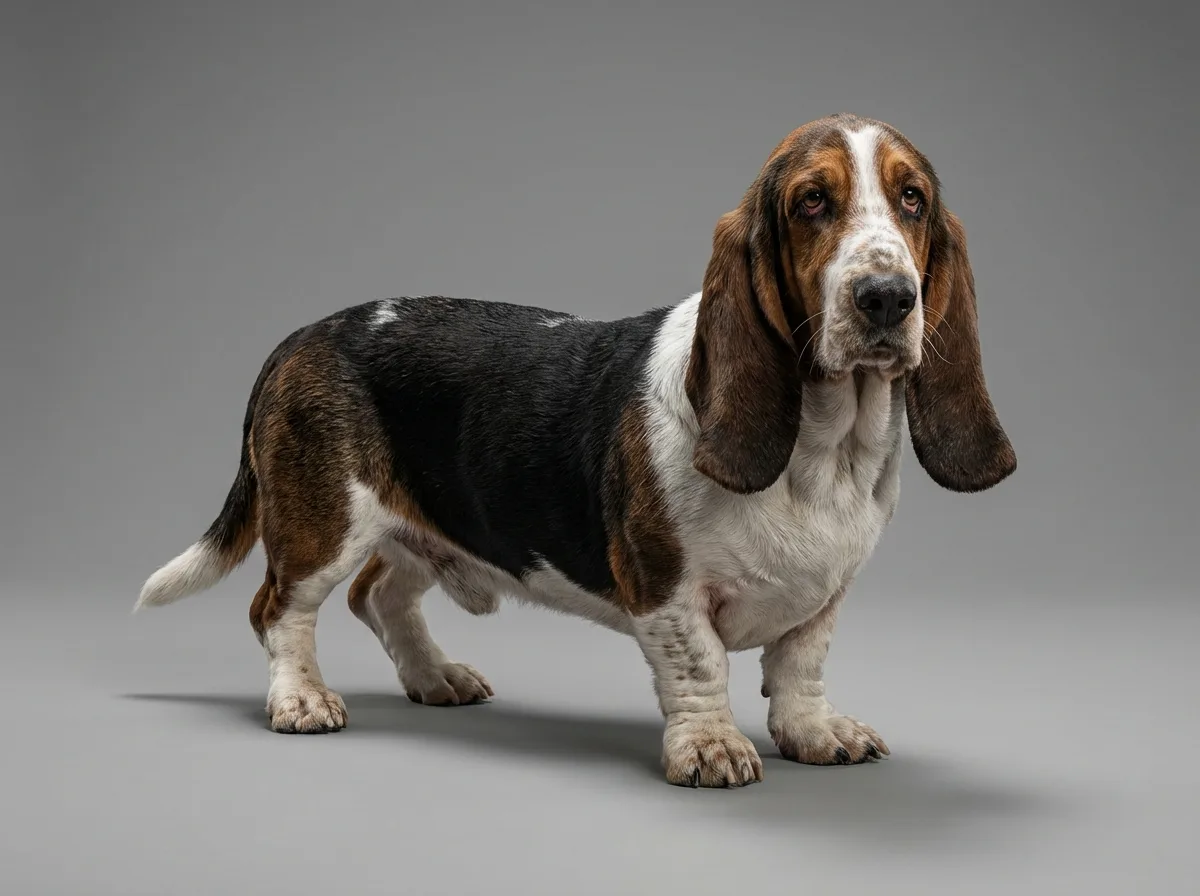
Independent dogs, or loner dogs, are often the best fit for those with demanding jobs. Breeds like Greyhounds and Basset Hounds are known for their low separation anxiety and can comfortably spend time alone. Additionally, it’s essential to consider your dog's energy level and social needs to match your lifestyle.
Best Dog Breeds for Full Time Workers - What to Know About Dogs for 9-5 Workers

How to Make It Work

To ensure a happy home for your dog, establish a routine. This includes regular exercise, mental stimulation, and socialization opportunities. Consider hiring a dog walker or enrolling your dog in daycare a few days a week to break up their solitude. These steps can help maintain their happiness and prevent behavioral issues.
Best Dog Breeds for Full Time Workers - How to Make It Work

Step-by-Step Plan for Choosing the Best Dog Breeds for Full-Time Workers

Choosing the right dog breed when you work full-time can be challenging. Follow these steps to make a smart decision that fits your lifestyle and your new pet's needs.
  • 1. Assess Your Daily Schedule
  • 2. Research Independent Breeds
  • 3. Visit Local Shelters or Breeders
  • 4. Consider Dog Training Options
  • 5. Set Up a Comfortable Home Environment
  • 6. Evaluate Pet Care Services
  • 7. Prepare for Adjustment Period

Why this helps

  • Helps you find a breed that suits your lifestyle.
  • Increases the chances of a successful dog-owner relationship.
  • Ensures your pet is happy and well-adjusted.

Watch out for

  • ! May require time and effort to research breeds.
  • ! Initial costs for supplies and training can be significant.
  • ! Adjustment may take time for both you and your dog.

1. Assess Your Daily Schedule

Start by evaluating your daily routine. Identify how many hours you’ll be away from home and what your typical workday looks like. This will help you understand how much time you can dedicate to a dog.

2. Research Independent Breeds

Look for dog breeds known for being independent, such as Greyhounds or Basset Hounds. These dogs often manage well alone and typically have lower separation anxiety. Make a list of breeds that match your lifestyle.

3. Visit Local Shelters or Breeders

Once you have a list, visit local shelters or breeders. Spend time getting to know the dogs. Talk to the staff about which breeds thrive in homes where owners are away for long hours.

4. Consider Dog Training Options

Think about enrolling your dog in training classes. Training can help them learn to be comfortable alone and reduce unwanted behaviors. Look for trainers who specialize in low separation anxiety breeds.

5. Set Up a Comfortable Home Environment

Create a safe and cozy space for your dog. Make sure they have a comfortable bed, toys, and access to water. This will help them feel secure while you’re away.

6. Evaluate Pet Care Services

Look into dog walkers or daycare options. This can be helpful if you work long hours. Having someone check in on your dog can provide companionship and relieve your worries.

7. Prepare for Adjustment Period

Finally, understand that both you and your new dog will need an adjustment period. Be patient as they learn your routine. Consistency and love will help them settle in.

Common Mistakes When Choosing the Best Dog Breeds for Full-Time Workers

Choosing a dog while working full-time can be challenging. Many new owners make mistakes that can lead to stress for both them and their pets. Here are the most common pitfalls to avoid.
  • Not researching breed traits
  • Ignoring energy levels
  • Underestimating separation anxiety
  • Neglecting training
  • Choosing a puppy instead of an adult
  • Lack of a routine
  • Overlooking socialization needs

Common Myths About the Best Dog Breeds for Full-Time Workers

There are several myths surrounding dog ownership for full-time workers. Let's debunk these myths and clarify the facts.
  • Myth 1: All dogs hate being alone.
  • Myth 2: Only certain breeds can be left alone for long hours.
  • Myth 3: Dogs will always suffer from separation anxiety.
  • Myth 4: You need to be home all day to train a dog.
  • Myth 5: Independent dogs don't need any companionship.

Advanced Tips for Choosing the Best Dog Breeds for Full-Time Workers

If you're a full-time worker considering a dog, there are a few advanced strategies you can use to ensure a harmonious relationship. First, think about your dog's personality. Some breeds, like Greyhounds, are known to be independent and can handle being alone for longer periods, while others might struggle. Researching breeds that are classified as 'low separation anxiety' can save you from future stress. Next, consider your home environment. If you live in a smaller space, opt for breeds that are more adaptable, like Basset Hounds. They tend to be calm and don't require as much space to roam. Additionally, investing in quality toys and puzzle feeders can keep your dog mentally stimulated while you're away. Another helpful tip is to set a consistent routine. Dogs thrive on predictability, so try to maintain a schedule for feeding, walks, and playtime. This consistency can help mitigate any anxiety your dog might feel when you leave for work. For dogs that are more prone to loneliness, consider employing a dog walker or pet sitter to break up their day. This extra interaction can be crucial for their well-being. Additionally, make use of technology. Consider using a pet camera to monitor your dog while you’re at work. This can give you peace of mind and allow you to check in on them throughout the day. Plus, some cameras have treat dispensers, which can be a fun way to engage with your pet even when you’re not home. Lastly, always prioritize training. Teaching your dog basic commands and behaviors will not only strengthen your bond but also help your dog feel more secure when you're not around. Enrolling in a training class can also provide socialization opportunities, which is especially beneficial for breeds that tend to be loners.

Why this helps

  • Helps in choosing the right breed for your lifestyle.
  • Improves your dog's mental stimulation.
  • Creates a consistent routine that benefits both you and your dog.

Watch out for

  • ! Requires time and commitment for training and routines.
  • ! May involve costs for dog walkers or technology.
  • ! Not all dogs may adapt well, regardless of breed.

Insider Secrets for Choosing the Best Dog Breeds for Full-Time Workers

Finding the right dog breed when you work full time can be challenging. Here are some lesser-known tips that can help you make a smarter choice for your lifestyle.
  • Look for breeds with a strong independent streak. Breeds like the Greyhound and Chow Chow are known for their ability to be alone without excessive stress.
  • Consider adopting an older dog. Puppies often require more time and attention than full-time workers can provide. An adult dog is usually more settled and may already be trained.
  • Research low separation anxiety breeds. Breeds that don’t typically suffer from separation anxiety, such as the Basset Hound, can be a great fit for those long work hours.
  • Utilize technology to keep your dog engaged. Automatic treat dispensers and interactive toys can provide mental stimulation while you're away, mitigating boredom.
  • Hire a dog walker or consider doggy daycare for socialization. This can make a significant difference in your dog’s happiness and behavior when you're not home.

Why this helps

  • Choosing an independent breed can lead to a more relaxed home environment.
  • Older dogs often come with training and a calmer demeanor.
  • Low separation anxiety breeds can reduce stress for both the dog and owner.

Watch out for

  • ! Independent breeds may not be as cuddly or affectionate as others.
  • ! Adopting an older dog may come with hidden health issues.
  • ! Relying on technology or external help may involve additional costs.

Checklist for Choosing the Best Dog Breeds for Full-Time Workers

Use this checklist to identify the best dog breeds for your busy lifestyle. Consider your work schedule, living situation, and the dog’s needs.
  • Evaluate your daily schedule to determine how much time you can devote to a dog.
  • Research independent dog breeds known for being comfortable alone.
  • Consider low separation anxiety breeds that adapt well to being left alone.
  • Look into adopting a dog from a shelter that matches your lifestyle.
  • Ensure your living space is dog-friendly and secure for when you are not home.
  • Think about hiring a dog walker or using dog daycare services for socialization.
  • Prepare your home with toys and activities to keep your dog entertained.
  • Plan a consistent routine for feeding, walks, and playtime to help your dog adjust.
  • Consult with a vet to discuss any breed-specific health concerns.

Why this helps

  • Helps you identify breeds that thrive when left alone.
  • Encourages a structured routine for both you and your dog.
  • Promotes responsible pet ownership and care.

Watch out for

  • ! May require additional costs for dog walking or daycare services.
  • ! Some dogs may still experience anxiety, despite being independent.
  • ! Not all independent breeds are suitable for every living situation.

Frequently asked questions

Can I work full time and own a dog?

Yes, you can work full time and own a dog. However, it's important to choose the right breed, especially one that is independent and can handle some alone time. Breeds like Greyhounds and Basset Hounds tend to do well in these situations. This answer relates to best dog breeds for full time workers.

What are the best dogs for staying home alone?

The best dogs for staying home alone are typically independent breeds that experience low separation anxiety. Breeds like Chow Chows and Basset Hounds are known for their ability to cope alone without getting too anxious or destructive.

What are independent dogs?

Independent dogs are breeds that can entertain themselves and don't require constant attention. Breeds such as Basenjis and Shiba Inus are known for their self-sufficiency and can thrive with less interaction, making them ideal for busy owners.

Should I hire a dog walker or use daycare?

Choosing between a dog walker and daycare depends on your dog's needs. A dog walker can provide exercise and companionship during the day, while daycare offers socialization with other dogs. Consider your dog's personality when making this decision.

What breeds have the lowest separation anxiety?

Breeds with low separation anxiety include the Greyhound, Basset Hound, and Chow Chow. These dogs are generally more relaxed when left alone, making them suitable for full-time workers who need a little independence in their pets.

What are the best dog breeds for full-time workers?

The best dog breeds for full-time workers include those known for their independence and low separation anxiety. Breeds like Greyhounds, Basset Hounds, and Chow Chows often do well alone during the day. They tend to be more self-sufficient and can handle longer periods without human interaction.

How can I help my dog adjust to being home alone?

To help your dog adjust to being home alone, start with short periods of separation and gradually increase the time. Provide engaging toys, puzzles, or treats that can keep them occupied. Consider establishing a consistent routine to give your dog a sense of security.

Are there specific breeds that are better for 9-5 workers?

Yes, certain breeds are better suited for a 9-5 schedule. For instance, breeds like the Shiba Inu and Basenji are known for being relatively independent. They can entertain themselves and are less prone to developing separation anxiety.

What should I consider when choosing a dog as a full-time worker?

When choosing a dog as a full-time worker, consider the dog's energy level, temperament, and independence. Look for breeds that are known for being calm and relaxed when left alone. Additionally, think about your living space and how much time you can dedicate to exercise and socialization.

How can I tell if my dog is experiencing separation anxiety?

Signs of separation anxiety in dogs include excessive barking, destructive behavior, or trying to escape when you leave. You might also notice your dog drooling, pacing, or having accidents indoors. If you suspect your dog has separation anxiety, consult with a vet for advice.

What are the benefits of dog daycare or hiring a dog walker?

Dog daycare and hiring a dog walker can provide socialization and exercise for your dog while you work. These options can help reduce boredom and separation anxiety. Plus, they offer peace of mind knowing your dog is engaged and taken care of during the day.

Can I adopt an older dog if I work full-time?

Yes, adopting an older dog can be a great option for full-time workers. Many older dogs are already trained and can be more independent than puppies. Just ensure the breed and individual dog's temperament are compatible with your work schedule.

Quick answers

View more answers
Living

What are the best dog breeds for full-time workers?

The best dog breeds for full-time workers include Greyhounds, Basset Hounds, and Chow Chows, as they are more independent and can handle being alone.

Living

What are independent pets?

Independent pets are those that can entertain themselves and manage alone for longer periods. Breeds like Basenjis and Shiba Inus fit this description well.

Living

What are good dogs for 9-5 workers?

Good dogs for 9-5 workers are those that experience low separation anxiety and can cope with being alone, such as Basset Hounds and Greyhounds.

Living

Can I work full time and own a dog?

Yes, but you should choose a breed that can handle being alone for extended periods. Look for independent dogs with low separation anxiety.

Living

Best dogs for staying home alone?

Breeds like Greyhounds and Basset Hounds are known for being independent and can adapt well to being alone during your work hours.

Related DogBreedCompass guides

Important reminder

This guide is not medical advice. If your dog shows pain, sudden behavior change, or worsening symptoms, consult a licensed veterinarian.

Some links may be affiliate links. We may earn a commission at no extra cost to you. We only suggest products we believe are helpful for dog owners.

Want more tailored help?

Take the Lifestyle Match quiz to see which breeds and guides best fit your day-to-day life.

Take the quiz

More guides you might like

Find your match

Not sure which breed is right for you? Take our 2-minute quiz to find out.

Take the quiz