Best Dog Breeds for Cyclists: Your Ultimate Guide
Looking for the perfect biking companion? This guide covers the best dog breeds for cyclists, ensuring you both enjoy active adventures together.
This guide is perfect for active individuals or families who love cycling and want a dog that can join in on the fun. Whether you're a seasoned cyclist or just getting started, you'll find valuable insights. It's especially useful for those living in urban areas or near bike trails who may be considering a new pet to complement their lifestyle.
Many potential dog owners overlook the importance of breed characteristics when it comes to activities like biking. Not all dogs are suited for the endurance and speed required for cycling. Understanding which breeds thrive on physical activity can help prevent frustration for both you and your dog, ensuring a happy and active partnership.
Step-by-Step Plan for Choosing the Best Dog Breeds for Cyclists
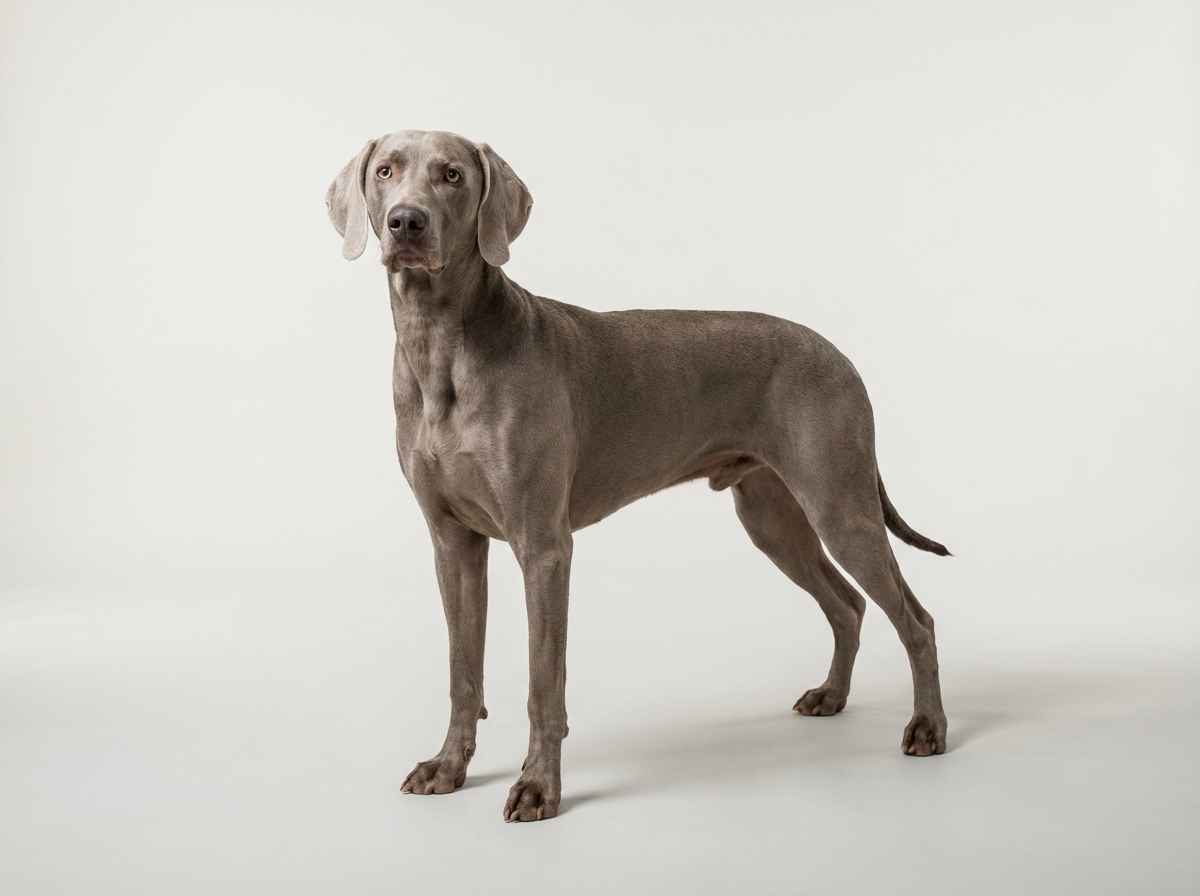
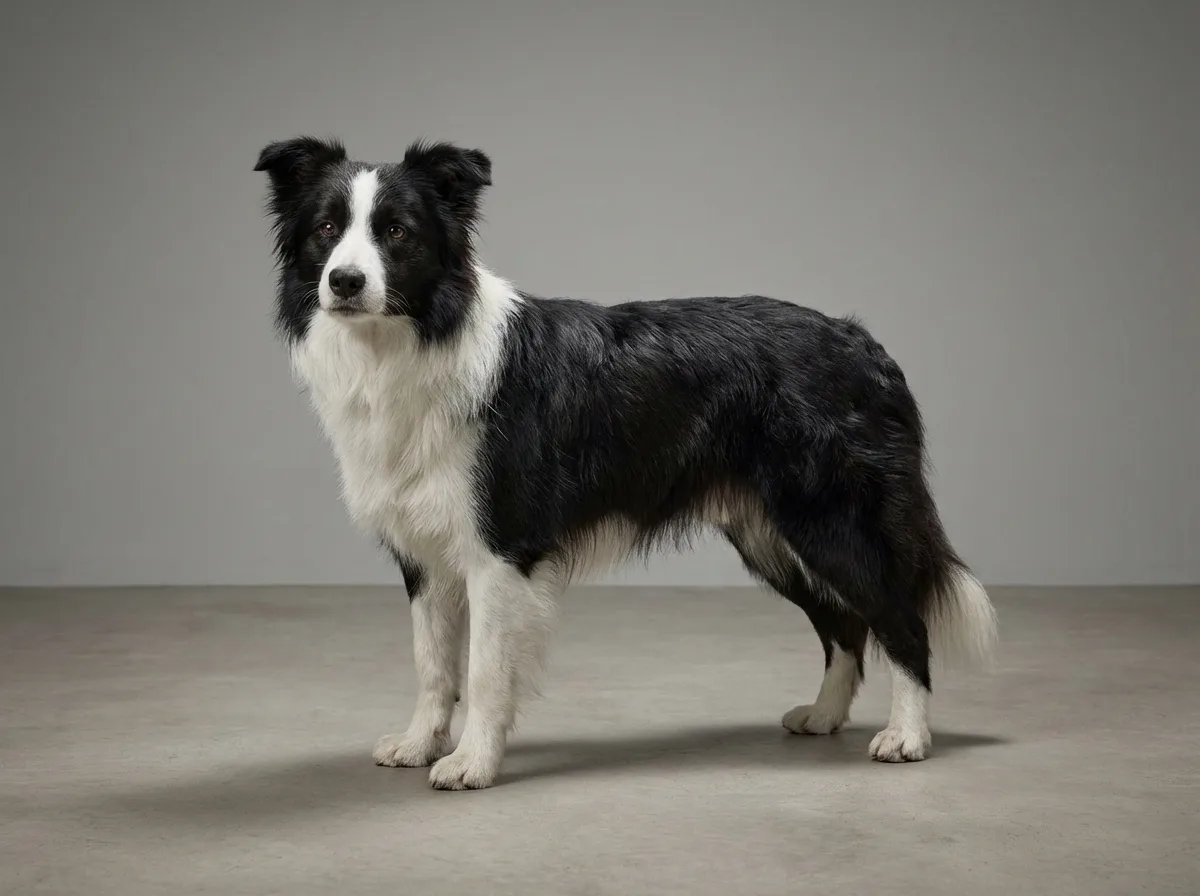
- 1. Research Suitable Breeds: Start by looking into breeds known for their endurance and ability to run alongside bikes. Breeds like the Vizsla, Border Collie, and Pointer are great options.
- 2. Assess Your Cycling Routine: Consider how often and how far you're biking. This will help determine the energy level and stamina needed in a dog. Think about whether you cycle daily or just on weekends.
- 3. Visit Local Shelters or Breeders: Check out local animal shelters or responsible breeders to meet potential dogs. Look for breeds that match your biking style and energy levels.
- 4. Test the Fit: If possible, take the dog for a short bike ride. This will give you an idea of how well they keep up and how they handle being on a leash while biking.
- 5. Purchase the Right Gear: Invest in a quality leash designed for biking. A hands-free leash or a bike attachment can keep your dog safe while allowing you to maintain control.
- 6. Begin Training: Start training your dog to run alongside your bike. Use positive reinforcement and short rides to build their confidence and comfort.
- 7. Monitor Health: Keep an eye on your dog's stamina and health as you bike together. Make sure they are not overexerted, especially during hot weather.
- 8. Gradually Increase Distance: As your dog gets more comfortable, gradually increase the distance and speed of your rides to build their endurance.
- 9. Join a Community: Look for local cycling groups that allow dogs. This can provide socialization opportunities for your dog and help you find biking companions.
- 10. Enjoy Your Rides: Once you and your dog are ready, hit the trails! Enjoy the time spent together and the adventure.
Why this helps
- ✓ Strengthens the bond between you and your dog.
- ✓ Encourages both you and your dog to stay active and healthy.
- ✓ Provides a fun way to explore new trails and areas.
Watch out for
- ! Not all dogs are suited for biking; some may struggle with endurance.
- ! Requires time and effort for training and acclimatization.
- ! Potential health risks for dogs if not monitored carefully while biking.
Common Mistakes Cyclists Make with Dogs
- Not Choosing the Right Breed
- Ignoring Fitness Levels
- Neglecting Training
- Skipping Safety Gear
- Overestimating Distance
- Failing to Assess Weather Conditions
Myths vs. Facts About Biking with Dogs
- Myth: All dogs can run alongside a bike.
- Fact: Not all breeds are suited for biking. Breeds like Greyhounds or Border Collies thrive in such activities, while others may struggle to keep up.
- Myth: You can bike with any leash.
- Fact: Using a hands-free leash designed for biking is crucial. It keeps both you and your dog safe and allows for better control.
- Myth: Dogs can run indefinitely at high speeds.
- Fact: Dogs need breaks and shouldn't overexert themselves. Monitor your dog's energy and give them water regularly.
- Myth: Biking is a good exercise for overweight dogs.
- Fact: If a dog is overweight, start with walking before introducing biking. Biking can be too strenuous for out-of-shape dogs.
- Myth: All dogs enjoy biking.
- Fact: While many dogs love it, some may find it stressful or uncomfortable. Always pay attention to your dog's body language.
Why this helps
- ✓ Great exercise for both you and your dog.
- ✓ Strengthens the bond between you and your pet.
- ✓ Many dogs love the speed and excitement.
Watch out for
- ! Not all breeds are suited for biking.
- ! Requires special equipment to ensure safety.
- ! Some dogs may not enjoy the experience.
Advanced Tips for Choosing the Best Dog Breeds for Cyclists
Why this helps
- ✓ Increases your dog's fitness level.
- ✓ Strengthens the bond between you and your dog.
- ✓ Allows for more enjoyable outdoor adventures.
Watch out for
- ! Not all dogs will take to biking easily.
- ! Some breeds may require more training than others.
- ! Injuries can occur if not careful during training.
Practical Guidance for Biking with Dogs
- Start with Short Distances: Gradually build your dog's endurance by starting with shorter rides before increasing distance. This helps prevent injuries.
- Choose the Right Gear: Invest in a quality hands-free leash designed for biking. This keeps your dog secure while allowing you to maintain control.
- Know Your Dog's Limits: Not all dogs are built for endurance. Breeds like Vizslas and Border Collies thrive, but always monitor your dog's energy levels and hydration.
- Use Positive Reinforcement: Reward your dog with treats or praise during and after rides to create a positive biking experience. This encourages them to enjoy the activity.
- Plan Your Route: Choose bike paths or trails that are dog-friendly and have minimal traffic. This not only keeps your dog safe but also makes for a more enjoyable ride.
Why this helps
- ✓ Builds a strong bond between you and your dog.
- ✓ Provides excellent exercise for both you and your pet.
- ✓ Helps to socialize your dog with other people and pets.
Watch out for
- ! Not all breeds are suitable for long distances.
- ! Can be challenging in extreme weather conditions.
- ! Requires additional planning for dog-friendly routes.
Checklist for Choosing the Best Dog Breeds for Cyclists
- Evaluate your cycling habits: casual rides or long-distance biking?
- Research breeds known for endurance and energy, like Vizslas or Border Collies.
- Consider your dog's size and how it fits with your biking setup.
- Look for breeds that are comfortable with speed and can run alongside your bike.
- Check temperament: friendly and obedient breeds work best for biking.
- Invest in a good bike leash that attaches securely to your bike.
- Practice short rides to get your dog used to biking alongside you.
- Ensure your dog is in good health with a vet visit before starting.
- Set boundaries: teach your dog commands for safety during rides.
- Bring water and a collapsible bowl for hydration breaks.
Why this helps
- ✓ Encourages a healthy lifestyle for both you and your dog.
- ✓ Strengthens the bond between you and your pet.
- ✓ Provides an outlet for your dog's energy and prevents boredom.
Watch out for
- ! Not all breeds are suitable for cycling, which may limit your options.
- ! Requires training and patience to get your dog accustomed to biking.
- ! Weather conditions can affect biking, which may not be ideal for every dog.
Frequently asked questions
Can you bike with your dog?
Yes, you can bike with your dog, but it's essential to choose the right breed. Dogs that are active and have good stamina, like Vizslas and Border Collies, make excellent biking companions. Always ensure your dog is comfortable and safe while riding alongside you.
What are the best dog breeds for cyclists?
The best dog breeds for cyclists include breeds known for their endurance and energy. Breeds like Vizslas, Border Collies, and Pointers are great options. They enjoy running and can easily keep up with you on long rides.
How far can dogs run alongside a bike?
Most dogs can comfortably run alongside a bike for 3 to 10 miles, depending on their fitness level and breed. Active breeds like the Vizsla can handle longer distances, while less active dogs may tire quickly. Always monitor your dog's energy and take breaks as needed.
What is the best leash for biking with a dog?
The best leash for biking with your dog is a hands-free leash that attaches to your waist. This allows you to maintain control while keeping your hands free for biking. Look for leashes that have shock-absorbing features to reduce the impact on both you and your dog.
What should I consider when biking with my dog?
When biking with your dog, consider their breed, fitness level, and the weather. Make sure they are properly trained to run alongside you and are comfortable wearing a harness. Start with shorter distances to build their endurance.
Can you bike with your dog safely?
Yes, you can bike with your dog safely by using a proper leash and harness. A bike leash attachment allows your dog to run alongside you without pulling. Always start with short distances to ensure your dog's comfort and stamina.
What’s the best leash for biking with a dog?
The best leash for biking with a dog is a hands-free leash that attaches to your waist or a bike. This keeps your hands free and gives your dog room to move. Look for leashes with shock-absorbing features to minimize sudden pulls.
Are there any breeds that are not suitable for biking?
Yes, some breeds are not suitable for biking. Breeds with short legs, like Bulldogs or Dachshunds, struggle to keep up. Additionally, older dogs or those with health issues may not enjoy the activity and could be at risk of injury.
How do I train my dog to bike with me?
Training your dog to bike with you involves gradual exposure. Start by walking with your bike while your dog is leashed. Once comfortable, increase speed and distance, ensuring your dog stays focused and follows your lead.
What are the benefits of biking with my dog?
Biking with your dog provides excellent exercise for both of you. It strengthens your bond and keeps your dog mentally stimulated. Plus, it’s a fun way to explore new trails together and enjoy the outdoors.
Quick answers
View more answersWhat are good dogs for cyclists?
Good dogs for cyclists are active breeds like Vizslas and Border Collies, as they enjoy running and have high endurance.
Can dogs keep up while biking?
Yes, many dogs can keep up while biking, especially endurance breeds that are used to running.
What type of leash is best for biking?
A hands-free leash that attaches to your waist is best for biking with your dog, allowing you to maintain control while riding.
Can you bike with your dog?
Yes, many dogs enjoy biking with their owners, especially active breeds. Just ensure you train them properly and use a safe leash.
Best leash for biking with dog?
A hands-free leash or a bike attachment leash is ideal for biking with your dog. It keeps your hands free while maintaining control.
Related DogBreedCompass guides
- Border Collie breed guide – Learn more about a highly energetic breed that loves outdoor activities.
- Vizsla breed guide – Discover the Vizsla's strong endurance and affinity for running.
- Pointer breed guide – Explore the Pointer's traits as a companion for biking and running.
- Cost of owning a running dog – Find out about the costs associated with owning an active dog.
- Training your dog for biking – Get tips on how to safely train your dog for biking.
Important reminder
This guide is not medical advice. If your dog shows pain, sudden behavior change, or worsening symptoms, consult a licensed veterinarian.
Some links may be affiliate links. We may earn a commission at no extra cost to you. We only suggest products we believe are helpful for dog owners.
Want more tailored help?
Take the Lifestyle Match quiz to see which breeds and guides best fit your day-to-day life.
Take the quizMore guides you might like

Best Dogs for Single Professionals: Breeds That Thrive in One-Person Homes

Best Dog That Doesnt Smell: Guide to Low-Odor Dogs

Best Dog Breed for Anxiety Depression: A Complete Guide

Best Dog for Cold Climates: A Breed Comparison Guide

Best Dogs for Health-Conscious Owners: Long-Lived, Low-Vet-Cost Breeds

Best Dog for Runners Half Marathon: Complete Guide
Find your match
Not sure which breed is right for you? Take our 2-minute quiz to find out.
Take the quiz