Yorkshire Terrier Luxating Patellas: What You Need to Know
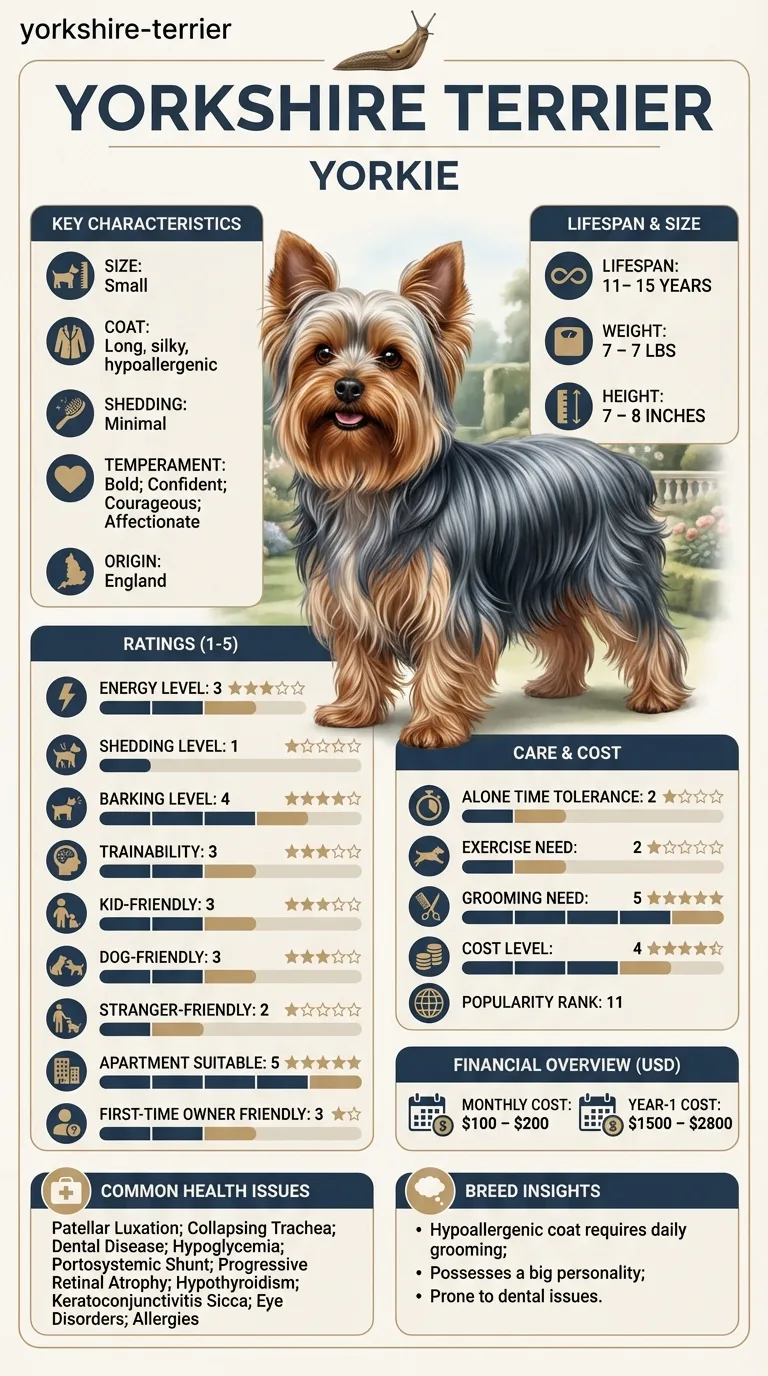
Yorkshire Terrier luxating patellas can be a painful condition that affects your pup’s mobility. Understanding it is key to ensuring your dog lives a healthy life.

What you can try
- Provide a stable environment by using rugs or mats to prevent slipping. This helps protect their joints.
- Engage in low-impact exercises, like short walks or gentle play, to strengthen their leg muscles without overexertion.
- Maintain a healthy weight. Extra pounds put more stress on their knees, worsening the luxation.
- Incorporate joint supplements into their diet after discussing with a vet. These can support joint health and reduce discomfort.
Mistakes that make this worse
Avoid these common mistakes that can worsen your Yorkshire Terrier's luxating patellas and delay their recovery.
- Ignoring signs of discomfort: Failing to recognize when your Yorkie is limping or in pain can lead to further injury. Always monitor their behavior and consult a vet if you notice any changes.
- Overexerting your dog: Allowing your Yorkshire Terrier to jump or run excessively can strain their knees. Opt for controlled, low-impact play and walks to keep them active without risking injury.
- Neglecting weight management: Overweight dogs are at a higher risk for luxating patellas. Ensure a balanced diet and regular exercise to help maintain a healthy weight.
- Skipping veterinary check-ups: Regular vet visits are crucial for monitoring your Yorkie's condition. Stay proactive to catch any issues early and discuss treatment options.
- Using harsh training methods: Punishing or scolding your dog can increase anxiety and lead to behavioral issues. Use positive reinforcement to encourage good behavior without stress.
- Failing to provide a safe environment: A home with slippery floors can make injuries worse. Use rugs or mats to create a safer space for your Yorkshire Terrier to walk around.
- Disregarding joint supplements: Some owners overlook the benefits of joint supplements. Talk to your vet about whether supplements can support your dog’s joint health.
When Yorkshire Terrier Luxating Patellas is an Emergency
Recognizing when luxating patellas in your Yorkshire Terrier becomes an emergency is crucial for their health. If you notice your Yorkie suddenly limping, unable to put weight on a leg, or yelping in pain, these are red flags. Other signs to watch for include swelling around the knee joint or an inability to straighten the affected leg.
In these cases, you should call your vet immediately.
On the other hand, if your Yorkshire Terrier occasionally shifts their weight or seems stiff after play but is otherwise active and eating well, this may not require urgent attention. You can monitor them by keeping a close eye on their mobility, adjusting their activity level, and ensuring they have a comfortable resting space. If these mild symptoms persist or worsen, it’s wise to consult your vet for a more thorough evaluation.
Understanding the difference between an emergency and a situation that can be observed is essential for your Yorkie's well-being. Always trust your instincts; if you feel something isn’t right, it’s better to be safe and reach out to your vet.

Frequently asked questions
Why does my Yorkshire Terrier have luxating patellas?
Luxating patellas are common in small breeds like Yorkshire Terriers due to their anatomy. Factors such as genetics, injury, or even being overweight can contribute to the issue. Regular vet check-ups can help identify any underlying causes.
How can I stop my Yorkshire Terrier from having luxating patellas?
To manage luxating patellas in your Yorkie, maintain a healthy weight and provide regular, gentle exercise. Consult your veterinarian for tailored exercise routines and consider physical therapy options if recommended. Surgery may be necessary for severe cases.
What are the signs of luxating patellas in Yorkshire Terriers?
Common signs include limping, difficulty standing, or even sudden yelping in pain. You might also notice your dog skipping or holding up a leg after activity. Observing your Yorkie's behavior closely can help catch issues early.
Can training help with luxating patellas in Yorkshire Terriers?
Training itself won't directly fix luxating patellas, but it can help with weight control and building muscle strength. Positive reinforcement can encourage gentle activities that support joint health. Always check with a vet before starting a new regimen.
Are luxating patellas hereditary in Yorkshire Terriers?
Yes, luxating patellas can be hereditary. If a Yorkie's parents have this condition, the chances of their puppies developing it are higher. Responsible breeding practices can help reduce the occurrence of this issue in future generations.
What are the signs that my Yorkshire Terrier has luxating patellas?
Common signs include limping, a hopping gait, or reluctance to jump or play. You may also notice your Yorkie suddenly lifting a leg while walking, which indicates pain or discomfort.
Can luxating patellas in Yorkshire Terriers lead to other health problems?
Yes, if left untreated, luxating patellas can lead to arthritis or joint damage. Regular vet check-ups are essential to monitor your dog's knee health and prevent further complications.
Is surgery always necessary for Yorkshire Terrier luxating patellas?
Not necessarily. Many cases can be managed with physical therapy, weight management, and joint supplements. However, severe cases may require surgical intervention to correct the issue.
How can I help my older Yorkshire Terrier manage luxating patellas?
For older Yorkies, maintaining a healthy weight and providing low-impact exercise is key. Gentle walks and joint supplements can help, but consult your vet for a tailored plan.
What should I do if my Yorkshire Terrier's luxating patellas seem to worsen?
If you notice increased limping or discomfort, it's important to see a vet as soon as possible. They can evaluate the condition and recommend appropriate treatments or adjustments to your Yorkie's care.