Best Dog for Introverts: Find a Companion That Fits
The best dog for introverts is not simply the quietest breed on a list; it is an individual dog whose daily needs fit your home, energy, and preferred pace of life.
This guide is for people who prefer a calm home, smaller social circles, or restorative time at home and want to choose a dog responsibly. It can also help anyone researching quiet dog breeds without assuming that a quieter household means a dog will need less care.
A good match can make companionship more sustainable for both person and dog. Choosing with your actual schedule in mind helps you plan for walks, visitors, grooming, training, and alone time instead of being surprised after bringing a dog home.
Start With Your Everyday Routine
- Activity: Be honest about the walks, play, and training you can provide on ordinary weekdays, not only on your best days.
- Home environment: Consider your space, shared walls, noise tolerance, and whether the dog will have a comfortable place to rest.
- Visitors and outings: Think about how often friends, family, delivery workers, or other dogs enter the dog's world.
- Time alone: Plan gradual alone-time training and make sure your work and travel patterns are realistic for dog ownership.
- Care tasks: Include grooming, cleaning, veterinary appointments, training practice, and arranging help when you are unavailable.
- Preferences: Decide whether you want an affectionate companion, a more independent dog, or a particular mix of both.
Why this helps
- ✓ Keeps the decision focused on a sustainable daily routine.
- ✓ Helps separate a preference for quiet from a need for very low activity.
- ✓ Makes visitor, housing, and care responsibilities visible early.
Watch out for
- ! A realistic assessment may rule out a breed you admire.
- ! Schedules and living situations can change after you adopt.
- ! No checklist can predict every individual dog's temperament.
Look Beyond Energy Labels
Three Breeds to Research as Starting Points
- Greyhound: Often considered by people seeking a gentle companion that can relax indoors. A Greyhound still needs appropriate exercise, secure handling, and an individual assessment of its comfort around people, other animals, and new settings.
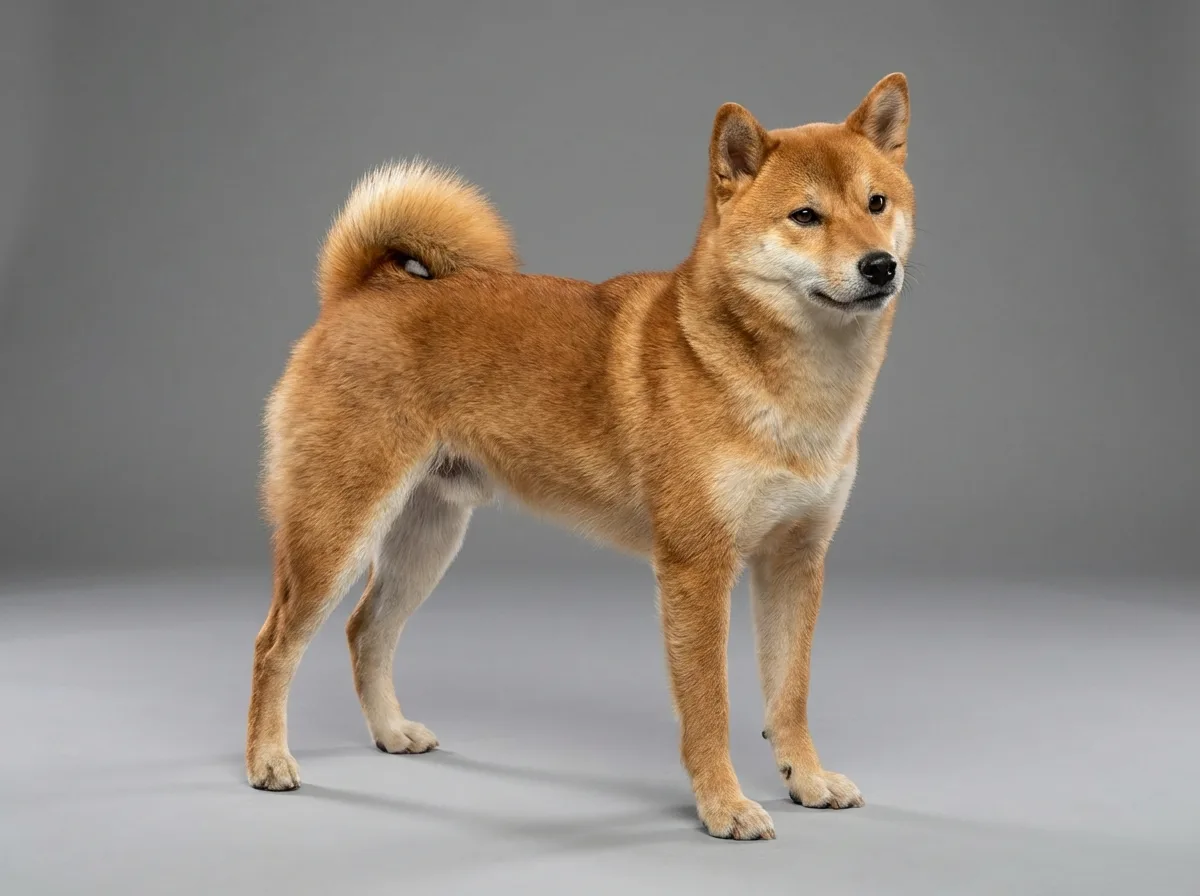
- Shiba Inu: A compact, alert breed that may appeal to people who value an independent temperament. Research its training, exercise, grooming, and socialization needs carefully rather than assuming independence means little involvement.
- Cavalier King Charles Spaniel: An affectionate companion breed that may suit someone seeking a close household relationship. Consider the individual dog's activity, grooming, training, and comfort with household routines before deciding.
Why this helps
- ✓ Provides three distinct temperaments and activity styles to compare.
- ✓ Encourages research beyond size or appearance.
- ✓ Keeps the focus on the individual dog's needs.
Watch out for
- ! Breed tendencies do not guarantee behavior in any one dog.
- ! A quieter home does not eliminate exercise or training needs.
- ! Compatibility depends on the dog, the household, and ongoing care.
Questions to Ask Before You Commit
Build a Calm Home Without Skipping Training
Plan for Visitors, Neighbors, and Alone Time
A Low-Key Lifestyle Still Needs a Full Care Plan
Common Mistakes When Choosing a Dog for a Quieter Lifestyle
- Equating quiet with no exercise or enrichment needs.
- Choosing a dog only because a breed is described as independent, calm, or low energy.
- Skipping a meeting with the individual dog and relying on photos or a breed label.
- Assuming the dog will not need training because the household is peaceful.
- Forgetting to plan for visitors, apartment noises, travel, and veterinary care.
- Avoiding all social experiences instead of introducing them gradually and positively.
- Bringing home a dog without arranging backup care for illness, work changes, or emergencies.
Checklist Before Bringing a Dog Home
- I can provide daily exercise, enrichment, training, and companionship.
- I have considered how the dog will fit my work schedule, sleep schedule, and downtime.
- I know how I will handle visitors, shared spaces, and everyday neighborhood noise.
- I have met the individual dog or asked detailed questions about its home behavior and needs.
- I can budget for food, supplies, grooming, training, routine veterinary care, and unexpected needs.
- I will introduce new experiences gradually rather than expecting the dog to adapt instantly.
- I have a trusted backup plan for care when I cannot be there.
Why this helps
- ✓ Connects a personality-based question to daily responsibilities.
- ✓ Helps identify a mismatch before a commitment is made.
- ✓ Supports a more prepared transition for the dog.
Watch out for
- ! It takes time to meet dogs and gather reliable information.
- ! A good plan still needs flexibility as the dog settles in.
- ! A checklist cannot replace professional advice for individual behavior concerns.
A Practical Next Step
Frequently asked questions
What is the best dog for introverts?
There is no single best dog for introverts. Look for an individual dog whose activity level, temperament, training needs, and comfort around people fit your home and the care routine you can provide.
What are good quiet dog breeds?
People may research breeds such as Greyhounds, Shiba Inus, and Cavalier King Charles Spaniels for a quieter lifestyle. Treat breed information as a starting point, because individual dogs can vary in energy, vocal habits, and social comfort.
Do introverts need a low-energy dog?
Not necessarily. Some introverts enjoy active walks or training, while others prefer a calmer daily rhythm. Choose a dog whose real exercise and enrichment needs match the routine you can maintain.
Are Greyhounds good for a quiet home?
A Greyhound may appeal to someone seeking a companion that can settle indoors, but every dog needs appropriate exercise, handling, and an individual assessment. Ask about the specific dog's behavior at home and around other animals and people.
Is a Shiba Inu a good dog for an introvert?
A Shiba Inu may suit some people who appreciate an alert, independent dog, but it still needs consistent training, exercise, grooming, and gradual socialization. Meet the individual dog and research the breed's needs before deciding.
Is a Cavalier King Charles Spaniel good for a quiet lifestyle?
A Cavalier King Charles Spaniel may be considered by people seeking an affectionate companion. Consider the individual dog's activity, training, grooming, and care needs alongside your household routine.
Can a quiet home be good for a dog?
A calm home can work well when the dog also receives regular exercise, enrichment, training, and gradual positive exposure to everyday life. Quiet should not mean isolation or a lack of engagement.
Do quiet dog breeds need socialization?
Yes. Every dog benefits from safe, age-appropriate, gradual socialization and learning experiences. The goal is not to force the dog into crowds, but to help it cope comfortably with normal people, places, sounds, and handling.
How can I choose a dog that will fit my apartment?
Consider the individual dog's behavior, exercise needs, vocal habits, size, training, and your building's rules. Meet the dog if possible and plan for daily walks, enrichment, and visitor management.
Should I adopt an adult dog if I want a calmer companion?
An adult dog may give you more information about its established behavior than a young puppy, but each dog is different. Ask the rescue or foster about the dog's routine, training, activity, and adjustment needs.

Quick answers
View more answersBest dog for introverts?
Choose an individual dog whose energy, care needs, and social comfort fit the routine you can provide consistently.
What are good quiet dog breeds?
Greyhounds, Shiba Inus, and Cavalier King Charles Spaniels are useful breeds to research, but individual temperament matters most.
Do low key dog breeds need exercise?
Yes. A dog that is calm at home still needs regular exercise, enrichment, and training suited to the individual.
Related DogBreedCompass guides
- Shiba Inu breed guide – Learn about the temperament, training, and care needs of one independent breed included in this guide's research brief.
- Cavalier King Charles Spaniel breed guide – Explore the daily care considerations of an affectionate companion breed included in this guide's research brief.
- best dog for working from home – Compare a quieter-home routine with the planning needs of a dog beside a remote work schedule.
- best dog for a small apartment with no yard – Review apartment-living considerations when your preferred quiet home has limited shared space.
- best dog that does not smell – Explore how grooming and routine care affect a household that prefers a lower-key daily pace.
- best dog for cat households – Compare household compatibility factors if your quiet home also includes a cat.
Important reminder
This guide is not medical advice. If your dog shows pain, sudden behavior change, or worsening symptoms, consult a licensed veterinarian.
Some links may be affiliate links. We may earn a commission at no extra cost to you. We only suggest products we believe are helpful for dog owners.
Want more tailored help?
Take the Lifestyle Match quiz to see which breeds and guides best fit your day-to-day life.
Take the quizMore guides you might like

Siberian Husky vs Vizsla: Which Breed is Right for You?

Best Dogs for Active & Athletic Families: High-Energy Breeds Ranked

Rottweiler vs Saint Bernard: Which is Right for You?

Shih Tzu vs Yorkshire Terrier: Which Small Dog is Right for You?

Best Dog Breed for Anxiety Depression: A Complete Guide

Best Dog That Doesnt Smell: Guide to Low-Odor Dogs
Find your match
Not sure which breed is right for you? Take our 2-minute quiz to find out.
Take the quiz