Health
What are quick tips for managing Yorkshire Terrier autoimmune diseases?
Maintain a nutritious diet, provide regular vet visits, and minimize stress at home.

Quick answer
What are quick tips for managing Yorkshire Terrier autoimmune diseases?
Maintain a nutritious diet, provide regular vet visits, and minimize stress at home.
Yorkshire Terrier autoimmune diseases can be a real concern for owners. These conditions often lead to skin issues and discomfort for your furry friend.
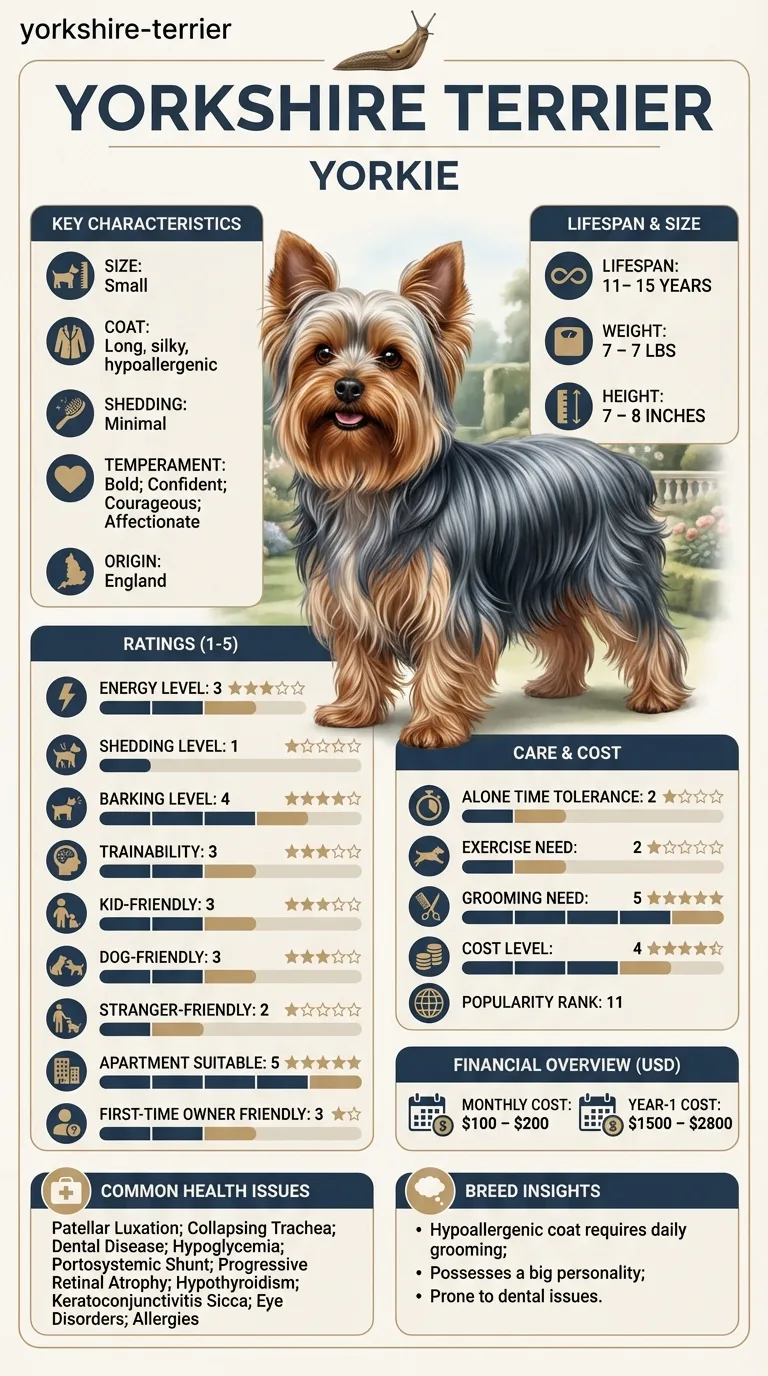
This issue tends to affect Yorkie owners who notice unusual skin conditions or changes in their dog's behavior. If you're a first-time pet parent or have a busy lifestyle, understanding how to manage these health problems can feel overwhelming.
This guide is not medical advice. If your dog shows pain, sudden behavior change, or worsening symptoms, consult a licensed veterinarian.
Some links may be affiliate links. We may earn a commission at no extra cost to you. We only suggest products we believe are helpful for dog owners.
We research and check what we publish, but we do not warrant that any figure, date, price, or statement is accurate, complete, or current, and we accept no liability for any loss, cost, injury, or other harm arising from the use of this site. Use it as one reference among several. You remain responsible for your own decisions and for your dog's care - confirm anything that matters with a licensed veterinarian or another qualified professional before you act on it. Full disclaimer.
Check this first
Autoimmune diseases in Yorkshire Terriers can be concerning, and knowing when to act is crucial. If your Yorkie shows severe symptoms like excessive bleeding, difficulty breathing, or sudden lethargy, it’s essential to call your vet immediately. These are red-flag signs that require urgent attention.
On the other hand, if your dog has mild symptoms such as slight hair loss or occasional skin irritation, you can monitor the situation. Keep a close eye on their condition and maintain a regular grooming routine. Ensure they have a balanced diet and watch for any changes in behavior or appetite.
A good plan is to document any changes, noting when they occur. If symptoms worsen or do not improve, reach out to your vet. It's always better to err on the side of caution, especially with autoimmune diseases that can escalate quickly.
Regular vet check-ups can also help catch issues early, providing peace of mind.
If any of these apply, call your vet or an emergency clinic now. The rest of this page is for the cases that are not an emergency.
Yorkshire Terrier autoimmune diseases can present as various skin conditions, including sores and hair loss. These issues can lead to discomfort and may affect your dog's overall well-being. Daily life with a Yorkie suffering from autoimmune diseases can involve frequent vet visits and special care routines to manage their symptoms.
Autoimmune diseases in Yorkshire Terriers are relatively common, especially as they age. They may experience these health challenges more frequently than some other breeds, making it vital for owners to be attentive to their health needs.
Yorkshire Terriers are predisposed to certain autoimmune diseases due to their genetic makeup. Their small size and specific immune system characteristics can make them more vulnerable to conditions where the body mistakenly attacks its own cells. This breed is also known for having sensitive skin, which can lead to various skin-related autoimmune issues.
Environmental factors can contribute to autoimmune diseases in Yorkshire Terriers. Stress, poor diet, and exposure to allergens or toxins can trigger or worsen these conditions. Additionally, a lack of proper grooming can lead to skin infections, which might further complicate their health.
Consult your veterinarian if you notice persistent skin issues, unusual behavior, or if your dog is losing hair. If symptoms worsen or don't improve with at-home care, a vet visit is crucial to explore treatment options. Autoimmune diseases can vary greatly, and a vet can tailor a plan to keep your Yorkie healthy.
Avoiding these common mistakes can help improve your Yorkshire Terrier's autoimmune conditions.
Start here: Yorkshire Terrier Most Common Genetic Disorders: Screening
See all Yorkshire Terrier health problems, which breeds are prone to autoimmune diseases, or the full Yorkshire Terrier breed guide for temperament, exercise needs and ownership costs.
Managing Yorkshire Terrier autoimmune diseases can take several weeks to months. Initially, you may notice improvements within a few weeks of starting treatment or dietary changes.
Success looks like your Yorkie having fewer flare-ups, healthier skin, and a better quality of life with decreased discomfort.
Sarah, a first-time dog owner, adopted her Yorkshire Terrier, Max, only to discover he had autoimmune diseases leading to skin sores and hair loss. Feeling overwhelmed, she sought help from a vet, who prescribed medication and recommended a special diet. After a few months of consistent care, Max's skin began to heal, and his fur started to grow back, restoring his playful spirit. Sarah learned the importance of regular vet visits and being attentive to Max’s needs.
Key takeaway: With patience and proper care, you can successfully manage Yorkshire Terrier autoimmune diseases, leading to a happier and healthier pup.
Autoimmune diseases in Yorkshire Terriers can stem from genetic predispositions, environmental factors, or infections. These conditions occur when the immune system mistakenly attacks the body's own tissues. Regular vet check-ups can help catch these issues early. This answer relates to Yorkshire Terrier autoimmune diseases.
Preventing autoimmune diseases in Yorkshire Terriers involves maintaining a healthy lifestyle. Ensure your Yorkie has a balanced diet, regular exercise, and routine veterinary care. Early detection and treatment can significantly improve your dog's quality of life.
Common signs include skin issues like sores and hair loss, lethargy, and changes in appetite. If your Yorkshire Terrier displays these symptoms, consult your veterinarian quickly. Early intervention is essential for managing these diseases.
While training doesn't cure autoimmune diseases, it can help manage your dog's stress and anxiety. A calm and confident dog may respond better to treatment. Incorporating positive reinforcement training techniques can create a supportive environment.
Treatment usually involves medications to suppress the immune system and manage symptoms. Your veterinarian will tailor a treatment plan based on your Yorkie's specific needs. Regular follow-ups are critical to monitor progress and adjust medications.
Yes, Yorkshire Terriers are somewhat predisposed to autoimmune diseases compared to some other breeds. Their genetic makeup and specific health issues contribute to this risk. Being proactive with health checks can help manage potential problems.
Providing a stress-free environment, a balanced diet rich in nutrients, and regular vet visits can help. Ensuring your Yorkie stays active but not overly stressed is vital. Proper grooming also minimizes skin issues and promotes overall health.
Common signs include skin sores, hair loss, and unusual lethargy. You might also notice changes in appetite or behavior. If you see these signs, it's best to consult your vet for a thorough evaluation.
Yes, some autoimmune diseases can have a genetic component. If your Yorkshire Terrier's parents had health issues, your dog may be at a higher risk. Regular check-ups can help catch any problems early.
For older Yorkies, a balanced diet and regular vet visits are crucial. You may need to adjust their exercise routine and provide a comfortable environment to reduce stress. Always discuss any changes with your vet.
Yes, certain breeds, including Yorkshire Terriers, tend to be more susceptible to autoimmune diseases. If you have concerns about your Yorkie's health, it's a good idea to consult with a vet familiar with breed-specific issues.
Follow your vet's treatment plan closely, which may include medication and dietary adjustments. Regular monitoring and check-ups are essential to manage the condition effectively and keep your Yorkie healthy.
Maintain a nutritious diet, provide regular vet visits, and minimize stress at home.
Regular grooming helps remove dead hair and skin, which can reduce irritation and promote healthy skin.
Yes, moderate exercise is crucial to keep your Yorkie healthy and reduce stress, but avoid overexertion.
Yes, allergies can exacerbate autoimmune conditions, so it's essential to identify and manage any triggers.
Contact your veterinarian immediately for guidance and to schedule an examination.
A one-page prep sheet for this condition: the signs, the questions to ask, what to get priced. Unlocks here.
You get: Vet visit prep sheet
No spam. One-click unsubscribe. See our privacy policy.
Preview page 1 before you decide.