DogBreedCompass
← Back to breed profile

Vizsla Myxomatous Mitral Valve Disease (MMVD): What You Need to Know

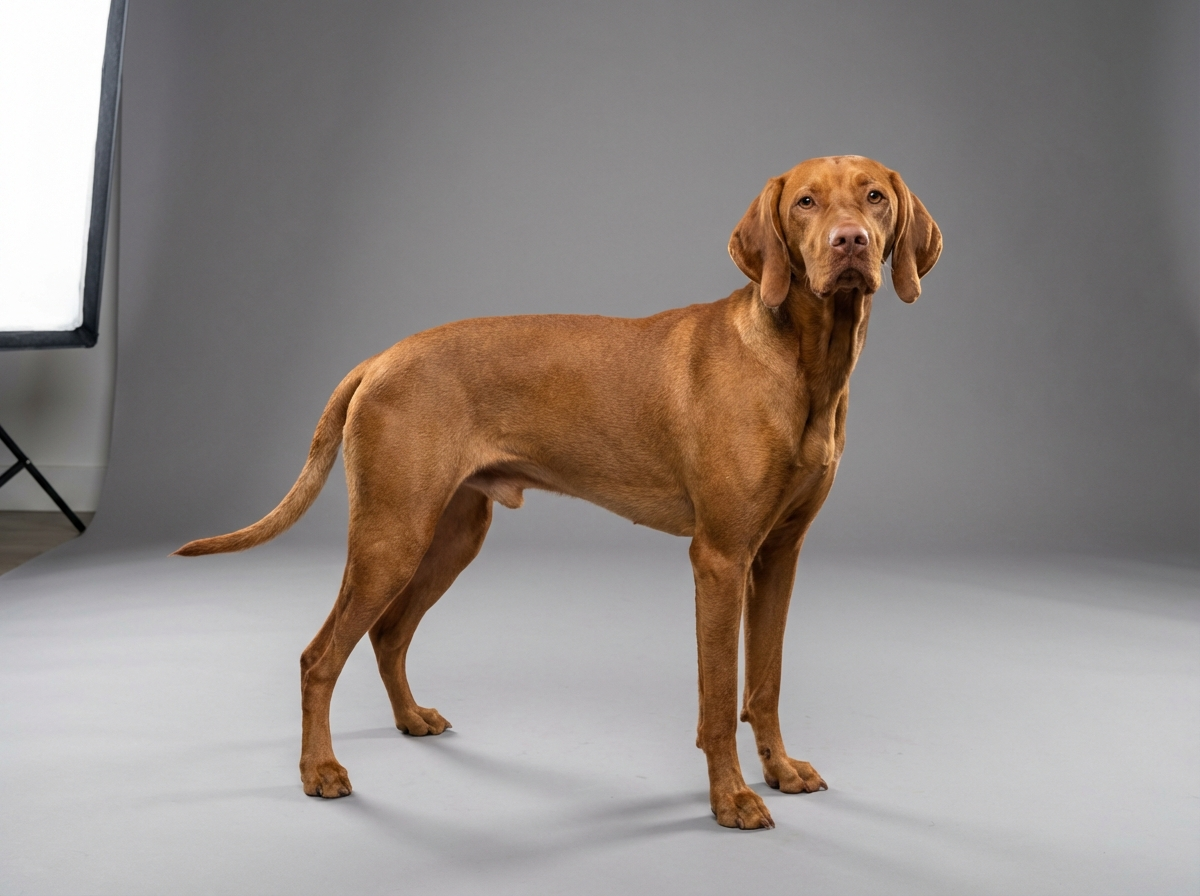
Vizsla myxomatous mitral valve disease (MMVD) is a serious heart condition that affects many Vizslas. Understanding this disease is crucial for responsible ownership.

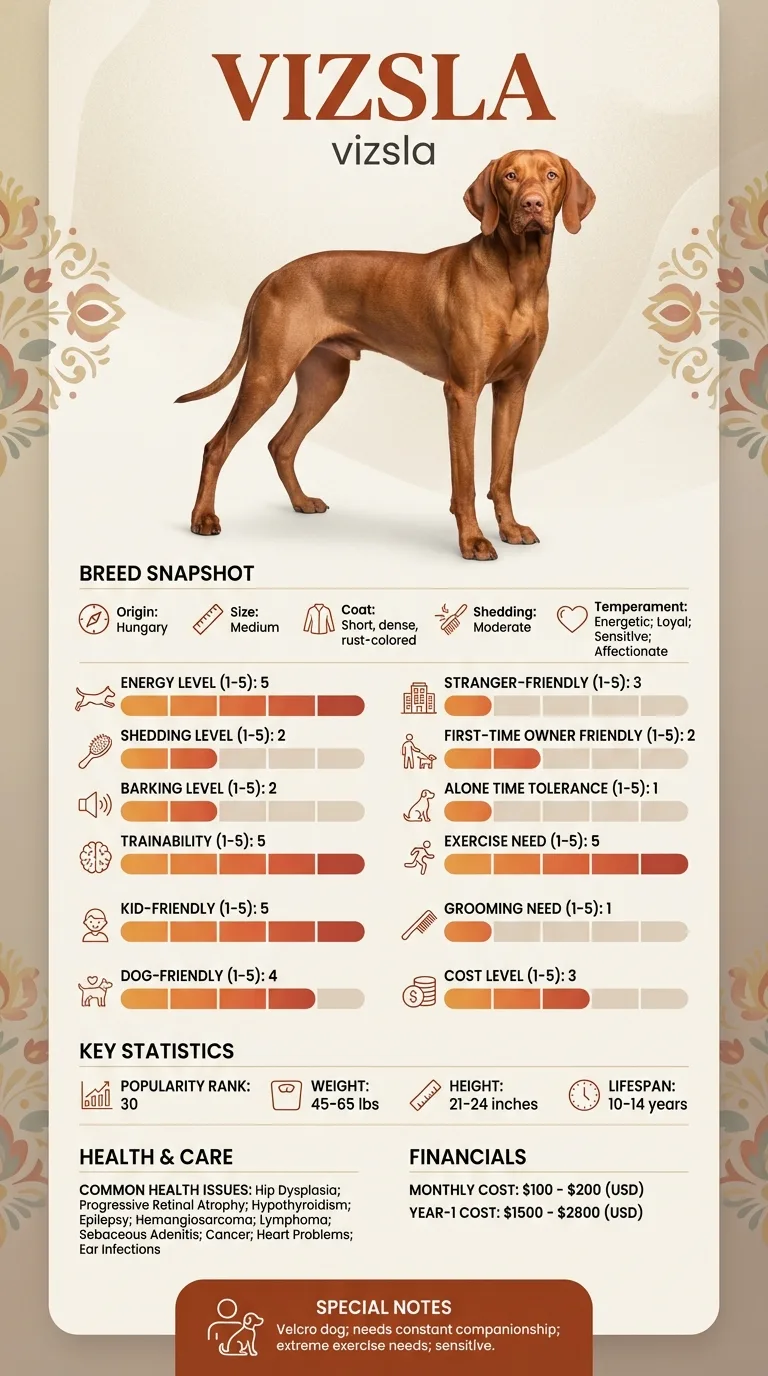
Vizsla Myxomatous Mitral Valve Disease (MMVD): What You Need to Know infographic

Owners who love their active and affectionate Vizslas often struggle with MMVD. Many first-time dog owners may not realize their dog is at risk, especially as they age. Understanding this disease is essential for keeping your companion healthy and happy.

Important reminder

This guide is not medical advice. If your dog shows pain, sudden behavior change, or worsening symptoms, consult a licensed veterinarian.

Some links may be affiliate links. We may earn a commission at no extra cost to you. We only suggest products we believe are helpful for dog owners.

What this problem looks like

Vizslas are prone to myxomatous mitral valve disease (MMVD), a heart condition that affects their quality of life. This disease can lead to symptoms like coughing, fatigue, and difficulty breathing as it progresses. Owners may notice their dogs struggling during exercise or having decreased energy, which can be alarming and frustrating.

Common triggers

  • Genetic predisposition due to breed characteristics
  • Age, as older Vizslas are more susceptible
  • Obesity, which can exacerbate heart issues

Myxomatous mitral valve disease (MMVD) is quite common in Vizslas, with many showing signs as they age. Approximately 20-30% of Vizslas may develop this condition, especially over the age of 10. Regular veterinary check-ups are crucial to catch early symptoms and manage this disease effectively.

Why this happens

Breed factors

Myxomatous mitral valve disease (MMVD) is common in Vizslas due to their genetic predisposition. This breed has a higher likelihood of developing heart issues as they age, particularly if they have a family history of heart disease. Their energetic nature and sensitivity may also contribute to stress-related heart conditions.

Environment factors

The environment can impact a Vizsla's heart health significantly. Factors like a sedentary lifestyle, poor diet, or lack of exercise can exacerbate the condition. Additionally, high-stress situations or inadequate companionship may lead to anxiety, worsening their heart issues.

What you can try

At-home strategies

  • Establish a balanced diet rich in omega-3 fatty acids and low in sodium to support heart health.
  • Ensure regular, moderate exercise, like daily walks or play sessions, to keep your Vizsla active without overexertion.
  • Monitor your dog's weight and adjust food portions accordingly to prevent obesity, which can strain the heart.
  • Create a calming environment with comfortable spaces and toys to reduce stress and anxiety.
  • Practice gentle training techniques that promote relaxation, such as positive reinforcement and basic commands.

When to consider a trainer

If your Vizsla shows signs of anxiety or behavioral issues, consider working with a professional trainer. A trainer can help develop strategies tailored to your dog's needs and improve their confidence in stressful situations. This is especially important if their anxiety impacts their daily life.

When to talk to your vet

If you notice any symptoms like coughing, lethargy, or difficulty breathing, consult your veterinarian immediately. Regular check-ups are crucial for early detection and management of MMVD. If your dog has a known history of heart disease, routine vet visits become even more essential.

Realistic expectations

Managing Vizsla myxomatous mitral valve disease (mmvd) typically requires ongoing monitoring and adjustments over several months. Initially, you may notice gradual changes in your dog's energy levels and behavior, and it may take 4 to 6 weeks to see improvements with treatment.

Success means your Vizsla maintains a good quality of life, continues to enjoy activities, and shows stable health indicators. Regular vet check-ups, appropriate medications, and a tailored exercise plan will help manage the condition effectively.

Mistakes that make this worse

Avoiding these common mistakes can help your Vizsla with myxomatous mitral valve disease (MMVD) feel better and live a longer, healthier life.

  • Ignoring regular vet check-ups: Skipping routine visits can delay diagnosis and treatment of MMVD. Schedule regular check-ups to monitor your Vizsla's heart health.
  • Overfeeding or poor diet: A diet high in unhealthy fats can worsen heart conditions. Focus on a balanced diet recommended by your vet to maintain a healthy weight.
  • Inadequate exercise: While Vizslas need exercise, too much during flare-ups can be harmful. Adjust their activity level according to their health status and consult your vet for a tailored plan.
  • Neglecting dental care: Poor dental health can affect heart conditions. Regularly brush your Vizsla's teeth and provide dental chews to improve their overall health.
  • Skipping medications: If your vet prescribes medication for MMVD, be consistent with dosages. Missing doses can lead to worsening symptoms.
  • Not observing behavior changes: Changes in your Vizsla's activity or mood can indicate worsening health. Pay close attention and report any changes to your vet promptly.
  • Avoiding stress management: Stress can exacerbate heart problems. Create a calm environment and develop routines to help your Vizsla feel secure.

When Vizsla Myxomatous Mitral Valve Disease (MMVD) is an Emergency

Understanding when Vizsla myxomatous mitral valve disease (MMVD) becomes an emergency is crucial for your pet's health. Certain symptoms require immediate action, while others may allow for a watch-and-wait approach. This can help you make the right decisions and keep your furry friend safe.

If you notice any of the following red-flag signs, call your vet right away: - Severe coughing or difficulty breathing. - Collapse or fainting episodes. - Swelling in the abdomen or legs. These symptoms can indicate that the heart is seriously compromised and needs urgent medical attention.

On the other hand, if your Vizsla exhibits mild symptoms like occasional coughing or fatigue after exercise, you can monitor these at home. Keep a close watch over the next few days. Track their energy levels and any changes in eating or drinking habits. If symptoms persist or worsen, it's time to consult your veterinarian. Regular check-ups can also help catch any worsening conditions early.

Being proactive about your Vizsla's health can make a significant difference. Remember, while some symptoms are alarming, others may simply require adjustments in lifestyle or treatment plans. Always trust your instincts; when in doubt, reach out to your vet for guidance.

Vizsla Myxomatous Mitral Valve Disease (MMVD): What You Need to Know - When Vizsla Myxomatous Mitral Valve Disease (MMVD) is an Emergency

A Heartfelt Journey with Bella and MMVD

When Sarah adopted Bella, her energetic Vizsla, she was overjoyed. But after a few years, Bella started showing signs of fatigue and a persistent cough. After a vet visit, Bella was diagnosed with myxomatous mitral valve disease (mmvd). Initially overwhelmed, Sarah learned about the condition and how to manage it. She adjusted Bella's diet, started heart medications, and created a gentler exercise routine. Gradually, Bella regained her pep, enjoying daily walks and playtime, though with more breaks than before.

Key takeaway: With patience and proper care, you can help your Vizsla thrive even with a heart condition. Understanding and adapting to their needs is key to maintaining their happiness and health.

Frequently asked questions

What is Vizsla myxomatous mitral valve disease (mmvd)?

Vizsla myxomatous mitral valve disease (mmvd) is a common heart condition in Vizslas. It involves the degeneration of the mitral valve, leading to heart failure if untreated. Regular vet check-ups are crucial for early detection.

Why does my Vizsla have myxomatous mitral valve disease (mmvd)?

The exact cause of Vizsla myxomatous mitral valve disease (mmvd) isn't fully understood, but genetics plays a significant role. Older dogs, particularly those over the age of 10, are at a higher risk. Keeping an eye on your dog's health and getting regular check-ups can help manage this condition.

How can I prevent my Vizsla from developing myxomatous mitral valve disease (mmvd)?

While you can't fully prevent Vizsla myxomatous mitral valve disease (mmvd), maintaining a healthy lifestyle can help. This includes providing a balanced diet, regular exercise, and routine veterinary care. Early identification through regular check-ups can also mitigate risks.

What are the symptoms of myxomatous mitral valve disease (mmvd) in Vizslas?

Symptoms of Vizsla myxomatous mitral valve disease (mmvd) may include coughing, difficulty breathing, and lethargy. If you notice these signs, consult your vet immediately for evaluation and potential treatment options.

What treatment options are available for myxomatous mitral valve disease (mmvd)?

Treatment for Vizsla myxomatous mitral valve disease (mmvd) often includes medication to manage symptoms and improve heart function. In some cases, surgery may be an option. Always discuss the best treatment plan with your veterinarian.

Can my Vizsla live a normal life with myxomatous mitral valve disease (mmvd)?

Yes, many Vizslas can live a relatively normal life with proper management of myxomatous mitral valve disease (mmvd). Regular vet visits and adherence to treatment plans can help maintain their quality of life.

What are the early signs of myxomatous mitral valve disease (MMVD) in Vizslas?

Early signs of Vizsla myxomatous mitral valve disease (MMVD) can include coughing, difficulty breathing, and decreased exercise tolerance. You may also notice your dog becoming more lethargic or losing interest in activities they once enjoyed. If you observe these symptoms, it's crucial to consult your vet as soon as possible.

How can I manage my Vizsla's myxomatous mitral valve disease (MMVD) at home?

Managing your Vizsla with MMVD at home involves providing a low-stress environment and ensuring they have regular vet check-ups. You should monitor their weight and activity levels, as excessive strain can worsen their condition. Additionally, consider modifying exercise routines to include gentle walks rather than intense play.

Is there a specific diet for Vizslas with myxomatous mitral valve disease (MMVD)?

While there isn't a one-size-fits-all diet for Vizslas with MMVD, a heart-healthy diet low in sodium is often recommended. Consult your veterinarian for specific dietary guidelines tailored to your dog's needs, including any necessary supplements that may support heart health.

When should I seek emergency care for my Vizsla with MMVD?

Seek emergency care for your Vizsla if they experience severe difficulty breathing, excessive coughing, or fainting spells. Swollen abdomen or sudden lethargy can also indicate a serious issue. Immediate veterinary attention is essential in these situations to prevent potential complications.

Can my Vizsla live a normal life with myxomatous mitral valve disease (MMVD)?

Yes, many Vizslas with myxomatous mitral valve disease (MMVD) can live a relatively normal life with proper management and care. Regular check-ups, a suitable diet, and adjusted exercise can help maintain their quality of life. However, always stay vigilant and communicate with your veterinarian for the best outcomes.

Quick answers

View more answers
Health

What are quick tips for managing Vizsla myxomatous mitral valve disease (mmvd)?

Regular vet check-ups, a balanced diet, and appropriate exercise are key for managing Vizsla myxomatous mitral valve disease (mmvd). Monitor your dog's symptoms closely and follow your vet's recommendations.

Living

How can I support my Vizsla with myxomatous mitral valve disease (mmvd)?

Support your Vizsla by providing a comfortable environment, minimizing stress, and ensuring they have a healthy diet. Regular exercise tailored to their condition is also important.

Behavior

What should I avoid if my Vizsla has myxomatous mitral valve disease (mmvd)?

Avoid over-exertion and stressful situations, as these can worsen your Vizsla's condition. Limit high-impact activities and consult your vet for guidance on suitable exercise routines.

Costs

What are the costs associated with treating Vizsla myxomatous mitral valve disease (mmvd)?

Costs for treating Vizsla myxomatous mitral valve disease (mmvd) can range from $100 to $200 monthly, depending on medications and vet visits. Expect higher costs if surgery is required.

Related DogBreedCompass guides

  • Vizsla common health issuesLearn more about the common health issues that can affect Vizslas, including MMVD.
  • Vizsla separation anxiety guideUnderstand how to help your Vizsla cope with separation anxiety, a common issue for this breed.
  • Vizsla training strategiesDiscover effective training techniques for Vizslas, especially important for managing MMVD.
  • Vizsla ownership costsFind out the costs associated with owning a Vizsla, which can help in planning for health care like MMVD.
  • Vizsla behavior problemsExplore behavior problems commonly seen in Vizslas, which can relate to health issues like MMVD.

Related guides