DogBreedCompass
← Back to breed profile

Vizsla Legg-Calvé-Perthes Disease: What You Need to Know

Vizsla Legg-Calvé-Perthes disease is a painful hip condition that affects your dog's mobility.

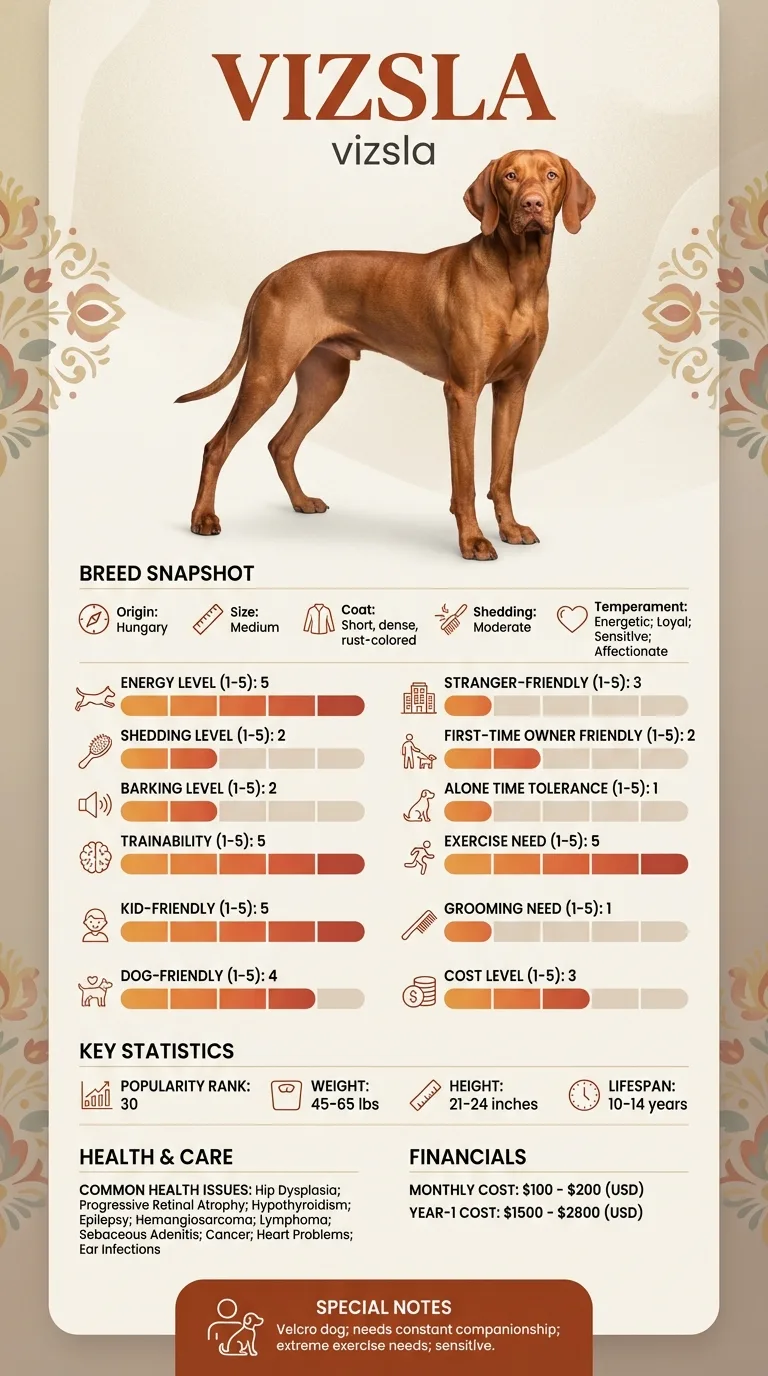
Vizsla Legg-Calvé-Perthes Disease: What You Need to Know infographic

Owners of Vizslas, especially those with active lifestyles, often struggle with this issue. If your Vizsla is limping or seems uncomfortable, understanding this condition is crucial for their well-being.

Important reminder

This guide is not medical advice. If your dog shows pain, sudden behavior change, or worsening symptoms, consult a licensed veterinarian.

Some links may be affiliate links. We may earn a commission at no extra cost to you. We only suggest products we believe are helpful for dog owners.

What this problem looks like

Vizsla legg-calvé-perthes disease is a condition that affects the hip joint, leading to pain and mobility issues in your dog. Typically, it manifests as limping or reluctance to engage in activities like running or jumping. This disease is most common in young Vizslas, often showing symptoms around six months to two years of age.

Common triggers

  • Genetic predisposition
  • Injury or trauma to the hip area
  • Inadequate nutrition during growth stages

Legg-calvé-perthes disease is relatively common in Vizslas compared to other breeds. While not every Vizsla will experience this issue, awareness and early detection are crucial for effective management.

Why this happens

Breed factors

Vizslas are medium-sized dogs prone to specific genetic conditions, including Legg-Calvé-Perthes disease. This disease occurs when the blood supply to the hip joint is disrupted, leading to deterioration of the femoral head. Some Vizslas may inherit a predisposition to this condition due to their breeding background.

Environment factors

Environmental factors can also contribute to Legg-Calvé-Perthes disease. For instance, excessive weight, injury, or lack of proper nutrition can increase the likelihood of hip problems. A high-energy breed like the Vizsla requires regular exercise, and inadequate activity can lead to joint issues.

What you can try

At-home strategies

  • Maintain a healthy weight for your Vizsla to reduce stress on their hips. Measure their food portions and adjust based on their activity level.
  • Provide low-impact exercises, such as gentle walks or swimming, to keep your dog active without overstraining their joints.
  • Create a comfortable resting area with soft bedding to help support your dog's joints. Avoid stairs when possible to minimize strain.

When to consider a trainer

If your Vizsla shows signs of discomfort or difficulty moving, consult a professional dog trainer. They can develop a tailored exercise plan that accommodates your dog's needs.

When to talk to your vet

If you notice persistent limping, difficulty in getting up, or changes in behavior, it's time to talk to your vet. They can provide a proper diagnosis and treatment options for Legg-Calvé-Perthes disease.

Realistic expectations

With proper care and intervention, you can expect to see improvement in your Vizsla's mobility within 4 to 6 weeks. Full recovery may take around 3 to 6 months, depending on the severity of the disease and the treatment approach.

Success means your Vizsla regains normal mobility, enjoys playtime without pain, and can participate in activities they love, like running and fetching. Regular vet check-ups and following a structured rehabilitation plan are essential for long-term well-being.

Mistakes that make this worse – Vizsla legg-calvé-perthes disease

Avoiding certain behaviors can help prevent worsening of Vizsla legg-calvé-perthes disease. Here are common mistakes to steer clear of.

  • Ignoring Symptoms: Many owners overlook early signs of limping or reluctance to exercise. This can delay treatment and worsen the condition. Regular check-ins with a vet are crucial.
  • Overexerting Your Dog: While exercise is important, pushing your Vizsla too hard can exacerbate their pain. Instead, opt for controlled, low-impact activities like short walks or swimming.
  • Neglecting Weight Management: Extra weight puts additional stress on your Vizsla's hips. Keeping their diet balanced and monitoring portions can help maintain a healthy weight.
  • Disregarding Vet Recommendations: Sometimes owners skip follow-up appointments or prescribed treatments. Sticking to veterinary advice is essential for proper management.
  • Using Inappropriate Training Techniques: Harsh training methods can increase stress and anxiety, making symptoms worse. Positive reinforcement is a more effective and gentle approach.
  • Failing to Provide a Comfortable Resting Area: A hard or uncomfortable bed can worsen joint pain. Ensure your Vizsla has a soft, supportive place to rest.
  • Avoiding Physical Therapy: Some owners think physical therapy is unnecessary. However, it can significantly improve mobility and comfort for your dog.

When It Is an Emergency

Understanding when Vizsla legg-calvé-perthes disease becomes an emergency is crucial for your dog's health. If you notice severe signs like your dog not bearing weight on the affected leg, sudden swelling, or intense pain when touched, it's time to call your vet immediately. These symptoms indicate serious complications that could worsen without prompt care.

Vizsla Legg-Calvé-Perthes Disease: What You Need to Know - When It Is an Emergency

When to Watch and Wait

In milder cases, your Vizsla may show slight limping or reluctance to jump. These signs can often be monitored at home. Keep an eye on their behavior, and create a plan that includes limited activity and regular check-ins with your veterinarian to assess any changes.

Vizsla Legg-Calvé-Perthes Disease: What You Need to Know - When to Watch and Wait

Emma's Journey with Benny and Legg-Calvé-Perthes Disease

Emma, a busy nurse in Chicago, adopted Benny, a lively Vizsla, who suddenly started limping at just over a year old. After a vet diagnosis of Legg-Calvé-Perthes disease, she felt overwhelmed. She followed a treatment plan that included medication, rest, and physical therapy. Gradually, Benny's limp improved, and he was able to return to his favorite game of fetch within a few months.

Key takeaway: With the right approach and patience, you can help your Vizsla thrive despite health challenges. Consistent care, regular vet visits, and a supportive environment are key to recovery.

Frequently asked questions

Why does my Vizsla have legg-calvé-perthes disease?

Vizsla legg-calvé-perthes disease is caused by a lack of blood supply to the hip joint, leading to bone necrosis. While genetics can play a role, factors like poor diet, lack of exercise, and obesity can exacerbate the condition. Regular vet check-ups can help catch early signs.

What are the symptoms of legg-calvé-perthes disease in Vizslas?

Common symptoms include limping, difficulty walking, and pain in the hip area. You might also notice your Vizsla being less active or reluctant to play. Keep an eye on their behavior, especially after exercise.

How can I help my Vizsla with legg-calvé-perthes disease?

Supporting your Vizsla starts with a vet visit for a proper diagnosis and treatment plan. Physical therapy and controlled exercise can help manage symptoms. Weight management is crucial to reduce stress on their hips.

Is surgery necessary for a Vizsla with legg-calvé-perthes disease?

In some cases, surgery may be necessary to relieve pain and restore mobility. Your vet will assess the severity of the condition to determine the best course of action. Early intervention often leads to better outcomes.

What training techniques can help my Vizsla with this condition?

Gentle training techniques that focus on low-impact exercises can be beneficial. Avoid high-impact activities like jumping or running. Positive reinforcement can help keep training stress-free and enjoyable while accommodating their limitations.

What are the signs that my Vizsla has legg-calvé-perthes disease?

Signs of legg-calvé-perthes disease in your Vizsla can include limping, reluctance to run or jump, and difficulty getting up after resting. You might also notice decreased activity levels and pain when touching their hip area. If you see these symptoms, it's important to consult your vet.

Can legg-calvé-perthes disease affect older Vizslas?

Legg-calvé-perthes disease typically occurs in younger dogs, especially between 4 to 6 months old. However, older Vizslas can experience similar symptoms due to other hip issues. Always consult with your vet to determine the specific problem.

Is surgery necessary for a Vizsla with legg-calvé-perthes disease?

Surgery is often recommended for dogs with severe cases of legg-calvé-perthes disease to alleviate pain and improve mobility. Your vet will evaluate your dog's condition and recommend the best treatment options, which may include surgery or physical therapy.

How can I help my Vizsla cope with legg-calvé-perthes disease at home?

To support your Vizsla, provide a comfortable and soft resting area and limit their physical activity as advised by your vet. Gentle leash walks can help maintain mobility without overexertion. Always follow your vet's recommendations for at-home care.

Are there any preventative measures for legg-calvé-perthes disease in Vizslas?

While legg-calvé-perthes disease is largely genetic and can't be completely prevented, ensuring your Vizsla maintains a healthy weight and receives regular check-ups can help identify issues early. Proper nutrition and avoiding excessive jumping or rough play may also reduce risks.

Quick answers

View more answers
Behavior

What are quick tips for managing Vizsla legg-calvé-perthes disease?

Maintain a healthy weight and provide controlled, low-impact exercise. Regular vet visits are essential for monitoring the condition. Consider physical therapy for additional support.

Costs

How much does it cost to treat legg-calvé-perthes disease in Vizslas?

Treatment costs can vary widely, ranging from $1,500 to $3,000, depending on whether surgery is needed and ongoing care. Always check with your vet for an accurate estimate.

Health

Can diet help with legg-calvé-perthes disease in Vizslas?

Yes, a balanced diet that supports joint health is crucial. Consult your vet to ensure your Vizsla is getting the right nutrients to manage their condition effectively.

Related DogBreedCompass guides

  • Vizsla separation anxiety guideLearn how to manage your Vizsla's anxiety related to their health.
  • Vizsla behavior problemsExplore common behavior issues for Vizslas and how to address them.
  • Vizsla legg-calvé-perthes disease trainingFind effective training methods for managing Legg-Calvé-Perthes disease.
  • Vizsla cost breakdownUnderstand the costs associated with owning a Vizsla and potential health issues.
  • Vizsla care and exercise needsGet insights on the energy needs and care for Vizslas with health issues.

Related guides