Behavior
What should I do if my Vizsla has elbow dysplasia?
If your Vizsla has elbow dysplasia, consult your vet for a proper diagnosis and treatment plan. Weight management and low-impact exercises are often recommended.

Quick answer
What should I do if my Vizsla has elbow dysplasia?
If your Vizsla has elbow dysplasia, consult your vet for a proper diagnosis and treatment plan. Weight management and low-impact exercises are often recommended.
Vizsla elbow dysplasia is a common health issue among this breed, affecting their mobility and comfort.
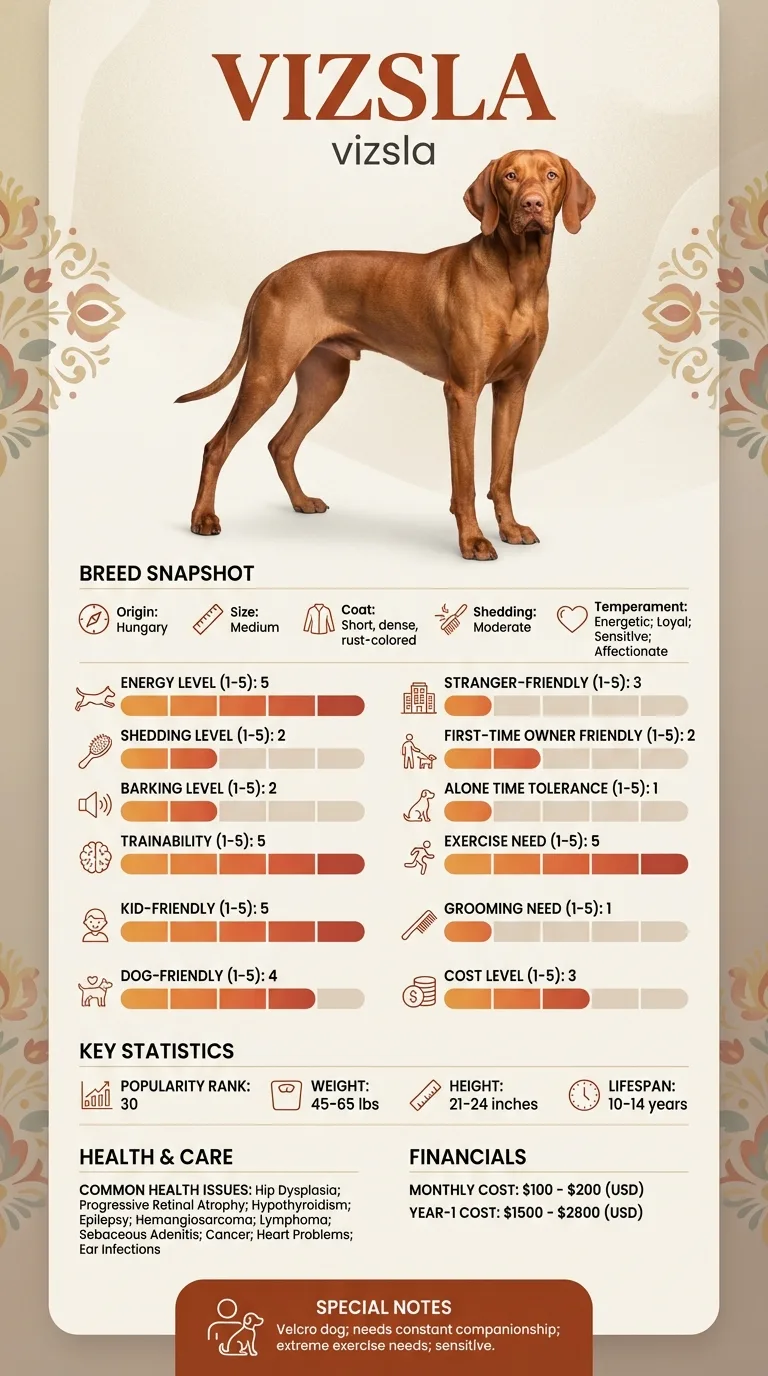
Owners of Vizslas, especially those with active lifestyles or who engage in regular outdoor activities, often face challenges with this condition. New pet owners may find it particularly hard to manage the symptoms and ensure their dog's well-being.
This guide is not medical advice. If your dog shows pain, sudden behavior change, or worsening symptoms, consult a licensed veterinarian.
Some links may be affiliate links. We may earn a commission at no extra cost to you. We only suggest products we believe are helpful for dog owners.
We research and check what we publish, but we do not warrant that any figure, date, price, or statement is accurate, complete, or current, and we accept no liability for any loss, cost, injury, or other harm arising from the use of this site. Use it as one reference among several. You remain responsible for your own decisions and for your dog's care - confirm anything that matters with a licensed veterinarian or another qualified professional before you act on it. Full disclaimer.
Check this first
Recognizing when your Vizsla's elbow dysplasia is an emergency can make a significant difference in their health. If your dog shows severe signs of pain, such as yelping when touched or refusing to put weight on their front legs, these are red flags. Other symptoms that warrant immediate vet attention include swelling around the elbow joint, noticeable limping, or if your dog appears lethargic and is not eating or drinking.
In contrast, mild cases of elbow dysplasia can often be monitored at home. If your Vizsla is occasionally limping but still eager to play, or if they show mild discomfort after exercise, it may be manageable with a treatment plan. Keeping a close eye on their activity level and adjusting as needed can help. Regular check-ins with your vet are crucial to ensure the condition does not worsen.
Always trust your instincts. If something feels off with your dog's behavior or health, it's better to err on the side of caution and consult your vet. Early intervention can prevent more serious issues down the line.
If any of these apply, call your vet or an emergency clinic now. The rest of this page is for the cases that are not an emergency.
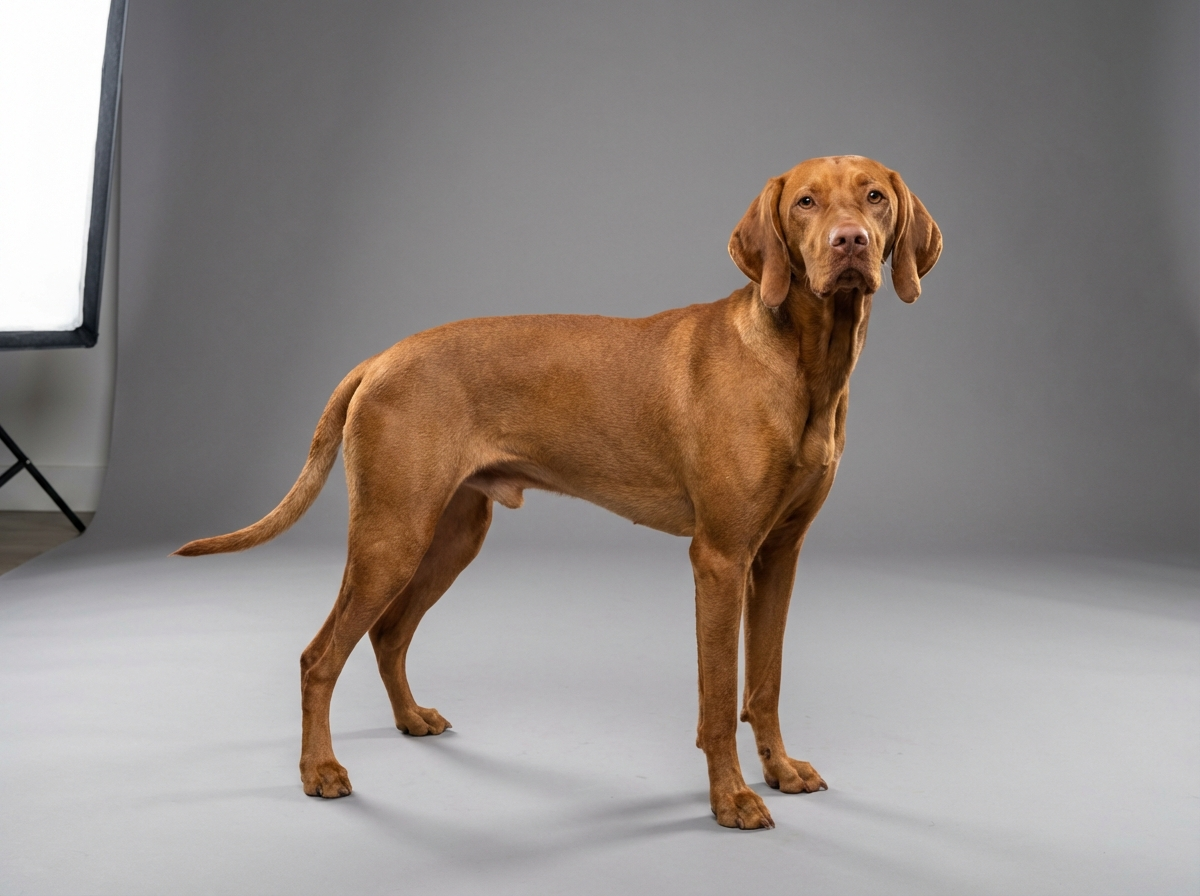
Vizsla elbow dysplasia is a common joint issue that affects the dog's elbows, leading to pain and mobility problems. Day-to-day, you might notice your Vizsla limping, having difficulty standing, or being hesitant to engage in activities they usually enjoy, like running or playing fetch. This condition can stem from genetics, rapid growth, or excessive exercise, especially in young dogs.
Elbow dysplasia is relatively common in Vizslas, particularly in younger dogs or those engaged in high-impact activities. It's essential to monitor their activity levels and seek veterinary advice if you notice any signs of discomfort.
Vizslas are prone to elbow dysplasia due to their genetic makeup. This breed is medium-sized and energetic, which can contribute to the stress on their joints. The condition often arises from inherited traits that affect joint structure and stability.
Elbow dysplasia can also be influenced by environmental factors. Excessive weight, rapid growth, and high-impact activities can exacerbate the issue. Inadequate exercise or poor diet can contribute to joint malformation in young Vizslas.
If you notice persistent limping, swelling, or signs of pain in your Vizsla, it’s important to consult a vet. Early intervention can help manage symptoms and prevent further damage.
Avoiding common mistakes can significantly improve your Vizsla's elbow dysplasia situation. Here are some behaviors to watch out for and safer alternatives.
Start here: Vizsla Most Common Genetic Disorders: What to Screen For
See all Vizsla health problems, which breeds are prone to elbow dysplasia, or the full Vizsla breed guide for temperament, exercise needs and ownership costs.
Managing Vizsla elbow dysplasia typically takes several months of consistent care and follow-up with your vet. You may start seeing improvement in your dog's mobility and comfort within 6 to 12 weeks, but full management may take longer.
Success means your Vizsla experiences less pain, improved joint function, and can enjoy regular activities without distress. You should also see better engagement in training and a happier demeanor overall.
Mia, a busy nurse in Chicago, noticed her Vizsla Max limping after playtime. After a vet visit, she learned Max had elbow dysplasia. Initially overwhelmed, Mia committed to a balanced approach involving gentle exercises, weight management, and training to enhance Max's joint strength. With patience and regular vet check-ups, she saw him regain more energy and playfulness within a few months. Mia also found joy in their daily routines, focusing on training that respected Max's limits.
Key takeaway: With a structured plan and support, managing Vizsla elbow dysplasia can lead to a happier, more active dog.
Elbow dysplasia in Vizslas can be caused by genetic factors, improper nutrition, or rapid growth in puppies. Overexercising young dogs can also contribute to joint issues. Consulting with a vet can help determine the exact cause in your dog.
To help a Vizsla with elbow dysplasia, you should ensure they maintain a healthy weight and avoid high-impact activities. Regular, low-impact exercise, like walking or swimming, can help keep their joints healthy. Always follow your vet's advice on exercise and treatment options.
Treatment options for Vizsla elbow dysplasia include weight management, physical therapy, and medications to reduce pain and inflammation. In severe cases, surgery may be recommended. Discuss these options with your veterinarian to find the best plan.
Training can help by teaching your Vizsla commands that promote controlled movement, reducing stress on their joints. It's best to focus on gentle training methods and avoid exercises that could exacerbate the condition. Consult with a trainer experienced in working with dogs with health issues.
Early signs of Vizsla elbow dysplasia can include limping, difficulty rising, and reduced activity levels. You might also notice your dog being reluctant to play or engage in regular exercise.
Yes, elbow dysplasia can worsen as your Vizsla ages. It's important to monitor their mobility and comfort levels, as arthritis can develop over time, leading to increased pain and stiffness.
Managing Vizsla elbow dysplasia at home includes providing a comfortable resting area, maintaining a healthy weight, and implementing a low-impact exercise routine. Always consult with your vet for tailored advice.
Surgery for your Vizsla's elbow dysplasia might be necessary if they experience severe pain or mobility issues despite conservative management. Discuss surgical options with your vet to determine the best course of action.
If your Vizsla has elbow dysplasia, consult your vet for a proper diagnosis and treatment plan. Weight management and low-impact exercises are often recommended.
To help prevent elbow dysplasia, ensure your Vizsla has a balanced diet and avoid excessive exercise during their growth phase. Regular vet check-ups can also help catch issues early.
Keep your Vizsla at a healthy weight, engage in low-impact exercises, and follow a vet-approved care plan to manage elbow dysplasia effectively.
Treating Vizsla elbow dysplasia can range from $100 to $200 monthly for medications and therapy, while surgical options can significantly increase costs. Always discuss financial plans with your vet.
A one-page prep sheet for this condition: the signs, the questions to ask, what to get priced. Unlocks here.
You get: Vet visit prep sheet
No spam. One-click unsubscribe. See our privacy policy.
Preview page 1 before you decide.