Health
What should I feed my Vizsla with DCM?
Feed your Vizsla a heart-healthy diet rich in omega-3 fatty acids and low in sodium. Consult your vet for specific dietary recommendations.

Quick answer
What should I feed my Vizsla with DCM?
Feed your Vizsla a heart-healthy diet rich in omega-3 fatty acids and low in sodium. Consult your vet for specific dietary recommendations.
Vizsla dilated cardiomyopathy (DCM) is a serious heart condition that can affect your beloved dog. It can lead to severe health issues and sudden cardiac death if not managed properly.
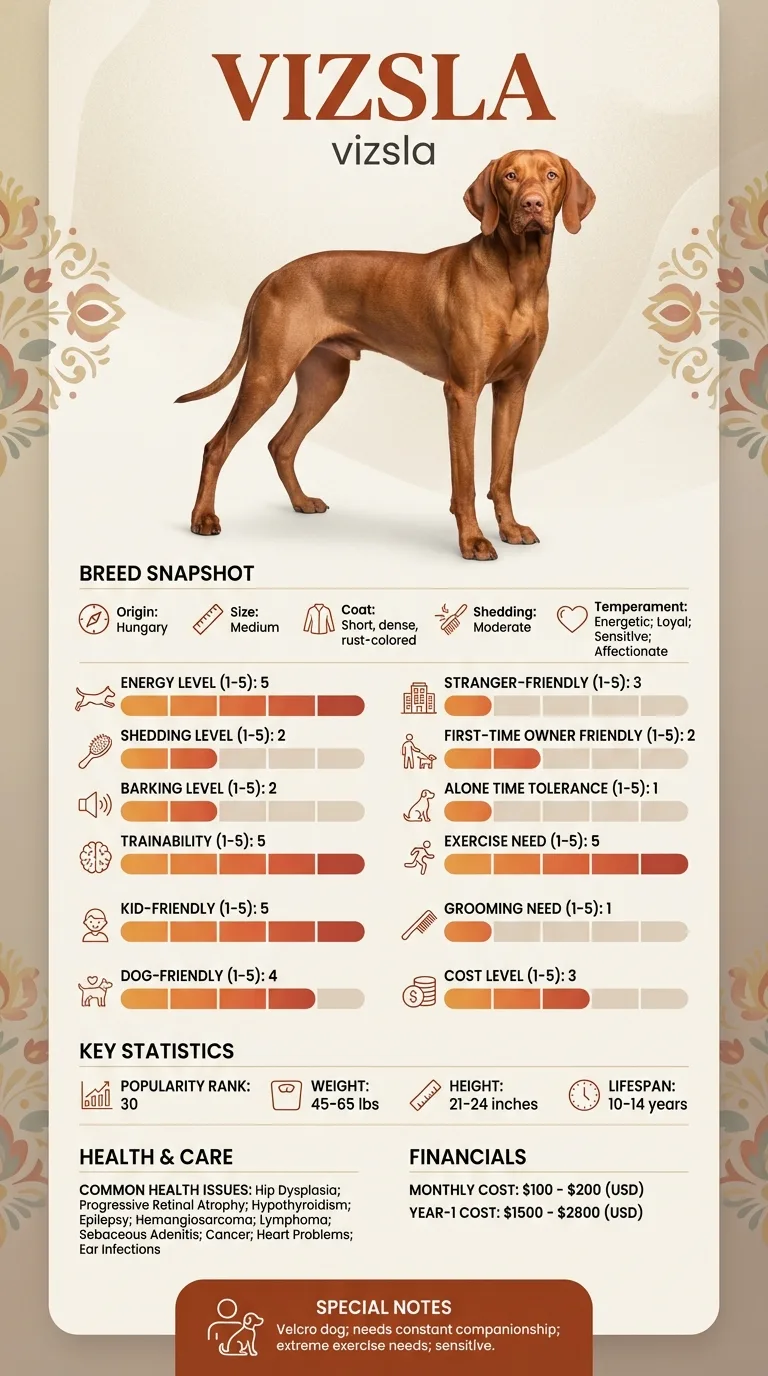
Many Vizsla owners, especially those who are new to the breed, may struggle with recognizing the symptoms and managing the implications of DCM. Busy families and individuals who might not know how to navigate this complex health issue often feel overwhelmed.
This guide is not medical advice. If your dog shows pain, sudden behavior change, or worsening symptoms, consult a licensed veterinarian.
Some links may be affiliate links. We may earn a commission at no extra cost to you. We only suggest products we believe are helpful for dog owners.
We research and check what we publish, but we do not warrant that any figure, date, price, or statement is accurate, complete, or current, and we accept no liability for any loss, cost, injury, or other harm arising from the use of this site. Use it as one reference among several. You remain responsible for your own decisions and for your dog's care - confirm anything that matters with a licensed veterinarian or another qualified professional before you act on it. Full disclaimer.
Check this first
Urgent signs include sudden lethargy, difficulty breathing, or a collapse. If your Vizsla exhibits any of these symptoms, call your vet immediately. These can indicate severe heart issues that need prompt treatment.
Milder cases may include occasional coughing, slight exercise intolerance, or decreased appetite. If your Vizsla shows these symptoms but is still active and responsive, you can monitor them closely. Keep a record of any changes and consult your vet if symptoms persist or worsen over a few days.
It's essential to understand your dog's behavior and health patterns. If you're ever in doubt, it's better to err on the side of caution. Always trust your instincts when it comes to your Vizsla's well-being.
If any of these apply, call your vet or an emergency clinic now. The rest of this page is for the cases that are not an emergency.
Vizsla dilated cardiomyopathy (DCM) is a serious heart condition that affects the breed, often leading to severe health issues. Owners might notice symptoms like lethargy, coughing, difficulty breathing, or fainting spells. This condition can be especially alarming as it may lead to sudden cardiac death in affected dogs.
DCM is one of the most common cardiac diseases seen in Vizslas, with a significant number of cases reported. It is particularly prevalent in older dogs, typically over the age of 5, and can occur even in seemingly healthy individuals. Regular vet check-ups can help catch this condition early.
Vizslas are prone to dilated cardiomyopathy (DCM) due to genetic factors. This condition weakens the heart muscle, leading to reduced blood flow and potential heart failure. As a breed, they are more susceptible to heart issues, which can diminish their overall health.
Environmental factors can also play a role in DCM. Stress, lack of exercise, and poor nutrition may exacerbate heart conditions. Additionally, exposure to toxins or certain medications can contribute to heart problems in Vizslas.
Consult your vet if you notice symptoms like coughing, difficulty breathing, or lethargy in your Vizsla. These could indicate worsening heart conditions. Regular check-ups are essential for early detection and management of DCM.
Many Vizsla owners unintentionally reinforce dilated cardiomyopathy (DCM) issues. Here are common mistakes and better alternatives.
Start here: Vizsla Most Common Genetic Disorders: What to Screen For
See all Vizsla health problems, which breeds are prone to dilated cardiomyopathy dcm, or the full Vizsla breed guide for temperament, exercise needs and ownership costs.
Managing Vizsla dilated cardiomyopathy (DCM) is an ongoing process. Expect to see initial changes in behavior or health within a few weeks of starting treatment, but full management may take several months.
Success means your Vizsla shows improved energy levels, maintains a healthy weight, and responds well to treatment. Regular vet check-ups will help monitor heart function and adjust care as necessary.
When Lisa adopted Max, her energetic Vizsla, she was thrilled to have a companion for her morning runs. However, after a routine vet visit, Lisa learned that Max had dilated cardiomyopathy (DCM). Initially overwhelmed, she focused on managing his condition through a strict diet, regular vet check-ups, and moderate exercise. Over time, Lisa noticed that Max's energy improved, and he became more comfortable with his new routine. This adjustment not only helped Max but also strengthened their bond as they learned to enjoy calmer activities together.
Key takeaway: Understanding and managing Vizsla dilated cardiomyopathy (DCM) requires patience and commitment, but it's possible to maintain a happy, active lifestyle with the right care.
The exact cause of Vizsla dilated cardiomyopathy (DCM) is often genetic, but factors like age and overall health can also play a role. This condition is more prevalent in older dogs and can be exacerbated by other health issues. It's crucial to discuss your dog's health history with your veterinarian.
To help your Vizsla with dilated cardiomyopathy (DCM), provide a heart-healthy diet and ensure they receive regular exercise tailored to their condition. Additionally, follow your vet's recommendations for medications and routine check-ups to monitor their heart health closely.
While there is no cure for Vizsla dilated cardiomyopathy (DCM), it can be managed with medications and lifestyle changes. Your veterinarian may prescribe drugs to support heart function and regulate heart rhythm. Consistent follow-up care is crucial.
The prognosis for a Vizsla with dilated cardiomyopathy (DCM) varies based on the severity of the disease and how well it is managed. With proper care and treatment, many dogs can live a good quality of life for some time. Regular veterinary visits are essential for monitoring.
Early signs of Vizsla dilated cardiomyopathy (DCM) can include lethargy, coughing, and difficulty breathing. You might also notice decreased exercise tolerance or fainting spells. If you see these symptoms, consult your vet as soon as possible.
While diet alone won't cure Vizsla dilated cardiomyopathy (DCM), a balanced diet can support overall heart health. Look for dog foods enriched with omega-3 fatty acids and taurine, which may help. Always discuss dietary changes with your vet.
Yes, Vizsla dilated cardiomyopathy (DCM) has a genetic component, meaning it can run in families. Responsible breeding practices can help reduce the risk of passing on this condition. If you're considering a Vizsla, ask the breeder about health screenings.
Regular vet check-ups are essential for early detection of Vizsla dilated cardiomyopathy (DCM). It's generally recommended to have your dog examined at least once a year, but more frequent visits may be necessary if your dog shows symptoms or has a family history of heart issues.
Supporting a Vizsla with dilated cardiomyopathy (DCM) includes providing a calm environment, regular vet visits, and possibly medication as prescribed. Gentle exercise is important, but avoid overexertion. Always follow your vet’s guidance for managing your dog's condition.
Feed your Vizsla a heart-healthy diet rich in omega-3 fatty acids and low in sodium. Consult your vet for specific dietary recommendations.
Watch for signs like coughing, lethargy, or difficulty breathing. If you notice these symptoms, contact your vet immediately.
Engage in low-impact activities like walking or gentle play. Avoid strenuous exercise to prevent overexertion.
It's recommended to schedule vet visits every 3-6 months for monitoring. Follow your vet's advice based on your dog's condition.
Yes, heart problems can lead to changes in behavior, like increased fatigue or anxiety. Monitor any significant changes and discuss them with your vet.
A one-page prep sheet for this condition: the signs, the questions to ask, what to get priced. Unlocks here.
You get: Vet visit prep sheet
No spam. One-click unsubscribe. See our privacy policy.
Preview page 1 before you decide.