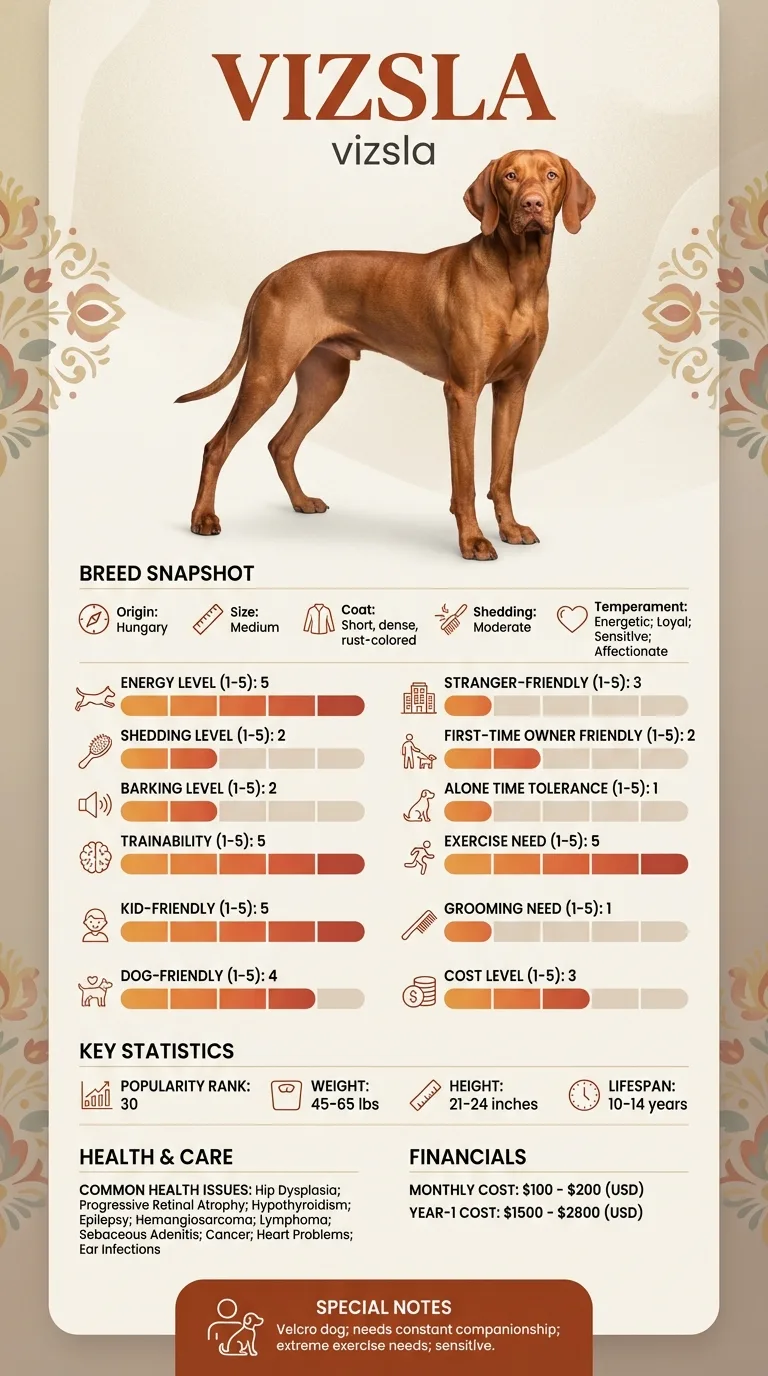
Vizsla back/spine issues can lead to serious discomfort and mobility problems. Understanding these issues is crucial for your dog's health.
First-time Vizsla owners or busy families often struggle with these issues, especially if they don't know the signs of back problems. If your furry friend seems reluctant to jump or play, it might be time to investigate.
Important reminder
This guide is not medical advice. If your dog shows pain, sudden behavior change, or worsening symptoms, consult a licensed veterinarian.
Some links may be affiliate links. We may earn a commission at no extra cost to you. We only suggest products we believe are helpful for dog owners.
What this problem looks like
Vizsla back/spine issues can manifest as discomfort, difficulty in movement, or reluctance to engage in physical activities. These problems are often caused by intervertebral disc disease, which is not uncommon in Vizslas. Owners may notice their dog having trouble jumping, playing, or even walking comfortably.
Common triggers
Age-related degeneration of the spine
Injury from vigorous play or accidents
Obesity, which puts extra strain on the spine
Genetic predisposition to spine issues
Back/spine issues are relatively common in Vizslas, particularly as they age. Many owners report seeing signs of discomfort or mobility issues in their dogs, especially if they have a history of vigorous activity or weight gain.
Why this happens
Breed factors
Vizslas are active, medium-sized dogs with high energy levels. Their physical activity can lead to strain on their backs and spines if they engage in too much jumping or rough play. Additionally, genetic factors may predispose them to intervertebral disc disease.
Environment factors
A lack of proper exercise can lead to obesity, which puts extra stress on a Vizsla's back. Additionally, living in a small space or not having enough room to run can contribute to these issues. Poor diet and lack of proper care during their formative years can also play a significant role.
What you can try
At-home strategies
Establish a consistent exercise routine that includes moderate activities, like walking or swimming, to keep your Vizsla healthy without overexerting them.
Avoid high-impact activities, such as jumping from heights or running on hard surfaces, which can worsen back issues.
Introduce stretching exercises and gentle massages to help maintain flexibility in your Vizsla's back.
When to consider a trainer
If your Vizsla shows signs of back pain or discomfort during regular activities, working with a trainer who understands canine biomechanics can help adjust their exercise routine and improve their posture.
When to talk to your vet
Consult your vet if you notice persistent limping, reluctance to play, or changes in behavior. These could be signs of serious back issues that require medical attention.
Realistic expectations
Addressing Vizsla back/spine issues may take several months of consistent training and care. Expect to see improvement within 6 to 12 weeks if you stick to a structured plan.
Success means your Vizsla shows increased mobility, reduced discomfort, and improved behavior. Regular vet visits and a tailored exercise routine will help maintain their spine health.
Mistakes that make this worse
Avoiding certain behaviors can help improve your Vizsla's back and spine issues. Here are some common mistakes and safer alternatives.
Ignoring signs of discomfort: Many owners overlook subtle signs of pain, like reluctance to jump or play. Instead, observe your Vizsla closely and consult a vet if you notice any changes.
Excessive jumping or rough play: High-impact activities can worsen back issues. Opt for low-impact exercises like walking or swimming to keep your dog active without straining their spine.
Inconsistent training: Mixed signals during training can confuse your Vizsla and contribute to anxiety. Keep training sessions consistent and positive, focusing on gentle commands and rewards.
Neglecting weight management: Overweight dogs are at higher risk for back problems. Ensure your Vizsla maintains a healthy weight through proper diet and exercise.
Skipping regular vet check-ups: Regular vet visits are essential for monitoring your Vizsla's spine health. Schedule check-ups to catch potential issues early.
Using poor-quality bedding: Inadequate support during rest can exacerbate back issues. Invest in orthopedic dog beds that provide better support for your Vizsla's spine.
Delaying treatment: Waiting too long to seek help can lead to more severe problems. If you suspect any issues, consult your vet promptly for advice and treatment options.
When Vizsla Back/Spine Issues Are an Emergency
If your Vizsla shows severe signs of pain, such as whimpering, refusing to move, or being unable to walk, you should call your vet immediately. Other emergency indicators include loss of bladder or bowel control, visible swelling in the back, or sudden changes in behavior like aggression or lethargy. These symptoms may suggest serious conditions that need urgent care.
On the other hand, if your Vizsla has mild discomfort, such as occasional stiffness or reluctance to jump, you can start by monitoring the situation. Implement a gentle exercise routine and avoid activities that strain the back. Keep an eye on their behavior and mobility, and consult your vet if symptoms persist or worsen over a few days.
In summary, trust your instincts. If you're ever unsure whether your Vizsla's back or spine issues are an emergency, it's always best to err on the side of caution and consult with your veterinarian to ensure their well-being.

Understanding Vizsla Back/Spine Issues - When Vizsla Back/Spine Issues Are an Emergency
A Journey to a Healthier Spine
Sarah, a busy nurse in Atlanta, adopted a Vizsla named Max. She noticed he was hesitant to jump and seemed to favor one side. After a vet visit, Sarah learned Max had back issues, likely due to his high energy and lack of proper conditioning. Determined to help him, she enrolled in a training program focused on gentle exercises and stretching. She also modified their playtime to include low-impact activities. Over the next few months, Sarah saw Max thrive. He became more active and less hesitant, showing a renewed zest for life.
Key takeaway: With dedication and the right support, you can help your Vizsla overcome back/spine issues and enjoy a happier, healthier lifestyle.
Frequently asked questions
Why does my Vizsla have back/spine issues?
Vizslas can suffer from back/spine issues due to their active lifestyle and genetic predispositions. Conditions like intervertebral disc disease can occur, particularly in high-energy breeds. Regular check-ups with your vet can help catch these problems early.
How can I prevent back/spine issues in my Vizsla?
To prevent back/spine issues, ensure your Vizsla gets regular exercise but avoid high-impact activities that can strain their back. Maintaining a healthy weight is crucial, as excess weight can lead to spine problems. Training your dog to avoid jumping off furniture can also help reduce strain.
What are the signs of back/spine issues in Vizslas?
Signs of back/spine issues include difficulty jumping, reluctance to play, or noticeable pain when touched along the spine. If your Vizsla seems less active or has trouble walking, it's important to consult your vet. Early intervention can make a significant difference in treatment outcomes.
What treatments are available for Vizsla back/spine issues?
Treatment options for back/spine issues include medication for pain and inflammation, physical therapy, and, in severe cases, surgery. Your vet will assess the condition and recommend the best course of action. Early diagnosis is key to effective management.
How can training help with Vizsla back/spine issues?
Training can help manage back/spine issues by teaching your Vizsla commands that prevent jumping and support safe movement. Incorporating gentle exercises can strengthen their core and back muscles. Always work with a professional trainer familiar with your dog's health issues for the best results.
What causes back/spine issues in Vizslas?
Back and spine issues in Vizslas can stem from various factors, including genetics, age, and physical activity. Intervertebral disc disease is common, especially in active breeds. It's crucial to monitor their activity level and consult a vet if you notice any signs of discomfort.
How can I help my older Vizsla with back/spine issues?
For older Vizslas, it's essential to provide a comfortable, supportive bed and limit high-impact activities. Gentle, low-impact exercises like swimming or short walks can help maintain mobility. Always consult your vet for a tailored care plan.
When should I take my Vizsla to the vet for back/spine issues?
If your Vizsla shows signs of pain, difficulty moving, or noticeable changes in behavior, it's time for a vet visit. Early intervention can prevent more severe issues and ensure your dog receives the necessary treatment.
Can training help prevent back/spine issues in my Vizsla?
Yes, proper training can help prevent back and spine issues. Focus on building a strong core through balanced exercises and avoid activities that strain the back. Regular training sessions can also reinforce good posture and movement.
Are there specific exercises to avoid for Vizslas with back/spine issues?
It's best to avoid high-impact exercises like jumping or running on hard surfaces. Instead, opt for controlled movements that strengthen the back without excessive strain. Always consult your vet for specific exercise recommendations tailored to your Vizsla's condition.
What are some quick tips for Vizsla back/spine issues?
Monitor your Vizsla's weight and avoid high-impact activities to protect their spine. Regular vet check-ups are essential for early detection. Incorporate low-impact exercises like swimming for safe exercise.
Costs
How much does it cost to treat Vizsla back/spine issues?
Treatment costs for Vizsla back/spine issues can vary widely, ranging from $100 for basic vet visits to several thousand for surgery. It's essential to discuss costs upfront with your vet.
Health
What should I do if my Vizsla shows signs of back/spine pain?
If you notice signs of pain, take your Vizsla to the vet immediately for an assessment. Early intervention can prevent further complications and help manage their pain effectively.
Training
Can I train my Vizsla to avoid back/spine issues?
Yes, training can help your Vizsla learn to avoid movements that strain their back. Focus on commands that encourage gentle behavior and avoid jumping from heights.
Related DogBreedCompass guides
Vizsla behavior problems – Learn about common Vizsla behavior issues to understand how they relate to health problems.
Vizsla separation anxiety guide – Explore how to manage Vizsla separation anxiety, which can impact their overall health.
Vizsla cost breakdown – Find out the costs associated with owning a Vizsla to budget for potential health issues.