DogBreedCompass
← Back to breed profile

Understanding Siberian Husky Progressive Retinal Atrophy (PRA)

Siberian Husky progressive retinal atrophy (PRA) leads to gradual vision loss, impacting your dog's quality of life and daily experiences.

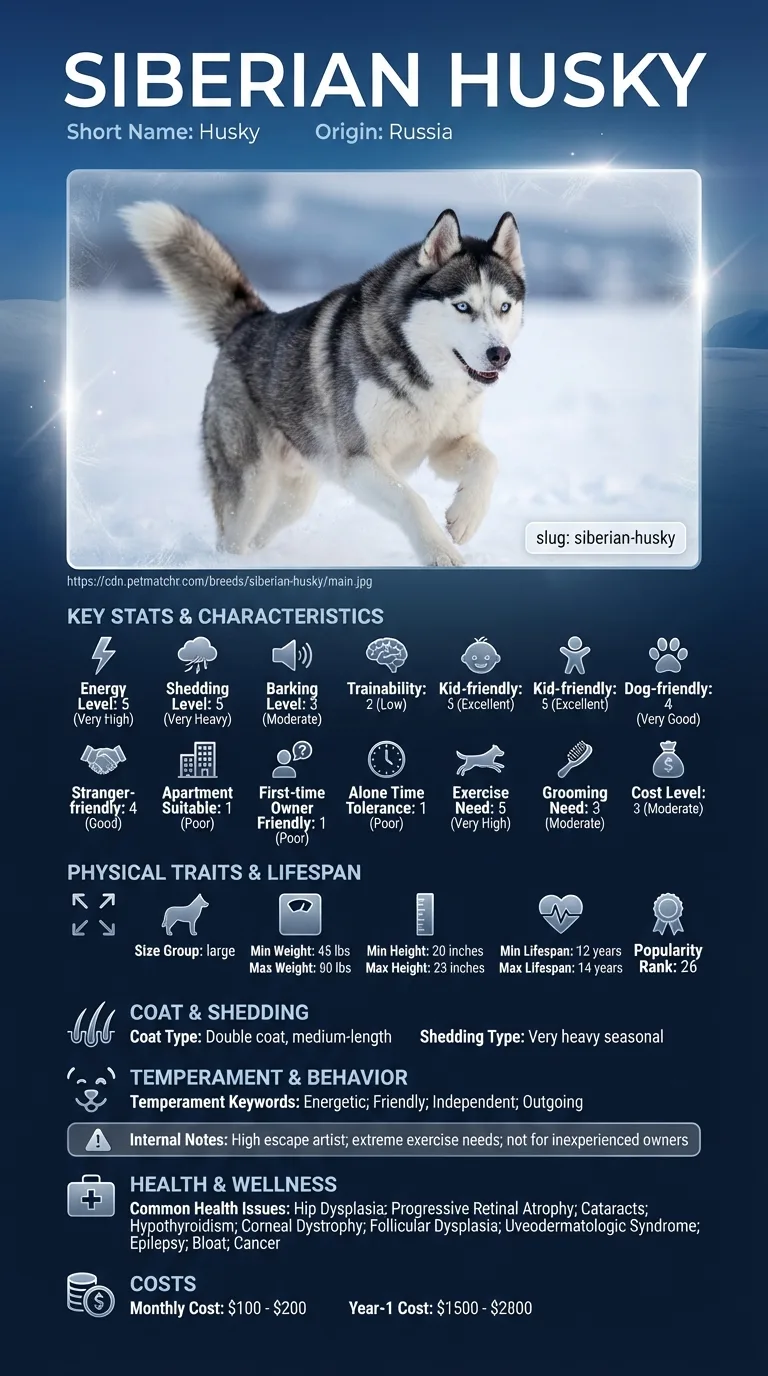
Understanding Siberian Husky Progressive Retinal Atrophy (PRA) infographic

Typically, dog owners who have active, energetic Huskies may struggle with this issue. Those who may not know how to support a pet experiencing vision loss could find it especially challenging.

Important reminder

This guide is not medical advice. If your dog shows pain, sudden behavior change, or worsening symptoms, consult a licensed veterinarian.

Some links may be affiliate links. We may earn a commission at no extra cost to you. We only suggest products we believe are helpful for dog owners.

What this problem looks like

Siberian Husky progressive retinal atrophy (PRA) is a genetic condition that leads to gradual vision loss. Day-to-day, you might notice your Husky struggling to navigate familiar spaces, bumping into furniture, or hesitating before jumping. This can be distressing for both you and your dog, impacting their confidence and overall happiness.

Common triggers

  • Genetic predisposition, as PRA is inherited
  • Age, as symptoms often appear in middle age
  • Low lighting or dark environments, which can exacerbate vision issues

PRA is relatively common among Siberian Huskies, with some estimates suggesting that around 10-20% may be affected. This makes it essential for owners to be aware of the signs and seek veterinary advice early.

Why this happens

Breed factors

Siberian Huskies are genetically predisposed to progressive retinal atrophy (PRA). This inherited condition affects the retina, leading to a gradual decline in vision. Breeds like Huskies often have a higher incidence of PRA due to their unique genetic makeup.

Environment factors

Environmental factors can also play a role in the progression of PRA. Poor lighting conditions, lack of mental stimulation, and inadequate socialization can exacerbate the symptoms. Keeping your Husky in a stimulating environment can help delay the onset of noticeable issues.

What you can try

At-home strategies

  • Provide a consistent environment: Keep furniture in the same place to help your Husky navigate easily.
  • Use verbal cues: Teach commands to guide your Husky, ensuring they feel secure and know where to go.
  • Engage in scent games: Use their sense of smell to encourage exploration and mental engagement, which can help with their overall well-being.

When to consider a trainer

If your Husky shows signs of fear or anxiety due to their vision loss, a professional trainer can help. They can teach you techniques to modify your dog's behavior and improve their confidence in navigating their surroundings.

When to talk to your vet

If you notice significant changes in your Husky's eyesight or behavior, schedule a vet appointment. A veterinarian can assess the severity of PRA and discuss potential treatments or support options.

Realistic expectations

It typically takes several months to see significant progress in managing Siberian Husky progressive retinal atrophy (PRA). Owners should remain patient as they adapt to their dog's needs.

Success means your Husky is adapting well to vision changes, showing confidence in familiar environments, and responding positively to training techniques that enhance their quality of life.

Mistakes that make this worse

Avoiding these common mistakes can help manage your Siberian Husky's progressive retinal atrophy (PRA) more effectively.

  • Not seeking early veterinary advice: Delaying a vet visit can lead to more severe vision loss. Regular check-ups are crucial for early diagnosis and treatment options.
  • Ignoring changes in behavior: If your Husky shows signs of confusion or reluctance to move around, it’s essential to investigate these changes. Providing a familiar environment can help ease their anxiety.
  • Failing to adapt your training methods: Using harsh training techniques can increase stress and worsen behavior issues. Focus on positive reinforcement to encourage good habits.
  • Neglecting mental stimulation: A bored Husky can become anxious or destructive. Incorporate puzzle toys or scent games to keep their mind engaged.
  • Over-relying on verbal commands: If your Husky is losing vision, they may not respond well to voice commands alone. Use hand signals or touch to guide them instead.
  • Not creating a safe environment: Allowing your Husky to roam freely in unfamiliar spaces can lead to accidents. Set up a safe area where they can move without obstacles.
  • Ignoring health needs: Failing to monitor other health issues can complicate PRA management. Ensure regular vet visits to address any emerging problems.

When Siberian Husky Progressive Retinal Atrophy (PRA) is an Emergency

When dealing with Siberian Husky progressive retinal atrophy (PRA), it's essential to know when to act quickly. If you notice sudden changes in your dog's vision, such as bumping into objects or a reluctance to navigate familiar spaces, these are red flags. Additionally, if your Husky shows signs of distress, such as excessive barking or anxiety, it's time to call your vet immediately.

On the other hand, if your dog is experiencing gradual vision changes without distress, you can monitor the situation. Look for signs like hesitance in dim light or decreased interest in visual play. In these cases, keep a close watch and consider scheduling a vet appointment for a comprehensive eye exam at your convenience.

Overall, if anything feels off with your Husky's behavior or sight, don’t hesitate to consult a professional. Early detection can make a difference in managing PRA effectively.

Understanding Siberian Husky Progressive Retinal Atrophy (PRA) - When Siberian Husky Progressive Retinal Atrophy (PRA) is an Emergency

A Journey with Max: Navigating PRA

When Sarah adopted Max, a cheerful Siberian Husky, she was overjoyed. However, she soon noticed he was struggling with his vision due to progressive retinal atrophy (PRA). Initially, he would bump into furniture and hesitate to go outside. Feeling overwhelmed, Sarah sought help from a veterinarian who guided her on how to create a safe home environment. She began using sound cues and led Max through familiar paths in their yard. Gradually, he learned to navigate better, and his confidence grew. Sarah also joined a local support group for Husky owners, which provided valuable tips and emotional support. Over time, Max adjusted to his condition and even participated in agility classes, showcasing his playful spirit despite his challenges.

Key takeaway: With the right support and training, dogs with progressive retinal atrophy can lead fulfilling lives. Patience and creativity are key in helping them adapt.

Frequently asked questions

What is Siberian Husky progressive retinal atrophy (PRA)?

Siberian Husky progressive retinal atrophy (PRA) is a hereditary condition that leads to gradual vision loss. It affects the retina, causing it to deteriorate over time. This condition can significantly impact your Husky's quality of life.

Why does my Siberian Husky have progressive retinal atrophy (PRA)?

PRA in Siberian Huskies is often due to genetic factors. It's an inherited condition, meaning if your Husky's parents had it, your dog might also develop it. Regular veterinary check-ups can help monitor your dog’s eye health.

How can I help my Siberian Husky with progressive retinal atrophy (PRA)?

While there is no cure for PRA, you can help your Husky adapt to vision loss. Maintain a consistent home environment and use verbal cues to guide your dog. Consider training sessions focused on helping your Husky navigate obstacles safely.

What are the symptoms of Siberian Husky progressive retinal atrophy (PRA)?

Common symptoms of PRA include difficulty seeing in low light, bumping into objects, and reluctance to go outside. You might also notice your Husky becoming more anxious or cautious. If you see these signs, consult your veterinarian for evaluation.

Is there a way to prevent Siberian Husky progressive retinal atrophy (PRA)?

As PRA is genetic, prevention is not possible. However, responsible breeding practices can minimize the risk. Always choose a reputable breeder who tests for genetic conditions.

Can training help my Siberian Husky with progressive retinal atrophy (PRA)?

Yes, training can be beneficial. Use positive reinforcement to teach commands that help your Husky navigate their environment. Consistent training can improve their confidence and mobility.

What should I do if my Siberian Husky is diagnosed with progressive retinal atrophy (PRA)?

If your Husky is diagnosed with PRA, work closely with your veterinarian to develop a management plan. Focus on creating a safe space at home and engaging in training that accommodates their vision loss.

Can Siberian Huskies with progressive retinal atrophy (PRA) still lead an active life?

Yes, Siberian Huskies with PRA can still enjoy an active life. However, you may need to adjust their environment to ensure their safety and help them navigate without sight. Consistent training and familiarizing them with their surroundings can also assist in maintaining their quality of life.

What are the early signs of progressive retinal atrophy (PRA) in Siberian Huskies?

Early signs of PRA in Siberian Huskies can include difficulty seeing in low light, bumping into objects, or hesitating before jumping. If you notice these behaviors in your dog, it's essential to consult with a veterinarian for a full evaluation.

How can I help my Siberian Husky adapt to vision loss from PRA?

Helping your Siberian Husky adapt to vision loss involves creating a safe and predictable environment. Use consistent commands, maintain a clutter-free space, and consider using tactile markers to help them navigate. Training can also play a significant role in their adaptation.

When should I seek veterinary help for my Siberian Husky's progressive retinal atrophy (PRA)?

If you suspect your Siberian Husky is showing signs of PRA, it's best to consult a vet promptly. They can confirm the diagnosis and discuss potential management options, including lifestyle adjustments and supportive care.

Is there a genetic test for progressive retinal atrophy (PRA) in Siberian Huskies?

Yes, there is a genetic test available for progressive retinal atrophy in Siberian Huskies. This test can help determine if your dog is a carrier of the gene associated with PRA, allowing for informed breeding decisions if you're considering adding to your family.

Quick answers

View more answers
Behavior

What are quick tips for managing Siberian Husky progressive retinal atrophy (PRA)?

Maintain consistent furniture placement and avoid changes to your dog's environment. Use verbal commands to guide them, and consider using a harness for walks.

Training

How can I train my Siberian Husky with PRA effectively?

Focus on verbal cues and tactile signals. Gradually introduce new areas and obstacles, allowing your Husky to explore safely at their own pace.

Health

What health checks are important for a Husky with PRA?

Regular veterinary check-ups are critical. Your vet can monitor your Husky’s eye health and suggest any necessary adjustments to their care.

Living

Are there visual aids for dogs with progressive retinal atrophy (PRA)?

While there are no specific visual aids, using consistent navigation cues can help your Husky feel secure in their environment. Training can also enhance their ability to navigate.

Related DogBreedCompass guides

  • Common health issues for Siberian HuskiesLearn more about common health issues that can affect your Siberian Husky, including PRA.
  • Siberian Husky behavior problemsDiscover training tips that can help manage behavior problems in your Siberian Husky.
  • Siberian Husky cost breakdownUnderstand the costs associated with owning a Siberian Husky, including potential health-related expenses.
  • Siberian Husky separation anxiety guideIf your Husky struggles with separation anxiety, find effective strategies to help them cope.
  • How to stop Siberian Husky progressive retinal atrophy (PRA)Learn how to support your Siberian Husky's eye health and manage PRA symptoms effectively.

Related guides