Health
What are quick tips for Siberian Husky ocular disease?
Regular vet check-ups, maintaining a clean environment, and providing a balanced diet can help manage Siberian Husky ocular disease.

Quick answer
What are quick tips for Siberian Husky ocular disease?
Regular vet check-ups, maintaining a clean environment, and providing a balanced diet can help manage Siberian Husky ocular disease.
Siberian Husky ocular disease can pose serious health risks for these beautiful dogs. Understanding the symptoms and management options is crucial for their well-being.
Owners of Siberian Huskies, especially those new to the breed, may struggle to recognize the signs of ocular disease. Families with active lifestyles may find it challenging to monitor their dog's health closely, leading to potential delays in diagnosis.
This guide is not medical advice. If your dog shows pain, sudden behavior change, or worsening symptoms, consult a licensed veterinarian.
Some links may be affiliate links. We may earn a commission at no extra cost to you. We only suggest products we believe are helpful for dog owners.
We research and check what we publish, but we do not warrant that any figure, date, price, or statement is accurate, complete, or current, and we accept no liability for any loss, cost, injury, or other harm arising from the use of this site. Use it as one reference among several. You remain responsible for your own decisions and for your dog's care - confirm anything that matters with a licensed veterinarian or another qualified professional before you act on it. Full disclaimer.
Check this first
Understanding when Siberian Husky ocular disease becomes an emergency is crucial for your pet's health. Keep an eye out for red-flag signs that mean you need to call your vet immediately. These include sudden vision loss, severe redness or swelling in the eyes, excessive tearing, or if your Husky is in obvious pain, such as pawing at their face or showing reluctance to open their eyes.
On the other hand, there are milder cases that you can monitor. If your Husky has minor eye discharge, slight redness, or seems to squint occasionally, it may not be urgent. In these situations, you can observe the symptoms for a few days before seeking veterinary advice, especially if they don't worsen. However, keeping a close watch is essential, as conditions can change rapidly.
In summary, always err on the side of caution. If you're ever unsure about your dog's symptoms, reaching out to your vet is the best course of action. Their expertise can provide peace of mind and ensure your Siberian Husky gets the care they need.
If any of these apply, call your vet or an emergency clinic now. The rest of this page is for the cases that are not an emergency.
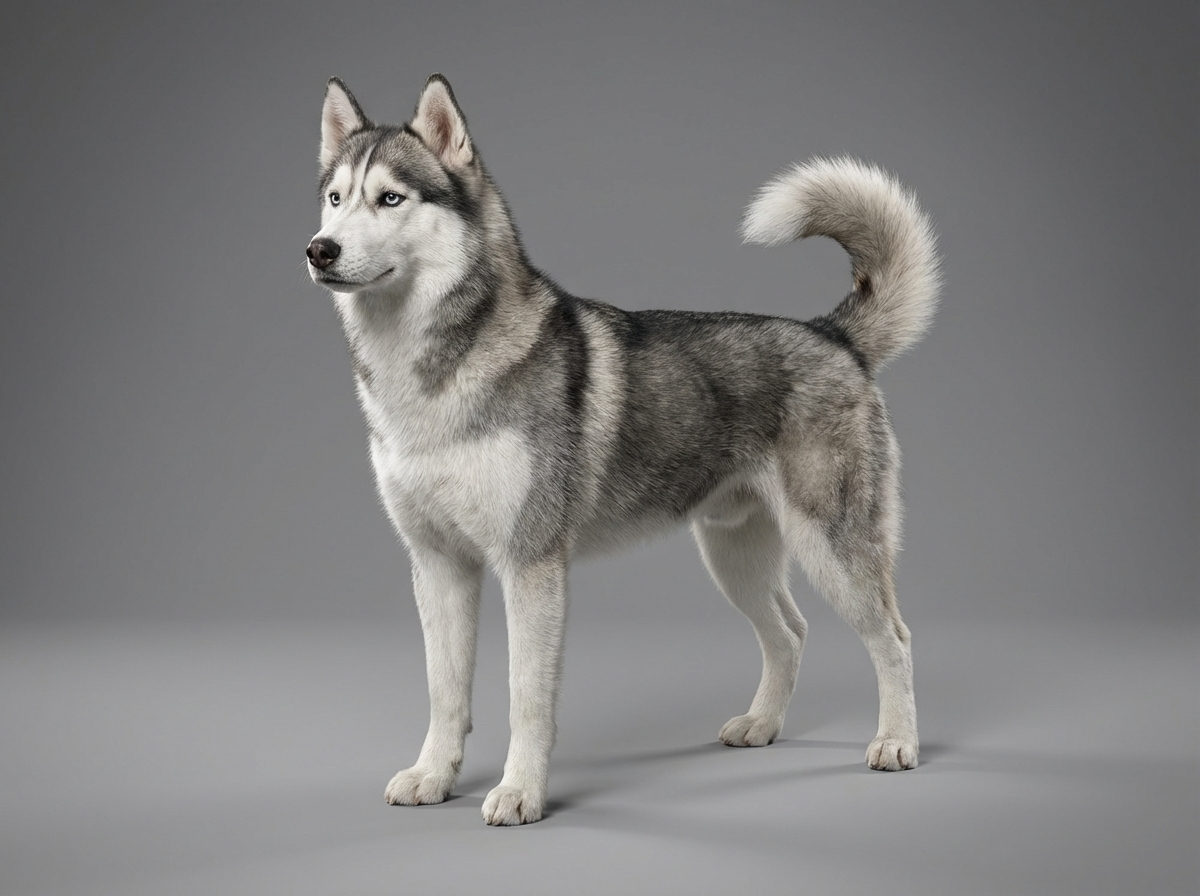
Siberian Husky ocular disease can be a serious issue for this breed. It manifests as various eye problems, such as cataracts or progressive retinal atrophy, and can lead to significant vision impairment. Owners may notice signs like squinting, excessive tearing, or changes in behavior due to discomfort.
Ocular disease is notably common in Siberian Huskies, with studies indicating they are at a 467% higher risk compared to other breeds. This makes vigilance and regular veterinary check-ups essential for early detection and management.
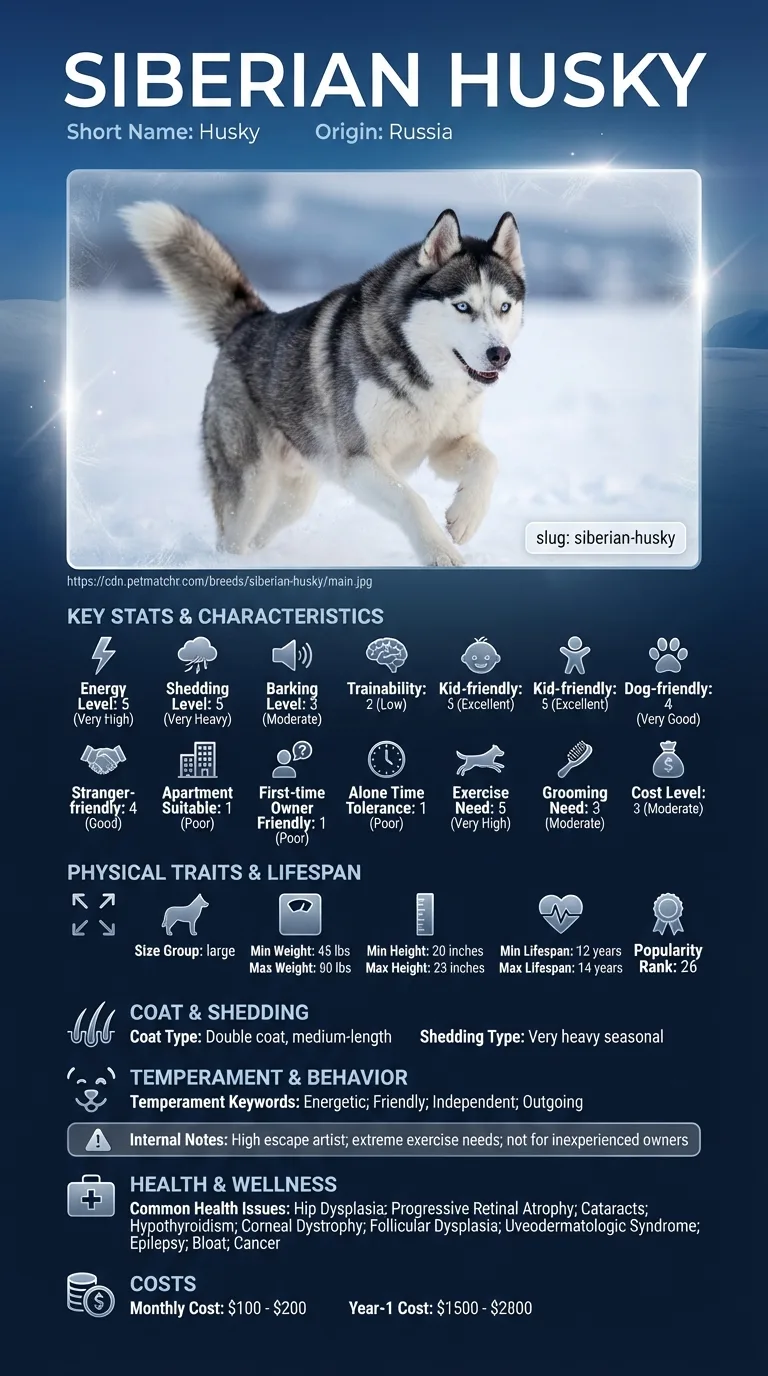
Siberian Huskies are prone to certain ocular diseases due to their genetics. Breeds like Huskies can inherit conditions such as Progressive Retinal Atrophy and Corneal Dystrophy. These hereditary factors make them more susceptible to vision-related issues.
Environmental factors can also contribute to ocular diseases in Huskies. Exposure to irritants like dust, allergens, or harsh sunlight can exacerbate eye problems. Additionally, a lack of proper care or regular vet check-ups can lead to undiagnosed conditions.
If you notice any changes in your Husky's vision or eye health, contact a vet immediately. They can assess the situation and recommend treatments or preventative care.
Avoiding certain common behaviors can help improve your Siberian Husky's ocular disease. Here are some mistakes to watch out for and alternative actions to consider.
Start here: Siberian Husky Most Common Genetic Disorders: Screening
See all Siberian Husky health problems, which breeds are prone to ocular disease, or the full Siberian Husky breed guide for temperament, exercise needs and ownership costs.
You can expect to see some improvement in your Siberian Husky's ocular health within 3 to 6 months of consistent care and follow-up with your vet.
Success means your Husky will have reduced symptoms, such as less eye discharge and improved comfort, allowing them to enjoy daily activities with less discomfort.
Emily, a first-time dog owner, noticed her Siberian Husky, Bella, frequently squinting and having watery eyes. Concerned, she took Bella to the vet, who diagnosed her with ocular disease. With a treatment plan that included regular vet check-ups and eye drops, Emily learned to manage Bella's condition. Additionally, she enrolled Bella in a specialized training program focused on managing discomfort during outdoor play. Over several months, Bella showed significant improvement, and she could enjoy her daily walks without distress.
Key takeaway: Managing Siberian Husky ocular disease requires regular veterinary care and tailored training, which can greatly improve your dog's quality of life.
Common signs include redness, swelling, and excessive discharge from the eyes. You may also notice your Husky rubbing their eyes or showing sensitivity to light. If you observe these symptoms, consult your veterinarian promptly.
Preventing Siberian Husky ocular disease involves regular eye exams and maintaining a healthy lifestyle. Ensure your Husky has a balanced diet and proper hydration. Keeping their living environment clean and free from irritants is also crucial.
Treatment for Siberian Husky ocular disease varies based on the specific issue. Some conditions may require medication or eye drops, while others might need surgical intervention. Always follow your vet's recommendations for the best outcome.
Yes, genetics play a significant role in the likelihood of ocular disease in Siberian Huskies. Certain hereditary conditions like Progressive Retinal Atrophy can be more common in this breed. Responsible breeding practices can help reduce these risks.
Early signs of Siberian Husky ocular disease can include excessive tearing, redness around the eyes, and changes in vision. If you notice your Husky bumping into things or showing discomfort, it's time to consult a vet.
Yes, older Siberian Huskies are more prone to ocular diseases like cataracts and progressive retinal atrophy. Regular veterinary check-ups are crucial to catch these issues early.
To assist your Siberian Husky with ocular disease, ensure they have a safe environment free from obstacles. You can also provide a balanced diet rich in antioxidants, which may support eye health.
Treatment options for Siberian Husky ocular disease vary depending on the specific condition. Options may include medication, surgery, or specialized diets, so consult your vet for a tailored approach.
Yes, some ocular diseases in Siberian Huskies can be hereditary, especially conditions like cataracts and progressive retinal atrophy. Responsible breeding practices can help reduce the risk of these diseases in future generations.
Regular vet check-ups, maintaining a clean environment, and providing a balanced diet can help manage Siberian Husky ocular disease.
Create a quiet, clean area for your Siberian Husky, away from loud noises and irritants. This can help reduce stress and eye irritation.
If you notice redness, swelling, or excessive discharge, consult your vet immediately to prevent further issues.
Positive reinforcement training can help manage and reduce behavioral issues associated with ocular disease, making your dog feel more secure.
A one-page prep sheet for this condition: the signs, the questions to ask, what to get priced. Unlocks here.
You get: Vet visit prep sheet
No spam. One-click unsubscribe. See our privacy policy.
See a sample page before you decide.
Early access list
The free prep sheet covers the same-day warning signs, a symptom log and the questions to ask. We are considering a fuller kit that adds a cost worksheet for the usual tests and treatments (US price ranges with their sources) and a plain-English guide to ways of covering the bill. It is not built yet; this list tells us whether it is worth building.
One email, no spam, unsubscribe anytime. Information only, not veterinary advice.