What are quick tips for managing Siberian Husky myxomatous mitral valve disease (mmvd)?
Regular vet check-ups, a balanced diet, and low-stress environments are key. Monitor for any changes in behavior or health and consult your vet immediately if concerns arise.
Siberian Husky myxomatous mitral valve disease (MMVD) is a serious heart condition that many Huskies face.
Typically, owners of older Huskies or those with a family history of heart issues may struggle with this problem. First-time dog owners might find it particularly challenging to recognize the signs and understand how to seek help.
Important reminder
This guide is not medical advice. If your dog shows pain, sudden behavior change, or worsening symptoms, consult a licensed veterinarian.
Some links may be affiliate links. We may earn a commission at no extra cost to you. We only suggest products we believe are helpful for dog owners.
We research and check what we publish, but we do not warrant that any figure, date, price, or statement is accurate, complete, or current, and we accept no liability for any loss, cost, injury, or other harm arising from the use of this site. Use it as one reference among several. You remain responsible for your own decisions and for your dog's care - confirm anything that matters with a licensed veterinarian or another qualified professional before you act on it. Full disclaimer.
Check this first
When Siberian Husky Myxomatous Mitral Valve Disease (MMVD) is an Emergency
It's crucial to recognize the signs of Siberian Husky myxomatous mitral valve disease (MMVD) that require immediate veterinary attention. If your Husky experiences sudden difficulty breathing, persistent coughing, or fainting, these are red flags. Additionally, if you notice a swollen abdomen, this could indicate fluid buildup, which is a serious concern.
If any of these apply, call your vet or an emergency clinic now. The rest of this page is for the cases that are not an emergency.
What this problem looks like
Siberian Husky myxomatous mitral valve disease (mmvd) is a common heart condition in this breed. It typically manifests as a gradual decline in heart health, leading to symptoms like coughing, fatigue, and difficulty breathing. Owners may notice their Husky becoming less active or more prone to shortness of breath during playtime.
Common triggers
Genetics and age are significant factors.
Obesity and lack of exercise can worsen symptoms.
Stressful situations may exacerbate the condition.
Myxomatous mitral valve disease (mmvd) is particularly prevalent in older Siberian Huskies, affecting a significant percentage of the breed as they age. Regular veterinary check-ups can help catch early signs and manage the disease effectively.
Why this happens
Breed factors
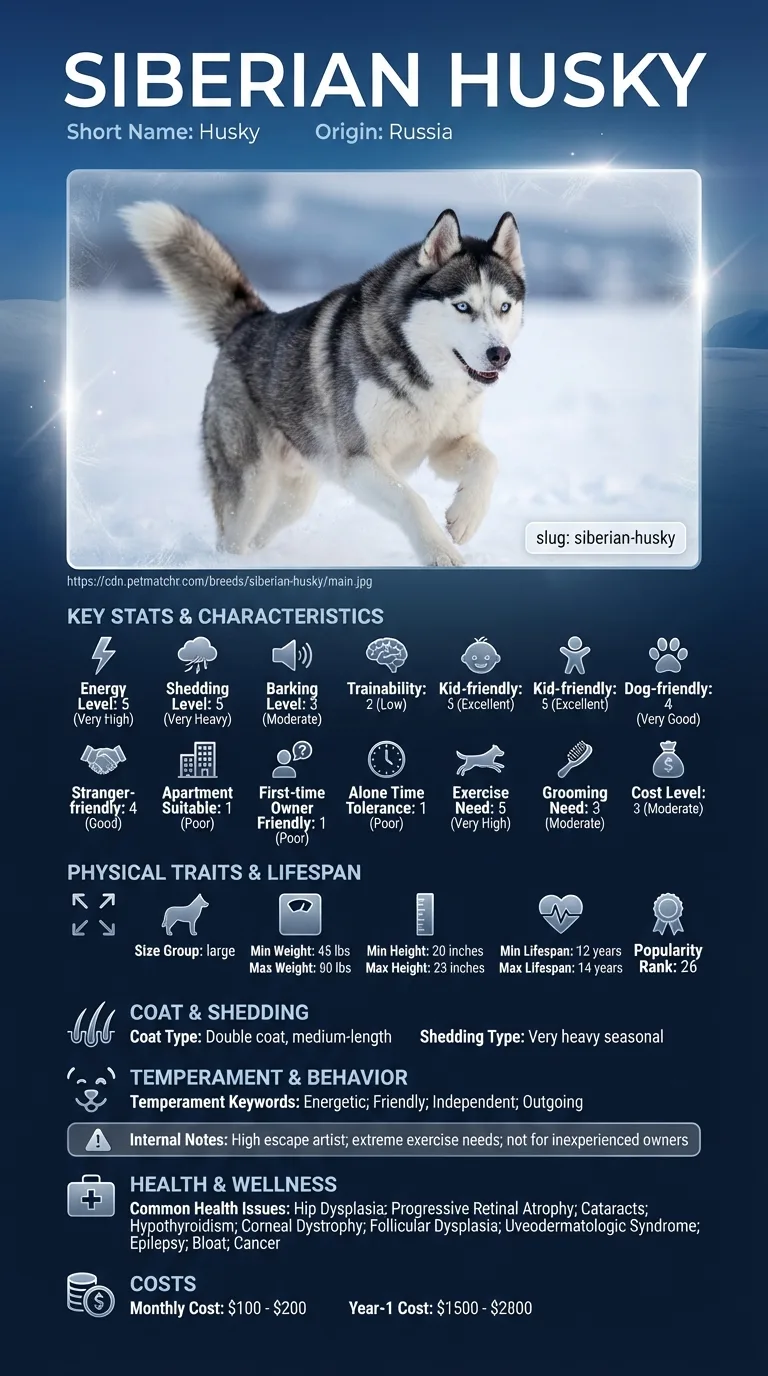
Siberian Huskies are prone to Myxomatous Mitral Valve Disease (MMVD) due to genetic factors. This heart condition is common in the breed, leading to progressive heart issues. Their independent nature can sometimes make them less responsive to training that encourages heart-healthy behaviors.
Environment factors
Environmental factors like diet, exercise, and stress levels can also impact the likelihood of developing MMVD. A lack of proper exercise or an unhealthy diet can exacerbate heart conditions. Additionally, stressful living situations can affect a Husky's overall health.
What you can do at home (once it is not an emergency)
When to talk to your vet
If your Husky shows signs of lethargy, coughing, or difficulty breathing, contact your vet immediately. Regular check-ups are essential for early detection of MMVD and to discuss any concerns about their heart health.
At home, alongside your vet's plan
Ensure a balanced diet rich in omega-3 fatty acids to support heart health. Consult your vet for specific dietary recommendations.
Provide regular exercise tailored to your Husky's energy level. Aim for at least an hour of vigorous activity daily to keep their heart strong.
Monitor your Husky's weight closely. Obesity can strain the heart, so regular weigh-ins can help you catch any weight gain early.
Mistakes that make Myxomatous Mitral Valve Disease (MMVD) worse
Avoiding certain behaviors can help manage your Siberian Husky's myxomatous mitral valve disease (MMVD). Here are common mistakes that may worsen the condition and safer alternatives to consider.
Ignoring regular vet check-ups: Skipping veterinary visits can delay detection and treatment of MMVD. Instead, schedule regular check-ups to monitor heart health.
Overfeeding treats: Giving too many treats can lead to obesity, worsening heart issues. Opt for healthy treats and monitor portion sizes.
Neglecting exercise: While exercise is vital, overexerting your Husky can strain their heart. Provide moderate exercise, balancing activity with rest.
Failing to manage stress: Stress can exacerbate health issues. Create a calm environment and consider training for anxiety relief, which can help.
Assuming all symptoms are normal: Dismissing signs like coughing or lethargy can be harmful. Always consult your vet if you notice changes in behavior.
Not following medication plans: Inconsistent medication can worsen MMVD. Stick to the prescribed treatment plan and consult your vet for adjustments.
Ignoring dental health: Poor dental hygiene can impact heart health. Regularly brush your dog's teeth and provide dental treats to promote oral health.
Managing Siberian Husky myxomatous mitral valve disease (MMVD) typically takes time and consistent effort. Expect to see gradual improvements in your dog's condition over a few weeks to months, depending on their health and response to treatments.
Success means your Husky shows improved energy levels, better appetite, and a decrease in symptoms like coughing or fatigue. Regular vet check-ups should confirm stable heart function and overall health.
When to Watch and Wait
In less severe cases, you might see mild lethargy or a slight decrease in appetite. These symptoms can often be monitored with a watchful eye and a plan to consult your vet. Keep track of any changes in your Husky’s behavior and health, but don’t ignore them if they worsen; proactive management is key.
Siberian Husky - When to Watch and Wait
Anna's Journey with Max and MMVD
Anna, a first-time Siberian Husky owner, noticed her dog Max was coughing more than usual. After a vet visit, she learned Max had myxomatous mitral valve disease (MMVD). Feeling overwhelmed, Anna dedicated herself to understanding the condition. She researched treatment options and adjusted Max's diet to support his heart health. Within a month, Max had more energy, and his cough diminished. Anna learned to monitor his symptoms and schedule regular vet visits, which helped her feel more in control.
Key takeaway: Knowledge and proactive care are essential in managing Siberian Husky myxomatous mitral valve disease (MMVD). Regular check-ups and a healthy lifestyle can significantly improve your dog's quality of life.
Frequently asked questions
Why does my Siberian Husky have myxomatous mitral valve disease (mmvd)?
Myxomatous mitral valve disease (mmvd) is common in Siberian Huskies due to genetic predisposition. Factors like age and other health issues can also contribute to its development. Regular vet check-ups can help catch this condition early.
How can I help my Siberian Husky with myxomatous mitral valve disease (mmvd)?
Managing mmvd involves regular veterinary visits and possibly medication to support heart function. Providing a low-stress environment and maintaining a healthy weight can also be beneficial. Always consult your vet for personalized advice.
What are the symptoms of myxomatous mitral valve disease (mmvd) in Huskies?
Common symptoms include coughing, difficulty breathing, and lethargy. If you notice any of these signs, it's essential to consult your vet promptly. Early detection can significantly improve your dog's quality of life.
Can my Siberian Husky live a normal life with myxomatous mitral valve disease (mmvd)?
Yes, many Huskies with mmvd can live comfortably with proper management. Regular vet care, medication, and lifestyle adjustments can help maintain their health. Each dog's situation is unique, so work closely with your veterinarian.
Are there specific training methods for Huskies with myxomatous mitral valve disease (mmvd)?
Training should be gentle and focused on building trust. Avoid overly strenuous activities and consider low-impact training. Establishing a calm routine can help your Husky feel secure and reduce stress.
What are the early signs of myxomatous mitral valve disease (mmvd) in my Siberian Husky?
Early signs of Siberian Husky myxomatous mitral valve disease (mmvd) include coughing, difficulty breathing, and reduced exercise tolerance. If you notice your Husky tiring easily or having trouble catching their breath, it's important to consult a veterinarian promptly.
Can my older Siberian Husky develop myxomatous mitral valve disease (mmvd)?
Yes, older Siberian Huskies are at a higher risk for developing myxomatous mitral valve disease (mmvd). Regular vet check-ups are crucial for early detection and management, especially as your dog ages.
What lifestyle changes can help manage my Siberian Husky's myxomatous mitral valve disease (mmvd)?
To manage Siberian Husky myxomatous mitral valve disease (mmvd), consider adjusting their diet to include heart-healthy options and reducing exercise intensity. Monitoring their weight and maintaining a stress-free environment can also be beneficial.
Why does my Siberian Husky have myxomatous mitral valve disease (mmvd) if they are active and healthy?
Siberian Huskies can develop myxomatous mitral valve disease (mmvd) due to genetic predispositions, regardless of their activity level. Even healthy dogs can face this heart condition, so regular vet visits are essential for monitoring heart health.
What treatment options are available for Siberian Husky myxomatous mitral valve disease (mmvd)?
Treatment for Siberian Husky myxomatous mitral valve disease (mmvd) typically includes medications to manage symptoms and improve heart function. In some cases, surgery may be considered, but this depends on the severity of the disease. Always consult your vet for the best treatment plan.
What are quick tips for managing Siberian Husky myxomatous mitral valve disease (mmvd)?
Regular vet check-ups, a balanced diet, and low-stress environments are key. Monitor for any changes in behavior or health and consult your vet immediately if concerns arise.
Living
How can I create a stress-free environment for my Husky with mmvd?
Establish a quiet space with comfortable bedding and limit loud noises. Consistent routines can help your Husky feel more secure and relaxed.
Behavior
What lifestyle changes should I consider for my Husky with mmvd?
Focus on moderate exercise and mental stimulation to keep your Husky engaged without overexertion. Avoid strenuous activities that could stress their heart.
Health
What medications might be used for Siberian Husky with mmvd?
Your vet may prescribe medications like diuretics or ACE inhibitors to help manage heart function. Always follow your vet's guidance on medication and dosage.
Related DogBreedCompass guides
Siberian Husky health issues – Learn more about the common health issues that can affect your Siberian Husky, including myxomatous mitral valve disease (mmvd).
Siberian Husky separation anxiety guide – If your Husky is showing signs of anxiety, this guide can help address those behaviors and improve their well-being.
Siberian Husky behavior problems – Discover effective training techniques for managing behavior problems in Siberian Huskies, specifically around health challenges.
Siberian Husky cost breakdown – Understand the costs associated with owning a Siberian Husky, including potential medical expenses for conditions like mmvd.
A fuller vet-visit kit for Siberian Husky Myxomatous Mitral Valve Disease Mmvd
The free prep sheet covers the same-day warning signs, a symptom log and the questions to ask. We are considering a fuller kit that adds a cost worksheet for the usual tests and treatments (US price ranges with their sources) and a plain-English guide to ways of covering the bill. It is not built yet; this list tells us whether it is worth building.
One email, no spam, unsubscribe anytime. Information only, not veterinary advice.